Layla Zulfa

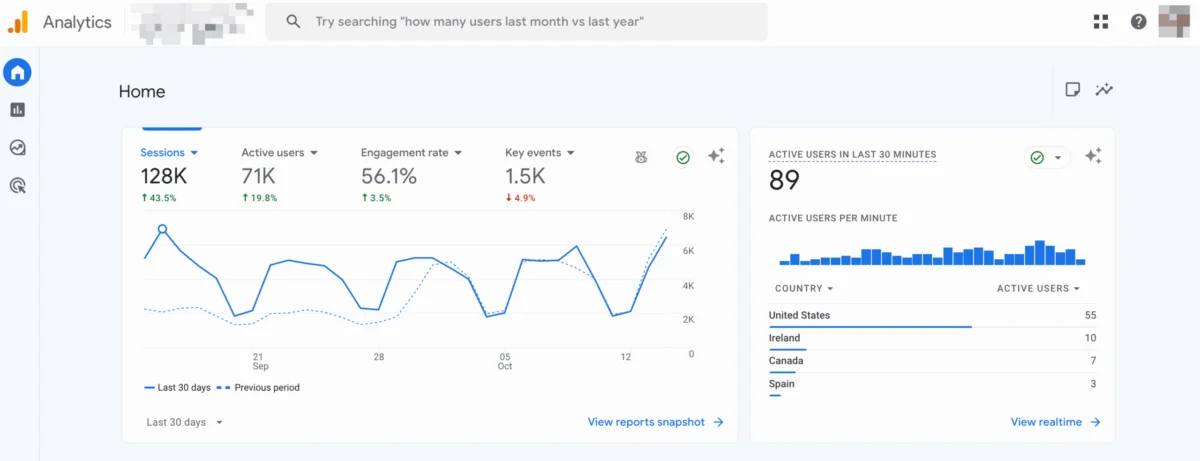
The digital marketing landscape is currently confronting a significant shift in data integrity as the proliferation of artificial intelligence crawlers and automated bots begins to fundamentally alter website traffic metrics. Recent internal audits from digital measurement firms, such as MeasureU, indicate that automated traffic now accounts for upwards of 20 percent of total website sessions, a figure that far exceeds previous industry estimates of approximately 2 percent. This discrepancy represents a critical challenge for businesses that rely on Google Analytics 4 (GA4) and other tracking tools to inform their marketing spend and strategic decisions. As AI agents from organizations like OpenAI, Anthropic, and Perplexity continue to scrape the web to train large language models (LLMs), the gap between reported traffic and actual human engagement is widening, creating a demand for a new category of professional services focused on AI traffic control and data purification.
The Chronology of the Bot Explosion
The evolution of automated web traffic has transitioned through several distinct phases over the last two decades. Initially, web crawlers were primarily limited to search engine indexing bots, such as Googlebot and Bingbot, which were easily identified and automatically filtered by analytics platforms. These "good bots" were essential for SEO and rarely interfered with conversion data because they were programmed to follow standardized protocols.

However, the timeline shifted dramatically with the 2022 release of ChatGPT and the subsequent "AI arms race." This era introduced a new generation of scrapers designed to ingest massive amounts of content for training purposes. Unlike traditional search crawlers, these AI agents often utilize sophisticated techniques to bypass standard filters, frequently appearing as human-like sessions in analytics dashboards. By 2024, the volume of these crawlers reached a tipping point. Industry analysts note that while traditional bots are still present, the "AI crawler" segment has seen triple-digit growth, leading to the current situation where one in five website visitors may not be human.
The Economic Impact of Skewed Analytics
The presence of 20 percent automated traffic is not merely a technical nuisance; it represents a significant financial risk for data-driven enterprises. When bot traffic is categorized as human sessions, every downstream metric becomes inherently flawed. For instance, if a website records 10,000 sessions but 2,000 are AI crawlers, a recorded conversion rate of 2 percent is actually closer to 2.5 percent when calculated against human-only traffic.
Furthermore, engagement metrics such as bounce rate and average session duration are frequently inflated. Bots that spend time parsing every line of code on a page do not "bounce" in the traditional sense, leading marketing teams to believe their content is more engaging than it truly is. This "data ghosting" leads to misallocated budgets, as companies may invest heavily in channels that appear to be driving traffic but are actually attracting automated scrapers. Digital strategy experts suggest that for mid-to-large-scale enterprises, even a 10 percent error margin in traffic data can lead to thousands of dollars in wasted advertising spend per month.
A Strategic Framework for AI Traffic Auditing
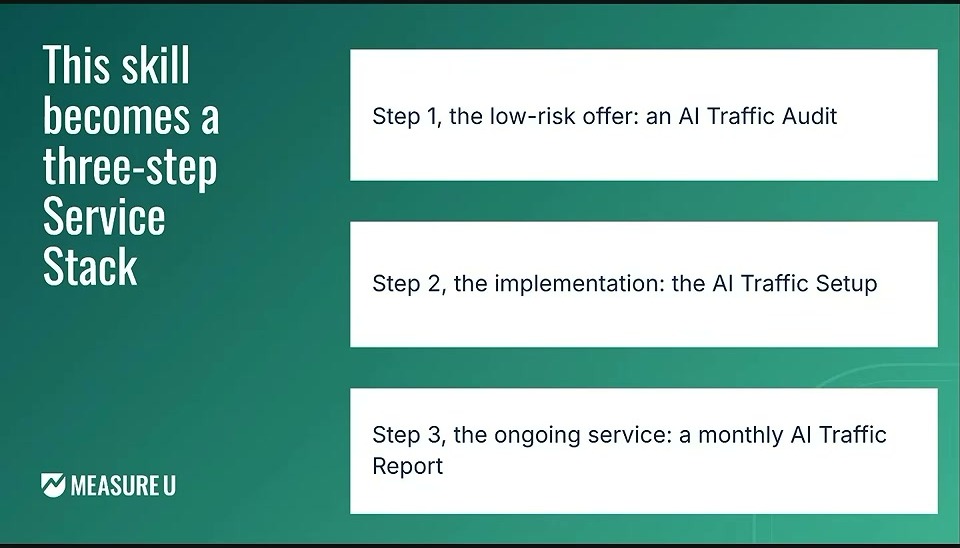
In response to these challenges, a standardized service framework has emerged to help organizations reclaim their data integrity. This framework is structured into three distinct phases: the initial audit, the comprehensive implementation, and ongoing monitoring.
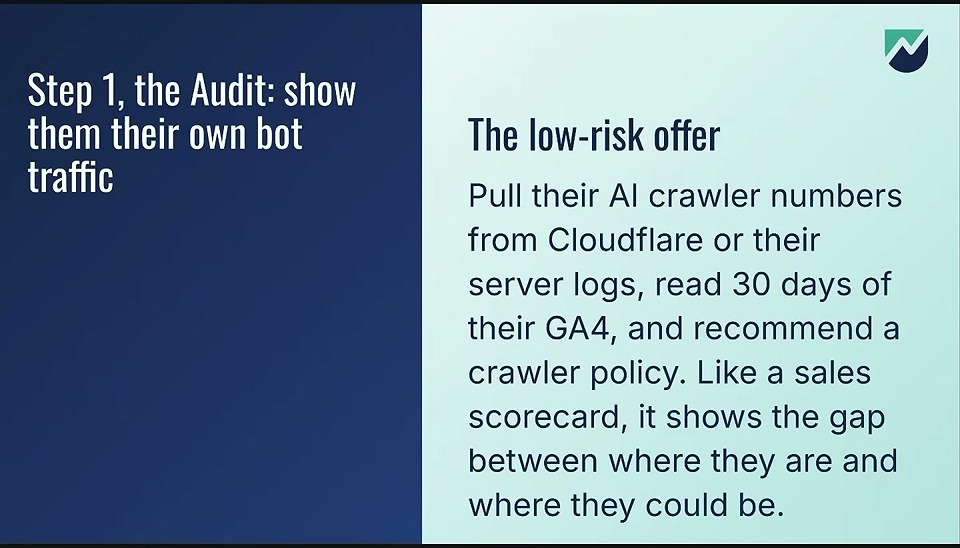
Tier 1: The Initial Audit
The first phase serves as a diagnostic tool. Analysts typically examine 30 days of historical data from platforms like Google Analytics 4, cross-referencing it with server logs or Cloudflare bot reports. The goal is to identify specific patterns associated with AI scrapers, such as unusual user-agent strings, non-human navigation paths, and IP addresses linked to known data centers. The deliverable for this stage is generally a "Crawler Policy," a document that outlines which bots are currently accessing the site and which should be permitted to continue.
Tier 2: Comprehensive Implementation
Once the scope of the bot presence is identified, technical teams move to the implementation phase. This involves configuring Google Tag Manager (GTM) to label traffic in real-time. By utilizing custom dimensions in GA4, businesses can segment their data into "Human," "Known AI Crawler," and "Suspected Bot" categories. This allows stakeholders to toggle between views, seeing the "raw" data versus the "human-verified" data. This stage also includes the technical execution of the crawler policy, such as updating robots.txt files or implementing server-side blocking for aggressive scrapers.
Tier 3: Ongoing Monitoring and Retention
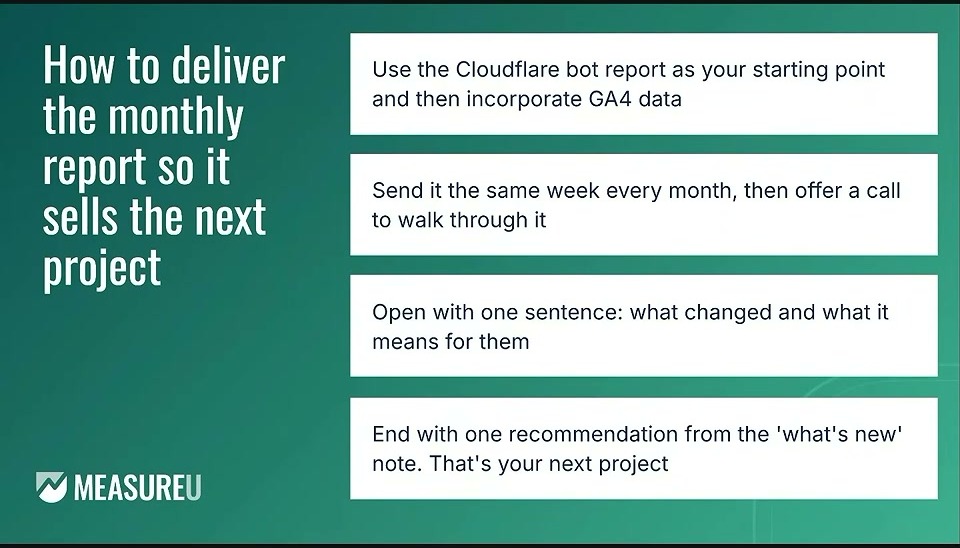
The landscape of AI technology is volatile; new crawlers are introduced weekly, and existing bots frequently change their behavior to evade detection. Consequently, a one-time fix is insufficient. Monthly reporting services have become the standard for maintaining data hygiene. These reports track the percentage of automated traffic over time and provide recommendations for adjusting security protocols as new AI entities emerge.
Pricing Models and Market Valuation
The pricing for AI traffic services reflects the high value of data accuracy in the current market. According to industry benchmarks provided during recent professional workshops, a tiered pricing structure allows agencies to provide accessible entry points while ensuring long-term profitability.
| Deliverable | Billing Type | Suggested Range |
|---|---|---|
| AI Traffic Audit | One-time | $500 – $1,000 |
| AI Traffic Setup | One-time | $1,000 – $2,000 |
| AI Traffic Report | Monthly | $250 – $500 |
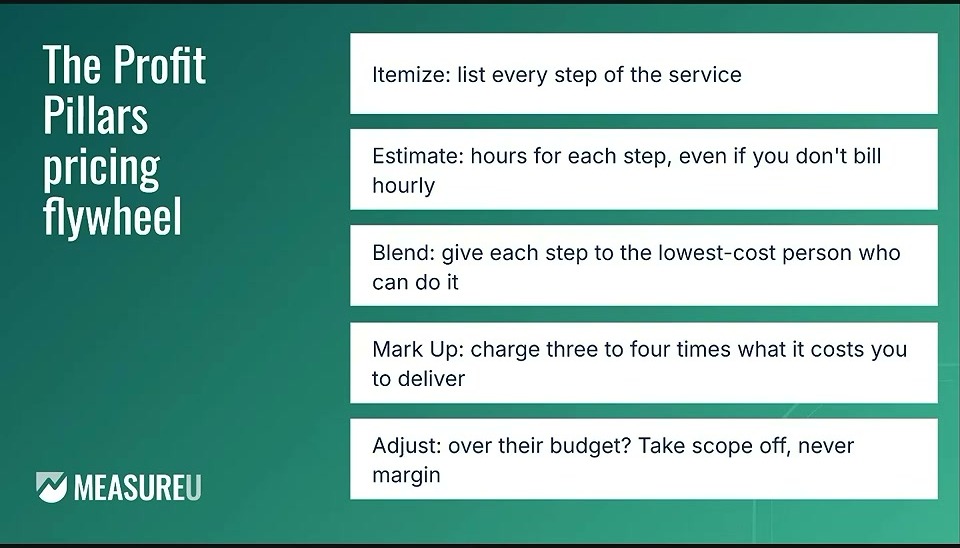
Analysts recommend a "Profit Pillar" approach to pricing, which involves itemizing labor, estimating the time required for complex subdomains, and applying a significant markup to account for specialized expertise and overhead. A common industry tactic to encourage adoption is "crediting the audit," where the initial audit fee is applied toward the cost of the full implementation if the client chooses to proceed. This reduces the friction of the initial sale while securing a larger project.
Broader Implications for the Digital Ecosystem
The necessity of AI traffic control signals a broader shift in how the internet is being consumed. We are moving toward a "hybrid web" where a substantial portion of traffic is non-consumptive—meaning the visitor is not there to read, buy, or interact, but to harvest. This has led to reactions from major publishers and platform holders. Some have begun implementing strict "no-bot" policies, while others are exploring licensing agreements with AI companies.
From a journalistic and regulatory perspective, the lack of transparency in bot identification is becoming a point of contention. While Google Analytics provides some automated filtering, it often lags behind the rapid deployment of new LLM scrapers. This delay forces private companies and agencies to develop their own proprietary detection methods, leading to a fragmented landscape of data standards.
Professional Reactions and Industry Analysis
Industry veterans argue that the "bot problem" is the most significant threat to digital measurement since the deprecation of third-party cookies. "If you cannot trust the denominator in your conversion equations, you cannot trust your business model," noted one senior analytics consultant. The consensus among data scientists is that the role of the "Analytics Manager" is evolving into that of a "Data Gatekeeper," where the primary responsibility is no longer just reporting numbers, but verifying the humanity of the traffic those numbers represent.
Furthermore, the rise of AI search engines like Perplexity and SearchGPT adds another layer of complexity. Blocking all AI crawlers could result in a site being invisible to the next generation of search engines, yet allowing them unchecked skews the very data used to measure success. The "AI Traffic Audit" is therefore not just a defensive measure, but a strategic necessity for balancing visibility with accuracy.
Conclusion and Future Outlook
As we look toward the remainder of the decade, the distinction between human and machine traffic will likely become even more blurred. Technologies such as headless browsers and AI-driven mouse-movement simulators are making bot detection increasingly difficult. The emergence of professional AI traffic control services is a logical response to this environment, providing a necessary layer of verification in an increasingly automated world.
For businesses, the path forward involves a transition from passive data collection to active data management. By acknowledging the 20 percent gap and implementing robust auditing and filtering protocols, organizations can ensure that their strategic decisions are based on the actions of real people rather than the automated cycles of an AI crawler. The agencies and internal teams that master this "traffic control" will be the ones that provide the most value in a landscape where data integrity is no longer guaranteed.

 Asep Darmawan

 Azzam Bilal Chamdy