Dwi Wanna

The landscape of digital partnership management is undergoing a fundamental transformation as brands increasingly pivot from traditional affiliate networks toward integrated creator-led commerce. While Impact.com has long maintained a dominant position as a comprehensive partnership automation platform, a growing cohort of e-commerce brands and marketing agencies are seeking alternatives that prioritize creator-specific workflows over traditional affiliate contract structures. This shift is driven by a maturing market where the lines between influencer marketing and performance-based affiliate tracking have blurred, necessitating tools that can handle the high-touch nuances of creator relationships while maintaining the rigorous attribution standards of traditional performance marketing.
The Historical Context and Market Shift
Impact.com, originally founded in 2008 as Impact Radius, built its reputation on providing a robust infrastructure for managing diverse partner types, including traditional publishers, loyalty sites, and strategic B2B integrations. The company’s trajectory changed significantly in August 2020 with the acquisition of ACTIVATE, an influencer marketing platform. This move signaled a strategic attempt to unify the "performance" and "influence" sectors of the industry. However, as the creator economy has scaled, many marketing teams have found that platforms built on a foundation of affiliate tracking sometimes struggle to accommodate the specific operational needs of influencer management, such as product seeding, content approval cycles, and organic relationship building.
Industry data suggests the stakes for this transition are high. An analysis of 1.1 million affiliate-linked posts published between mid-2025 and early 2026 revealed that creator-driven affiliate content matched organic engagement rates across nearly every follower tier. More importantly, this content was found to be 20% to 33% more cost-effective than traditional paid social advertising. As brands shift their budgets to capitalize on these efficiencies, the limitations of "legacy-first" platforms become more apparent.
Identifying the Catalysts for Platform Migration
The decision to migrate from a comprehensive system like Impact.com usually stems from two primary operational frictions. First is the "Core Architecture Mismatch." Impact.com was engineered around the concept of the partner contract and conversion tracking. For a brand managing 500 diverse publishers, this structured approach is an asset. However, for a creator-centric team, the daily workload is dominated by outreach, follow-ups, and managing the logistics of physical product samples. When the software is built for contracts rather than conversations, administrative overhead increases.
Second is the "Configuration Burden." Impact.com’s modularity—spanning discovery, contracting, tracking, engagement, protection, and optimization—offers enterprise-grade depth but requires significant setup time. For a lean Direct-to-Consumer (DTC) brand operating through a single storefront like Shopify, the complexity of configuring multi-regional payout events and granular tracking properties can become a bottleneck. Marketing teams are increasingly looking for "commerce-first" platforms where the primary objective is to identify which creator moved the needle on revenue without requiring a dedicated operations function to manage the software.

A Comparative Analysis of Market Alternatives
The current market offers several distinct paths for brands moving away from the Impact.com ecosystem, each catering to specific business models and scale requirements.
The Creator-Affiliate Hybrids: Upfluence, Grin, and Aspire
Upfluence has emerged as a prominent alternative for e-commerce and agency teams that view their creators as their primary affiliate engine. Unlike platforms that added creator tools via acquisition, Upfluence was built with a creator-first philosophy. It integrates discovery across a database of over 14 million profiles with automated outreach and native e-commerce connections. This allows brands to tie creator content directly to revenue metrics like Average Order Value (AOV) and Customer Lifetime Value (LTV).
Grin offers a similar philosophy but focuses heavily on the Shopify-centric DTC space. It is designed for brands that want to keep their operations entirely in-house, offering a "middleman-free" approach to gifting and payouts. Meanwhile, Aspire (formerly AspireIQ) focuses on the "inbound" side of the equation, excelling at managing brand ambassador programs and user-generated content (UGC) workflows for companies with active, established communities.
The Global Affiliate Networks: Awin
For organizations that utilize Impact.com primarily for its reach into traditional publisher networks, Awin represents the most direct alternative. Following its integration with ShareASale, Awin stands as one of the world’s largest affiliate networks. Its strength lies in its existing ecosystem of publishers in the retail and travel sectors. While it lacks the deep "relationship management" features of creator-specific platforms, it offers immediate access to a massive global publisher base.
Specialized and Enterprise Solutions: CreatorIQ, PartnerStack, and Refersion
At the enterprise level, CreatorIQ provides the governance and measurement capabilities required by large-scale organizations and global agencies. It offers the sophisticated approval chains and multi-brand oversight that large corporations need, though it often requires more significant setup time than mid-market tools.
In the B2B sector, PartnerStack has carved out a niche as the leading partner relationship management (PRM) platform for SaaS companies. It is specifically designed to handle referral and reseller partners who specialize in promoting software, a workflow that differs significantly from consumer product seeding.

For smaller brands seeking a lean, entry-level solution, Refersion provides a focused affiliate tracking app. While it lacks the discovery and outreach tools of its larger competitors, its simplicity makes it a popular choice for Shopify stores launching their first affiliate program, provided they are comfortable with a pricing model that often includes a percentage of affiliate-driven sales.
Data-Driven Performance and Attribution Metrics
The efficacy of these platforms is increasingly measured by their ability to provide transparent ROI. Recent studies indicate that audience size is a declining predictor of success. In a 2026 analysis of 10.9 million creator profiles, median Instagram engagement was found to drop from 2.5% for nano-influencers (under 10,000 followers) to just 0.8% for mega-influencers (over 1 million followers).
This data has forced a shift in how attribution is handled. Modern alternatives to Impact.com utilize a combination of unique promo codes, affiliate links, and UTM parameters. However, sophisticated marketers are now looking for "view-through" attribution and "how did you hear about us" surveys to capture sales that occur outside of a direct click-through. The goal is to establish a "revenue floor" while acknowledging the broader brand awareness impact that creator content provides.
Regulatory Compliance and Brand Safety
As the industry matures, the focus on brand safety and legal compliance has intensified. Any platform serving as an alternative to Impact.com must address two critical risks: fraudulent activity and regulatory disclosure.
Fraud detection has evolved beyond simple bot-tracking to include the identification of "fake engagement" and "follower inflation." Simultaneously, brands are facing increased pressure from regulators. In the United States, the Federal Trade Commission (FTC) requires clear and conspicuous disclosure of "material connections" between creators and brands. Similar regulations exist globally, such as the ASA guidelines in the United Kingdom and GDPR requirements in the European Union. Leading platforms are now integrating automated compliance checks to ensure that every piece of sponsored content carries the necessary legal disclosures, shielding brands from potential litigation and reputational damage.
Strategic Implications for Marketing Operations
The transition from a generalized partnership tool to a specialized creator-affiliate platform represents a shift in marketing philosophy. It moves the discipline from a transactional "contract-first" model to a relationship-driven "commerce-first" model.
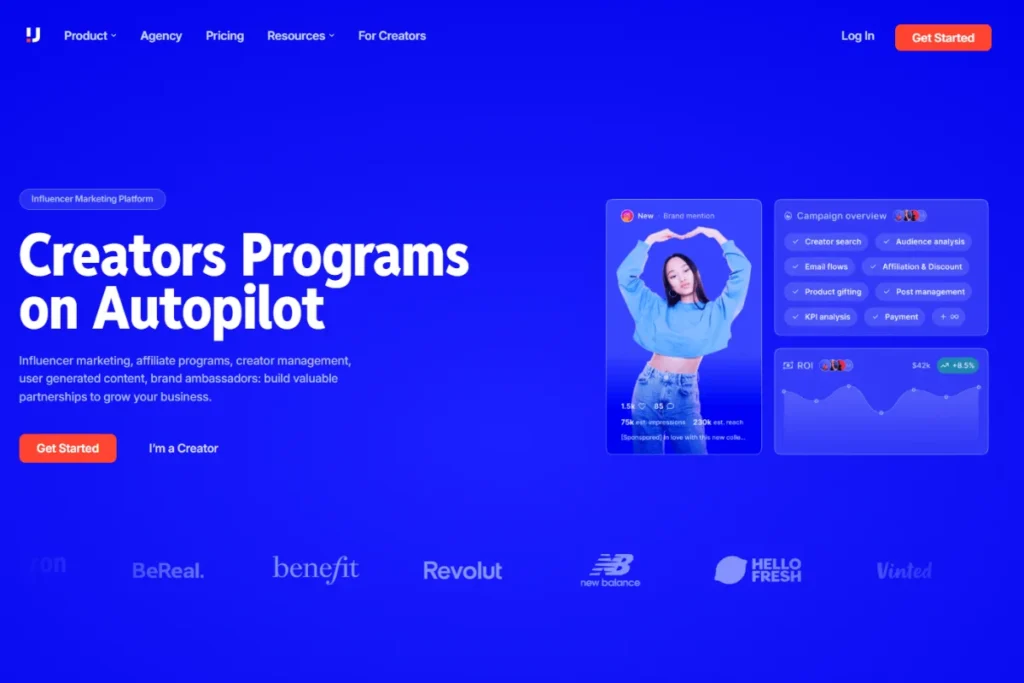
For many brands, the "all-in-one" promise of legacy platforms is being replaced by a "best-of-breed" stack. In this new environment, the chosen platform must not only track a sale but also learn from it. The most advanced tools are now utilizing AI to analyze historical campaign data and suggest "lookalike" creators who are likely to replicate previous successes.
As the creator economy continues to professionalize, the technology supporting it must balance the creative needs of the influencer with the analytical needs of the CFO. The move away from Impact.com toward more specialized alternatives is a reflection of this balancing act—a search for tools that can handle the complexity of modern commerce without sacrificing the human element of brand partnerships.
In conclusion, the right alternative depends entirely on the brand’s specific growth engine. Whether it is the global reach of Awin, the B2B focus of PartnerStack, or the creator-centric revenue tracking of Upfluence, the market now offers a diverse array of solutions designed to replace the one-size-fits-all approach of the past. As budgets for creator-affiliate programs continue to outpace traditional advertising spend, the ability to choose and implement the correct management infrastructure will remain a primary competitive advantage for digital-first brands.


 Lina Irawan

 Nana