Layla Zulfa
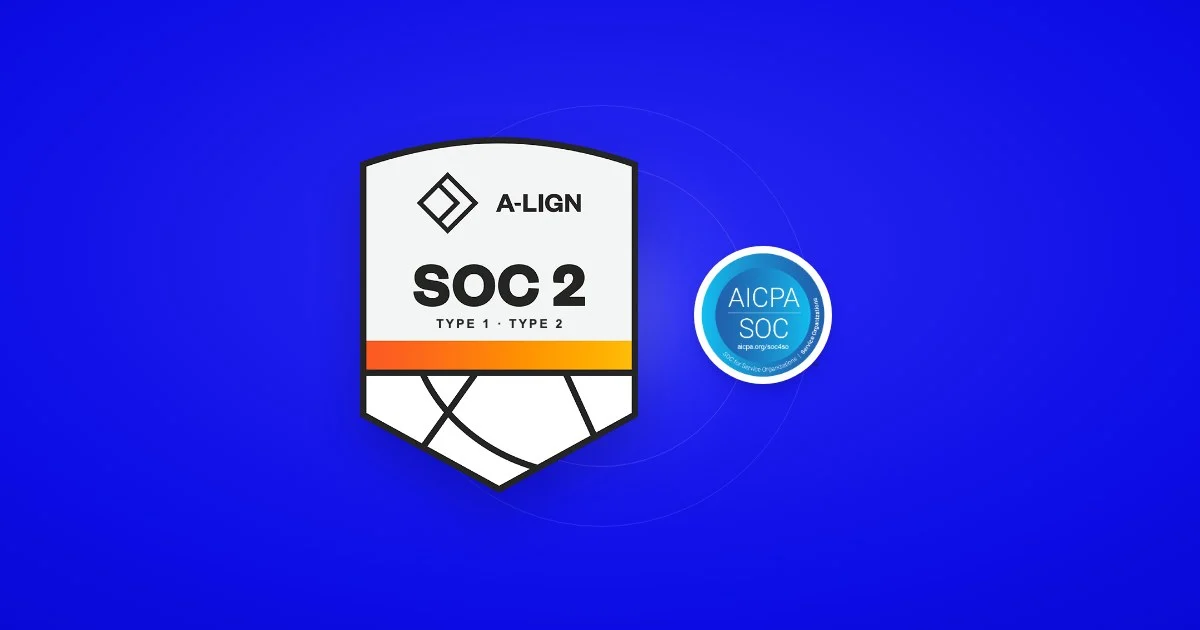
In an era where digital vulnerabilities are increasingly tied to significant financial liabilities, Upfluence, the premier agentic creator commerce platform, has officially achieved Service Organization Control (SOC) 2 Type 2 certification. This milestone, announced on November 23, 2026, comes at a critical juncture for the global technology sector. As the average cost of a data security breach in the United States has escalated to approximately $11.5 million—a 13 percent increase over the previous year—the necessity for rigorous, third-party validated security frameworks has moved from a competitive advantage to a fundamental operational requirement. By securing this certification, Upfluence reinforces its infrastructure against the sophisticated landscape of modern cyber threats while solidifying its position as a trusted partner for global brands, marketing agencies, and the creator community.
The SOC 2 Type 2 certification is widely regarded as the gold standard for data security, particularly for Software-as-a-Service (SaaS) providers that handle sensitive client information. Unlike other certifications that may only provide a cursory glance at a company’s policies, SOC 2 Type 2 involves a comprehensive and continuous evaluation of a company’s internal controls. For Upfluence, this process was overseen by A-LIGN, a leading independent cybersecurity and compliance assessor. The audit meticulously examined Upfluence’s systems across several key categories, known as Trust Services Criteria: availability, confidentiality, privacy, and processing integrity.
The Evolution of Security Standards at Upfluence
The journey to SOC 2 Type 2 compliance has been a multi-year strategic initiative for Upfluence. The company previously achieved SOC 2 Type 1 certification in June 2024. While Type 1 certification confirms that a company has designed appropriate security controls at a specific point in time, it does not account for the operational effectiveness of those controls over a sustained period. Recognizing the limitations of a "snapshot" audit, Upfluence’s leadership committed to the more demanding Type 2 process.
The Type 2 audit required A-LIGN to test Upfluence’s cybersecurity controls during normal daily operations over several months. This longitudinal approach ensures that the security measures are not just present on paper but are actively functioning and integrated into the company’s culture and technical workflows. This transition reflects a broader shift in the influencer marketing and creator commerce space, where the handling of first-party data, payment information, and proprietary brand strategies requires a level of oversight comparable to financial services or healthcare technology.
The Financial and Strategic Context of Cybersecurity
The backdrop for Upfluence’s certification is a volatile cybersecurity environment. The $11.5 million average cost of a data breach in the U.S. includes not only the immediate costs of remediation and legal fees but also the long-term impact of lost business, regulatory fines, and brand devaluation. In the influencer marketing sector, where trust is the primary currency, a single breach could jeopardize the relationships between brands and thousands of creators, effectively halting commerce.
Data from A-LIGN suggests that the business case for compliance is increasingly clear. For the average business operating in the U.S. or Europe, SOC 2 certification is estimated to unlock approximately $1.5 million in new customer revenue. This is largely due to the streamlining of the procurement process. Enterprise-level companies often have stringent "security first" procurement policies that mandate third-party audits before any new software can be integrated into their tech stack. Upfluence reports that more than half of its current enterprise prospects now explicitly require SOC 2 Type 2 compliance, a figure that has more than doubled in the last twelve months.
Leadership Perspectives on Data Stewardship
Kevin Creusy, Co-CEO of Upfluence, emphasized that the certification is a reflection of the company’s core values rather than just a technical checkbox. "Our business thrives on trust," Creusy stated. "Brands should feel secure that their data is being protected and handled with care. Securing our SOC 2 Type 2 certification provides our clients with independent, rigorous assurance that our infrastructure protects their sensitive information."
This sentiment was echoed by Paul Kahn, Upfluence’s Vice President of Sales, who highlighted the changing dynamics of the sales cycle. "Increasingly, for some deals, it’s make-or-break," Kahn noted. "Security isn’t something you can just promise a brand and they take your word for it. Platforms have to demonstrate it through how they operate. This certification holds us accountable to the standards our brand and creator partners expect and deserve."
Kahn’s observations point to a maturation of the influencer marketing industry. As the sector moves away from manual, spreadsheet-based campaigns toward automated, "agentic" commerce—where AI agents handle discovery, affiliate tracking, and payments—the complexity of the data being managed increases exponentially. This complexity necessitates a corresponding increase in security rigor.
Integration with Brand Safety and AI Initiatives
The SOC 2 Type 2 achievement is part of a broader "Brand Safety" roadmap that Upfluence has pursued throughout 2026. Earlier this year, the company launched its AI-powered Brand Safety feature, designed to mitigate the risks associated with creator partnerships. This tool uses natural language processing and computer vision to analyze a creator’s historical text and video content against specific brand-defined thresholds. It flags potential controversies, misalignments in values, or non-compliant content before a brand enters into a legal agreement.
The synergy between SOC 2 Type 2 compliance and the Brand Safety tool provides a dual layer of protection: the certification protects the integrity of the data, while the Brand Safety tool protects the integrity of the brand’s reputation. Together, these features address the two most significant risks in modern digital marketing: technical vulnerability and social misalignment.
Technical Scope and the Audit Process
The audit performed by A-LIGN was exhaustive, covering the following Trust Services Criteria:
- Security: Protecting against unauthorized access, both physical and logical. This includes firewalls, two-factor authentication, and encryption protocols.
- Availability: Ensuring that the Upfluence platform remains accessible and operational as per the Service Level Agreements (SLAs) promised to clients. This involves disaster recovery planning and incident response readiness.
- Processing Integrity: Confirming that system processing is complete, valid, accurate, timely, and authorized. For a platform that manages creator payments and affiliate tracking, this is vital to ensuring that creators are paid correctly and brands receive accurate ROI data.
- Confidentiality: Safeguarding information designated as confidential, ensuring it is only accessible to those with a legitimate "need to know."
- Privacy: Managing the collection, use, retention, disclosure, and disposal of personal information in conformity with the company’s privacy notice and the criteria set forth by the American Institute of Certified Public Accountants (AICPA).
By meeting these criteria every day for months on end, Upfluence has demonstrated that its internal controls are robust enough to withstand the pressures of high-volume data processing and the constant threat of external intrusion.
Broader Implications for the Creator Economy
The creator economy is currently undergoing a professionalization phase. As brands shift larger portions of their marketing budgets toward influencer partnerships, they are demanding the same level of transparency and security they receive from established advertising giants like Google or Meta. Upfluence’s successful audit sets a precedent for other platforms in the space. It signals that to compete for enterprise-level contracts, influencer marketing platforms must be willing to undergo the same level of scrutiny as any other mission-critical business software.
Furthermore, the integration of Upfluence with major e-commerce infrastructures like Shopify, WooCommerce, Amazon, and Klaviyo means that the platform often acts as a bridge between a brand’s store and its marketing efforts. This interconnectivity makes the platform a high-value target for bad actors, making the SOC 2 Type 2 certification not just a badge of honor, but a necessary defensive barrier for the entire e-commerce ecosystem.
Looking Ahead
As Upfluence continues to expand its "agentic" capabilities—referring to autonomous or semi-autonomous AI agents that manage complex marketing tasks—the importance of a secure foundation will only grow. The company’s commitment to continuous improvement suggests that this certification is not the end of its security journey but rather a foundational step toward future compliance milestones, such as GDPR-specific certifications and advanced ISO standards.
For the marketing industry at large, Upfluence’s achievement serves as a reminder that the digital transformation of commerce must be accompanied by a transformation in security practices. As the costs of failure continue to rise, the value of verified, consistent, and rigorous data protection becomes the ultimate differentiator in a crowded and competitive marketplace.
About Upfluence
Upfluence is an agentic creator commerce platform that enables brands and marketing agencies to run end-to-end influencer marketing campaigns. The platform’s comprehensive suite of tools covers every stage of the influencer lifecycle, including creator discovery, campaign management, affiliate tracking, and automated payments. By integrating natively with leading e-commerce infrastructure—including Shopify, WooCommerce, Amazon, and Klaviyo—Upfluence allows brands to treat influencer marketing as a performance-driven sales channel. Headquartered in New York with significant operations in Lyon, France, Upfluence serves a global clientele ranging from high-growth startups to Fortune 500 enterprises.

 rifanmuazin

 Sagoh