Siti Muinah
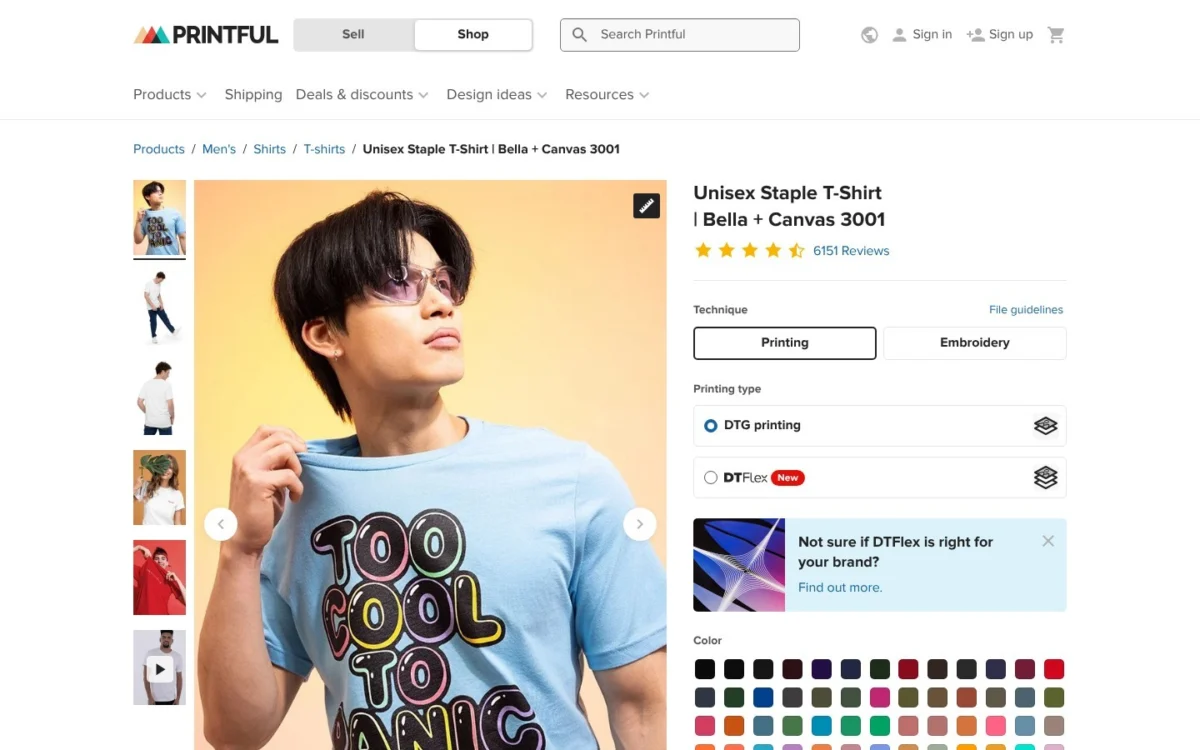
Printful has emerged as the leading choice for e-commerce sellers seeking a comprehensive and scalable print-on-demand solution, outperforming its competitor Inkedjoy in several key areas, according to a recent in-depth analysis. While both platforms offer accessible entry points for custom product businesses, Printful’s superior product specifications, extensive sales channel integrations, and robust fulfillment network position it as the preferred partner for growing apparel brands and multichannel sellers. Inkedjoy, however, remains a viable option for budget-conscious sellers, particularly those prioritizing lower base costs and simpler branding solutions.
The comparison, updated for 2026, highlights the evolving landscape of print-on-demand services. Printful, now operating under the FYUL umbrella following a merger with Printify, continues to offer distinct catalogs, dashboards, and accounts, ensuring a focused user experience. Inkedjoy, formerly known as EPROLO POD, has rebranded to provide a clearer identity for its print-on-demand offerings. This analysis delves into critical factors including pricing, product range, print quality, shipping logistics, branding capabilities, integration options, ease of use, and customer support, providing a detailed roadmap for e-commerce entrepreneurs.
Printful: The Overall Leader for Scalability and Reach
Printful secured the top spot with an overall rating of 4.6 out of 5, primarily due to its emphasis on product clarity, flexibility, and a vast integration ecosystem. While its base prices are generally higher than Inkedjoy’s, the comprehensive nature of its service, from detailed product specifications to a wider array of sales channel integrations, justifies the investment for businesses with growth ambitions. The platform’s commitment to providing named garment blanks, such as the popular Bella+Canvas 3001, offers sellers a degree of confidence in product quality and consistency, a crucial factor in brand building.
Inkedjoy: The Budget-Conscious Contender
Inkedjoy, with an overall rating of 4.0 out of 5, distinguishes itself as the best option for sellers operating on a tight budget. Its standout feature is its significantly lower base product costs, making it an attractive choice for those testing the market or launching with minimal capital. The platform’s affordable annual branding memberships also provide an accessible way for small businesses to introduce branded elements like labels and hangtags. However, the analysis notes that shipping costs can substantially offset initial savings, and the lack of detailed garment specifications may pose challenges for quality-conscious brands.
Pricing Strategies: Free Entry with Differentiated Value
Both Printful and Inkedjoy offer free plans, allowing entrepreneurs to begin their e-commerce journey without upfront subscription fees. However, the underlying value propositions and potential costs diverge.
Printful’s Pricing Structure:
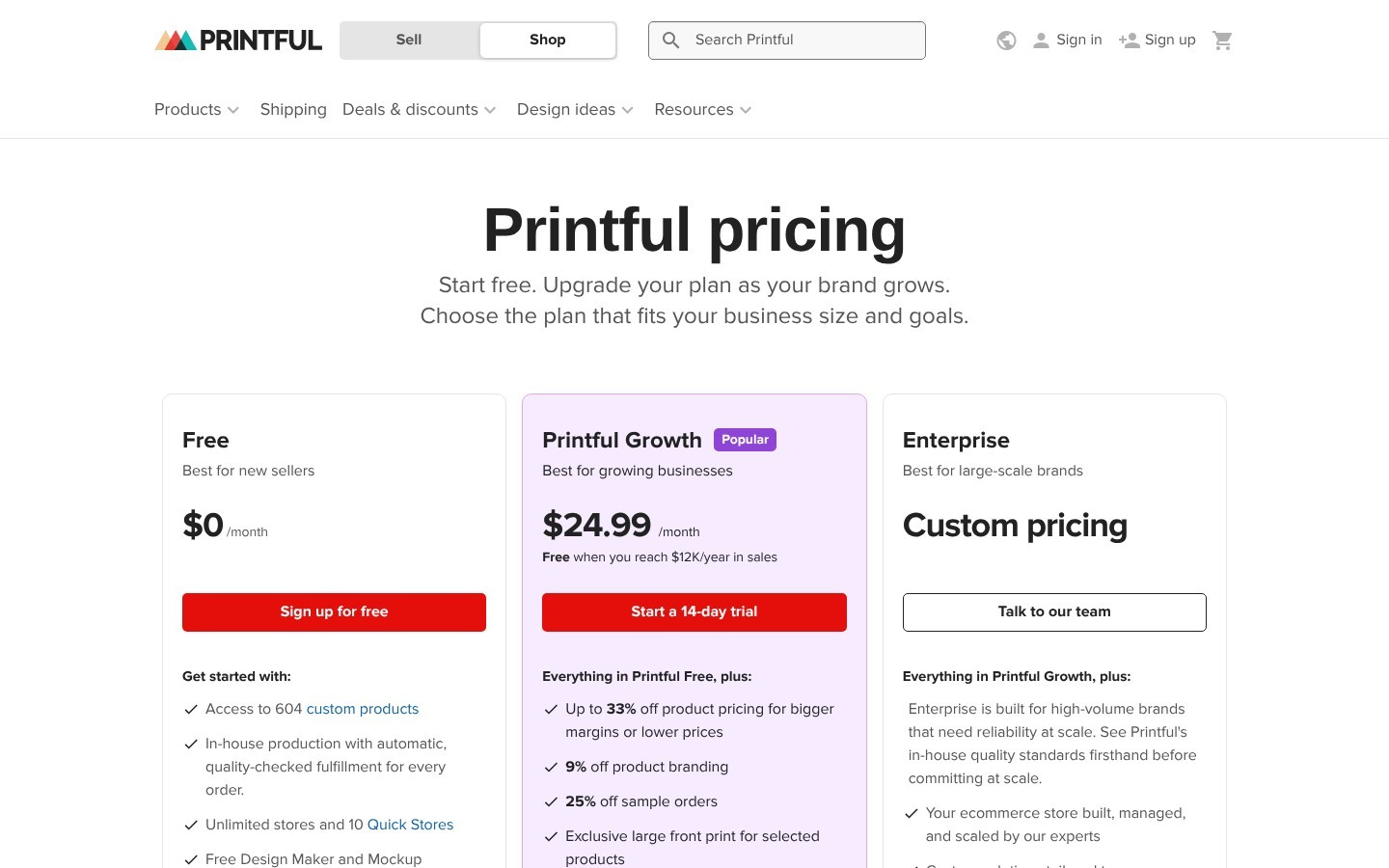
Printful’s free plan provides access to its Design Maker and Mockup Generator, essential tools for product creation. The optional "Growth" plan, priced at $24.99 per month, unlocks discounts of up to 33% on products and 25% on sample orders, along with branding benefits. This Growth plan becomes complimentary for merchants exceeding $12,000 in annual sales. For larger enterprises, custom "Enterprise" plans are available. The key takeaway is that Printful’s pricing is geared towards incentivizing higher sales volumes and rewarding established businesses.
Inkedjoy’s Pricing Structure:
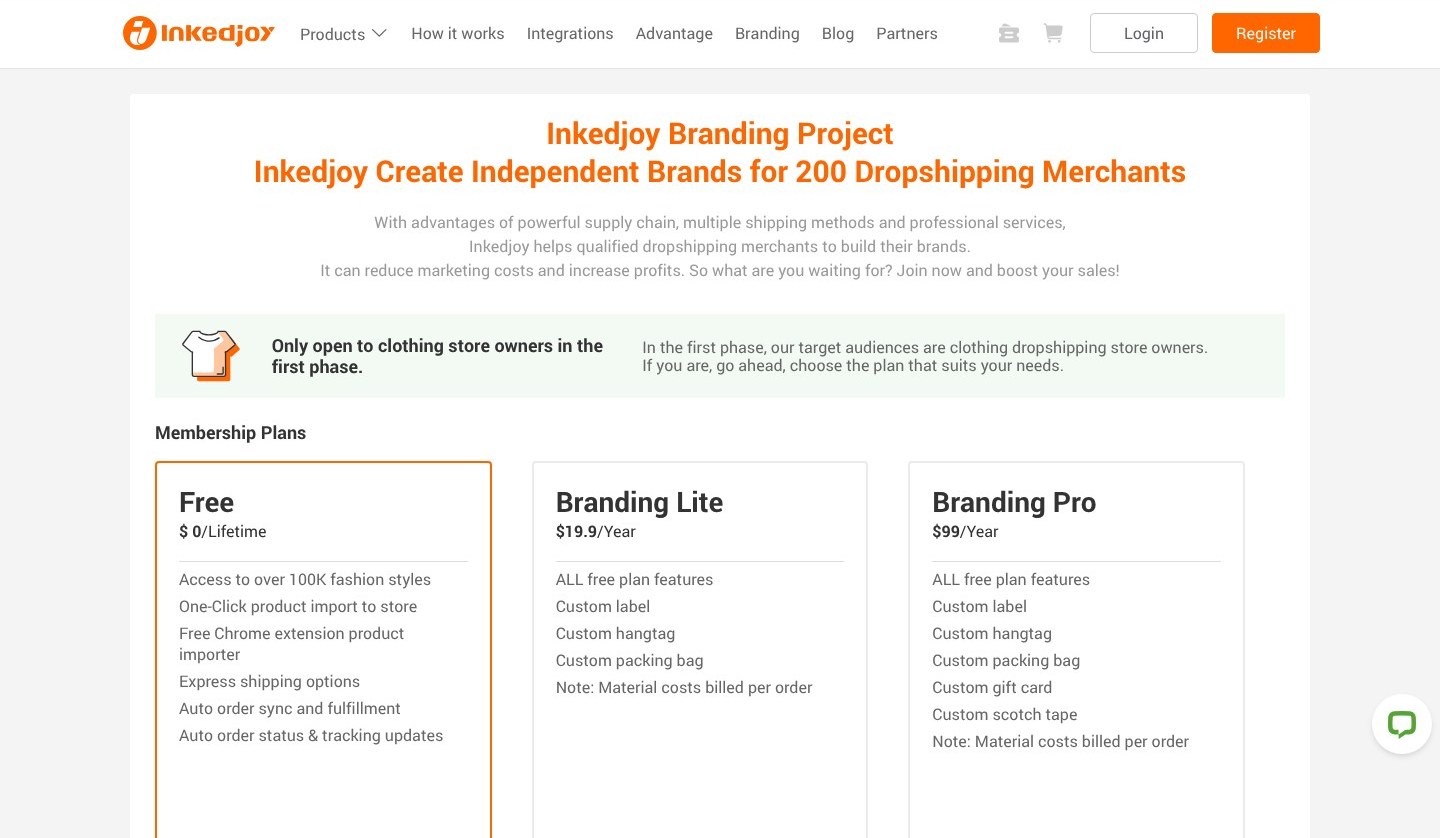
Inkedjoy’s core offering is its free app, which supports unlimited designs, bulk product creation, and automated order synchronization. For branding, Inkedjoy offers two annual membership tiers: "Branding Lite" at $19.90 per year, which includes labels and hangtags, and "Branding Pro" at $99 per year, adding gift cards and branded tape. It is crucial to note that these memberships do not include the cost of the branding materials themselves, which are billed separately per order. This structure makes branding more accessible initially but requires careful budgeting for the per-item material costs.
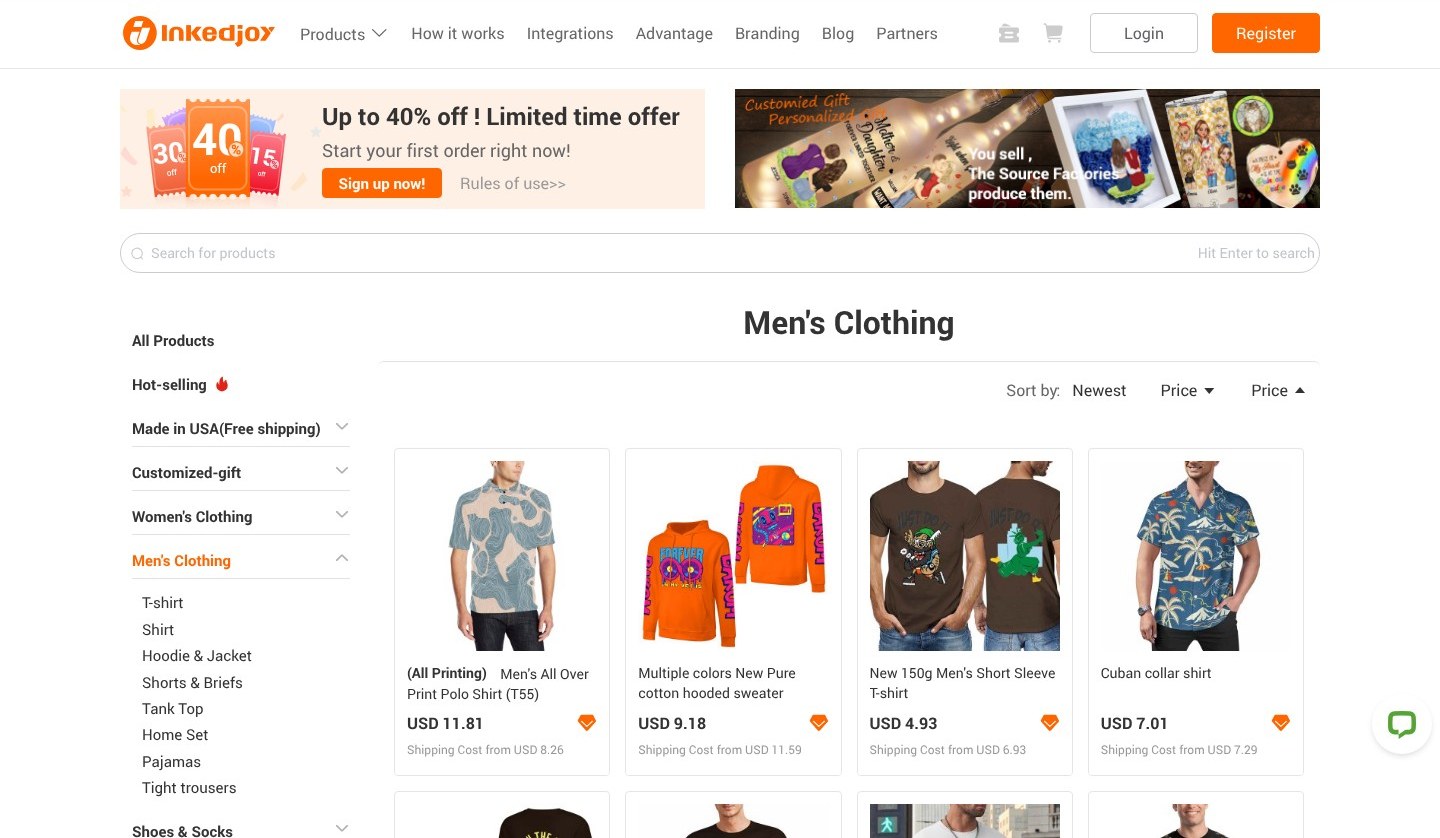
A comparative look at product costs reveals Inkedjoy’s advantage in base pricing. For instance, Inkedjoy’s men’s 150g tee starts at $4.93, while its 100% cotton tee is priced at $5.17. In contrast, Printful’s widely recognized Bella+Canvas 3001 unisex staple t-shirt begins at $11.95. When combined with shipping, Inkedjoy’s cheapest tee has a starting combined cost of $11.86, while Printful’s Bella+Canvas 3001 starts at $16.90. However, the analysis stresses that these are different garments, and direct comparisons require careful consideration of fabric composition, weight, and intended market.
Product Range and Quality: Breadth vs. Specificity
The product catalogs of Printful and Inkedjoy present a trade-off between sheer volume and detailed product information. Inkedjoy boasts an extensive catalog of over 1,500 products, significantly larger than Printful’s approximately 600 items. This breadth makes Inkedjoy an attractive option for businesses looking to diversify beyond apparel and into gifts and novelty items.
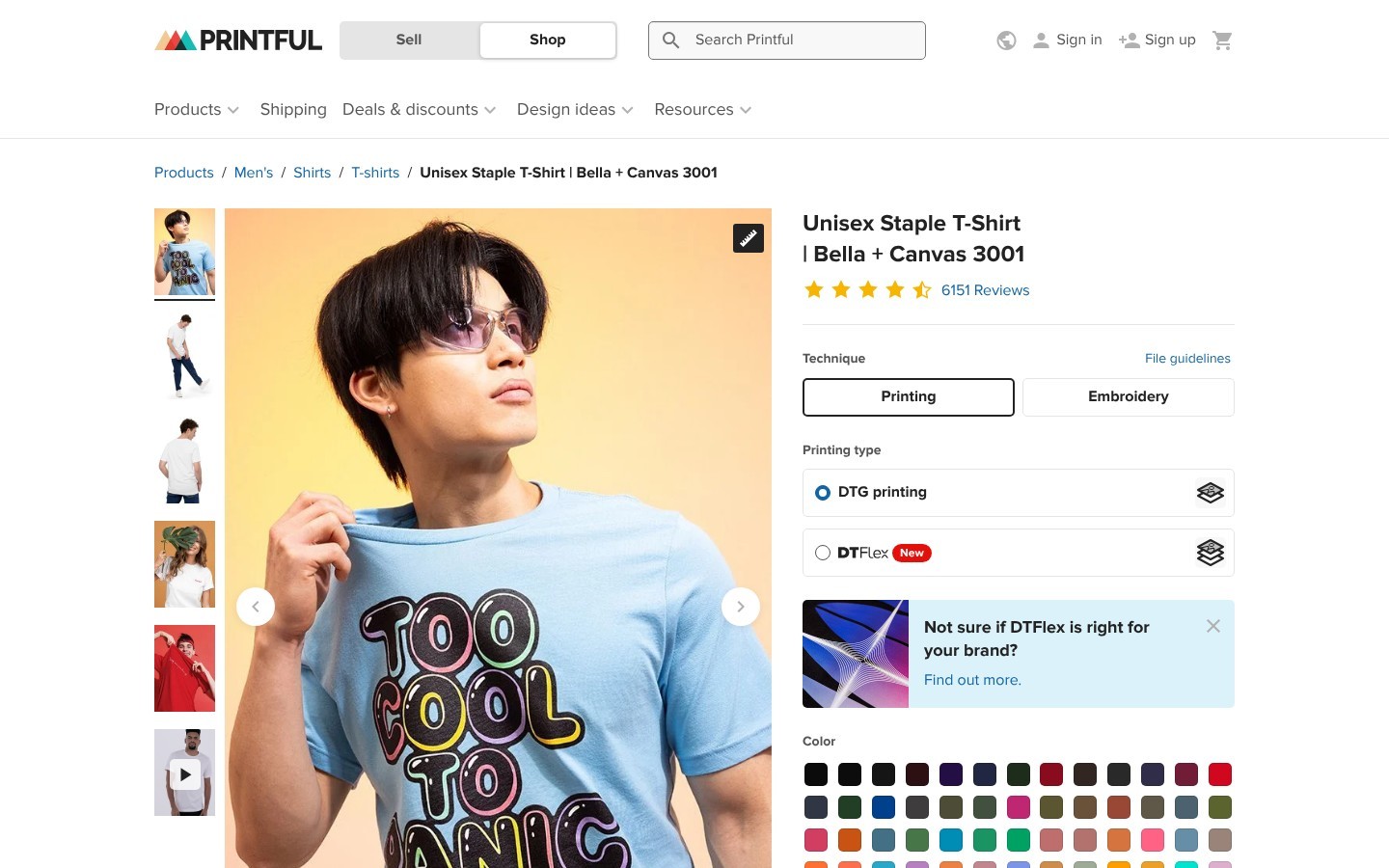
Printful, while offering a more curated selection, excels in providing detailed product specifications. The inclusion of named garment blanks, such as Bella+Canvas and Gildan, allows sellers to research and understand the fabric composition, fit, and quality of the base products. This transparency is invaluable for brands aiming for a consistent and high-quality product offering.
Print Methods and Quality Assurance:
Printful clearly defines its printing methods, including Direct-to-Garment (DTG) and DTF (Direct-to-Film), empowering sellers to choose the best technique for their designs. Inkedjoy’s descriptions are often more general, using terms like "All Printing" or "All Over Print," which can leave sellers with less certainty about the underlying technology.
Customer feedback on print quality presents a mixed picture for both platforms. While some Inkedjoy users have reported issues with fabric thinness or print alignment, others have praised the quality. This variability suggests that product performance can differ. Printful also faces occasional reports of misprints, but its advantage lies in the clearer specifications, allowing for more informed purchasing decisions and a better understanding of potential quality benchmarks. Printful’s claims process for defective items is also noted as straightforward, often not requiring physical returns.
Shipping and Fulfillment: Reach and Speed
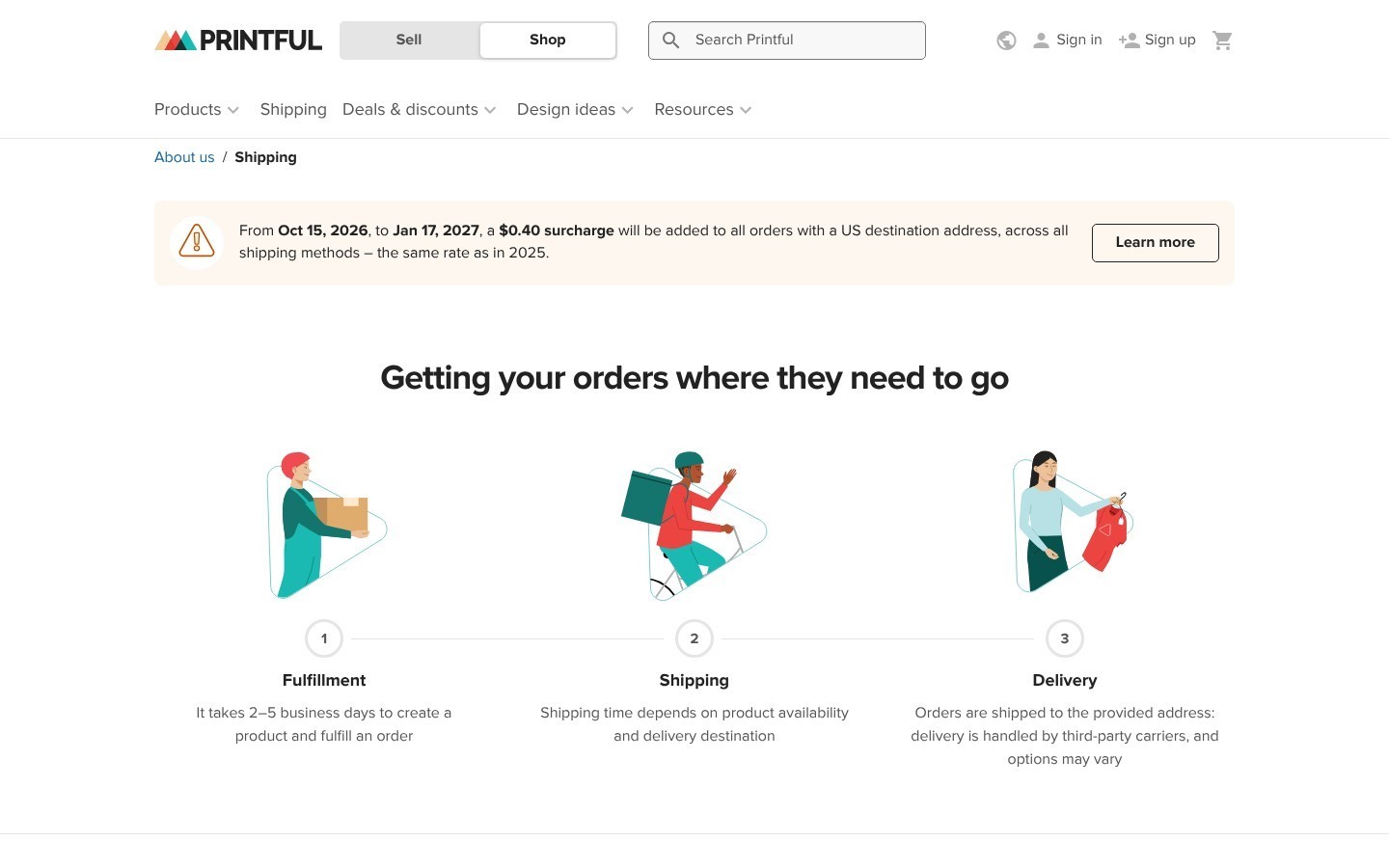
Printful’s expansive network of seven in-house facilities and numerous production partners gives it a significant edge in shipping and fulfillment, particularly for sellers targeting North America and Europe. This distributed network allows for production closer to the end customer, potentially reducing transit times and costs. Printful provides estimated production times of two to five business days, followed by shipping transit. Their transparent shipping rate structure, with distinct estimates for first and additional items, helps sellers manage expectations.
Inkedjoy utilizes warehouses in China, the United States, and Australia. While its US warehouse serves domestic orders efficiently, and its Australian facility caters to Australia and New Zealand, the lack of a dedicated EU warehouse might present challenges for sellers with a strong European customer base. Inkedjoy’s average delivery times are provided, but a separate, clearly defined production window is less prominent. The company advertises a rapid "as fast as 2 hours" production time, but this is presented as an exceptional case rather than a standard fulfillment promise, and some customer reports indicate potential delays during peak seasons.
A notable aspect of Printful’s shipping strategy is the implementation of a $0.40 per-order surcharge for US destinations during the holiday season (October 15, 2026, to January 17, 2027), a common practice in the industry to manage increased demand and operational costs.
Branding Capabilities: Cost-Effective Solutions
Inkedjoy stands out for its affordable annual branding memberships, offering a low-cost entry point for businesses wanting to enhance their brand presence. The "Branding Lite" and "Branding Pro" tiers provide options for custom labels, hangtags, and packaging materials. This bundled approach can be particularly appealing for startups looking to establish a cohesive brand identity without significant upfront investment. However, as mentioned, the cost of the actual branding materials is additional and needs to be factored into the per-order cost.
Printful’s branding options are generally priced on a per-item basis. Inside and outside labels are available for a set fee per item, with prices ranging from $0.99 to $2.49. Embroidery digitization also incurs a one-time fee per design. While this pay-per-use model might seem more expensive for businesses requiring extensive branding, it offers clarity and predictability in costs, especially for those who only need basic labeling. Printful’s Growth plan also offers discounts on branding elements for qualifying merchants.
Sales Channel Integrations: Expanding Your Reach
Printful’s extensive integration network is a significant advantage for e-commerce sellers looking to diversify their sales channels. With support for over 20 platforms, including major players like Shopify, Etsy, WooCommerce, Wix, Squarespace, Amazon, eBay, and TikTok Shop, Printful provides unparalleled flexibility for multichannel selling. This broad compatibility makes it an ideal choice for businesses aiming to establish a presence across various online marketplaces and storefronts.
Inkedjoy currently supports Shopify, Etsy, and WooCommerce, offering essential integrations for many sellers. While sufficient for those focusing on these core platforms, it lacks the extensive reach of Printful for sellers targeting Amazon, eBay, or other niche marketplaces.
Ease of Use and Design Tools: Polished Interfaces
Printful is recognized for its user-friendly interface and well-developed design tools. The free Design Maker and Mockup Generator are integrated into the platform, allowing users to create and visualize their designs without additional software. These tools are generally praised for their intuitive nature, although some users have reported occasional issues with image syncing or work loss within the editor. The inclusion of named products further simplifies the design and ordering process.
Inkedjoy also offers robust design and preview tools, including valuable bulk design capabilities for creating larger product collections efficiently. Its free tools provide unlimited designs and automated order syncing. However, some users have noted limitations in its design elements and font selection compared to external tools like Canva, and occasional discrepancies between mockups and final products have been reported.
Customer Support: Accessibility and Responsiveness
Printful offers 24/7 customer support, accessible via a chatbot that can escalate to human agents. This round-the-clock availability provides a valuable resource for sellers managing businesses across different time zones. Their help center is comprehensive, offering a wide range of articles and FAQs.
Inkedjoy provides customer support through written communication channels and assigns account representatives. While these representatives may offer personalized assistance, the absence of published support hours means immediate assistance might not always be available. Customer reviews indicate that while Inkedjoy’s support can be helpful, Printful’s broader accessibility through chat is a key differentiator.
Conclusion: Printful Leads for Growth, Inkedjoy for Budget Startups
In the Printful vs. Inkedjoy comparison, Printful emerges as the superior choice for businesses focused on growth, scalability, and multichannel selling, securing victory in five out of eight evaluated categories. Its strengths lie in clear product specifications, a robust fulfillment network, and extensive integration options. While its base prices are higher, the overall value proposition for expanding businesses is undeniable.
Inkedjoy remains a compelling option for budget-conscious entrepreneurs, particularly those operating on platforms like Shopify or Etsy and prioritizing lower initial product costs and accessible branding solutions. Its extensive product catalog, especially for gifts and novelty items, also offers diversification opportunities.
Ultimately, the decision between Printful and Inkedjoy hinges on an individual business’s specific needs, financial capacity, and growth trajectory. For sellers aiming to build a premium apparel brand with a wide market reach, Printful is the recommended partner. For those launching with limited capital or focusing on niche markets with cost-sensitive customers, Inkedjoy presents a viable and affordable alternative. Thoroughly testing samples from both providers and carefully analyzing delivered costs, including shipping and any additional fees, is crucial before committing to a primary supplier.

 Iffa Jayyana
 Suro Senen