Raul Delapena Setiawan

The contemporary commercial environment has undergone a fundamental transformation, shifting from fragmented promotional tactics toward a unified methodology known as holistic marketing, a strategy that aligns all facets of a business to deliver a singular, consistent brand message. In an era where consumer touchpoints are more numerous and diverse than ever before, the necessity for a cohesive narrative has become the cornerstone of sustainable growth. This approach dictates that every department—from sales and marketing to operations and human resources—must function in harmony to refine the buyer journey and solidify brand identity. Unlike traditional frameworks where channels operate in silos, holistic marketing recognizes that a customer’s perception of a brand is the sum of every interaction they have, whether it is through a social media advertisement, a customer service call, or an affiliate partner’s recommendation.
The Core Dimensions of the Holistic Marketing Framework
To understand the mechanics of this approach, one must examine the four primary dimensions that constitute a holistic strategy: internal marketing, relationship marketing, societal marketing, and integrated marketing. Each dimension serves a specific purpose in ensuring the organization speaks with one voice while pursuing multifaceted business objectives.
Internal marketing is perhaps the most overlooked yet critical component. It treats employees and service providers as internal customers who must be fully engaged with the company’s vision and values. When a team understands and believes in the product they represent, their performance improves naturally. This is particularly relevant for affiliate program management, where the managers must effectively "sell" the brand’s value proposition to potential partners before those partners can effectively sell to the public.
Relationship marketing shifts the focus from transactional gains to long-term loyalty. The objective is to increase the lifetime value of a customer by fostering a deep connection that transcends a single purchase. This dimension extends beyond the end-user to include business partners, suppliers, and affiliates. By maintaining transparent and mutually beneficial relationships with these stakeholders, a company builds a support network that provides stability during market fluctuations.
Societal marketing introduces an ethical layer to the business model. In the modern market, consumers increasingly align their spending with their personal values. Companies that prioritize social responsibility—such as environmental sustainability, community support, or ethical labor practices—often see a significant boost in brand reputation. These initiatives also provide rich content for PR and social media teams, creating a positive feedback loop that enhances brand awareness and trust.
A Chronological Shift: From Product-Centric to Holistic Systems
The evolution of marketing theory provides context for why the holistic approach has become the gold standard. In the mid-20th century, marketing was primarily product-centric, focused on the "4 Ps" (Product, Price, Place, Promotion). As competition intensified in the 1980s and 1990s, the focus shifted toward customer relationship management (CRM). However, the digital revolution of the early 2000s created a new problem: channel fragmentation. Companies found themselves managing disparate teams for SEO, email, social media, and affiliate marketing, often with conflicting goals and messaging.
The transition to holistic marketing, which gained significant academic and practical traction over the last decade, was a direct response to this fragmentation. By 2020, data indicated that brands with high levels of consistency across all platforms saw revenue increases of up to 33%. This historical progression demonstrates that holistic marketing is not a fleeting trend but a necessary adaptation to a complex, multi-channel digital economy.

Strategic Integration of Affiliate Marketing Programs
Affiliate marketing, once viewed as a secondary or "fringe" sales channel, is now a vital component of the holistic mix. When integrated correctly, an affiliate program functions as an extension of the brand’s internal sales force. However, for this to be effective, the affiliate strategy must be synchronized with the broader corporate message.
A holistic approach ensures that affiliates are equipped with the same high-quality creatives, brand guidelines, and value propositions used by the internal marketing team. This prevents "brand dilution," which occurs when external partners promote a product using outdated logos or conflicting messaging. Furthermore, a customer-centric holistic strategy benefits affiliates by improving the conversion rates of the traffic they refer. When an affiliate sends a lead to a landing page that offers a seamless, professional, and trustworthy experience, the likelihood of a sale increases, thereby benefiting both the brand and the partner.
Industry data suggests that the most successful affiliate programs are those where the brand provides comprehensive "partner enablement." This includes sharing audience insights and data-driven personas with affiliates so they can target their content more effectively. By treating affiliates as part of the holistic ecosystem, companies can transform their affiliate programs into their most profitable and reliable growth engines.
Data-Driven Decision Making and Operational Efficiency
One of the most tangible benefits of the holistic model is the optimization of resources. In a siloed organization, different departments often pay for the same data or target the same keywords in isolation, leading to redundant spending. Holistic marketing encourages a centralized data strategy where insights from one channel—such as customer feedback from social media—inform product development and affiliate recruitment.
By leveraging advanced analytics, businesses can track the customer journey across multiple touchpoints. This "attribution modeling" allows marketers to see how an initial affiliate interaction might lead to a newsletter sign-up and, eventually, a direct purchase. Understanding these interconnected paths enables more informed budget allocation and more efficient marketing campaigns.
Moreover, brand consistency acts as a psychological anchor for the consumer. When a buyer sees the same visual identity and hears the same brand promise across various platforms, it reduces cognitive dissonance and builds "brand equity." This equity makes future marketing efforts more cost-effective, as the brand no longer has to work as hard to establish trust with each new campaign.
Case Study in Excellence: The Apple Model
Apple Inc. serves as the premier global example of holistic marketing implementation. The company’s success is not merely the result of innovative hardware but of a meticulously coordinated brand experience. Apple’s internal marketing ensures that every retail employee is an expert advocate for the brand’s "Think Different" philosophy.
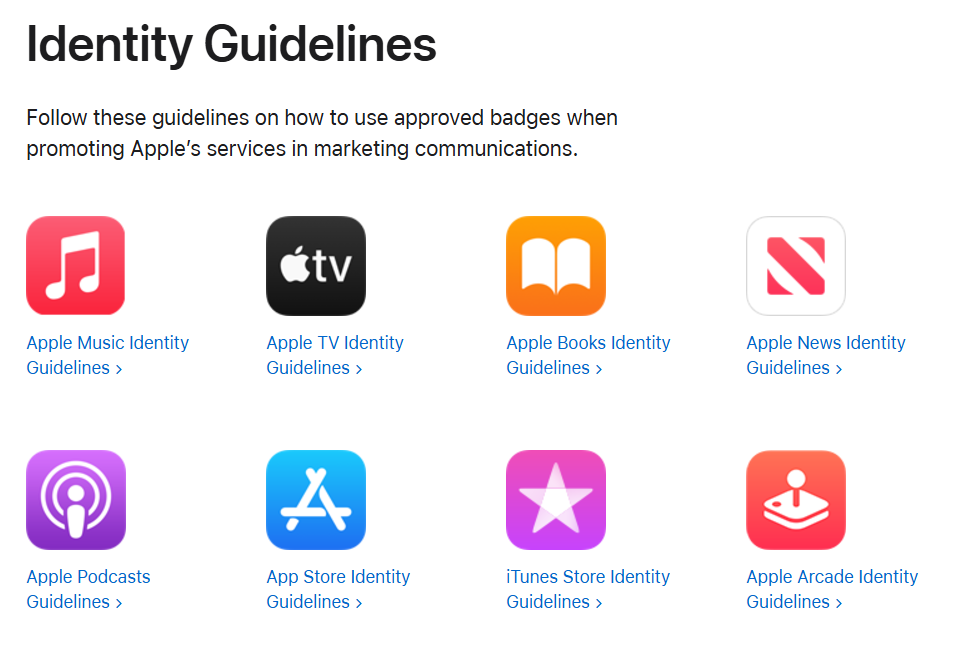
Apple’s integrated marketing mix is visible in the seamless transition between their devices, software, and services. Their affiliate initiative, the Apple Services Performance Partners Program, is a testament to their holistic approach. Apple provides its partners with strict guidelines and sophisticated tools to ensure that any promotion of Apple Music or Apple TV+ aligns perfectly with the premium brand image established by their primary advertising.
Furthermore, Apple’s commitment to societal marketing is woven into their core operations. Their public-facing reports on privacy, environmental sustainability, and supplier responsibility are not just PR exercises; they are integrated into their product marketing. When Apple announces a new initiative, such as using 100% recycled cobalt in batteries, it is communicated through their website, their affiliate networks, and their retail stores simultaneously, reinforcing a unified image of corporate responsibility.
Broader Implications and the Future of Marketing Integration
As we look toward the future, the role of technology in holistic marketing will only expand. Artificial Intelligence (AI) and Machine Learning (ML) are already being used to create more personalized customer journeys while maintaining brand consistency at scale. These technologies allow brands to analyze vast amounts of data to ensure that the message delivered to a customer in Tokyo is as relevant and brand-aligned as the one delivered in New York.
The rise of Environmental, Social, and Governance (ESG) criteria among investors also highlights the importance of the societal dimension of holistic marketing. Companies are no longer judged solely on their financial performance but on their impact on the world. A holistic strategy ensures that these values are not just "bolted on" to the marketing plan but are fundamental to the business’s identity.
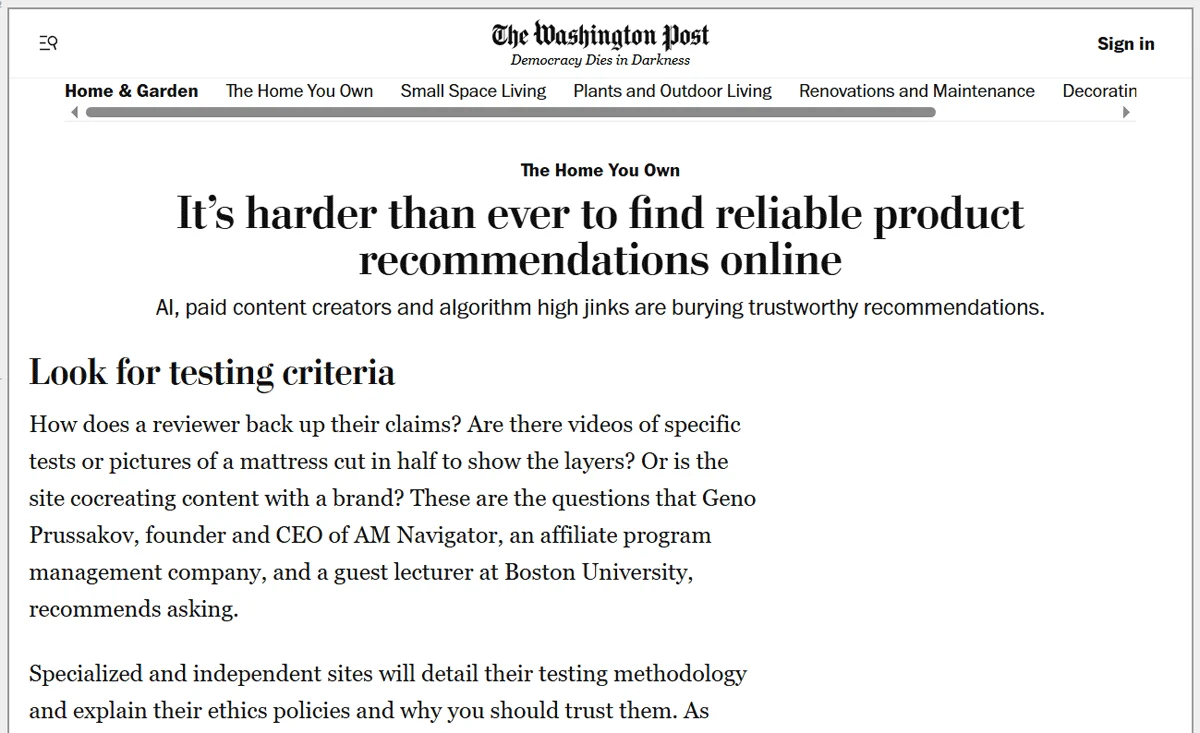
For the affiliate marketing sector, the future lies in "quality over quantity." As consumers become more sophisticated, they will increasingly rely on trusted influencers and niche content creators who provide authentic recommendations. Brands that embrace a holistic approach will be better positioned to attract these high-quality partners, as these creators prefer to work with brands that have a clear mission and a reliable, consistent presence.
Conclusion: The Path to Market Prosperity
The implementation of a holistic marketing strategy is a complex undertaking that requires a fundamental shift in corporate culture. It demands open lines of communication between departments that have historically operated independently. However, the rewards—increased efficiency, higher customer loyalty, and sustainable growth—far outweigh the initial challenges of restructuring.
In an increasingly competitive global marketplace, the ability to present a unified front is a significant competitive advantage. By aligning internal culture, relationship management, societal impact, and integrated communications, businesses can create a resilient brand that resonates deeply with consumers and partners alike. Holistic marketing is more than just a management theory; it is a comprehensive blueprint for survival and success in the modern digital age. Companies that fail to adopt this integrated view risk becoming obsolete, while those that embrace it will define the future of global commerce.


 Neng Nana
 Iffa Jayyana