Basiran
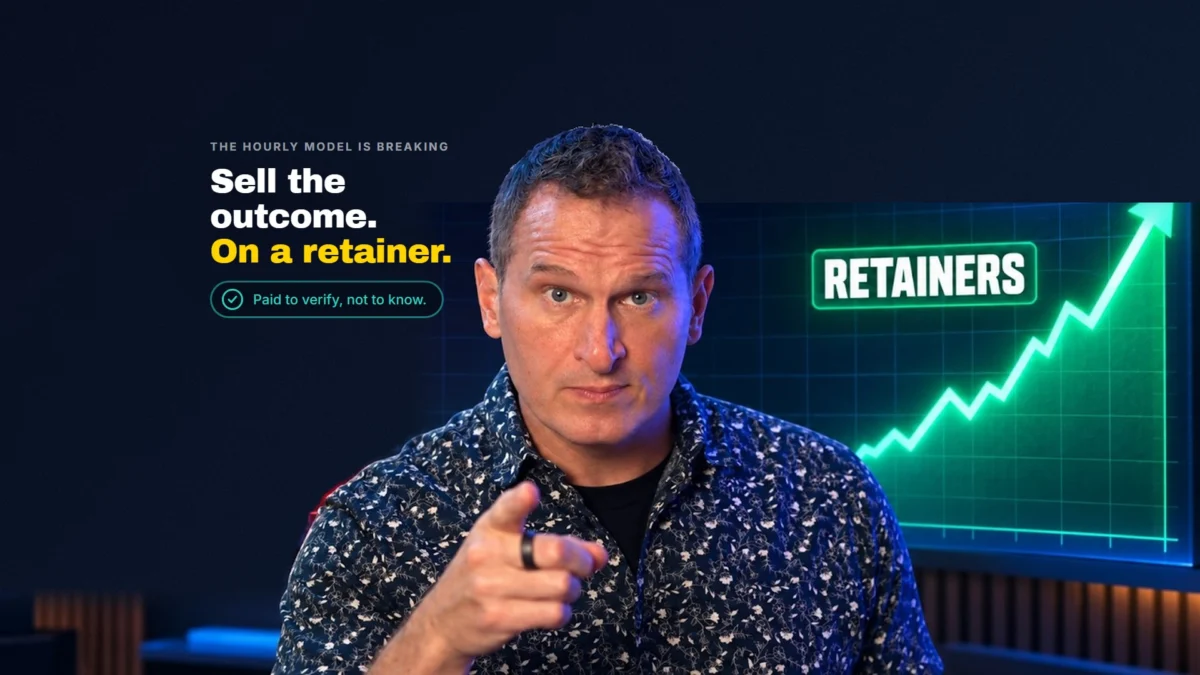
The traditional foundations of the knowledge economy are undergoing a fundamental structural transformation as artificial intelligence (AI) accelerates the compression of labor hours. For decades, professional service providers—including consultants, marketers, and developers—have relied on an hourly billing model that equates time spent with value delivered. However, the rapid integration of generative AI and automation tools has created a paradox: professionals are producing higher-quality work at unprecedented speeds, yet this efficiency is destabilizing the very revenue models upon which their businesses were built. As the time required to complete complex deliverables shrinks from weeks to hours, the market is shifting its demand from raw labor to strategic oversight and accountability.

The Erosion of the Hourly Billing Model
The current disruption in the professional services sector is characterized by a significant "efficiency trap." When a task that previously took ten hours to complete is reduced to ninety minutes through AI augmentation, a business billing by the hour faces an immediate 85% reduction in revenue for that specific deliverable. While the output remains the same—or often improves in quality—the traditional pricing mechanism fails to capture the value of the outcome.
Industry analysts observe that clients are increasingly aware of these productivity gains. As AI tools become more ubiquitous, the willingness of the market to pay for "effort" is evaporating. Instead, the premium is shifting toward speed, accuracy, and the ability to navigate the complex landscape of emerging technologies. This shift necessitates a move away from project-based hourly work and toward a retained consultancy model centered on ongoing accountability and the implementation of AI-driven systems.
Historical Context: From Agriculture to Information
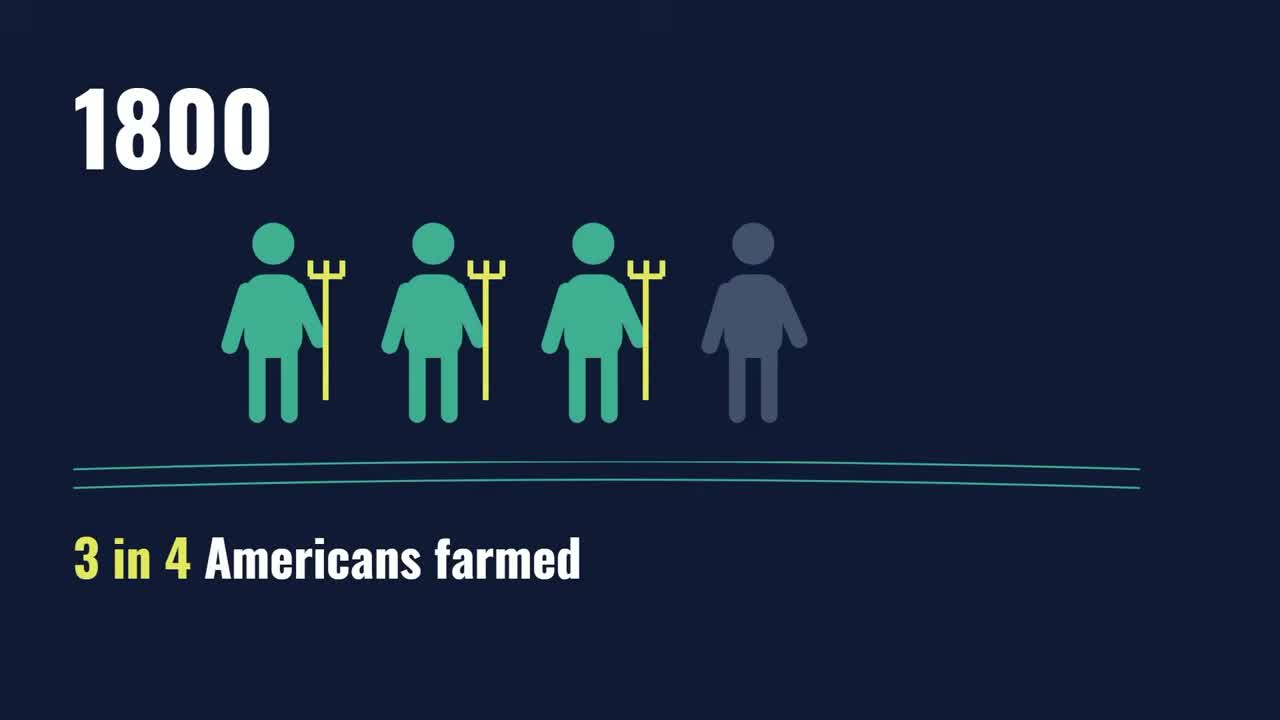
The current transformation of the information economy follows a historical pattern established during previous industrial revolutions. In the early 19th century, approximately 75% of the American workforce was employed in agriculture. Following the introduction of mechanized farming and industrial fertilizers, that figure has plummeted to less than 1% today, even as food production has reached record highs.
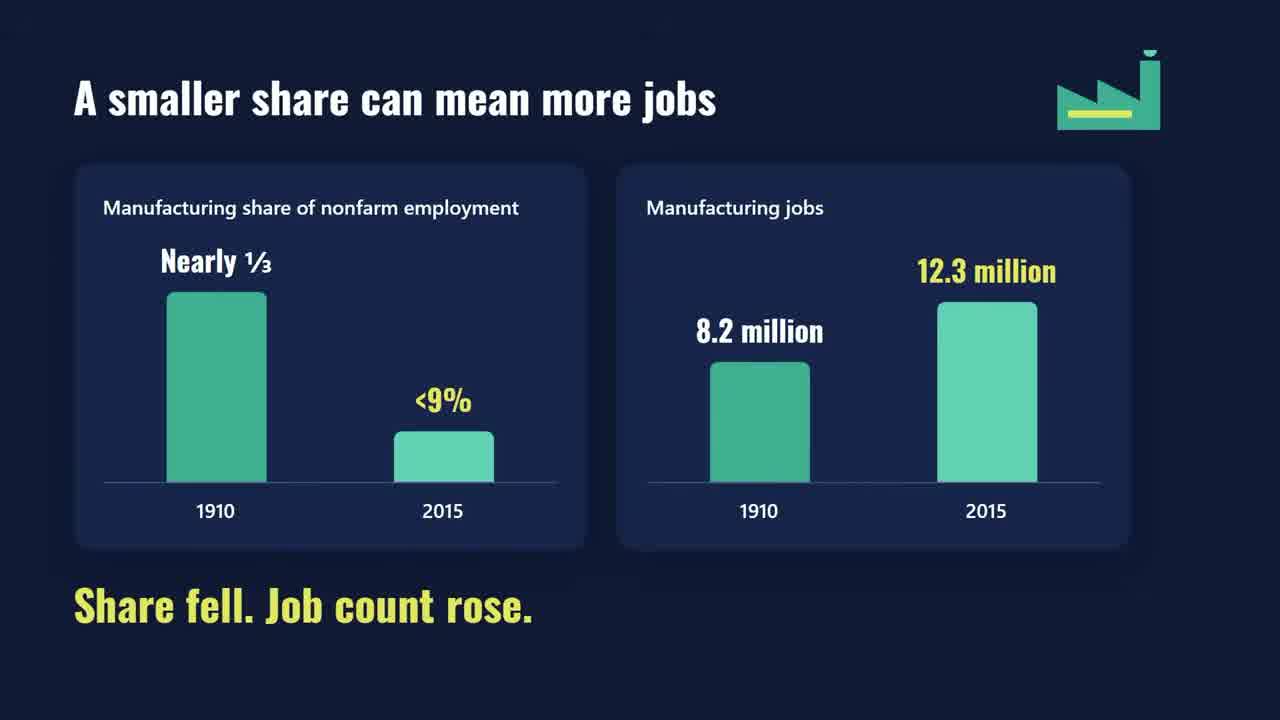
A similar trajectory occurred in the manufacturing sector. In 1910, nearly one-third of non-farm workers in the United States were employed in manufacturing. By 2015, that share had fallen to under 9%, despite the fact that the total number of manufacturing jobs grew from 8.2 million to 12.3 million over the same period. The difference in the current "Information Revolution" is the velocity of change. While agricultural and manufacturing shifts occurred over generations and decades, the AI-driven transformation of knowledge work is manifesting within a window of just a few years.
In the previous information economy, professionals were primarily compensated for their specialized knowledge—the ability to "know things." In the emerging AI economy, knowledge is becoming a commodity. Consequently, the value proposition is shifting toward the ability to verify AI-generated results, integrate disparate systems, and maintain strategic oversight of automated workflows.
The AI Adoption Gap: An Arbitrage Opportunity
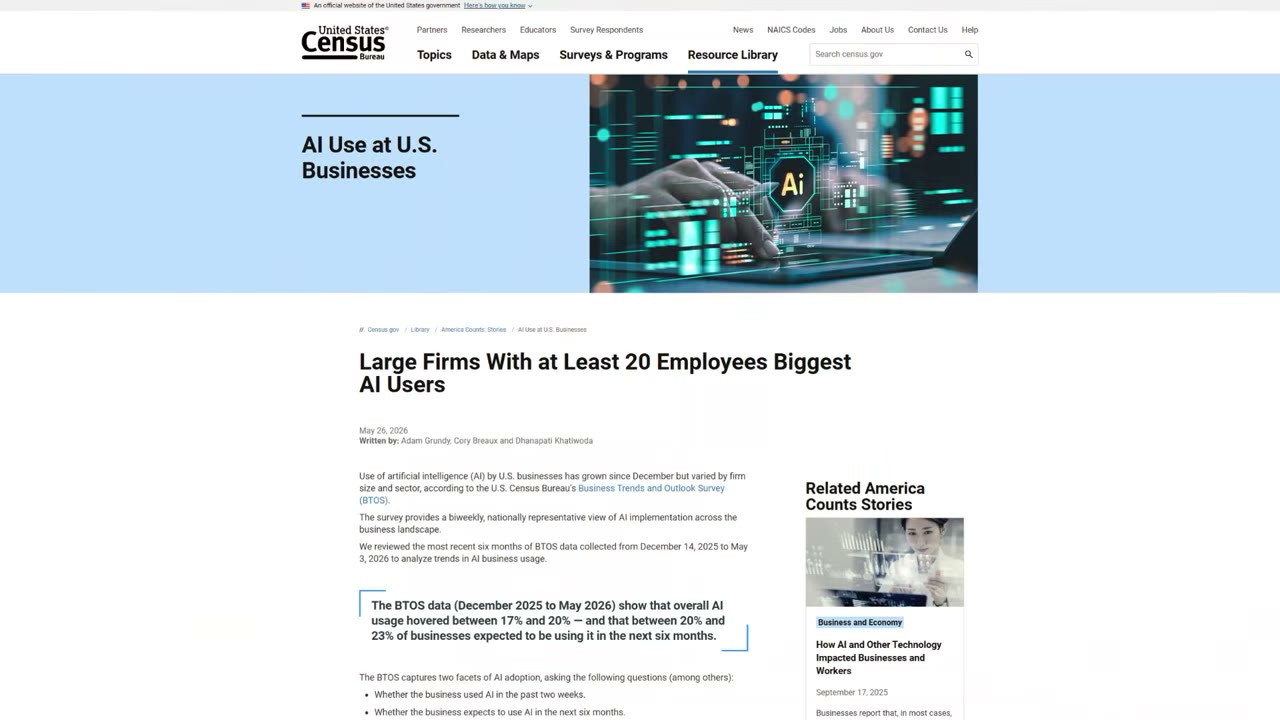
Data from the U.S. Census Bureau highlights a widening divide in AI adoption across the corporate landscape. Currently, approximately 37% of firms with 250 or more employees have integrated AI into their operations. In contrast, fewer than 20% of small businesses with four or fewer employees have adopted these technologies.

This discrepancy creates a significant "arbitrage window" for independent consultants and small agencies. While large enterprises have the capital to hire internal AI research teams, small to mid-sized businesses (SMBs) often lack the technical literacy to bridge the gap between AI headlines and practical business applications. For a professional who has spent the last year experimenting with Large Language Models (LLMs), automation platforms, and API integrations, this gap represents a high-value market. The "arbitrage" lies in the fact that the tools and workflows that have become second nature to tech-forward professionals remain entirely foreign to the average business owner.
Defining the New Roles: AI Consultant vs. Fractional AI Officer
To capitalize on this shift, professionals are repositioning themselves using two distinct but related titles: the AI Consultant and the Fractional AI Officer.
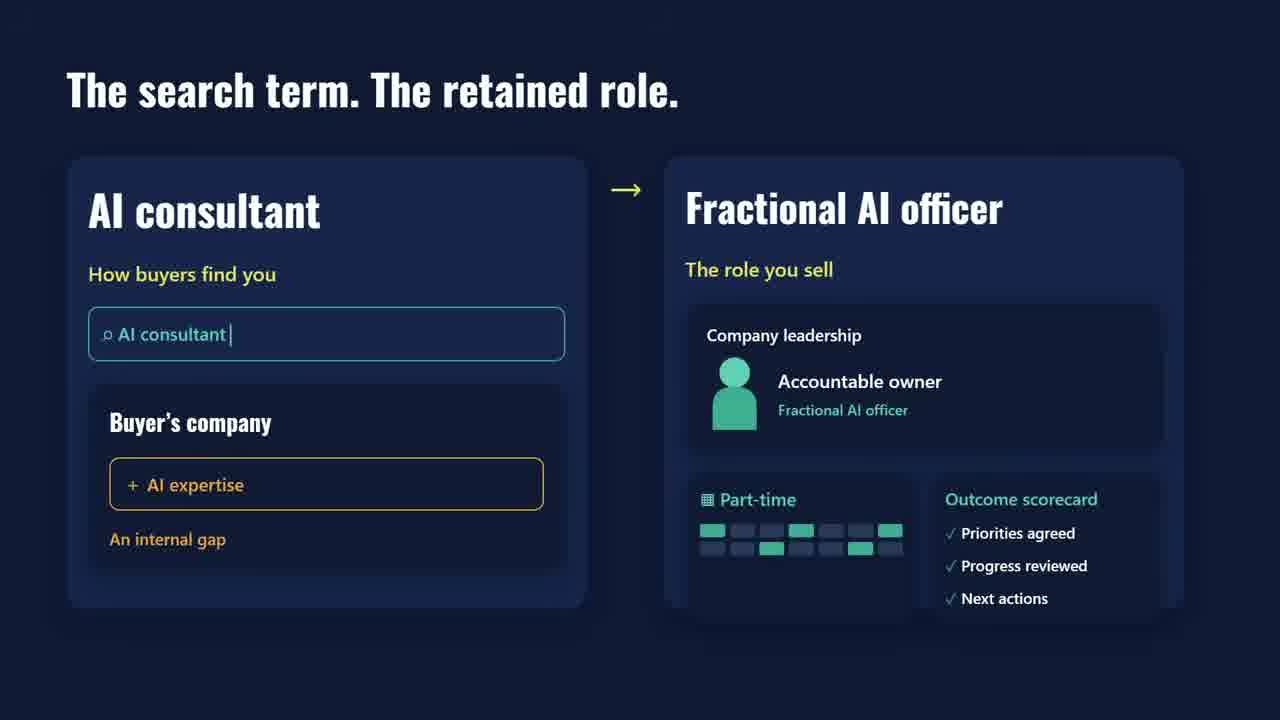
The term "AI Consultant" serves primarily as a search-optimized gateway. It is the language clients use when they recognize they have a technological deficit but lack a specific roadmap for improvement. Buyers seeking an AI consultant are generally looking for someone to provide immediate expertise on which tools to use, how to secure their data, and how to train their staff.
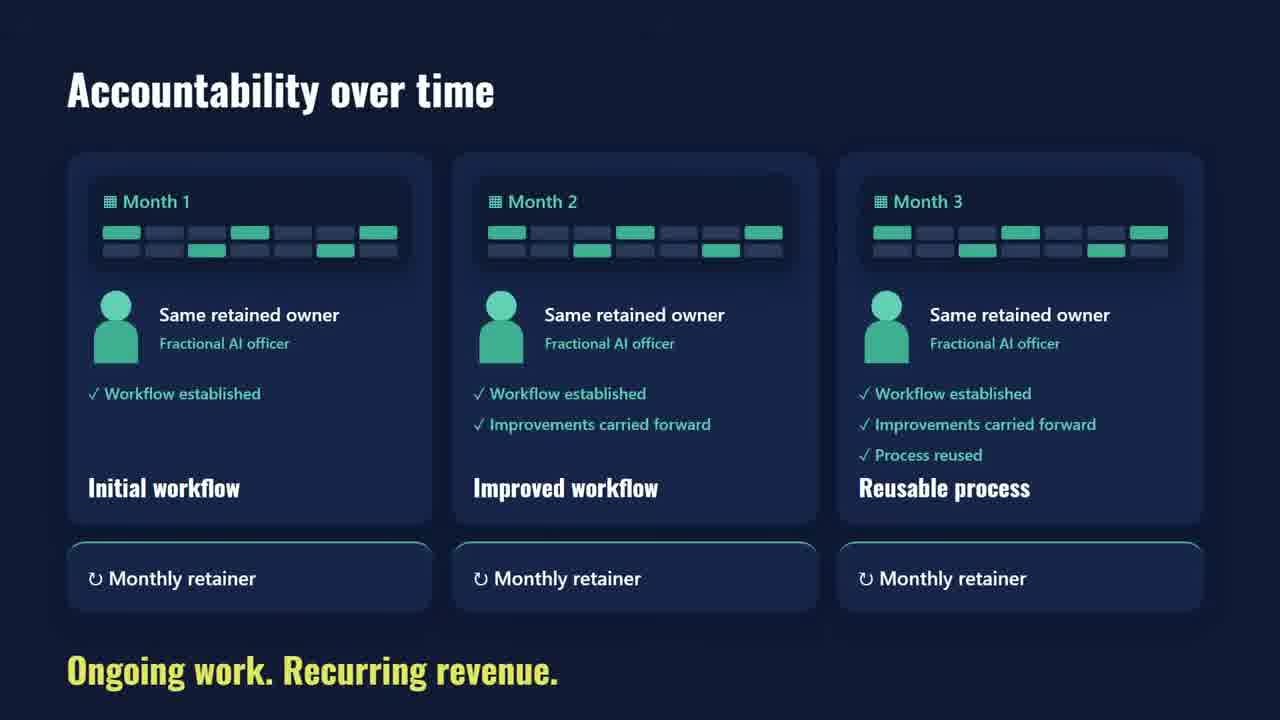
The "Fractional AI Officer" (FAO) represents the structural evolution of this role into a retained partnership. Unlike a consultant who may be hired for a one-off project, a Fractional AI Officer is a part-time executive integrated into the client’s leadership structure. This role is built on a retainer model, providing the client with ongoing accountability. The FAO is responsible for ensuring the company remains competitive as AI capabilities evolve, managing the risks of technological obsolescence, and continuously optimizing internal workflows.
Case Studies in AI Implementation
The transition to an AI-focused consultancy is often most successful when applied to existing domains of expertise. Professionals are moving beyond general advice to implement specific, high-impact systems. Examples of these high-value implementations include:
- Automated CRM Ecosystems: Traditional Customer Relationship Management (CRM) systems often suffer from poor data entry and underutilization. AI consultants are now building "intelligent" CRMs that use automated agents to scrape lead data, draft personalized follow-up emails, and update pipeline stages without manual intervention.
- Enterprise Data Dashboards: By leveraging AI-powered data analysis tools, consultants can provide clients with real-time visibility into their operations. These dashboards can synthesize data from multiple sources—marketing, sales, and fulfillment—to provide executive-level insights that were previously too expensive or time-consuming to generate.
- Custom API Integrations: Many businesses operate on "siloed" software. The modern AI consultant acts as a bridge, using tools like Zapier, Make, or custom Python scripts to allow different platforms to communicate, effectively creating a "business operating system" that functions autonomously.
- Internal Knowledge Bases: Consultants are increasingly building custom "GPTs" or Retrieval-Augmented Generation (RAG) systems that allow employees to query a company’s internal documentation, past projects, and SOPs using natural language, drastically reducing onboarding and training time.
Market Reactions and Economic Implications
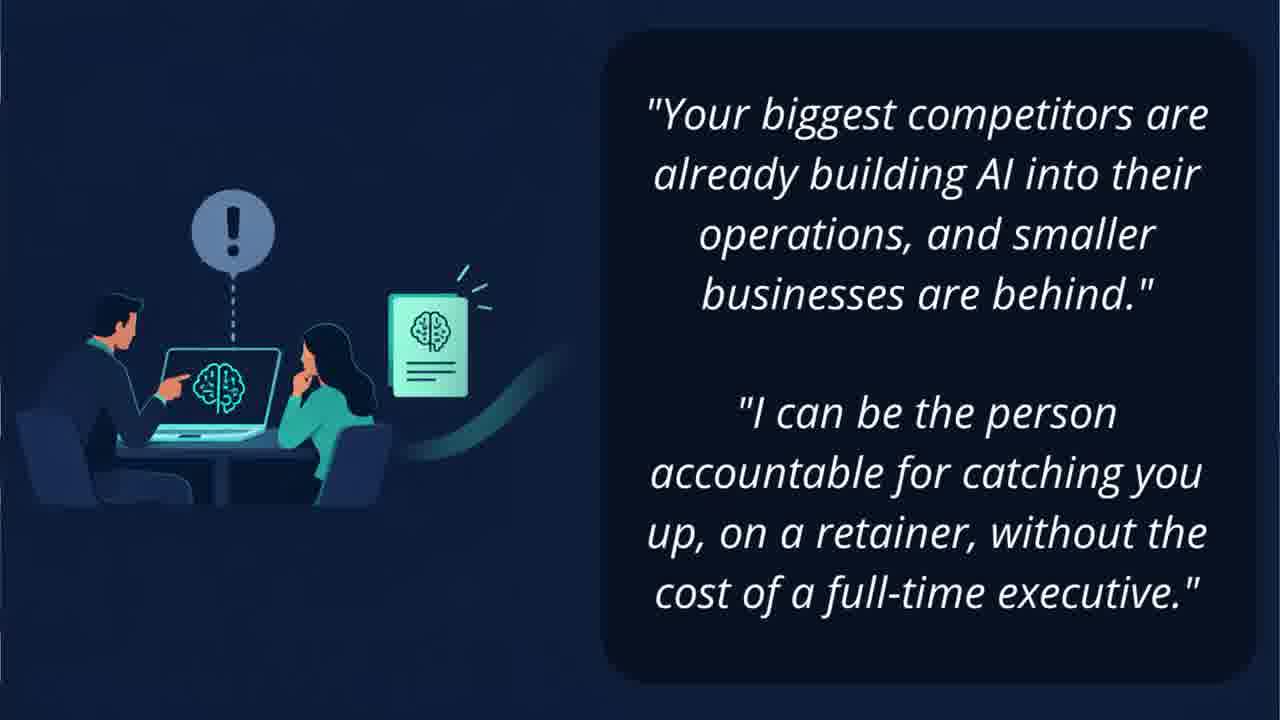
The shift toward outcome-based pricing and retained AI oversight is meeting with positive reception from the mid-market. Business owners are increasingly wary of "black box" agencies that charge high retainers without clear efficiency gains. By positioning themselves as the architects of a client’s AI strategy, consultants align their incentives with the client’s bottom line: both parties benefit from increased speed and reduced manual labor.
Economists suggest that this trend may lead to a "barbell" economy in the professional services sector. On one end, low-level tasks will be entirely commoditized by AI, leading to a collapse in pricing for basic writing, coding, and design. On the other end, "human-in-the-loop" experts who can orchestrate these technologies will command higher premiums than ever before. The "middle class" of knowledge work—those who perform moderately complex tasks manually—faces the highest risk of displacement.
Strategic Roadmap for Repositioning
For professionals seeking to transition into this new model, industry experts recommend a phased approach:
- Audit Current Workflows: Identify which deliverables are now being produced 5x to 10x faster due to AI. These are the areas where the hourly model is most fragile and where an outcome-based retainer should be introduced.
- Identify the Domain Gap: Determine the specific "arbitrage" within a niche. A marketing consultant might focus on AI-driven content distribution, while an operations consultant might focus on automated supply chain management.
- Establish a Retained Offer: Move away from "per-project" quotes. Instead, offer a monthly retainer that covers "AI Oversight and Implementation," promising to keep the client at the forefront of technological shifts.
- Focus on Accountability: The primary value of a Fractional AI Officer is not just the technical implementation, but the ongoing responsibility for the results. In an era of rapid change, clients are paying for the peace of mind that someone is "minding the store" regarding new technology.
Conclusion: The Future of Professional Expertise
The information economy is no longer characterized by the scarcity of information, but by the scarcity of judgment. As AI makes the generation of content, code, and data analysis nearly instantaneous, the role of the human professional shifts from "creator" to "curator" and "accountable lead."
The transition from a service provider billing for hours to an AI consultant billing for outcomes is not merely a marketing tactic; it is a necessary adaptation to a fundamental change in the cost of labor. Those who move early to claim the role of the Fractional AI Officer are likely to capture the highest value during this transition period. As the historical data from the agricultural and manufacturing sectors suggests, the technology itself does not eliminate the need for work—it redefines the nature of the value provided. In the new economy, the most valuable asset is not the ability to do the work, but the expertise required to ensure the work is done correctly by the systems now available to everyone.


 Pevita Pearce