Pevita Pearce
The landscape of generative artificial intelligence has shifted from mere conversational fluency toward functional utility, a transition punctuated by the release of OpenAI’s GPT-6.1 Terra. As the latest iteration in the "Terra" lineage—OpenAI’s designation for models optimized for efficiency and tool-driven performance—GPT-6.1 Terra represents a strategic pivot. While flagship models like GPT-6 Astra focus on maximum reasoning capabilities and creative depth, Terra is engineered as a "worker" model. It is designed specifically for the high-volume, high-precision demands of software engineering, data manipulation, and administrative automation. The model’s value proposition is built on its ability to integrate with external tools, execute code in sandboxed environments, and produce editable, structured files that remain useful long after a chat session has concluded.
The Evolution of the Terra Series: A Technical Chronology
To understand the significance of GPT-6.1 Terra, one must examine the chronology of OpenAI’s model stratification. Beginning with the GPT-5 era, OpenAI began bifurcating its releases into specialized tiers. The "Sol" tier typically serves as the balanced, versatile mid-range, while "Astra" represents the frontier of multimodal reasoning. The "Terra" line, however, was introduced to solve the "cost-to-compute" crisis facing enterprises that require millions of daily tokens for repetitive tasks like code refactoring and document processing.
GPT-5.6 Terra, the immediate predecessor, established the baseline for "agentic" behavior—the ability of a model to use a browser or a Python interpreter to solve a problem. However, users frequently reported "hallucinated" code logic and a high failure rate in complex file-handling tasks. GPT-6.1 Terra arrives as a direct response to these shortcomings, boasting a significantly lower error rate and a 10-fold increase in cost-efficiency compared to the Astra flagship. Released in late 2026, this model utilizes a refined architecture that prioritizes "system 2" thinking—deliberate, step-by-step reasoning—specifically when triggered by coding or mathematical prompts.
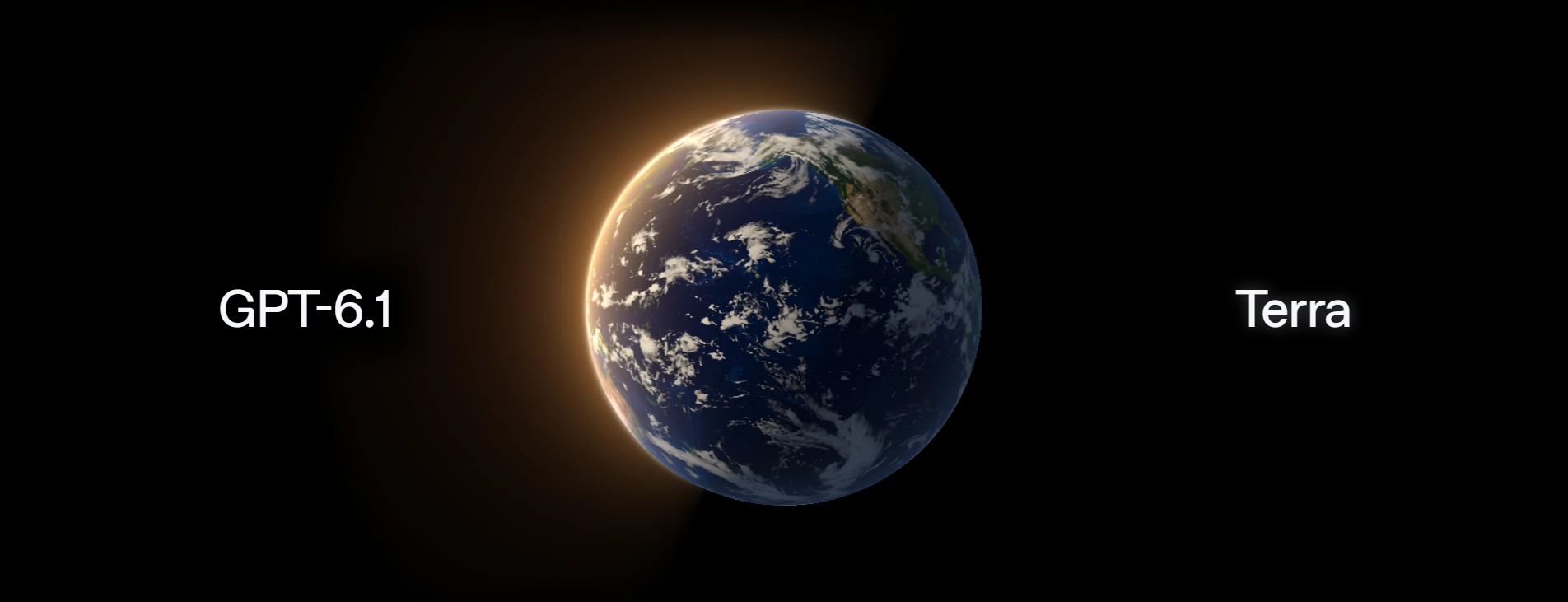
Stress-Testing GPT-6.1 Terra: Five Pillars of Practical Utility
To move beyond marketing claims and internal benchmarks, a series of hands-on tests were conducted to evaluate Terra’s performance in real-world scenarios. These tests focused on five critical domains: financial data auditing, software maintenance, educational content creation, logistical coordination, and digital signal processing.
1. Financial Data Auditing and Excel Integration
In a test involving a complex revenue ledger, Terra was tasked with converting a raw CSV file into a professional-grade Excel workbook. The challenge was not merely formatting, but logic: the model had to identify duplicate orders (such as ID AV105), filter for "paid" status only, and handle missing data (ID AV107) without inventing values.
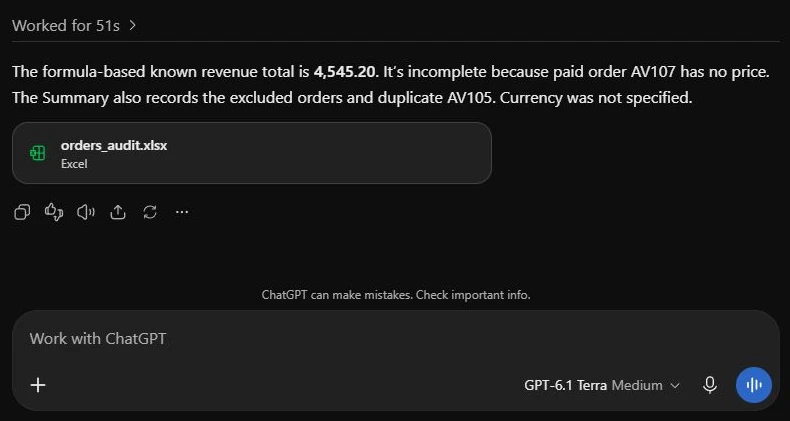
The results demonstrated a sophisticated understanding of data integrity. Unlike previous models that might simply paste a static table, Terra generated a multi-sheet workbook (Raw, Cleaned, and Summary) with live Excel formulas. By using IF statements for revenue calculation and flagging missing prices, the model ensured the workbook was a living document. The analysis revealed a "maintenance boundary"—while the formulas worked for existing data, the cleaning process was a snapshot. This distinction is vital for professional users: the AI functions as a high-speed analyst but requires human oversight for ongoing data pipeline integration.
2. Software Maintenance and Edge-Case Debugging
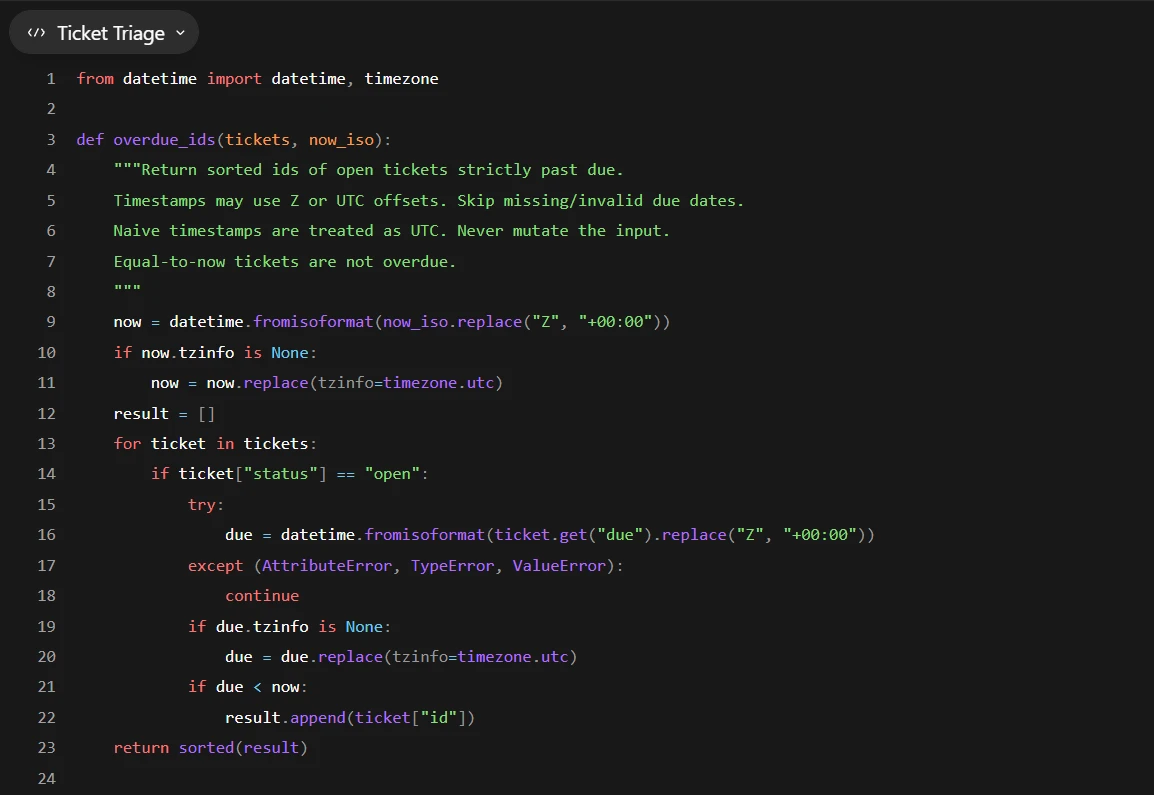
For the coding test, Terra was presented with a flawed Python script (ticket_triage.py) used for tracking overdue support tickets. The original code suffered from classic logic errors, such as using inclusive comparisons (<=) that caught tickets due at the exact current second, and a lack of timezone awareness.
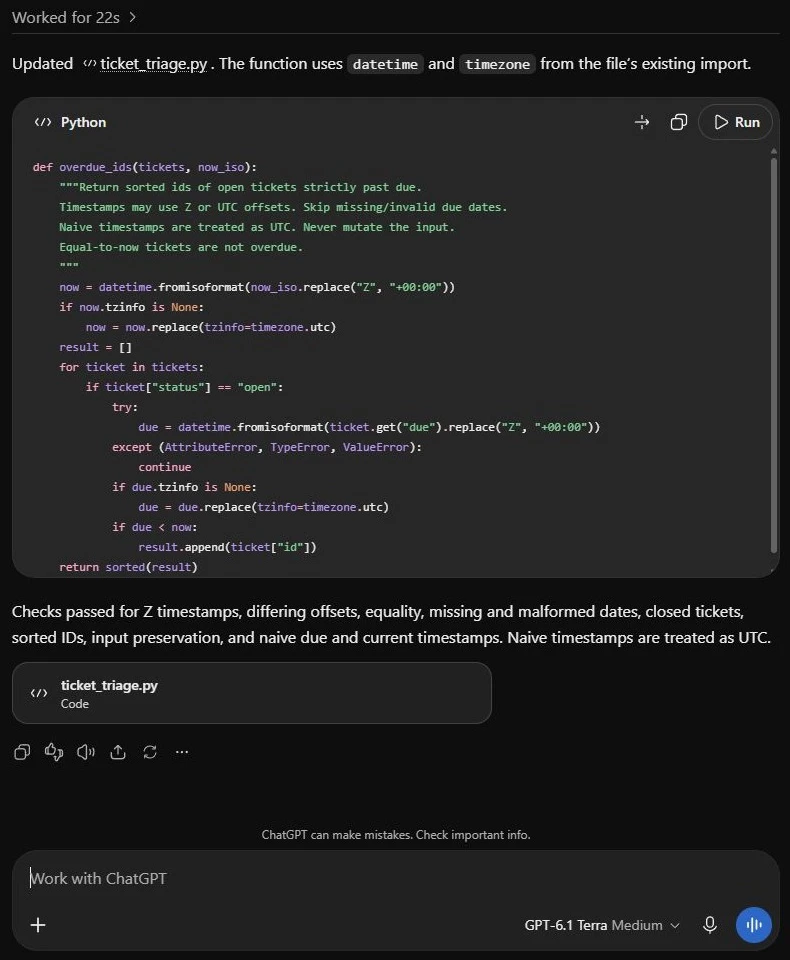
Terra’s repair was surgical. It implemented a minimal patch that normalized "Z" (Zulu/UTC) timestamps and explicitly documented its policy for timezone-naive dates. In a departure from earlier AI behavior, the model did not merely claim the code worked; it ran a suite of internal checks for malformed dates and input mutation before presenting the final function. This "verify-before-output" behavior is a hallmark of the GPT-6 architecture, reducing the "debugging loop" for human developers.
3. Educational Content Synthesis from Academic Research
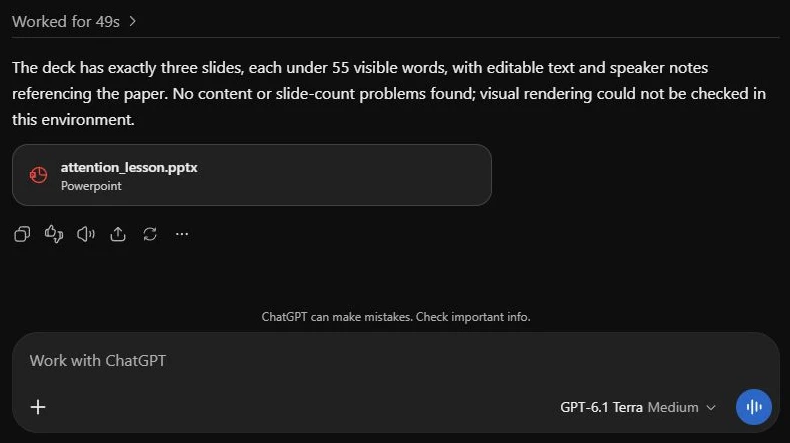
The third test required the model to digest the seminal 15-page research paper, Attention Is All You Need, and synthesize it into a three-slide PowerPoint presentation for a technical audience. The goal was to maintain mathematical accuracy while adhering to strict word counts and slide structure.
Terra successfully produced an editable .pptx file. It accurately defined the scaled dot-product attention equation and distinguished between encoder and decoder mechanisms. Notably, the model included detailed speaker notes that cited specific sections of the paper. While the model admitted it could not "see" the final visual rendering of the slides in the chat interface, the exported file was professionally formatted, suggesting that the model’s internal representation of document structures has become significantly more robust.
4. Logistical Coordination and Multi-Timezone Scheduling
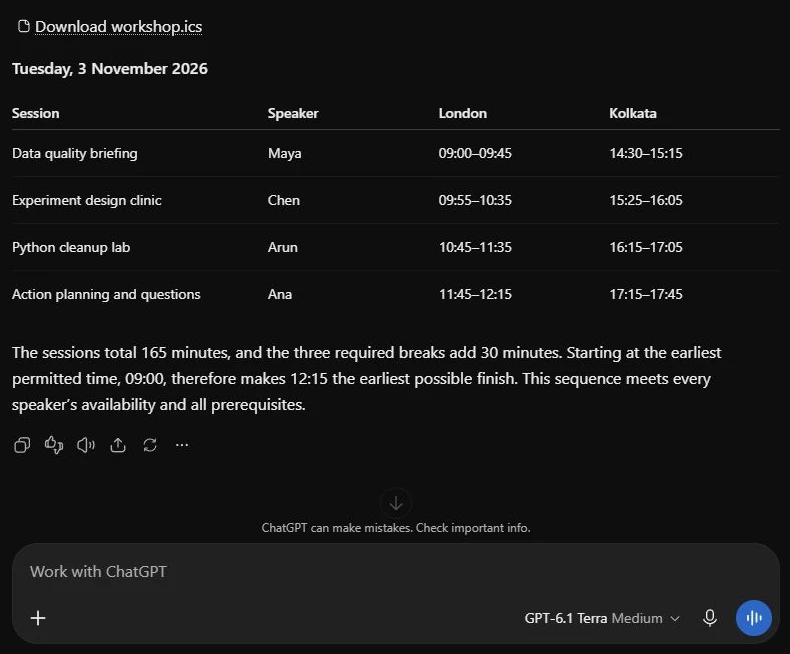
Scheduling remains one of the most cognitively taxing tasks for human assistants. Terra was given a JSON file containing speaker availability across London, Kolkata, Singapore, and New York, alongside workshop prerequisites and mandatory breaks. It was tasked with finding the earliest possible finish time and exporting the result as an ICS calendar file.
The model identified the optimal sequence (A-C-B-D) through a process of elimination, finishing the workshop in 195 minutes. The resulting ICS file passed all standard format checks, including unique UIDs and UTC-Z timestamps. This test highlights Terra’s ability to handle "constraint satisfaction problems," a field where previous LLMs often struggled with cumulative errors in time addition.
5. Digital Signal Processing and Audio Manipulation
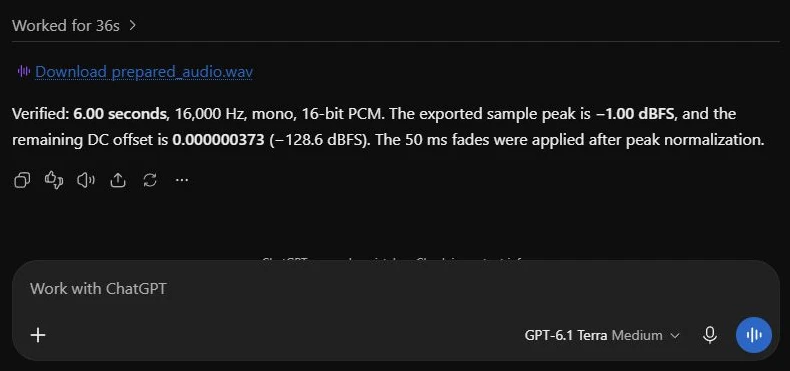
The final test moved into the realm of audio engineering. Terra was asked to process an eight-second stereo WAV file into a mono PCM 16-bit WAV, involving DC offset removal, resampling to 16,000 Hz, and peak normalization.
It is important to note that Terra does not "hear" the audio in this context; instead, it uses a Python-based tool environment to perform mathematical transformations on the file. The output was highly precise, with a normalized root-mean-square error of only 0.022% compared to a human-calibrated reference. This confirms that Terra is an effective "orchestrator" of specialized tools, capable of performing technical tasks that fall outside the traditional scope of language processing.
Comparative Performance: Benchmarks and Cost Analysis
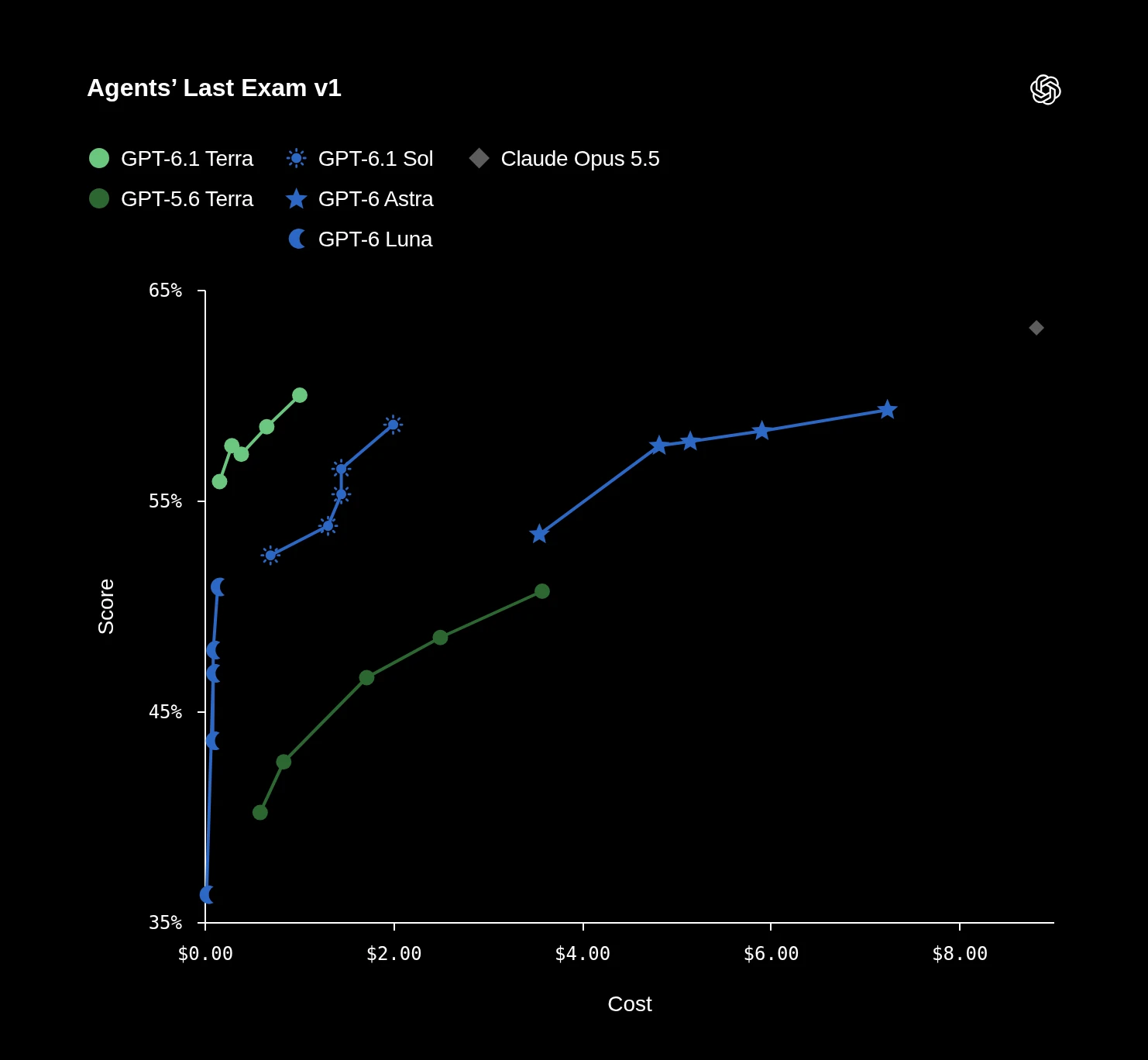
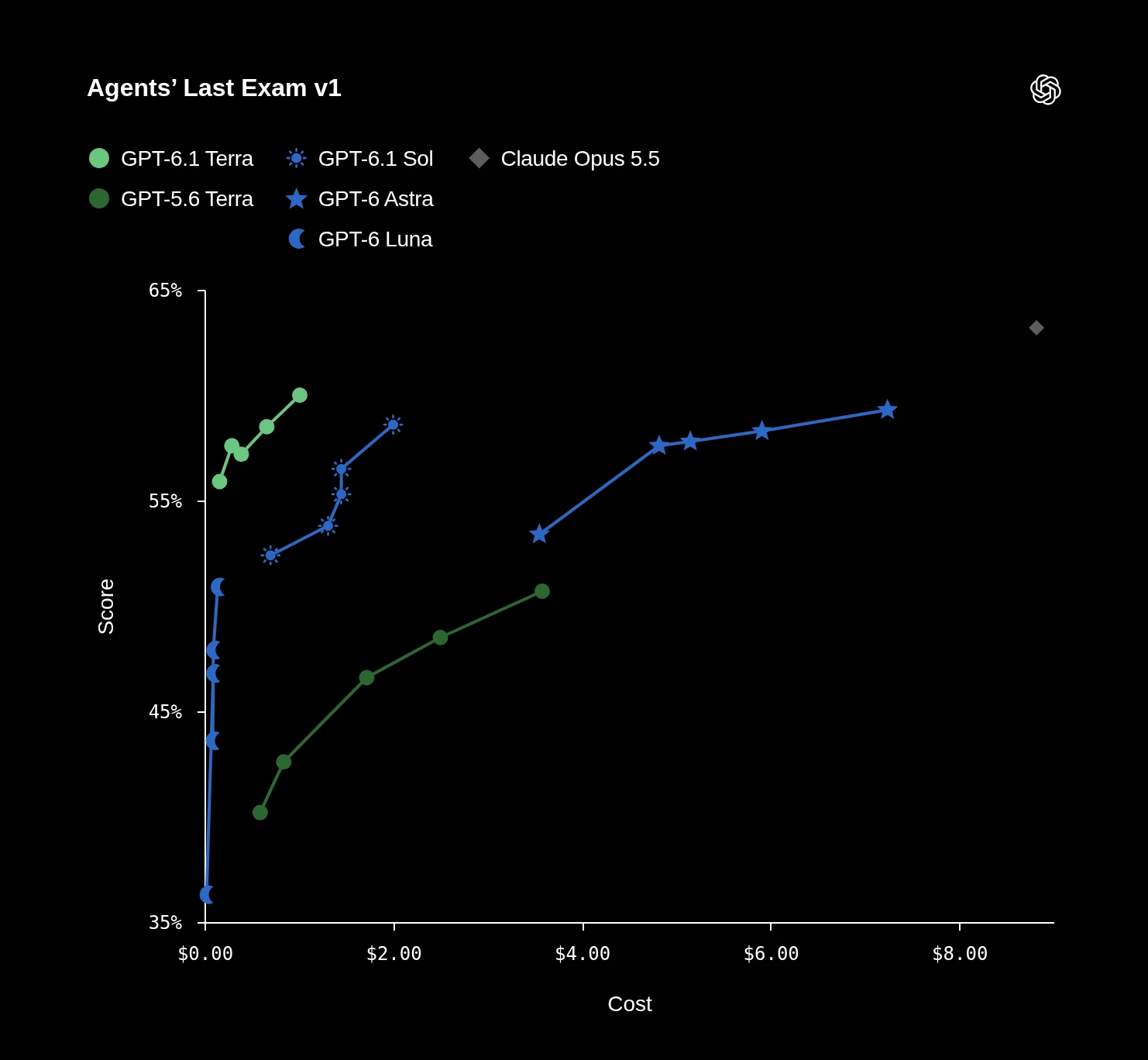
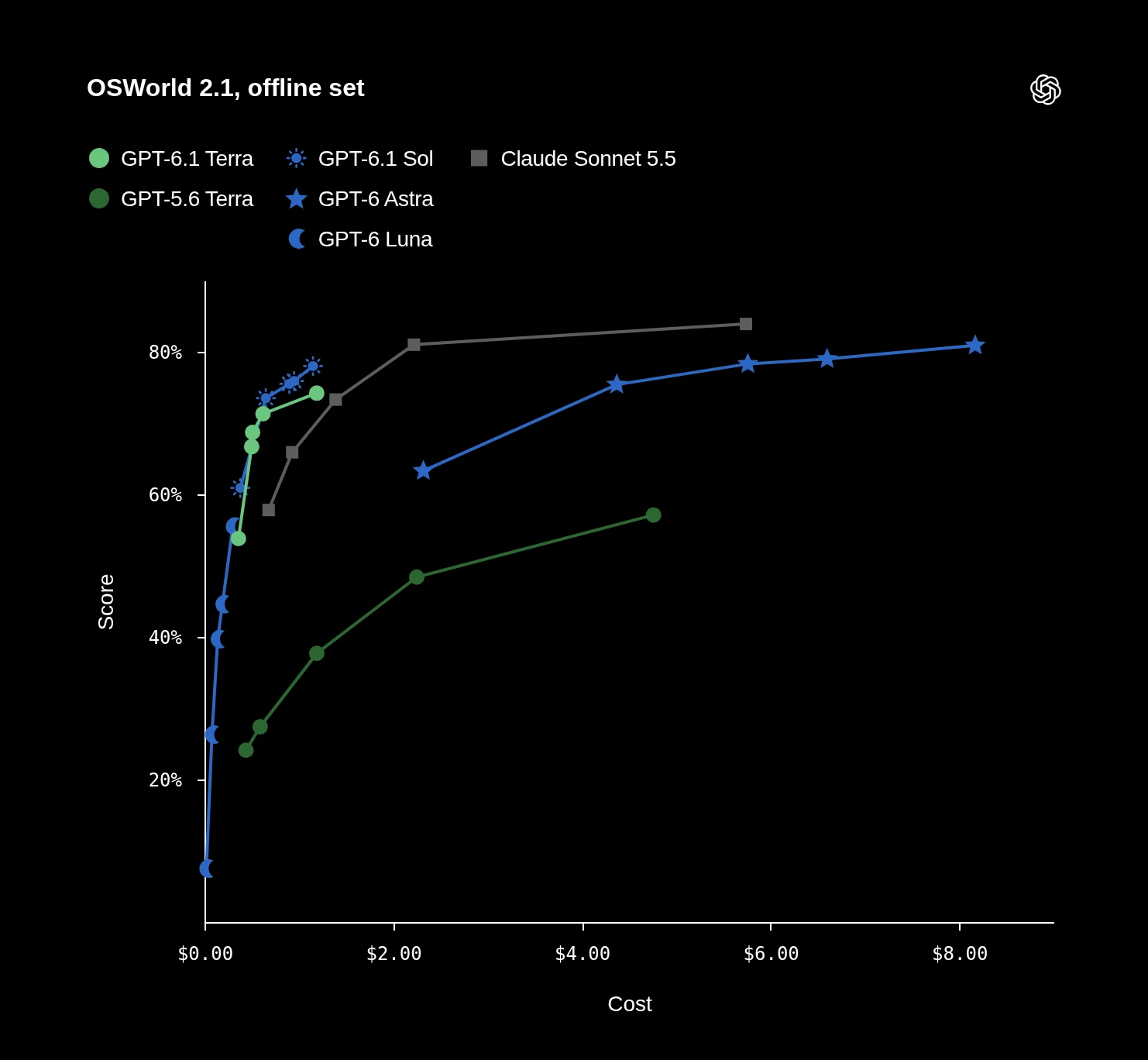
OpenAI’s internal evaluations of GPT-6.1 Terra provide a broader context for these individual tests. In the "Agents’ Last Exam"—a benchmark for professional computer tasks—Terra achieved a score of 57.6% at medium reasoning effort. This score is particularly impressive because it matches the performance of the much larger GPT-6 Astra model while costing a fraction of the price.
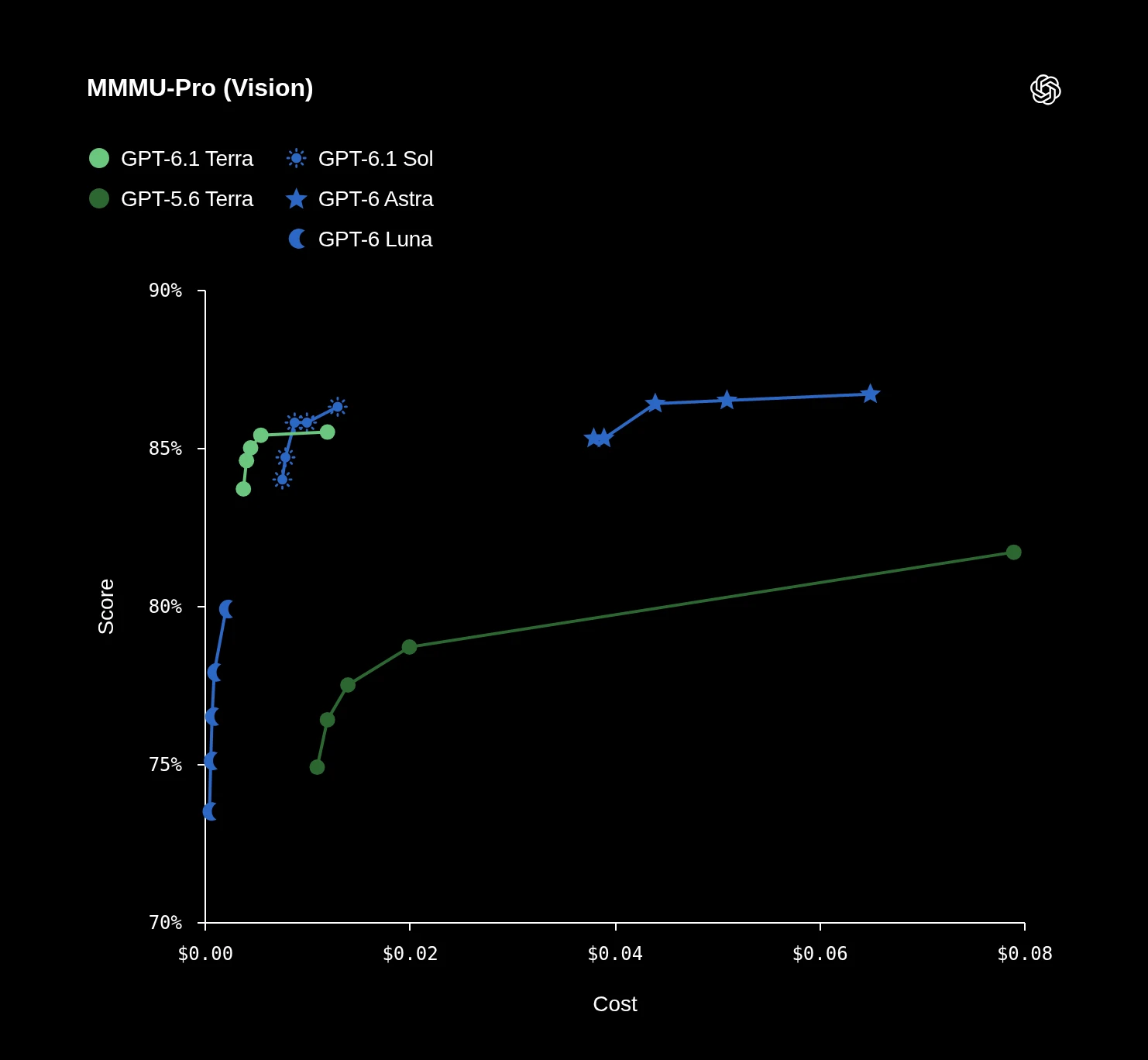
In visual reasoning (MMMU-Pro), Terra reached 85.5% at maximum effort, demonstrating that its "economical" nature does not come at the expense of multimodal understanding. Furthermore, the model’s factual error rate has seen a dramatic reduction. On a set of prompts designed to induce hallucinations, Terra’s error rate dropped from 53.6% (in GPT-5.6 Terra) to just 4.3% in the current version.
The economic implications are perhaps the most disruptive aspect of the release. OpenAI has priced Terra at $1 per million input tokens and $5 per million output tokens. To put this in perspective, a standard workload that would cost $1.80 on the Astra model costs only $0.18 on Terra. This 10-fold reduction in cost makes "agentic AI"—where models perform thousands of small, background tasks—economically viable for the first time for small to medium-sized enterprises.
Industry Reactions and Market Implications
The release of GPT-6.1 Terra has elicited a range of reactions from the technology sector. Software engineering leads have praised the model’s "minimalist" approach to code repair, noting that it avoids the "bloat" often suggested by more creative models. "Terra doesn’t try to rewrite your entire codebase; it just fixes the bug you pointed at," noted one senior developer in an early review.
However, some data privacy advocates have raised questions regarding the "tool-use" environment. Because Terra often executes code to verify its work, the security of the sandboxed environments where this code runs remains a point of scrutiny. OpenAI has responded by emphasizing that the model operates within a "restricted execution layer," but the complexity of these interactions suggests that enterprise adoption will require rigorous security audits.
From a market perspective, Terra places significant pressure on competitors like Anthropic and Google. By offering a model that is both highly capable at coding and extremely cheap to run, OpenAI is attempting to commoditize the "utility" segment of the AI market, leaving the "prestige" segment to its Astra model.
Conclusion: The Future of the "Worker" AI
GPT-6.1 Terra represents a maturation of the AI industry. The novelty of a "chatting" computer has been replaced by the necessity of a "doing" computer. Through its successful handling of spreadsheets, code, presentations, schedules, and signal processing, Terra proves that specialized, efficient models are the key to integrating AI into the professional workforce.
While the model is not without limitations—specifically its static approach to data cleaning and its reliance on specific tool environments—it sets a new standard for price-to-performance. As AI continues to evolve, the success of models like Terra suggests that the future may not belong to the largest or most "intelligent" models, but to those that are most reliable, editable, and cost-effective. For now, GPT-6.1 Terra stands as a robust tool for those who need their AI to do more than talk; they need it to work.


 Neng Nana
 Ammar Sabilarrohman