Basiran
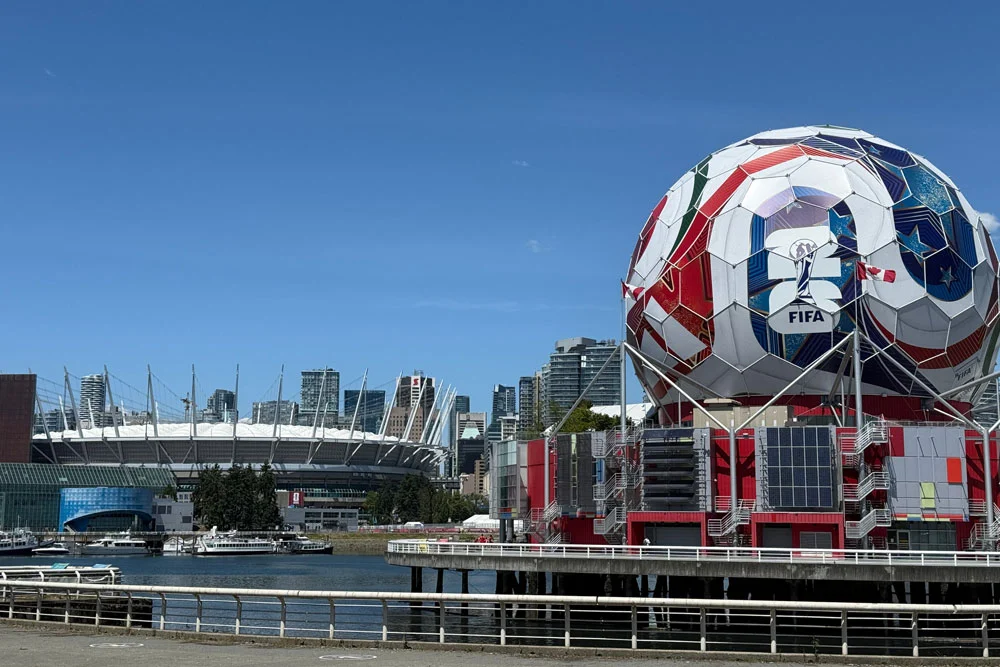
The FIFA World Cup 2026 has captured the global imagination, not merely as a sporting spectacle but as a masterclass in strategy, resilience, and the unpredictable nature of high-stakes competition. As the first tournament in history to feature 48 teams hosted across three nations—the United States, Mexico, and Canada—the scale of the event is unprecedented. This expansion has introduced new variables into the beautiful game, paralleling the complexities found within the rapidly evolving digital commerce landscape. For professionals in the performance marketing sector, the drama unfolding on the pitch offers more than entertainment; it provides a blueprint for navigating the intricate world of affiliate marketing. From the logistical journey of fans, such as the thousands of Scotland’s "Tartan Army" members traveling from London to Boston, to the tactical maneuvers of the world’s elite squads, the similarities between world-class soccer and affiliate management are profound.
The Evolution of the 2026 Tournament: A New Competitive Era
The 2026 iteration of the FIFA World Cup represents a significant departure from previous formats. By increasing the field from 32 to 48 teams, FIFA has essentially diversified its "portfolio," allowing for a broader range of participants and increasing the likelihood of "underdog" stories. This shift mirrors the current state of the affiliate marketing industry, which has moved away from a reliance on a few "super-affiliates" toward a more diversified ecosystem.
Industry data suggests that the affiliate marketing sector is projected to reach a valuation of over $15 billion by the end of 2026. This growth is driven by a move toward multi-channel strategies, much like how soccer teams must now prepare for a wider variety of playing styles and tactical approaches from diverse international opponents. The tournament’s structure, spanning 16 host cities from Vancouver to Mexico City, requires a level of logistical coordination and adaptability that resonates with affiliate managers overseeing global programs across different time zones, currencies, and regulatory environments.
Success Requires Holistic Teamwork Over Individual Brilliance
One of the most salient lessons from the 2026 World Cup is that individual talent, while essential, is insufficient for sustained success. The tournament has seen legendary figures struggle when their supporting cast failed to synchronize. For instance, the genius of Croatia’s Luka Modrić was not enough to overcome the collective tactical discipline of Portugal. Similarly, Cristiano Ronaldo, despite his historic career, saw his Portuguese side falter against a highly coordinated Spanish defense in the Round of 16.
In the realm of affiliate marketing, this principle is equally applicable. An affiliate management agency is only as effective as the synergy between its team members—account managers, technical specialists, and creative directors. Furthermore, the "team" extends to the affiliates themselves. A program that relies solely on one or two high-volume partners is inherently fragile.
To ensure long-term revenue stability and the quality of referrals, modern affiliate programs must diversify their bases. This involves recruiting a mix of content creators, review sites, loyalty portals, and niche influencers. By distributing the "workload" across various marketing channels, brands protect themselves against the sudden decline of a single partner, much like a soccer team that develops a deep bench to mitigate the impact of an injury to a star player.
The Rise of the Underdog: A Case Study in Market Disruption
The 2026 World Cup has been defined by the closing gap between traditional powerhouses and emerging nations. The group stages provided a stark reminder of the "danger of underestimating your opponent," a concept famously attributed to ancient strategists like Sun Tzu. The debutant squad from Curaçao holding Ecuador to a 0-0 draw, and Egypt’s commanding performance against the defending champions Argentina—where they led 2-0 for the majority of the match—serve as evidence that status does not guarantee results.
This "underdog" phenomenon is a frequent occurrence in the business world, particularly within the affiliate space. A notable historical example is the launch of the Nectar Sleep affiliate program in early 2017. At the time, the "mattress-in-a-box" market was already saturated with established giants like Casper, Saatva, and Purple. These brands had significant head starts, larger budgets, and established affiliate relationships.
However, through aggressive management and a superior understanding of affiliate incentives, Nectar Sleep’s program achieved a remarkable feat. Just over one year after its launch, it rose to become the number one program on the ShareASale network, surpassing over 5,000 other brands, including household names like Wayfair, Reebok, and the NFL. This trajectory proves that being an underdog is not a permanent state but a starting position. With the right strategy and execution, a newcomer can disrupt an entire vertical, much like a lower-ranked national team navigating its way into the World Cup quarterfinals.
The Perils of Stagnation: Why You Can Never Rest on Your Laurels
Perhaps the most shocking aspect of the 2026 World Cup cycle has been the absence or early exit of traditional "blue-blood" soccer nations. Italy, a four-time world champion, failed to qualify for the tournament entirely, marking a period of profound introspection for the nation’s footballing infrastructure. Meanwhile, the Netherlands suffered an early exit at the hands of Morocco in the Round of 32, and Brazil was eliminated by a disciplined Norway side in the Round of 16.
Norway’s success is particularly instructive. Having not qualified for a World Cup in nearly three decades, their advancement to the quarterfinals represents years of grassroots development and tactical modernization. They did not rely on their historical status; they evolved.
The affiliate marketing landscape is similarly unforgiving to those who remain static. The industry is characterized by its dynamic nature—constantly reshaped by search engine algorithm updates, changes in consumer privacy laws (such as the phasing out of third-party cookies), and the rise of new platforms like TikTok or decentralized commerce. What generated significant ROI five years ago may be obsolete today.
Strategic analysts emphasize that "online education is not a destination but a continuous journey." Successful affiliate managers are those who attend industry conferences, such as the Affiliate Summit in New York, to stay abreast of emerging trends and technologies. Resting on past successes is a precursor to obsolescence in both professional sports and digital marketing.
Chronology of Strategic Shifts: From 2022 to 2026
The path to the 2026 World Cup and the concurrent evolution of performance marketing can be traced through several key milestones:
- Late 2022: FIFA confirms the 48-team format, prompting national federations to overhaul their scouting and development programs to account for a longer, more grueling tournament path.
- 2023-2024: The affiliate marketing industry sees a surge in AI-driven tools for fraud detection and partner discovery, shifting the focus from manual recruitment to data-led optimization.
- Early 2025: Host cities in North America begin major infrastructure upgrades. Simultaneously, major brands begin "hyper-localizing" their affiliate offers to coincide with regional World Cup matches.
- June 2026: The tournament kicks off. Early upsets by Egypt and Norway send shockwaves through the betting and sports analysis industries, mirroring the volatility often seen in high-growth affiliate verticals.
Broader Implications and Official Perspectives
The intersection of global sports and performance marketing highlights a broader shift toward "performance-based" everything. FIFA’s expanded format is a calculated move to increase global reach and broadcast revenue—essentially an affiliate play on a massive scale where national teams are the "partners" driving viewership.
Marketing executives from leading agencies have noted that the 2026 World Cup has changed how brands view sponsorship and affiliate ties. "We are seeing a move toward micro-conversions," says one industry consultant. "Brands are no longer just looking for a logo on a jersey; they want measurable affiliate links in the bios of influencers attending the matches. They want the data-driven accountability that affiliate marketing provides."
Furthermore, the failure of teams like Italy to qualify has led to a re-evaluation of "legacy brand" status. In the affiliate world, this serves as a warning: brand recognition alone is no longer enough to secure top-tier placement on affiliate sites. Performance, conversion rates, and competitive commission structures are the "goals" that determine who stays in the game.
Conclusion: Adapting to the New Standard of Excellence
As the FIFA World Cup 2026 nears its conclusion, the lessons for the affiliate marketing community remain clear. Success is built on the foundation of a diverse and synchronized team. Market disruption is always possible, provided the "underdog" utilizes superior strategy and remains agile. Finally, the "dynamic" nature of the industry demands a commitment to constant improvement and a rejection of complacency.
Whether on the grass of the MetLife Stadium or in the digital trenches of an affiliate dashboard, the requirements for victory are the same: preparation, diversification, and an unwavering focus on performance. The champions of 2026, both in soccer and in marketing, will be those who understood that the game has changed—and changed with it.


 Azzam Bilal Chamdy
 Pevita Pearce