Jia Lissa

The digital advertising industry is currently facing a systemic crisis of "privacy theater," where the vast majority of websites display sophisticated consent banners that fail to perform their primary technical function. Recent industry analysis and forensic audits conducted by privacy experts, including Fred Pike of MeasureU, suggest that approximately 83.7% of all Consent Management Platform (CMP) implementations are fundamentally broken. This discrepancy between the visual interface presented to the user and the underlying data transmission protocols has exposed thousands of organizations to significant legal liabilities under the General Data Protection Regulation (GDPR) in Europe and the California Consumer Privacy Act (CCPA) in the United States.
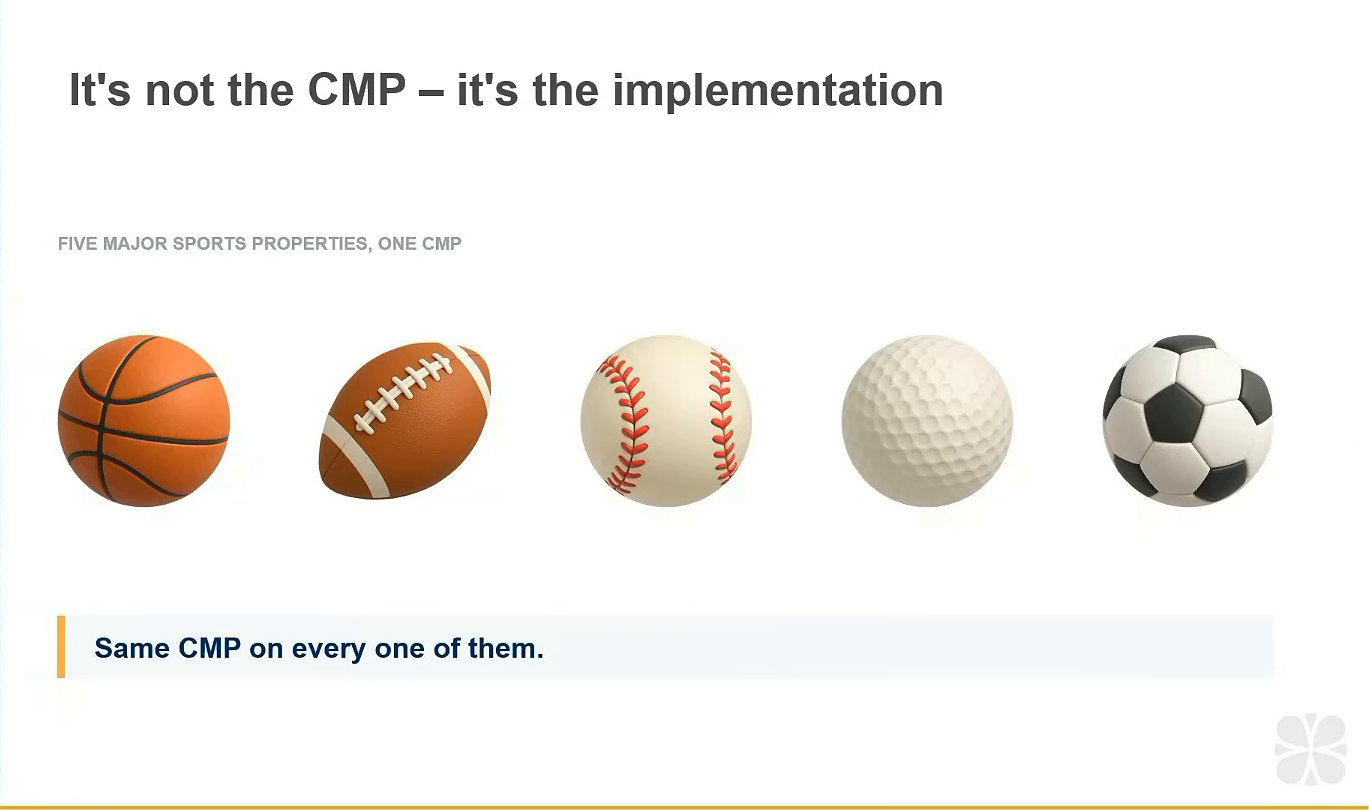
The failure of these systems is rarely a result of the software itself; platforms such as OneTrust, Cookiebot, and Usercentrics provide the necessary tools for compliance. Instead, the breakdown occurs during the implementation phase, where a lack of technical governance and a "set-it-and-forget-it" mentality lead to critical vulnerabilities. Forensic audits of major organizations, including high-profile professional sports franchises, reveal that even when using premium, high-cost CMPs, only a small fraction successfully honor user intent. In one representative study of five major sports organizations, only one—a professional soccer team—passed a comprehensive privacy audit, despite all five using identical software.

The Regulatory and Legal Landscape
The urgency for accurate CMP auditing is driven by an increasingly aggressive regulatory environment. Since the implementation of the GDPR in 2018, European regulators have issued billions of euros in fines, with a growing focus on "dark patterns" and deceptive consent mechanisms. In the United States, the California Privacy Rights Act (CPRA) and subsequent state-level laws in Virginia, Colorado, and Connecticut have empowered both regulators and private litigants to target companies that fail to respect "opt-out" signals or that transmit data before receiving affirmative consent.
Legal professionals specializing in digital privacy report a surge in "demand letters" from law firms. These firms utilize automated scanning tools to detect network requests—transmissions of data from a user’s browser to a third-party server—that occur before a user has interacted with a consent banner or after a user has explicitly clicked "Reject." For these litigants, the visual presence of a banner is irrelevant if the underlying telemetry continues to fire.
The Chronology of a Failed Implementation
To understand why CMPs fail, it is necessary to examine the typical lifecycle of a botched implementation. The process usually begins with a directive from a legal or compliance department to "add a cookie banner."
- Selection and Installation: The organization selects a reputable CMP and adds a single line of JavaScript to their site or through a container like Google Tag Manager (GTM).
- Visual Customization: Marketing teams ensure the banner matches the brand’s aesthetic, focusing on colors, fonts, and placement.
- The Logic Gap: Technical teams often fail to configure "consent gates." While the CMP may record a user’s preference in a local cookie, the website’s various tracking tags (Google Analytics, Meta Pixel, LinkedIn Insight Tag) are not configured to read that cookie before executing.
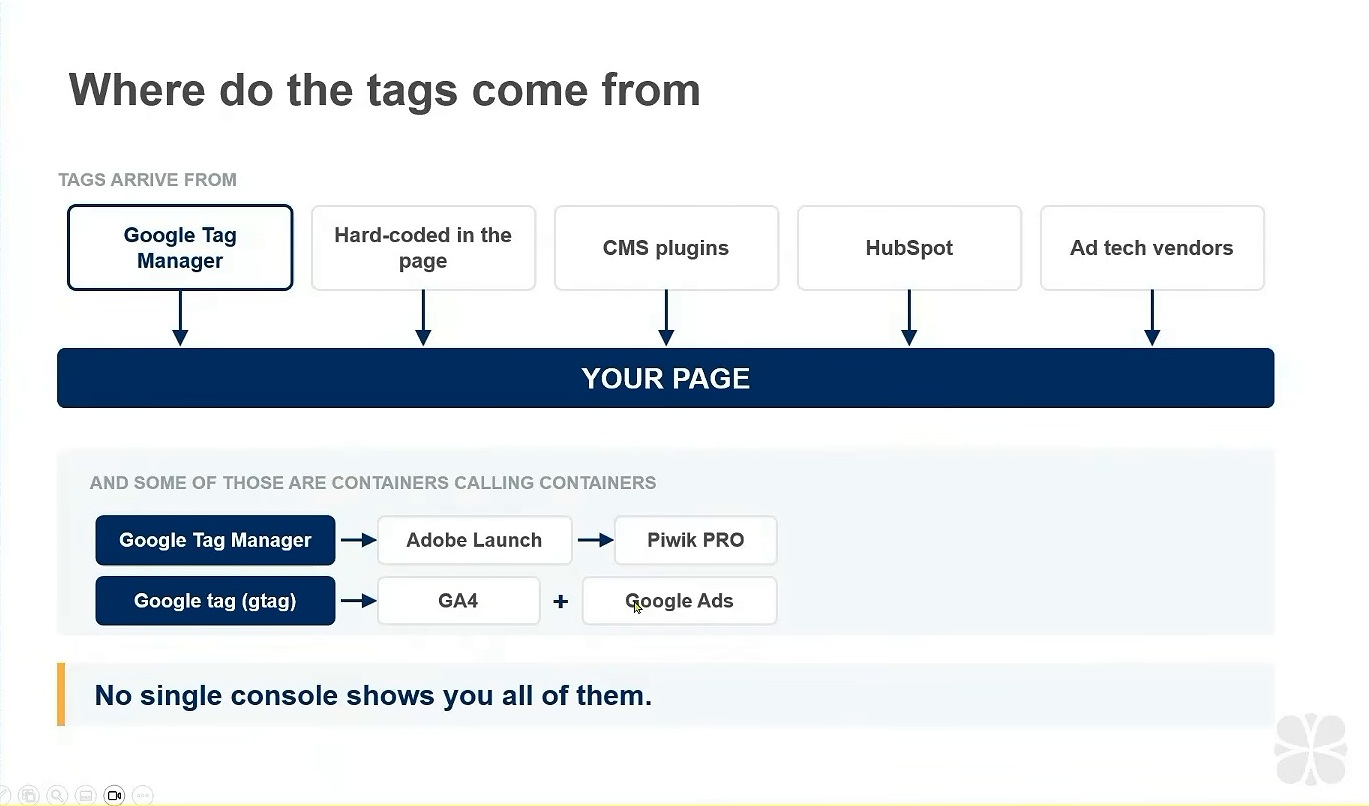
- Tag Proliferation: Over time, different departments—HR, Marketing, and Sales—add third-party scripts via CMS plugins or marketing automation tools like HubSpot, bypassing the central tag management system and the CMP entirely.
- The Decay Phase: As the website evolves, legacy tags from defunct campaigns remain active, and new tags are added without privacy reviews, leading to a state of permanent non-compliance.
The Technical Anatomy of the Seven-Step Consent Flow
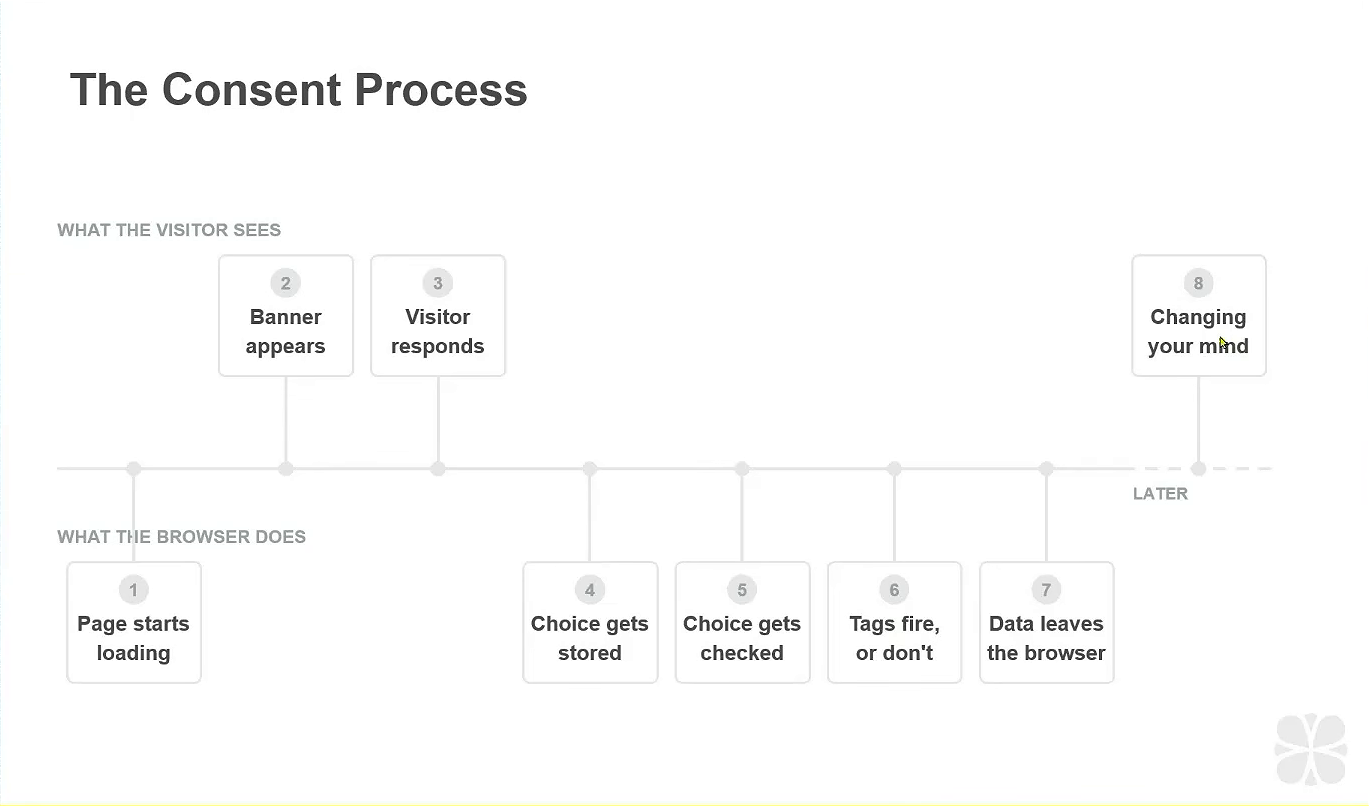
A successful consent implementation requires a synchronized seven-step process. Failure at any single juncture results in a total breakdown of privacy protection:
- Step 1: The CMP Loads First. The platform must initialize before any other script to establish the "ground truth" of consent.
- Step 2: Determining Location. The system identifies the user’s jurisdiction (e.g., EU vs. California) to display the legally required interface.
- Step 3: User Interaction. The user chooses to accept, reject, or customize their preferences.
- Step 4: Preference Storage. The choice is written to the browser’s local storage or a cookie.
- Step 5: The Consent Gate. The Tag Manager or hardcoded scripts check the stored preference.
- Step 6: Conditional Execution. Based on the preference, tags are either fired, blocked, or sent in a "restricted" mode (such as Google’s Advanced Consent Mode).
- Step 7: Data Transmission. Only authorized data leaves the browser for the intended destination.
The most common points of failure are Steps 1, 5, and 6. If a tag manager initializes and fires an analytics script before the CMP has finished loading, the data is transmitted regardless of what the user eventually selects.
Shifting the Paradigm: Network Requests vs. Cookies
A critical error in traditional auditing is the over-reliance on "cookie scans." Industry experts argue that cookies are merely the "residue" of tracking—a file left behind after the fact. The actual "crime scene" of a privacy violation is the network request. A network request is the active transmission of data from the user’s device to a third-party server (e.g., google-analytics.com or facebook.com).
Auditors now utilize a "Four-Scenario Framework" to verify compliance through network request monitoring:
Scenario 1: Pre-Consent Behavior
The auditor clears all cookies and lands on the site. The primary objective is to verify that no non-essential tracking requests (marketing pixels, session replays, or analytics) are dispatched before the user interacts with the banner.
Scenario 2: Affirmative Consent (Post-Accept)
The user clicks "Accept All." The auditor verifies that all intended tags fire correctly across multiple pages, ensuring that the marketing and analytics infrastructure is functioning as intended for consenting users.
Scenario 3: Explicit Rejection (Post-Reject)
This is the most frequent point of failure. The user clicks "Reject" or "Essential Only." The auditor must confirm that all tracking requests cease immediately. In the case of Google’s "Advanced Consent Mode," the auditor must verify that requests are sent without identifiers (cookieless pings) and that no personal data is transmitted.
Scenario 4: Global Privacy Control (GPC)
The auditor tests the site using a browser with the Global Privacy Control signal enabled. Under current California law, organizations are increasingly required to treat this signal as a valid "Do Not Sell/Share" request. A compliant CMP must automatically recognize this signal and suppress tracking without requiring further user action.
Case Studies in Hidden Telemetry
The complexity of modern web ecosystems often hides tracking scripts in unexpected locations. In one instance, a forensic audit of a client using OneTrust revealed that LinkedIn tracking was still active despite a "Reject" click. The investigation found that the LinkedIn tag was not in the site’s Google Tag Manager container or hardcoded in the HTML; instead, it had been activated via a "one-click" integration within the HubSpot Marketing Center. This "container-within-a-container" scenario allowed the tag to bypass all established consent gates.
In another significant case, a PCI (Payment Card Industry) compliance audit flagged a mysterious cookie on a checkout page. The trail led from Google Tag Manager to an Adobe Launch container, which in turn called a Piwik PRO script that had been forgotten for five years. This "zombie tag" illustrates the danger of institutional memory loss, where legacy scripts continue to collect data long after the original stakeholders have left the organization.
The "Unified Google Tag" and Granular Consent Risks
A new challenge has emerged with the "Unified Google Tag" (gtag.js). Google’s administrative interface allows a single tag to send data to both Google Analytics 4 (GA4) and Google Ads properties simultaneously. While efficient for developers, this creates a significant hurdle for granular consent. If a user consents to "Analytics" but rejects "Advertising," a unified tag may struggle to honor that distinction. Experts recommend breaking out these destinations into separate tags within a manager to ensure that advertising-specific data is only transmitted when explicit advertising consent is granted.
Governance and Continuous Auditing
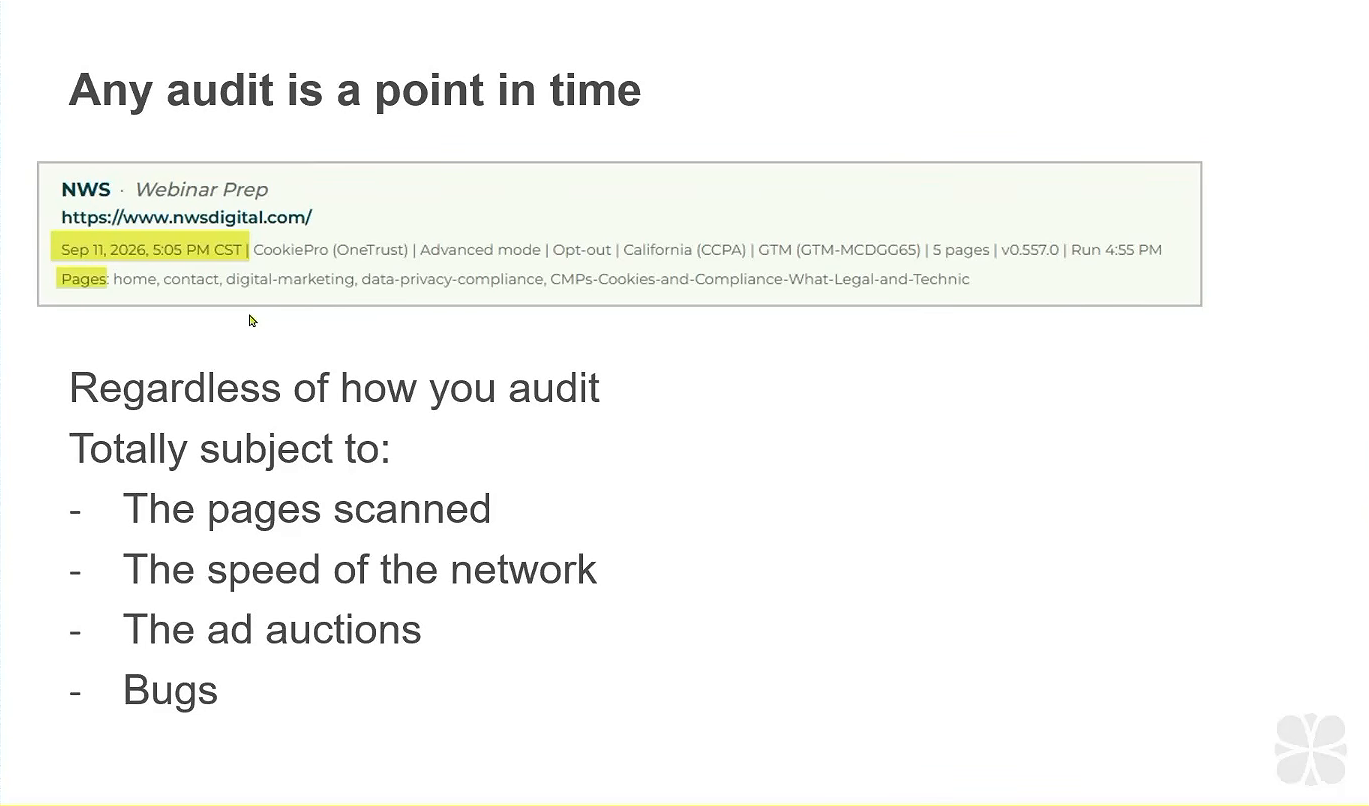
The prevailing "set-it-and-forget-it" approach to CMPs is no longer viable. A website is a living document; every new marketing campaign, HR recruitment tool, or third-party widget (such as a chatbot or image loader) introduces new scripts.

A robust privacy governance model requires:
- Scheduled Audits: Weekly or monthly scans to detect "tag bloat" or unauthorized scripts.
- Cross-Departmental Communication: Marketing and development teams must coordinate with legal before adding any new third-party endpoint.
- Technical Verification: Moving beyond visual checks to verify that "Reject" actually means "Block."
Implications for the Future of Digital Trust
The 83.7% failure rate of CMP implementations suggests that the digital advertising industry is operating on a foundation of precarious compliance. As regulators move from education to enforcement, the organizations that will survive the coming wave of litigation are those that treat privacy as a technical engineering challenge rather than a legal box-ticking exercise.
The ultimate goal of a CMP audit is to ensure that "user intent" is not just a recorded preference in a database, but a hard stop for data transmission. In an era where data sovereignty is becoming a fundamental consumer right, the ability to accurately honor a "Reject" click is perhaps the most important metric of a company’s digital integrity. Organizations must recognize that a beautiful consent banner is not evidence of compliance—only a clean network log can provide that assurance.


 Iffa Jayyana

 Nila Kartika Wati