Lina Irawan

A comprehensive sales strategy is the bedrock of sustained business growth, encompassing every facet of the selling process from identifying and engaging target audiences to leveraging the right tools and methodologies. Far from being static, these strategies often evolve into dynamic, living documents, continuously refined with fresh insights to optimize future sales endeavors. The implementation of a well-articulated sales strategy is not merely a procedural exercise; it is a critical driver for enhancing sales team productivity and enabling marketing teams to position a company and its offerings with maximum efficacy. Businesses that invest in developing and executing a robust sales strategy unlock significant advantages, including a sharper focus on high-impact activities, accelerated revenue and pipeline growth, and the establishment of repeatable, scalable systems.
The Tangible Benefits of a Strategic Sales Approach
The advantages of a meticulously planned sales strategy are multifaceted and directly contribute to a company’s bottom line. By providing a clear roadmap, a sales strategy empowers sales representatives to allocate their time and energy to activities that yield the greatest return. This strategic allocation is paramount for small and growing businesses often grappling with the challenge of identifying consistent lead generation channels. A well-defined strategy, grounded in a deep understanding of the ideal buyer persona, enables businesses to precisely target their efforts and articulate value propositions that resonate most strongly with potential customers. Consequently, sales teams can prioritize initiatives that demonstrably advance the sales cycle, moving beyond speculative efforts towards data-driven actions.
Furthermore, a strategic approach is instrumental in fostering revenue and pipeline expansion. While options such as increasing price points or focusing on high-conversion acquisition channels exist, the true power of a sales strategy lies in its ability to synergize sales and marketing efforts. Research consistently underscores the potent impact of this collaboration. A study by HubSpot, for instance, revealed that companies with closely aligned sales and marketing teams, often referred to as "smarketing," experience a remarkable 38% higher sales win rate. This synergy ensures that marketing initiatives generate qualified leads that are well-primed for conversion by the sales team, creating a more fluid and effective revenue generation engine.
Beyond immediate revenue gains, a sales strategy facilitates the creation of repeatable systems, which are vital for predictable and sustainable growth. By identifying and codifying the most effective sales processes, companies can ensure that successful tactics are consistently applied across all leads, rather than relying on ad-hoc or intuitive approaches. For example, if data indicates that prospects who receive a product demo exhibit a 50% higher conversion rate than those who do not, this becomes a critical, repeatable action embedded within the sales process. This systematic approach not only enhances efficiency but also provides a reliable framework for onboarding new sales team members and scaling operations.

Navigating the Landscape: Inbound, Outbound, and Account-Based Marketing
While a singular strategy may not be universally applicable, businesses often find themselves leaning more heavily on one or two core approaches, dictated by their specific business model and customer base. Understanding the nuances of Inbound Sales, Outbound Sales, and Account-Based Marketing (ABM) is crucial for developing a tailored strategy.
Inbound Sales: Attracting and Engaging Through Value
Inbound sales strategies are characterized by their reliance on valuable content to attract and engage potential leads. This approach inherently blurs the lines between sales and marketing, fostering a collaborative environment. A typical inbound sales scenario might involve a marketing team distributing insightful content, such as whitepapers or blog posts, to a targeted audience. When this content captures the interest of a lead, a sales representative can then follow up, offering to schedule a product demonstration or further exploring the lead’s specific challenges and pain points.
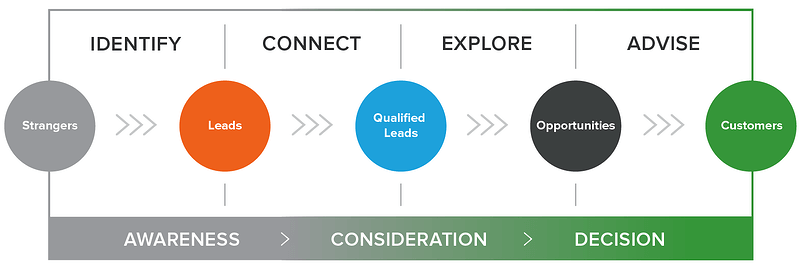
In this model, sales representatives often assume an advisory role, working closely with leads to ensure the product or service is a genuine fit for their needs. This consultative approach builds trust and positions the company as a knowledgeable partner rather than just a vendor. The effectiveness of inbound sales is often amplified by search engine optimization (SEO) and content marketing efforts that drive organic traffic and establish thought leadership.
Outbound Sales: Proactive Engagement and Lead Generation
Outbound sales strategies, conversely, involve actively sourcing and initiating contact with potential leads, rather than waiting for them to express interest. While often associated with traditional methods like cold emailing and cold calling, these techniques, when executed strategically, can still form the backbone of successful sales operations. The efficacy of an outbound strategy hinges on a compelling offer and a seamless sales process. Crucially, adherence to data privacy regulations, such as GDPR, is paramount to ensure ethical and legal lead sourcing. DemandScience, for instance, offers solutions designed to assist businesses in navigating these compliance requirements.
The success of outbound efforts is directly correlated with the quality of lead generation and the personalization of outreach. Utilizing data analytics to identify prospects with a high propensity to buy, and crafting targeted messaging that addresses their specific needs, can significantly improve conversion rates. For businesses with a higher average contract value, outbound strategies can be particularly effective in initiating conversations with key decision-makers who may not be actively searching for solutions.
Account-Based Marketing (ABM): Precision Targeting for High-Value Accounts
Account-Based Marketing (ABM) represents a highly targeted approach that focuses on identifying and engaging specific high-value accounts that demonstrate a strong fit with a company’s ideal customer profile. The process begins with a deep dive into defining these target accounts, often involving extensive research into their industry, size, challenges, and existing technology stack. Once identified, highly personalized and relevant content is developed to nurture these accounts through the sales funnel.
ABM campaigns typically involve coordinated efforts across multiple decision-makers within a target organization. The overarching goal is to provide a consistent flow of valuable information, building consensus and fostering buy-in from all key stakeholders. This requires a close and continuous collaboration between sales and marketing teams. An illustrative example of an ABM campaign might involve targeted LinkedIn advertising directed at key individuals within a chosen account, simultaneously with personalized outreach from the sales team via email or phone. This approach inverts the traditional sales funnel by prioritizing the identification of target accounts before tailoring campaigns to their specific conversion journey. For organizations with the resources to invest in such a sophisticated strategy, ABM can yield exceptionally high conversion rates and significant return on investment.
The Blueprint for Building Your Sales Strategy
The development of a successful sales strategy is a structured process that requires careful consideration of several key elements.
1. Understanding Your Ecosystem: Industry, Product, and Buyer Persona
The foundational step in crafting a sales strategy involves a thorough understanding of the business’s operating environment. This includes a deep analysis of the industry landscape, the unique selling propositions of the product or service, and a detailed profile of the ideal buyer persona. This understanding dictates how the business will position itself and its offerings to the target market.

Another critical factor is the Average Contract Value (ACV). A low ACV necessitates different sales tactics than those employed for a high ACV, impacting everything from the length of the sales cycle to the cost of customer acquisition. Industry-specific norms also play a significant role. Some sectors thrive on in-person interactions and trade shows, while others are predominantly driven by online networking and digital sales processes.
2. Setting Clear and Achievable Sales Goals
Sales goals should be intrinsically linked to broader company objectives. Once overarching sales targets are established, they must be broken down into actionable Key Performance Indicators (KPIs) and individual goals for sales representatives. For instance, a goal might be to send 100 cold emails to qualified leads per week. The overarching principle is that sales goals should accurately reflect the expected activities of the team and the desired outcomes. This clarity ensures that efforts are aligned and progress is measurable.
3. Identifying Key Acquisition Channels
The selection of effective acquisition channels is paramount and directly flows from the defined buyer personas. Understanding who the ideal customer is and the most effective ways to reach them is the starting point. Depending on the target audience, a diverse range of demand generation strategies can be employed. These might include:
- Content Marketing: Creating and distributing valuable content to attract and engage a defined audience.
- Search Engine Optimization (SEO): Optimizing online content to rank higher in search engine results pages.
- Paid Advertising: Utilizing platforms like Google Ads or social media ads to reach specific demographics.
- Social Media Marketing: Engaging with potential customers on relevant social platforms.
- Email Marketing: Developing targeted email campaigns to nurture leads and promote products.
- Cold Outreach: Proactively contacting potential customers through email or phone.
- Referral Programs: Incentivizing existing customers to refer new business.
- Partnerships and Affiliates: Collaborating with other businesses to reach a wider audience.
The suitability of a channel is heavily influenced by the product’s price point. For a low-cost monthly subscription, time-intensive channels like cold emailing might not be cost-effective. Instead, a focus on less labor-intensive acquisition methods would be more appropriate. Conversely, for expensive, infrequently purchased items, cold emails can serve as an effective initial touchpoint to educate prospects before a more in-depth engagement.
4. Measuring and Analyzing Sales Performance
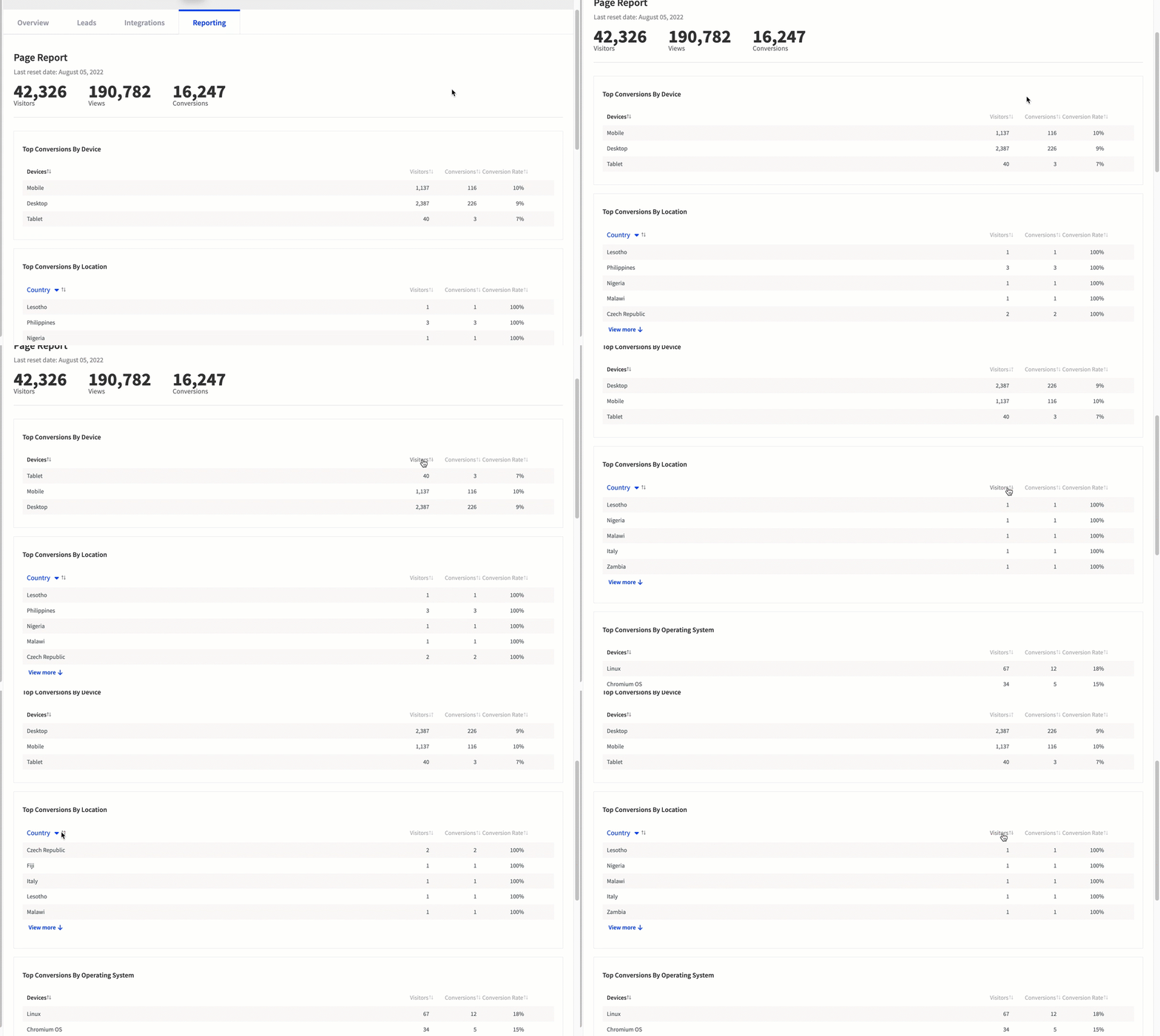
Consistent measurement of all sales activities is the only reliable method for tracking progress towards targets. Without robust metric tracking, businesses operate in the dark, unaware of what is effective and potentially wasting valuable resources. A variety of tools exist for tracking sales goals, ranging from general productivity platforms like Trello or Microsoft Excel (including Google Sheets) to specialized Customer Relationship Management (CRM) systems.
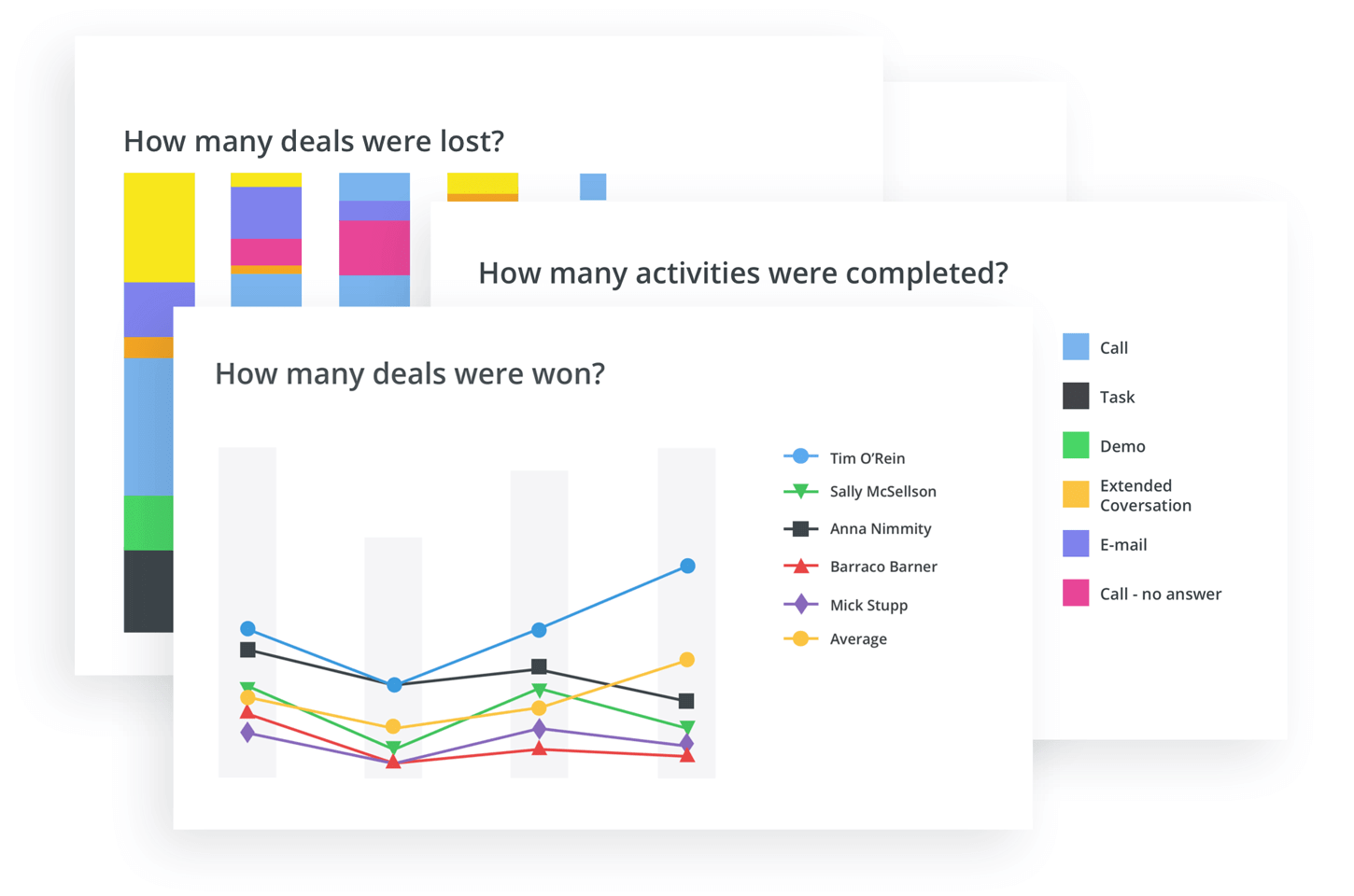
While basic tools can facilitate goal tracking, CRM systems offer more sophisticated analytics and reporting capabilities. Platforms like Pipedrive, for example, provide detailed insights into metrics such as cold emails sent, open rates, response rates, and revenue forecasts. Over half of sales teams report enhanced productivity when utilizing a CRM, underscoring its value in optimizing sales performance and ensuring efficient resource allocation.
5. Automating Repetitive Processes
Once a sales strategy demonstrates positive results, the next logical step is to automate repetitive processes. As sales efforts scale, manual management of tasks can become overwhelming. Automating routine activities frees up sales representatives to focus on engaging with high-potential leads. This includes automating lead list generation using tools that filter prospects based on detailed criteria such as job titles, industry, company size, and technology stacks.
Tools like Lead Forensics can identify website visitors, enabling proactive outreach. Automation also extends to lead scoring, a critical component of the sales process. CRMs such as HubSpot CRM, Salesforce, and Agile CRM offer automated lead scoring functionalities. By assigning scores to leads based on their interactions with a brand, sales teams can prioritize their efforts, knowing precisely when a lead is most receptive to contact.
Continuously Optimizing Your Sales Strategy
The dynamic nature of the market necessitates ongoing optimization of sales strategies to ensure resources are being utilized to their fullest potential. This involves a critical review of campaign performance, identifying underperforming areas, and implementing targeted improvements. For instance, if cold email open rates are consistently low, the underlying issues could stem from the subject line or the email content itself. By systematically altering one variable at a time and monitoring the impact, businesses can iteratively enhance their outreach effectiveness.
The Enduring Value of Existing Customers
It is imperative to recognize that nurturing relationships with existing customers is often more cost-effective than acquiring new ones. Research indicates that businesses are between 60% and 70% more likely to sell to an existing customer than a new prospect. Maintaining high levels of customer satisfaction is crucial to retaining this valuable customer base, as avoidable customer churn results in substantial financial losses annually. A robust sales strategy should therefore incorporate elements that foster ongoing customer engagement, loyalty, and opportunities for upselling and cross-selling. By prioritizing both acquisition and retention, businesses can build a more resilient and profitable sales engine.


 Nana

 Asep Darmawan