Ali Ikhwan
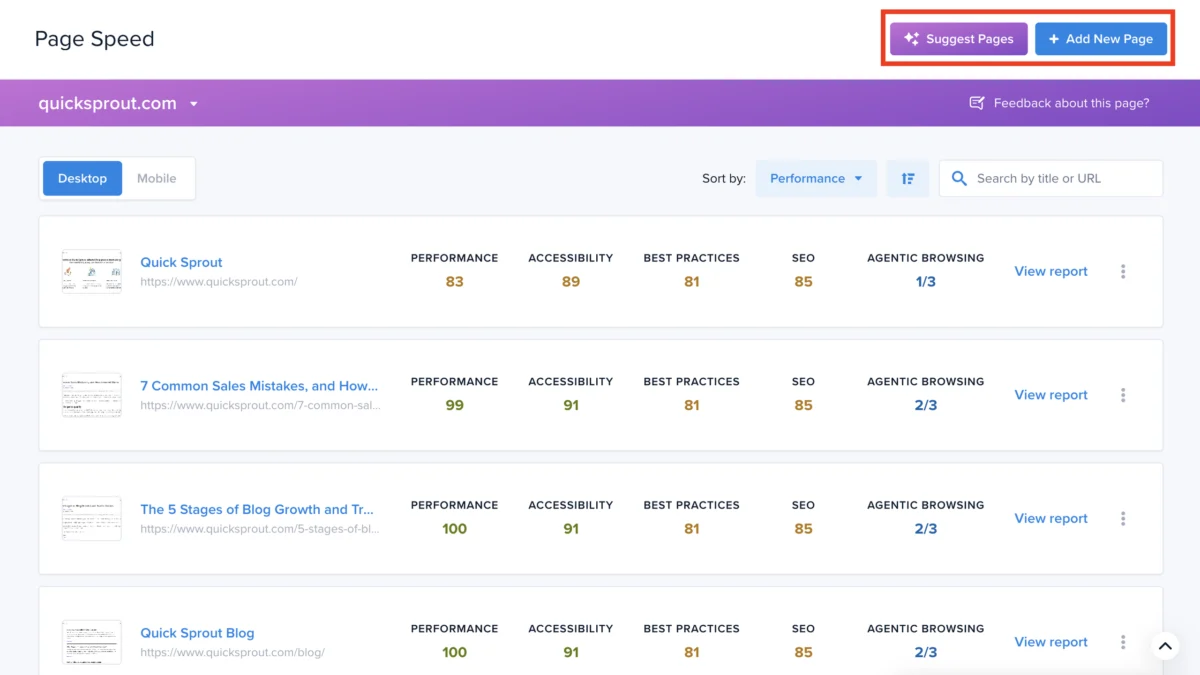
Crazy Egg, a leading provider of website optimization and user experience (UX) analytics, has announced a significant update to its Page Speed Audits tool, introducing automated "Suggest Pages" functionality and multi-page monitoring capabilities. This development, aimed at streamlining technical SEO and performance management for digital marketers and web developers, represents a strategic expansion of the platform’s performance monitoring suite. The update follows the initial August 2026 launch of Page Speed Audits, which was designed to provide actionable fixes for loading latency. By integrating data-driven suggestions based on traffic and page importance, Crazy Egg aims to help businesses prioritize optimization efforts on the URLs that most significantly impact their bottom line.
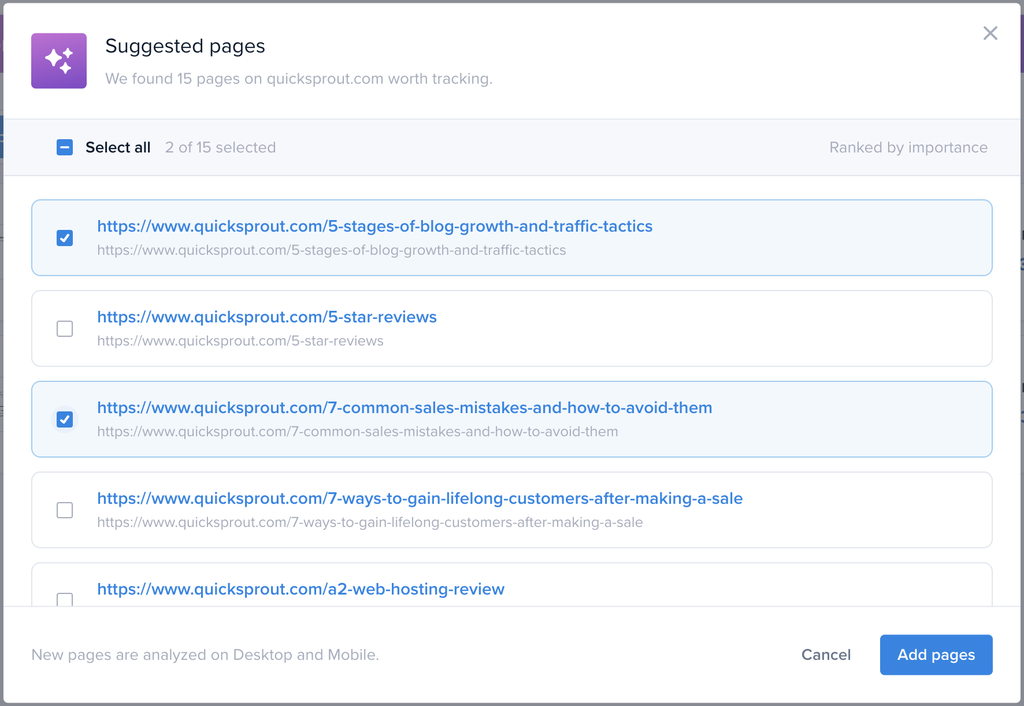
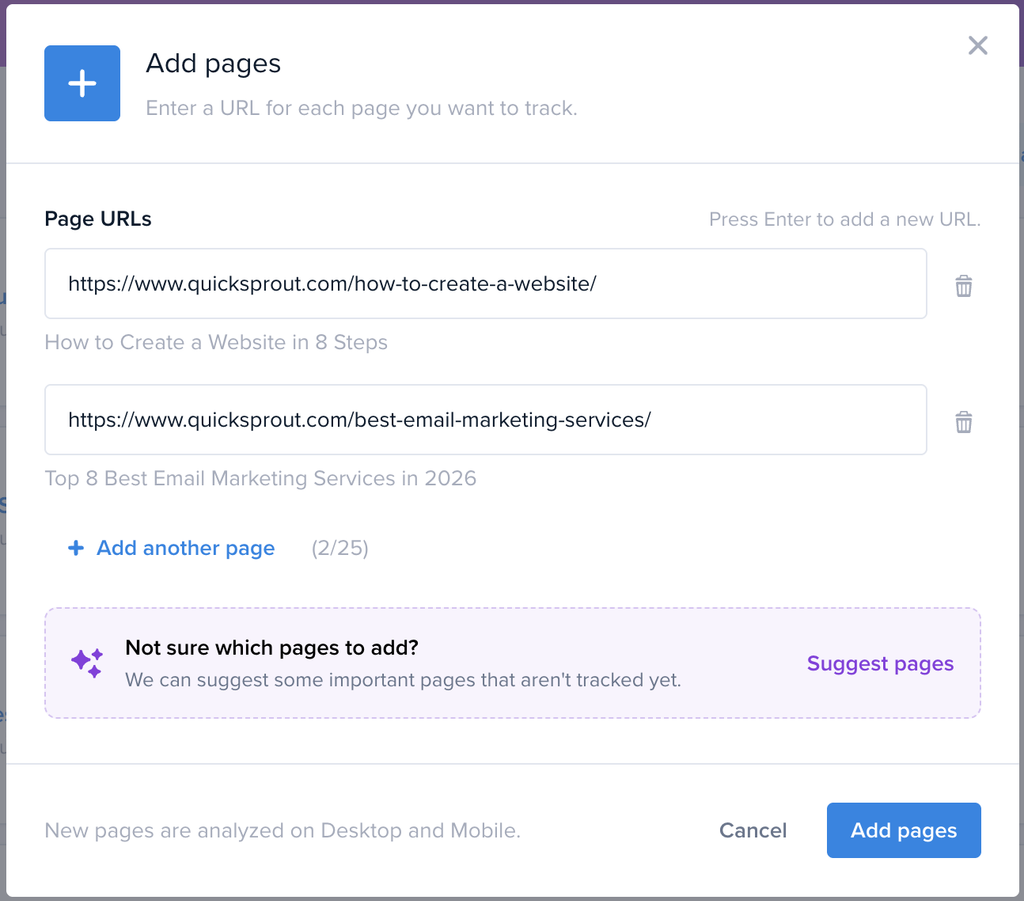
The core of this update addresses a common challenge in enterprise-level website management: identifying which pages among hundreds or thousands require immediate attention. The new "Suggest Pages" feature utilizes internal traffic data and page value metrics to automatically highlight high-priority URLs for speed monitoring. Simultaneously, the introduction of a bulk-add feature allows users to scale their monitoring efforts across multiple site segments instantly, moving away from the manual, one-by-one configuration that has historically slowed down the implementation of performance tracking.
Background and Evolution of Page Speed Audits
The journey toward these enhancements began in August 2026, when Crazy Egg officially entered the performance monitoring space with its Page Speed Audits tool. Prior to this, the platform was primarily known for its heatmap and session recording capabilities. However, recognizing that user behavior is inextricably linked to site performance, the company developed an integrated auditing tool that not only measures load times but also provides specific code-level fixes.
Since the August launch, the platform has monitored millions of page loads, providing users with a regular cadence of refreshes to detect sudden regressions in performance. These regressions are often caused by unoptimized image uploads, bloated third-party scripts, or server-side latency. The October update is a direct response to user feedback requesting more automation in the setup process and more intelligence in identifying critical performance bottlenecks across high-traffic landing pages.
Technical Breakdown of New Features
The update introduces two primary technical workflows designed to reduce the time-to-value for digital growth teams.
Automated Page Suggestions
The "Suggest Pages" algorithm analyzes the site’s traffic patterns to identify the most visited and influential pages. Rather than requiring a manual audit of the entire site architecture, the tool surfaces pages that are likely to have the highest impact on conversion rates if optimized. This is particularly beneficial for e-commerce sites with vast product catalogs or content-heavy publishers where certain evergreen articles drive the majority of search engine traffic.
Bulk Monitoring Integration
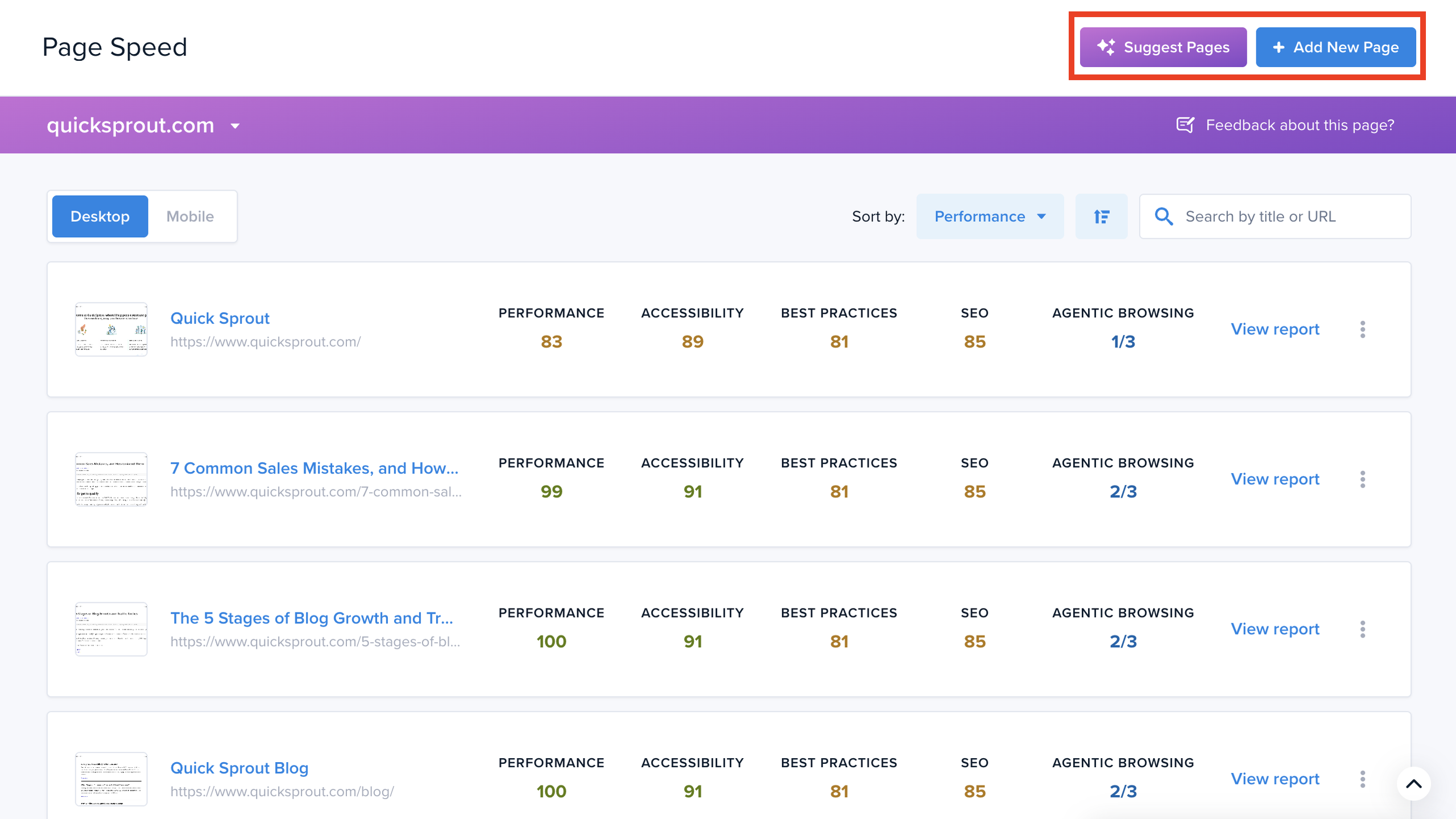
The second major feature is the ability to add multiple pages for monitoring in a single action. This functionality is geared toward power users and agencies managing complex site structures. By allowing for the simultaneous tracking of entire subdirectories or campaign-specific landing pages, Crazy Egg has moved toward a more comprehensive "set-and-forget" model for performance oversight. Users can access these features through the top-right dashboard interface, where the platform has consolidated its monitoring management tools.

The Critical Role of Page Speed in 2026
The timing of this update is significant within the broader context of the digital economy. In 2026, the relationship between page speed and business success has become more pronounced due to several converging factors:
- Search Engine Requirements: Google and other major search engines have continued to refine their ranking algorithms to prioritize Core Web Vitals. Speed is no longer just a "tie-breaker" in search rankings but a foundational requirement for visibility.
- AI Model Indexing: As AI-driven search engines and Large Language Models (LLMs) become primary drivers of traffic, the speed at which these models can crawl and parse data has become a critical factor in "indexability." Slow-loading pages risk being deprioritized by AI crawlers that operate on strict time-to-first-byte (TTFB) thresholds.
- Mobile-First Dominance: With mobile traffic accounting for the vast majority of web interactions globally, performance on variable network speeds (4G, 5G, and satellite) is essential for maintaining low bounce rates.
Industry data suggests that a one-second delay in page load time can lead to a 7% reduction in conversions and an 11% decrease in page views. For a site generating $100,000 per day, a one-second improvement could theoretically result in an additional $2.5 million in annual revenue. Crazy Egg’s update directly targets these financial stakes by ensuring that the most valuable pages are the ones receiving the most rigorous monitoring.
Chronology of Platform Development
To understand the trajectory of Crazy Egg’s performance suite, it is helpful to look at the recent timeline of releases:
- August 12, 2026: Crazy Egg launches Page Speed Audits. The initial version focused on identifying "Low," "Medium," and "High" impact fixes for individual URLs, integrating with Lighthouse-based metrics.
- September 2026: Introduction of historical speed tracking, allowing users to see a timeline of how specific fixes improved (or how new deployments degraded) page performance over a 30-day window.
- October 23, 2026: Launch of the current update. This iteration introduces the "Suggest Pages" AI and the multi-page addition feature, shifting the product from a reactive audit tool to a proactive monitoring ecosystem.
Strategic Implications for Digital Marketers
For growth marketing leaders like Stephen Ngo, Director of Growth Marketing at Crazy Egg, the focus is on the intersection of performance and profitability. The new features reflect a shift in the industry toward "Performance-Driven UX."
"Fast-loading pages are critical for getting engagement from users, search engines, or AI models," the company stated in its release. This acknowledgment of AI models is a notable shift in the narrative, highlighting that the "audience" for a website is no longer just human users but also the automated systems that summarize and recommend content to those users.
By providing specific, automated fixes, Crazy Egg is attempting to bridge the gap between marketing teams and technical development teams. Often, a marketing team identifies a speed issue but lacks the technical vocabulary to tell a developer exactly what needs to change. The Page Speed Audits provide a common language, offering specific instructions—such as minifying CSS, deferring non-critical JavaScript, or optimizing image formats—that can be directly implemented.
Industry Reactions and Market Context
The move has been viewed by industry analysts as a competitive play against other SEO and performance tools such as SEMrush, Ahrefs, and Google’s own PageSpeed Insights. While Google provides the data for free, platforms like Crazy Egg add value by contextualizing that data within the user’s actual behavior (heatmaps) and providing a more user-friendly interface for managing large-scale audits.
Digital agencies have expressed a particular interest in the bulk-add feature. "Managing page speed for a client with 5,000 SKUs used to be a sampling game," says one industry consultant. "You would check the homepage, a category page, and a product page and hope for the best. With bulk adding and automated suggestions, we can now monitor the top 500 revenue-generating pages with the same level of effort we used to spend on five."
Analysis of Broader Impact
The automation of page speed monitoring signifies a broader trend in MarTech: the move toward "Intelligent Observability." It is no longer enough to have data; platforms must now tell users which data matters most. By suggesting pages based on traffic and importance, Crazy Egg is effectively acting as a digital consultant, guiding users toward the highest-ROI activities.
Furthermore, this update underscores the increasing complexity of the modern web. As sites become more reliant on heavy client-side rendering and third-party integrations, the "drift" in performance becomes more frequent. A site that is fast today can become slow tomorrow because of a single updated tracking pixel or a large unoptimized hero image. The "refresh regularly" nature of Crazy Egg’s audits is designed to catch this drift before it results in a significant loss of search ranking or user trust.
Conclusion and Future Outlook
The October 2026 update to Crazy Egg’s Page Speed Audits marks a maturation of the platform’s performance capabilities. By simplifying the monitoring of multiple pages and using data to suggest high-value targets, Crazy Egg is positioning itself as an essential tool for the modern, speed-obsessed digital landscape.
As we move toward 2027, it is expected that Crazy Egg will continue to integrate these performance metrics more deeply with its core heatmap and session recording tools. The ultimate goal for such platforms is likely a unified "Experience Score" that combines technical performance, visual engagement, and conversion probability into a single, actionable metric. For now, the ability to effortlessly monitor and optimize the most important pages on a site provides a significant advantage for businesses looking to stay competitive in an increasingly fast-paced online environment.


 Ammar Sabilarrohman

 Siti Muinah