rifanmuazin
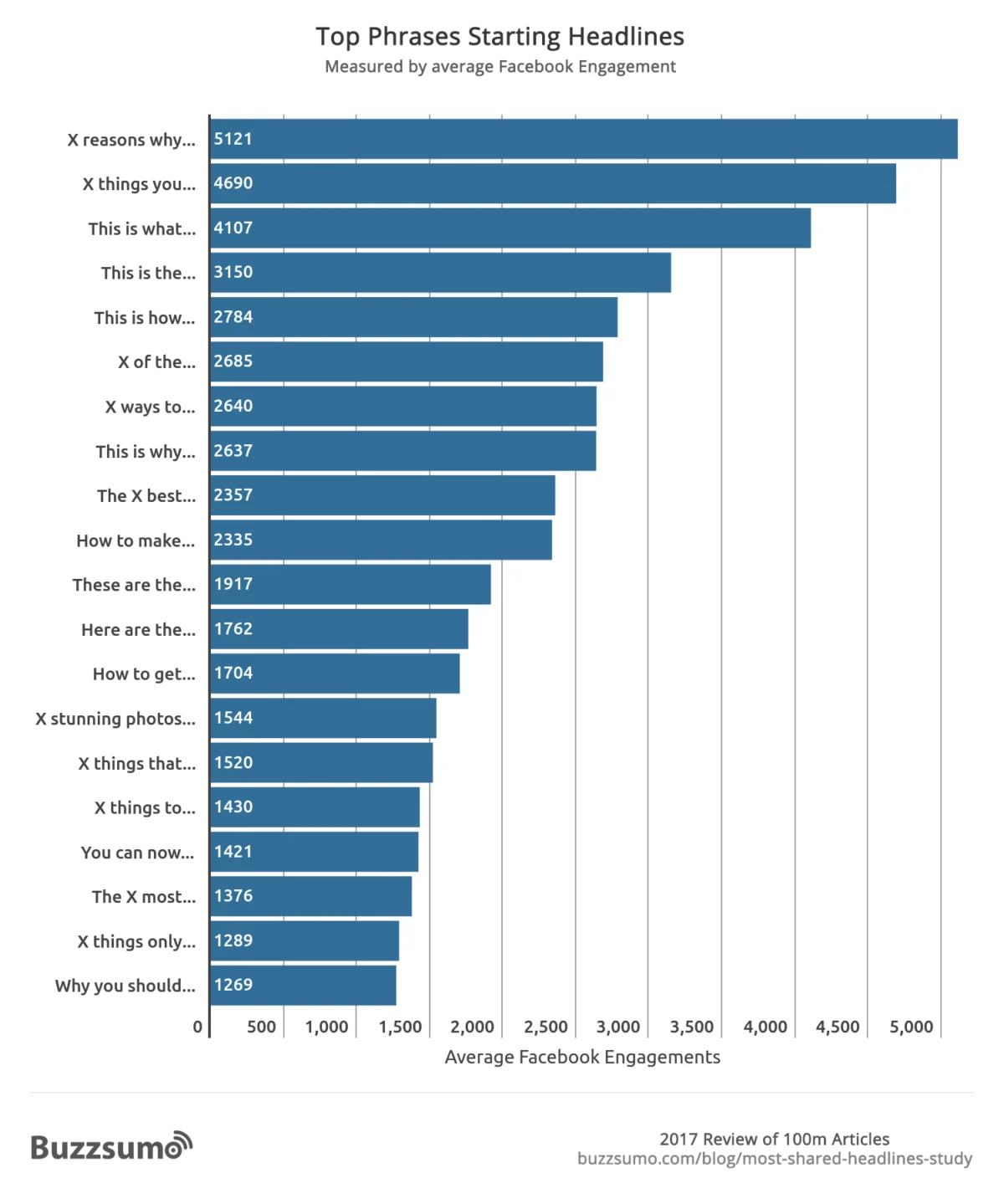
In an increasingly competitive digital landscape, where algorithms dictate visibility and audience standards are exceptionally high, the art of crafting compelling headlines has never been more crucial. A recent comprehensive study by BuzzSumo, building on its foundational 2017 research, delved into an extensive index of 100 million headlines to uncover the evolving dynamics of reader engagement on Facebook and Twitter. This in-depth analysis, spanning content from 2019 to 2020, provides critical insights for publishers and content creators seeking to optimize their content for maximum reach and impact.
The Enduring Power of a Well-Crafted Headline
A headline transcends a mere title; it serves as the initial point of connection, a concise summary that must immediately resonate with an audience. Whether appearing as a subject line, a tweet, a sub-heading, or a video title, its primary function is to capture attention, inform, and compel further engagement. The challenge of writing effective headlines has intensified, with sophisticated algorithms, heightened competition, and discerning audiences demanding more precision and value.
To navigate this complex environment, BuzzSumo undertook a monumental task, analyzing 100 million headlines to identify the characteristics of those that performed best on Facebook and Twitter. This updated research not only provides current best practices but also offers a vital comparison to the findings of Steve Rayson’s much-cited 2017 study, revealing significant shifts in audience preferences and platform algorithms. Industry-leading marketing experts were also consulted, providing valuable commentary on the study’s implications.
Key Insights into Modern Headline Performance
The latest BuzzSumo research highlighted several pivotal findings for content creators:
- The ideal headline length has become shorter, emphasizing conciseness.
- Specific numbers, particularly ’10’, continue to drive strong engagement.
- Overtly emotional, tribal, and quiz-based headlines, once dominant, have significantly declined in effectiveness.
- Instructional and hyperbolic language now consistently outperform other categories on Facebook.
- Audience preferences and algorithmic changes have led to a near-complete overhaul of top-performing headline phrases since 2017.
Evolving Headline Length and Structure
Outdated advice often suggested brevity, advocating for snappy, six-word headlines. However, the 2019-2020 study reveals that headlines need to be both specific and sufficiently detailed to draw readers in. The optimal headline length was identified as 11 words and 65 characters. This marks a notable reduction from the 2017 findings, which indicated an ideal length of 15 words and 95 characters. This trend suggests a growing demand for immediate information, with audiences preferring snappier headlines that quickly convey value in an era of content overload. A separate study confirmed a 64% increase in online content published since 2016, underscoring the necessity for headlines to cut through the noise efficiently.
The Strategic Use of Numbers in Headlines
Numbers continue to be a powerful tool for engagement, with the study identifying 10 as the "magic number" for headlines. Beyond this, single-digit numbers from three to ten consistently drive the most engagement on social media, securing the top seven positions for most-shared headlines on Facebook and Twitter. Interestingly, there was no strong preference for odd or even numbers, with both appearing frequently among the top five. This reinforces the idea that numbers provide structure, promise clear takeaways, and increase specificity, making content more clickable. However, a comparison to 2017 data reveals a shift away from larger double-digit numbers like 15 and 20, indicating a preference for shorter lists and quicker insights.
A Seismic Shift: The Demise of Emotional and Tribal Clickbait
One of the most profound revelations of the updated study is the dramatic transformation of effective headline styles since 2017. Back then, emotional words and phrases like "will make you," "tears of joy," and "melt your heart" were highly effective on Facebook, often preceding sensational content. Similarly, quizzes ("can we guess," "only X in") and tribal headlines ("X things only [group] will understand") dominated engagement.
The 2019-2020 analysis, however, shows a stark reversal. Explicitly emotional or sensational headlines are now rare, with only "in love with" appearing as a top phrase, and even then, at a significantly reduced engagement level compared to its 2017 counterparts. The once-mighty "will make you" trigram, which garnered 1.7 million shares in 2017, achieved only 143,000 shares in the updated study. Tribal and quiz-based headlines have also largely vanished from the top ranks.
This dramatic shift can be attributed to several factors: algorithmic maturity, evolving audience preferences, and changes in the publisher landscape. Facebook, in particular, has actively demoted clickbait-style content since May 2017, further refining its algorithm in January 2018 to prioritize "trustworthy news" and again in June 2020 to boost "original and authoritative news reporting." These algorithmic developments have fundamentally reshaped content consumption, pushing users toward more substantive and less sensationalized headlines.
The Changing Publisher Landscape
The transformation in headline effectiveness is mirrored by a drastic change in the top publishers driving engagement. In 2017, Facebook’s top 10 domains included a mix of general interest and entertainment sites. By 2019-2020, the list was dominated by traditional news outlets such as cnn.com, dailymail.co.uk, nbcnews.com, washingtonpost.com, cbsnews.com, and time.com. This shift directly reflects Facebook’s algorithmic adjustments, which favor established, authoritative news sources, ensuring that the insights from the latest study are derived from more reliable and credible content. The Twitter landscape also saw a significant change, with only one domain (Forbes) remaining in the top 10 between 2017 and 2019-2020, indicating a dynamic and evolving platform.
Disparate Engagement: Facebook vs. Twitter
The study revealed a significant divergence in engagement trends between the two platforms. On Facebook, the most engaging trigram ("of the year") saw a threefold increase in average shares from 2017 to 2019-2020 (from 8,691 to 26,702). Conversely, Twitter experienced a nearly fourfold decrease in shares for its most popular phrases over the same period. Further analysis showed an overall 14% drop in Twitter shares from 2017 to 2020, despite relatively stable monthly active users. This suggests a greater variety of content on Twitter, diluting average shares for common phrases, or a fundamental shift in how users interact with content on the platform.
Deep Dive: Effective Headline Strategies for 2019-2020
Facebook’s Top Engagement Trigrams:
The analysis of three-word phrases (trigrams) on Facebook, chosen for their satisfying, memorable, and impactful nature, revealed several key categories:
- Ranking: Phrases like "of the year" (e.g., "TIME’s Person of the Year 2020") dominate, generating discussion through awards and public votes.
- Newness: "in X years," often part of "for the first time in X years," signals unique or rare events, building intrigue (e.g., "For the first time in history, U.S. billionaires paid a lower tax rate than the working class").
- Hyperbole: Exaggerated statements using superlatives are highly effective. Phrases like "one of the," "of the most," and "of the best" (e.g., "Why Your Older Sister Is One of the Most Important People in Your Life") attract attention by promising exceptional content.
- Instructional: This category, which notably "stole the show" in terms of overall engagement, uses modal verbs and commanding statements like "you need to," "you should," and "need to know" (e.g., "Everything you need to know about washing your hands to protect against coronavirus"). These phrases invoke a sense of urgency and FOMO (fear of missing out), promising concise, critical information.
- Surprise: Headlines designed to shock or challenge conventional views, often incorporating numbers (e.g., "There Are At Least 36 Intelligent Alien Civilizations In Our Galaxy, Say Scientists").
- Curiosity: Phrases that reveal, explain, or analyze, including declarative statements ("here are the"), listicles ("X reasons why"), predictions ("the future of"), and questions (e.g., "Museum Asks People To Recreate Paintings With Stuff They Can Find at Home, Here Are The Results").
- Guidance: "How to" or tutorial-based headlines, indicating a desire for learning (e.g., "How to make cookie cereal, the hottest new food trend").
- Story: Headlines centered around a person or topic, akin to case studies (e.g., "Inside the Story of How H-E-B Planned for the Pandemic").
When examining phrases that start Facebook headlines, listicles (starting with a number) were highly prevalent, along with instructional and curiosity-driven phrases. "How to" phrases were particularly popular, indicating a strong appetite for learning. Phrases ending Facebook headlines were heavily time-centric, focusing on current events and future predictions, especially those related to the pandemic ("of 2020," "in 2021"). Numbers at the end were often used to induce surprise or highlight speed to insight. Social media trends also fueled headlines, turning trending conversations into widely shared content.
Twitter’s Top Engagement Trigrams:
Twitter audiences demonstrated distinct preferences:
- "Future of": This phrase was the most shared trigram and also most commonly started Twitter headlines (e.g., "The future of work in a post-pandemic world"). This suggests a forward-looking, analytical bent.
- Research-Driven Content: Words like "study" and "report" frequently started headlines, indicating that Twitter is an ideal platform for sharing data-backed research.
- Immediacy and Reactivity: Headline endings were heavily concerned with current dates, times, and developments, with "2020" and similar time markers dominating the top spots. Twitter users clearly seek current affairs and real-time information.
Crossover Strategies for Both Platforms:
Despite their differences, eight of the top 20 headline phrases were common across both Facebook and Twitter, indicating universal appeal for certain content types. Instructional headlines, such as "need to know," "look at the," and "what to do," showed success on both platforms. However, content creators must acknowledge the vast difference in engagement volume, with Facebook’s most shared phrases garnering 590 times more average shares than Twitter’s. This underscores the importance of tailoring content distribution and headline optimization to each platform’s unique audience and algorithmic environment.
Expert Commentary: Adapting to the New Reality
Leading marketing experts provided valuable perspectives on the study’s findings:
- Heidi Cohen (Actionable Marketing Guide) highlighted customer behavior changes due to the pandemic, emphasizing the need for marketers to focus on core marketing basics and adapt to evolving customer needs. She also pointed out an opportunity for B2B marketers to leverage emotional elements typically seen in B2C content to stand out.
- Julian Shapiro (Demand Curve) lauded the report as a "highest signal-to-noise" resource for content marketing.
- Rand Fishkin (SparkToro) stressed the value of the data for understanding historical versus current effectiveness, noting that the research "mythbusts" assumptions about clickbait and emotional triggers while illuminating current best practices.
- Ross Simmonds (Foundation) found the shift away from traditional "click-friendly" BuzzFeed-style headlines intriguing, advocating for the adoption of instructional copy to tap into the human desire not to miss out on important information.
- Brian Dean (Backlinko) pointed out the "huge shift" on Facebook from BuzzFeed-style clickbait to instructional headlines, signaling that today’s Facebook users seek content that teaches them something new.
- Amanda Milligan (Fractl) found the "instructional" trend fascinating, suggesting it reflects a growing desire to learn from experts and that such language inherently demonstrates authority, encouraging brands to leverage their expertise.
The consensus among experts is clear: the digital content landscape has matured. While the underlying human psychology of curiosity and self-interest remains, the overt sensationalism of the past is being replaced by a demand for clear, valuable, and authoritative information.
Practical Application: Leveraging BuzzSumo for Headline Analysis
For content creators inspired to conduct their own research, BuzzSumo’s Content Analyzer offers robust tools. Users can search for specific phrases (e.g., "need to know") to identify top-performing headlines based on social media shares and engagement across various platforms, including Facebook, Twitter, Pinterest, and Reddit. The tool also provides insights into backlinks, evergreen scores, and top sharers. Advanced search functions allow for analysis of trigrams, starting/ending phrases, and even single words, enabling tailored research for specific domains, languages, and journalist profiles.
Conclusion: Principles for Writing Better Headlines
This extensive analysis of 100 million headlines underscores that effective headline writing is not about simply copying successful phrases, but about understanding the underlying principles and themes that resonate with audiences. The digital environment has shifted towards greater transparency, utility, and genuine value.
To write better headlines, content creators should:
- Be Specific: Clearly communicate the content’s value.
- Arouse Curiosity: Tease information without resorting to clickbait.
- Emphasize Newness: Highlight fresh perspectives or discoveries.
- Offer Guidance: Provide clear instructions or solutions.
- Promise a Benefit: Explain what the reader will gain.
- Leverage Hyperbole (Judiciously): Use strong, descriptive language to convey exceptional quality.
- Utilize Numbers Strategically: Employ numbers to structure content and offer quick insights, favoring smaller, more digestible lists.
- Consider Platform Nuances: Tailor headlines to the distinct audience preferences and algorithmic realities of each social network.
Ultimately, a truly effective headline is one that stands alone, capable of being shared and understood even without the accompanying article. It must offer enough intrigue and promise to overcome the immense content noise, prompting readers to engage. The ongoing evolution of social media platforms and audience expectations necessitates continuous research and adaptive strategies for content creators to maintain relevance and impact.
Methodology:
The 2019-2020 study analyzed 100 million article headlines published between 2019 and 2020 on Facebook and Twitter. A comparison was drawn with a similar 2017 study that analyzed 100 million headlines from March 1st to May 10th, 2017. The analysis focused on trigrams (three-word phrases), bigrams (two-word phrases), and unigrams (single words) that achieved the highest average median shares. To ensure data integrity and prevent popular sites from skewing results, only one headline trigram/phrase example per domain was included in the trigram analysis. Outliers were further removed by excluding the three most shared examples of each trigram. Engagement was measured by average median shares, providing a robust metric for headline performance. The research was conducted by BuzzSumo’s Content Manager, Louise Linehan, with data collection by Co-Founder and CTO Henley Wing Chiu, and inspired by Steve Rayson’s original work.


 Nana Wu

 Nana