Basiran
The holiday shopping season, anchored by the colossal retail events of Black Friday and Cyber Monday, represents the pinnacle of commercial activity for businesses globally. Yet, the purchasing frenzy extends far beyond this crucial weekend, continuing unabated through the final days of December. In this hyper-competitive landscape, where consumers are bombarded with an unprecedented volume of marketing messages, the email subject line emerges as the single most critical determinant of success, acting as the primary gatekeeper to engagement and ultimately, revenue.
The Intensifying Battle for Inbox Attention
The modern consumer’s inbox during the holiday season is a battlefield. Subscribers routinely receive hundreds, if not thousands, of emails from various brands vying for their attention. This deluge transforms the subject line from a mere descriptor into a powerful psychological trigger, dictating whether an email is opened, ignored, or relegated to spam. Understanding the intricate psychology behind what compels individuals to open an email, coupled with robust strategic execution and meticulous attention to deliverability, is paramount for any brand aiming to cut through the digital noise.
The significance of this period cannot be overstated. According to the National Retail Federation (NRF), holiday sales often account for 20% of annual retail sales, and for some retailers, this figure can soar to 30% or even 40%. The shift towards e-commerce, accelerated by global events, has further amplified the role of digital marketing, with email remaining a cornerstone due to its high return on investment (ROI). Data from the Direct Marketing Association (DMA) consistently shows that email marketing yields an average ROI of $42 for every $1 spent, underscoring its pivotal role, especially during peak sales periods. However, this impressive ROI is contingent upon emails actually reaching and engaging the recipient.
Beyond the Subject Line: The Holistic Inbox Experience
While the subject line is undeniably crucial, its effectiveness is intrinsically linked to the broader "inbox envelope." This encompasses the sender name and the preview text, both of which contribute significantly to a subscriber’s initial assessment of an email’s worth. In a season characterized by relentless competition, subscribers instinctively scan sender names first. Therefore, maintaining a clear, recognizable brand name – devoid of extraneous keywords or personal names that might confuse – is non-negotiable.
Furthermore, integrating Brand Indicators for Message Identification (BIMI) is an increasingly vital step. BIMI allows verified brand logos to appear next to subject lines in supporting inboxes, providing an immediate visual cue of authenticity and trustworthiness. This not only enhances brand recognition but also serves as a crucial deliverability win, signaling to mailbox providers that the sender is legitimate and reducing the likelihood of emails being flagged as spam. Investing in BIMI verification before the holiday rush can provide a distinct advantage in a crowded inbox.
The Psychology of Engagement: Fear, Fun, and Storytelling
Marketers often gravitate towards urgency during the holiday season, leveraging the fear of missing out (FOMO) with phrases like "LAST CHANCE" or "Deal Ends Soon!" While effective to a degree, this approach can become diluted when every brand employs similar tactics. Consumers have grown savvy; they understand that another deal is often just around the corner. Over-reliance on heavy-handed urgency can erode brand connection, fostering a transactional rather than relational dynamic.
A more nuanced strategy involves balancing urgency with elements of whimsy, delight, or compelling narratives. Leaning into "fun" can create a positive emotional connection, making a brand stand out from the sea of aggressive sales pitches. This could manifest through creative wordplay, intriguing questions, or a lighter tone that hints at the joy of the season.
Moreover, effective holiday email marketing transcends mere discounts. While deals are the primary driver, the narrative surrounding them is equally important. Brands should remember the core reason subscribers are interested in their products or services in the first place and craft subject lines that tap into that foundational connection. This means leading with "story," not just "sales." For example, instead of merely stating "20% off," a subject line might evoke the benefit or feeling associated with the product, like "Unlock the perfect cozy winter evenings with 20% off." This approach resonates more deeply and fosters stronger engagement.
Personalization: A Shifting Dynamic During the Holidays
The conventional wisdom in email marketing champions personalization, and for good reason. Marketers frequently report substantial revenue increases (up to 20%) from personalized subject lines, and segmented campaigns can drive 760% more revenue than unsegmented ones. However, the holiday season presents a unique challenge to traditional personalization strategies.
As noted by email marketing expert Chad S. White, during the holidays, a significant portion of shopping is for others. This means that the zero- and first-party data meticulously collected throughout the year – focusing on individual preferences and purchase history – may not be directly applicable for tailoring gift-giving subject lines. A subject line like "Just for you, [First Name]" might fall flat if the recipient is browsing for a loved one. In such cases, generic yet evocative language like "Just for them" or "Perfect gifts inside" can be more effective. The focus shifts from individual consumer preferences to the broader act of gift-giving.
Nevertheless, personalization should not be entirely abandoned. For emails targeting self-purchases or post-holiday clearance, leveraging individual data remains highly potent. The key is strategic application: understanding when to personalize based on individual data and when to pivot to gift-centric or broader seasonal messaging.
Fundamental Best Practices for Subject Line Crafting
Regardless of the specific promotion or audience, several foundational principles underpin effective holiday subject lines:
- Conciseness is King: In a crowded inbox, brevity is rewarded. Aim for no more than nine words and approximately 60 characters. Mobile devices, which account for a significant portion of email opens (often over 50%), truncate longer subject lines, rendering their impact moot. A concise subject line ensures the core message is immediately visible and digestible.
- Strategic Personalization: As discussed, when data allows for relevant individualization, use it. This could be geographic, past purchase behavior, or simple first-name inclusion, carefully considering the context of the email (gift vs. self-purchase).
- List Segmentation: Dividing your subscriber list into segments based on demographics, purchase history, engagement levels, or inferred intent allows for highly targeted messaging. Tailoring subject lines to these distinct groups dramatically increases open rates and, consequently, revenue. For instance, loyal customers might receive "early access" offers, while lapsed customers might get re-engagement incentives.
- Urgency and Intrigue (with restraint): While overdoing it can be detrimental, genuine scarcity or limited-time offers can still motivate action. Phrases like "Limited Stock!" or "Ends Tonight!" are effective when truthful. Intrigue, such as a cryptic question or a hint at an exclusive reveal, can also drive opens by piquing curiosity without resorting to aggressive sales tactics.
- Multi-Channel Cohesion: Email is rarely an isolated marketing channel. Holiday campaigns should be part of a cohesive, multi-channel strategy encompassing social media, paid advertisements, and website copy. A shared campaign brief outlining send cadence, discount structures, segmentation plans, visual direction, and triggered emails (like abandoned cart reminders) ensures a consistent brand experience and reinforces messaging across all touchpoints.
Navigating the Holiday Marketing Timeline: A Chronological Approach
The holiday season unfolds in distinct phases, each requiring a tailored subject line strategy:
1. The Pre-Season Buildup (Early November):
Deals often begin hitting inboxes as early as November 1st. This period is for anticipation building.
- Strategy: Tease upcoming offers, create excitement, and encourage subscribers to "stay tuned."
- Examples: "Something big is coming!", "Get Ready: Our Holiday Sale Starts Soon!", "Early Access: Be First in Line for Savings."
2. Black Friday & Cyber Monday Peak (Late November):
The most intense period, demanding subject lines that cut through the noise.
- Strategy: Clear value proposition, strong calls to action, and a balance of urgency and brand personality.
- Examples: "Black Friday is HERE! Up to 50% Off Everything!", "Cyber Monday Extravaganza: Don’t Miss These Deals!", "Your Wishlist Just Got Cheaper."
3. Mid-December Sustain & Gift Guides:
Post-BFCM, the focus shifts to ongoing deals, gift ideas, and shipping deadlines.
- Strategy: Offer solutions to gift-giving dilemmas, highlight convenience, and remind of crucial dates.
- Examples: "Stuck for Gifts? We’ve Got You Covered!", "Guaranteed Delivery by Christmas: Shop Now!", "The Ultimate Holiday Gift Guide."
4. Last-Minute Shopping Lifelines (Week Before Christmas):
Targeting procrastinators with clear, urgent solutions.
- Strategy: Emphasize speed, convenience (e-gift cards, in-store pickup), and the finality of deadlines.
- Examples: "Last Chance for Christmas Delivery!", "Still Need a Gift? E-Gift Cards to the Rescue!", "Don’t Panic! Perfect Gifts in a Flash."
5. Post-Holiday Engagement (Late December/Early January):
Beyond Christmas, focus on returns, gift card redemptions, and new year sales.
- Strategy: Address practical needs, offer post-holiday deals, and look forward to new beginnings.
- Examples: "Your Gift Card Awaits!", "New Year, New Savings!", "Treat Yourself: Boxing Day Deals Continue."
The Role of Emojis: A Double-Edged Sword
Emojis can be powerful tools for standing out and conveying emotion, but their use requires discernment. Overusing common emojis (e.g., the red siren or alarm clock) can lead to ’emoji fatigue’ and make a message blend in rather than stand out.
- Best Practices:
- Brand Alignment: Use emojis that resonate with your brand’s personality.
- Moderation: Stick to one or two relevant emojis per subject line.
- Accessibility: Never replace words with emojis, as this can hinder accessibility for users relying on screen readers. Emojis should complement, not substitute, text.
- Testing: Always test how emojis render across different email clients and devices, as display can vary.
Creativity vs. AI Clichés
In an era of AI-generated content, the temptation to use automated subject line suggestions is strong. However, these often result in generic, cliché-ridden phrases that fail to differentiate. True creativity, originality, and a human touch are increasingly valuable. Front-loading the most important information in a subject line is crucial, as subscribers are scanning for immediate relevance during peak periods. Differentiation, born from genuine insight into your audience and brand, is what truly secures the open.
Deliverability: The Unsung Hero of Email Marketing ROI
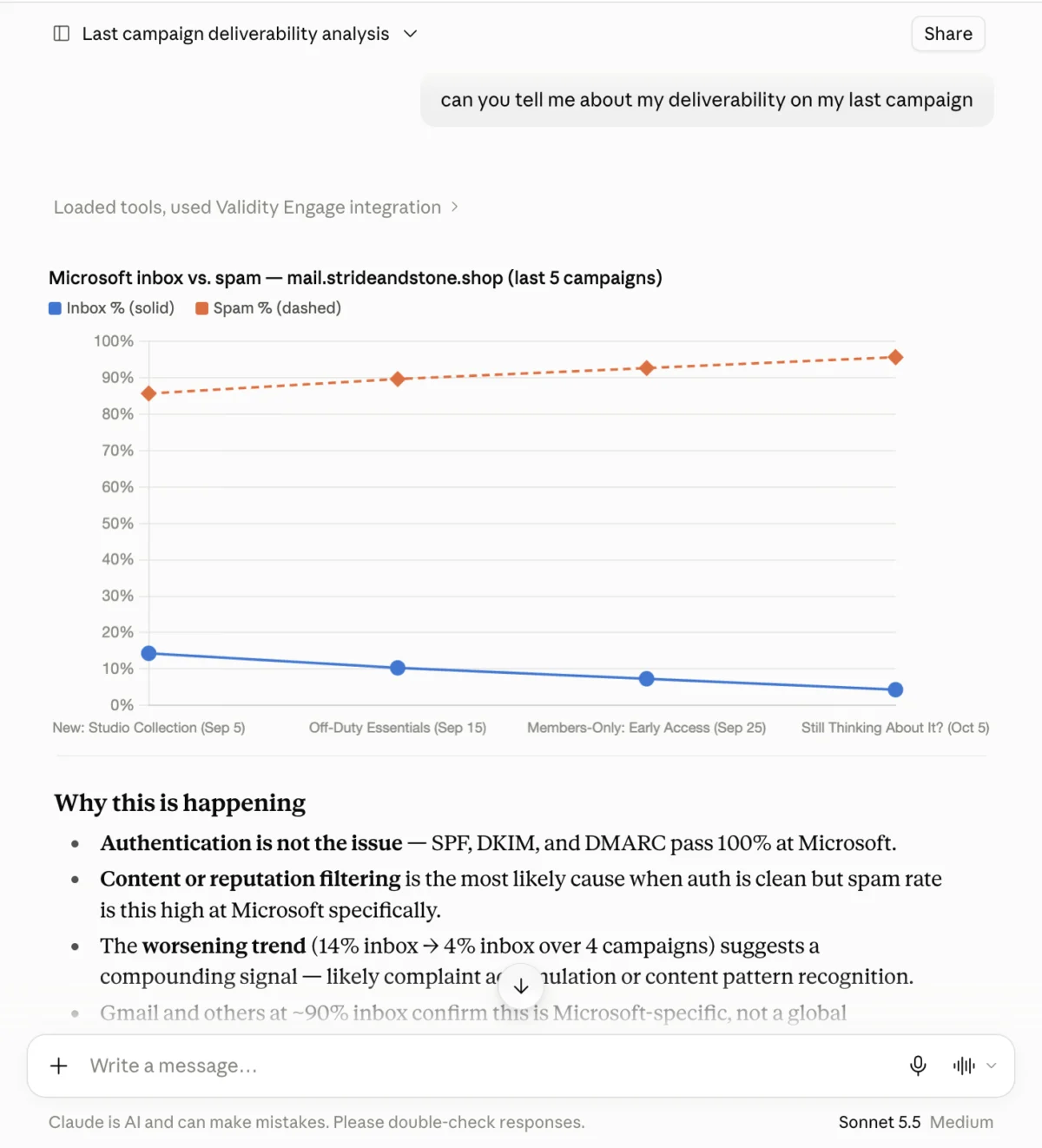
Even the most meticulously crafted, psychologically compelling subject line is rendered useless if the email never reaches the inbox. Email deliverability – the ability for an email to land in a subscriber’s primary inbox rather than being diverted to spam or blocked entirely – has a direct and profound impact on email marketing ROI.
Poor sender reputation is the primary culprit behind deliverability issues. Mailbox providers (like Gmail, Outlook, Yahoo) constantly monitor sender behavior. High bounce rates, low engagement, high spam complaints, and sending to inactive lists all signal to these providers that a sender might be a spammer. Once emails begin consistently landing in the spam folder, a vicious cycle ensues: a damaged reputation leads to more spam placements, further eroding the reputation, and so on.
The implications for holiday marketing are severe. If a brand’s Black Friday sale email, despite a brilliant subject line, is caught in spam filters, millions in potential revenue can be lost. Managing and monitoring deliverability effectively requires specialized expertise and advanced technology. Platforms like Validity Engage provide critical tools for testing, monitoring, and optimizing email programs. These solutions help identify potential deliverability issues before they impact campaigns, ensuring that carefully crafted subject lines actually fulfill their purpose by reaching the intended recipient. Regular audits of sender reputation, IP health, and email authentication protocols (SPF, DKIM, DMARC) are indispensable components of a robust deliverability strategy.
Conclusion: A Strategic Imperative
The holiday season represents a crucible for email marketers. The sheer volume of competing messages necessitates a sophisticated approach to subject line creation, one that moves beyond simplistic urgency and embraces psychological nuance, brand authenticity, and a holistic view of the inbox experience. By understanding consumer behavior, strategically segmenting audiences, embracing creative storytelling, and rigorously ensuring deliverability, businesses can transform the daunting challenge of holiday email marketing into a powerful engine for engagement and sustained revenue growth. In this high-stakes environment, the subject line is not just a line of text; it is the critical first impression, the invitation to a brand experience, and ultimately, the key to unlocking holiday success.

 Jia Lissa

 Ali Ikhwan