Dwi Wanna
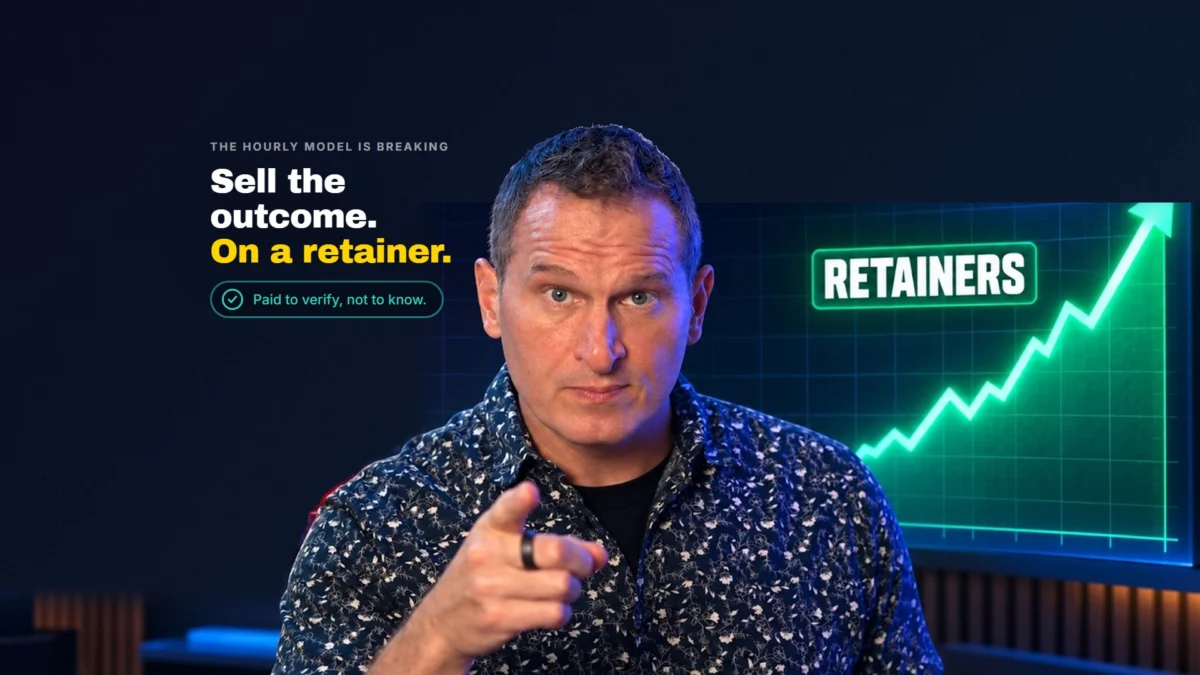
The traditional economic framework of knowledge work, long predicated on the exchange of billable hours for expert output, is facing a structural crisis driven by the rapid integration of generative artificial intelligence. As professionals across industries such as marketing, legal, and software development report compressing week-long tasks into single afternoons, the fundamental pricing models of the information economy are becoming increasingly obsolete. This shift is not merely a matter of improved efficiency; it represents a paradigm shift from a "production-based" economy to a "verification-based" economy, where the value of a professional is measured by accountability and strategic implementation rather than time spent on execution.
The Structural Collapse of the Hourly Billing Model
For decades, the hourly rate has served as the standard unit of value for consultants and agencies. However, the emergence of advanced Large Language Models (LLMs) and automation tools has decoupled effort from outcome. When a deliverable that once required 40 hours of manual labor can now be generated in 40 minutes, a business model based on time-tracking becomes a liability. For the service provider, efficiency leads to reduced revenue; for the client, the realization that high-value outcomes require minimal human effort leads to a demand for lower prices.

Industry analysts suggest that this "efficiency trap" is forcing a mass migration toward value-based pricing and retained roles. The core issue is that while clients remain willing to pay for speed and accuracy, they are increasingly resistant to paying for the "process" of creation. This has created a precarious environment for knowledge workers who have automated their workflows but have not yet updated their client-facing business models.
Historical Precedents and the Speed of the Information Shift
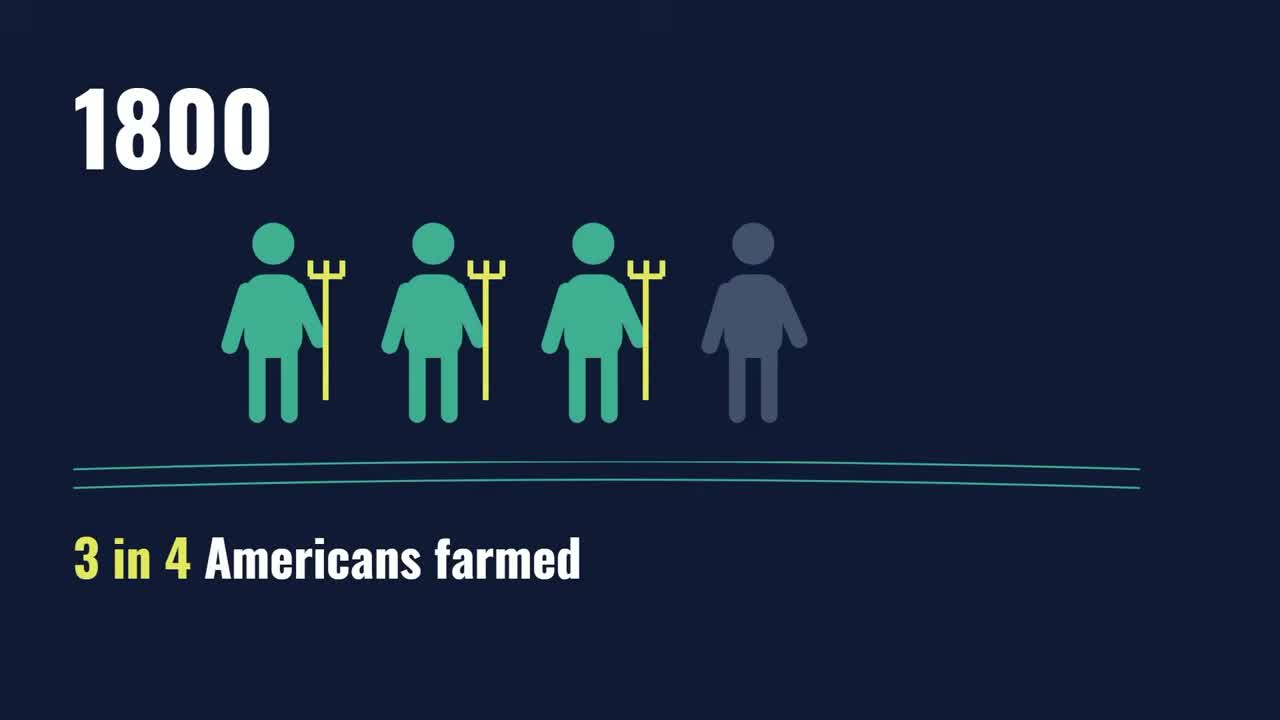
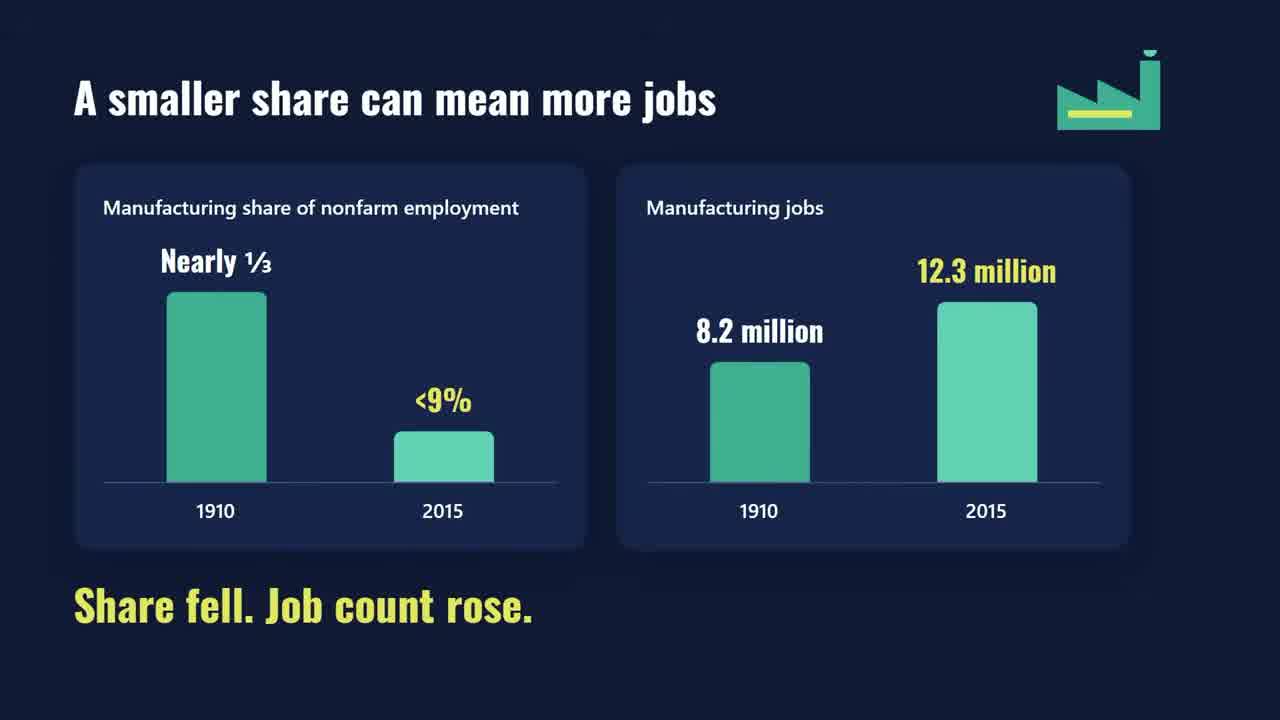
To understand the current disruption, economists point to previous industrial revolutions. In 1800, approximately 75% of the American workforce was employed in agriculture. By the 21st century, that figure had dropped to less than 1%, even as food production reached record highs due to mechanization and chemical engineering. Similarly, in 1910, manufacturing accounted for nearly one-third of nonfarm employment. By 2015, that share fell below 9%, despite the total number of manufacturing jobs rising from 8.2 million to 12.3 million over a century.
The primary difference between these historical shifts and the current AI revolution is the timeline of adoption. The transition from manual labor to mechanized farming took several generations, and the evolution of manufacturing took decades. In contrast, the transformation of the information economy is occurring within a window of three to five years. Knowledge workers are currently in a position analogous to a 19th-century farmer witnessing the introduction of the steam engine; the tools for massive scalability are present, but the organizational structures to manage them are still being built.
The Small Business AI Arbitrage Window
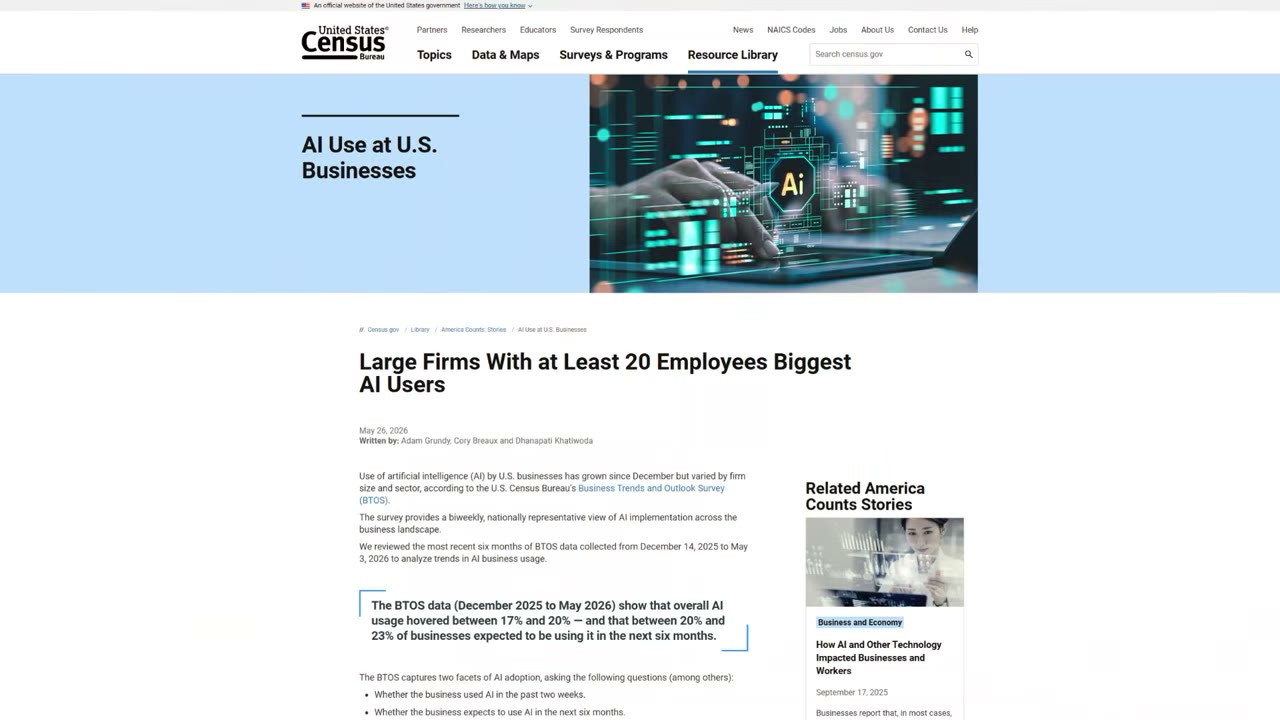
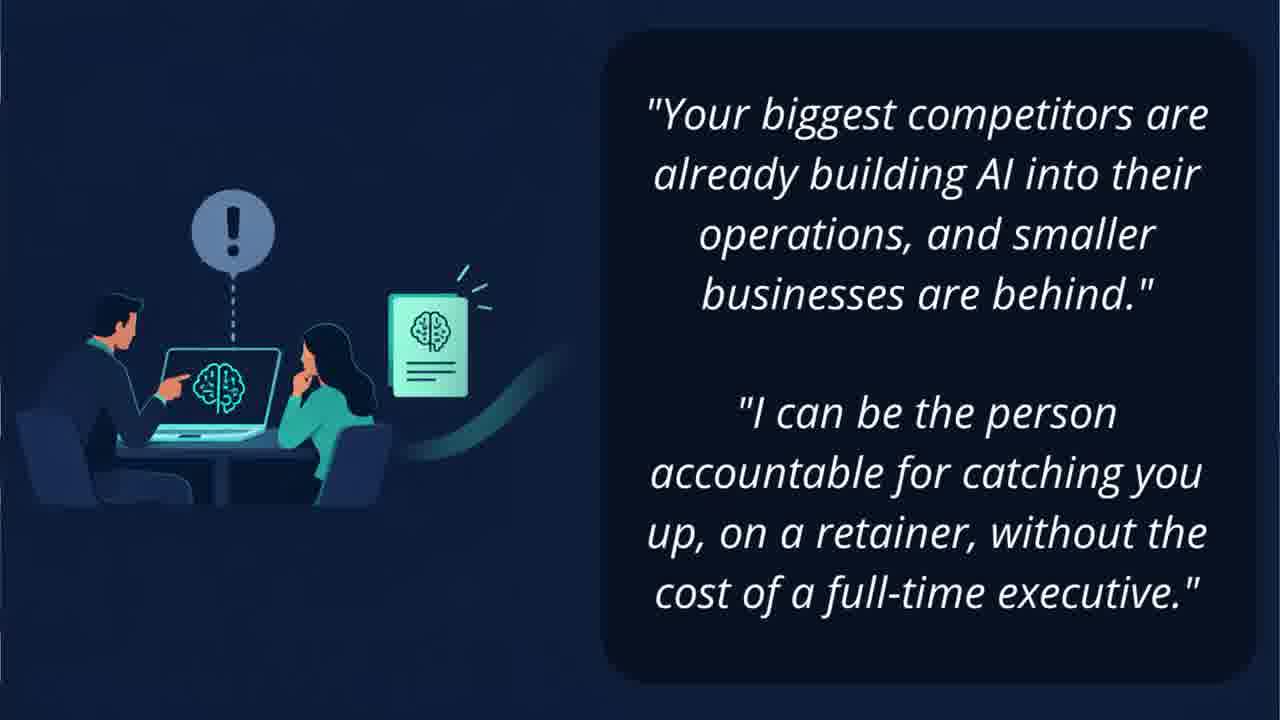
Current data from the U.S. Census Bureau highlights a significant disparity in AI adoption rates across different business sizes. Approximately 37% of firms with 250 or more employees have integrated AI into their operations. Conversely, fewer than 20% of firms with four or fewer employees have adopted the technology. This gap represents what market analysts call an "arbitrage window."
While large corporations have the capital to hire dedicated Chief AI Officers and internal data science teams, small and medium-sized enterprises (SMEs) often lack the resources to navigate the complex AI landscape. These business owners are aware of the potential for AI to streamline operations but lack the technical expertise to implement it. This creates a market demand for external experts who can bridge the gap between cutting-edge technology and practical business application.
Defining the Role: AI Consultant vs. Fractional AI Officer
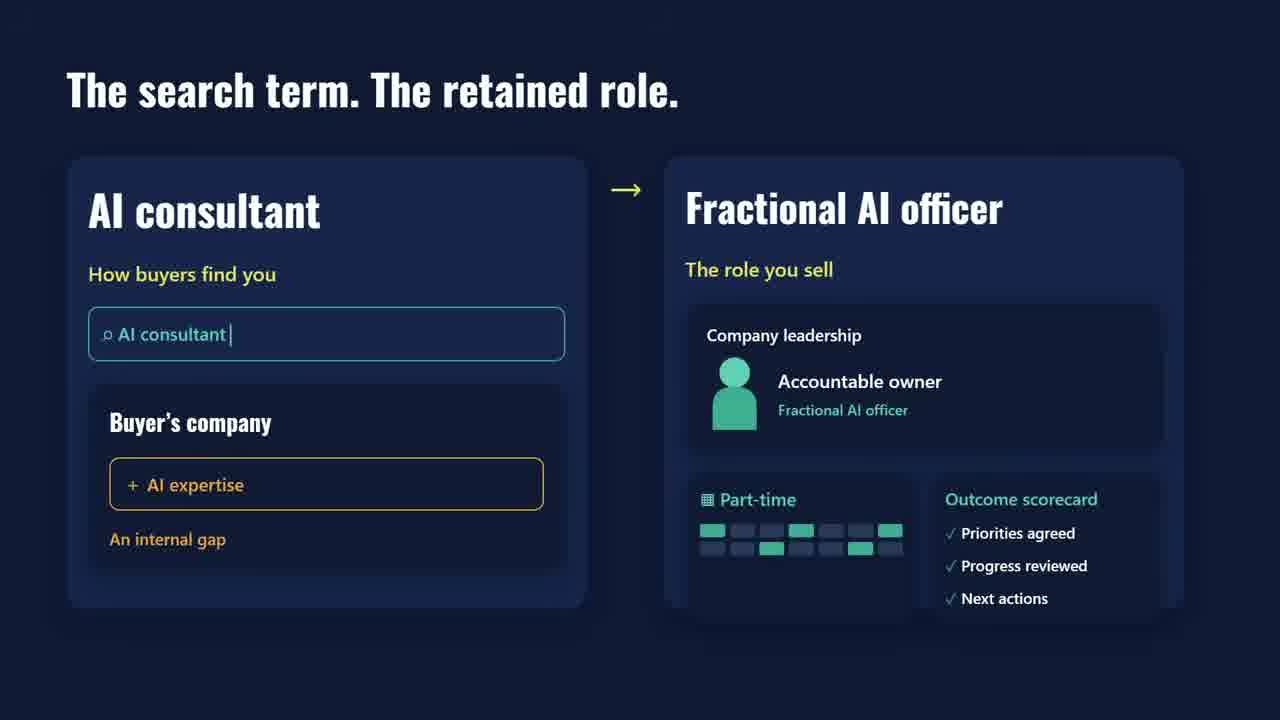
In the current market, there is a distinct difference between what clients search for and what they actually need to solve their operational challenges. "AI Consultant" has become a high-volume search term used by businesses seeking a solution to their lack of internal expertise. However, a consultant is typically viewed as a project-based asset—someone who enters an organization, provides a recommendation or a one-time setup, and departs.
The emerging, more sustainable model is the "Fractional AI Officer." Unlike a traditional consultant, a fractional officer operates on a retained basis, providing ongoing accountability and strategic oversight. The value proposition of this role is not the performance of a single task, but the long-term management of a company’s AI roadmap.
Key responsibilities of the Fractional AI Officer include:
- Tool Selection and Integration: Navigating the thousands of available AI tools to find specific solutions that align with the company’s existing tech stack.
- Workflow Automation: Redesigning internal processes to remove bottlenecks through API integrations and autonomous agents.
- Risk Management: Ensuring that AI implementation complies with data privacy standards and ethical guidelines.
- Staff Training: Bridging the gap between the technology and the employees who will use it daily.
By positioning themselves as part-time executives rather than temporary contractors, professionals can shift the conversation from "how many hours does this take" to "what is the ongoing value of this optimized system."

Practical Implementation and High-Value Projects
The transition to an AI-focused retained model is being led by professionals who are packaging their technical experiments into client-facing services. Several key areas have emerged as high-priority implementations for which businesses are willing to pay a premium:
CRM and Automation Ecosystems
Many SMEs struggle with fragmented data across multiple platforms. AI consultants are now specializing in building "AI-powered business operating systems." This involves implementing Customer Relationship Management (CRM) tools that use AI to automatically categorize leads, draft follow-up communications, and predict customer churn.
Real-Time Data Dashboards
In the "verification economy," the ability to monitor AI-generated outputs is critical. Consultants are building company-wide dashboards that aggregate data from various AI agents, allowing business owners to see the real-time impact of automation on their bottom line.
Custom API Integrations
While off-the-shelf tools like ChatGPT are popular, the true value for most businesses lies in custom API integrations. This involves connecting an LLM to a company’s proprietary data, allowing for the creation of internal knowledge bases that can answer specific questions about company policy, past projects, or client history.
Industry Reactions and the Shift in Workforce Dynamics
The move toward fractional AI roles is receiving a mixed reaction from the broader labor market. Proponents argue that it allows experts to maximize their impact by working with multiple clients simultaneously, effectively "scaling" their intelligence. Critics, however, worry that the rapid automation of entry-level tasks will eliminate the "training ground" for junior professionals, leading to a talent gap in the future.
Despite these concerns, the trend toward value-based retainers is accelerating. Agencies that once focused on content production are rebranding as "AI implementation partners," and solo freelancers are increasingly adopting the "productized service" model. The prevailing sentiment among industry leaders is that those who fail to reposition themselves within the next 24 months risk being commoditized by the very tools they currently use to increase their efficiency.
Broader Impact and the Future of Professional Services
As AI continues to evolve, the "Information Economy" is being replaced by what some experts call the "Judgment Economy." In a world where information is free and generation is instantaneous, the rarest and most valuable commodity is the human judgment required to verify, refine, and strategically deploy that information.
The long-term implications for the professional services sector are profound. The traditional "pyramid" structure of firms—where a few partners oversee a large number of associates billing thousands of hours—is likely to flatten. A single "super-empowered" professional, backed by a sophisticated suite of AI agents and a Fractional AI Officer, can now produce the output that previously required an entire department.
Strategic Recommendations for Professionals
For consultants and agency owners looking to navigate this transition, the following steps are recommended by market strategists:
- Audit Internal Workflows: Identify the specific AI tools that have provided the most significant productivity gains within your own business. These tools form the core of your future service offering.
- Rebrand the Offer: Move away from selling "deliverables" (e.g., a 1,000-word article or a line of code) and toward selling "outcomes" (e.g., a 20% increase in lead conversion through automated nurturing).
- Target Existing Domain Expertise: The most successful AI implementations occur when the consultant understands the specific nuances of an industry. A legal professional who understands AI is more valuable to a law firm than a general AI expert.
- Establish Accountability Retainers: Structure contracts that emphasize ongoing optimization. AI is not a "set it and forget it" technology; it requires constant monitoring and adjustment as models update and new capabilities emerge.
The conclusion for the modern knowledge worker is clear: the era of being paid for "knowing things" is coming to an end. The future belongs to those who can verify the results of superintelligence and implement it within the complex, messy reality of human business operations. The "arbitrage window" is currently open, but as adoption rates among small businesses rise, the opportunity to be a "first mover" in the fractional AI space will eventually close. Those who move now to redefine their roles will be the architects of the new economic landscape.