The intersection of government transparency, corporate accountability, and consumer sentiment has reached a critical juncture this week, highlighted by a series of high-stakes developments ranging from federal courtrooms to the digital storefronts of the gig economy. At the center of these events is a fundamental tension between institutions and the public they serve, underscored by a landmark legal battle over White House press credentials, a record-breaking settlement by DoorDash that challenges traditional crisis communication norms, and new data suggesting a transformative shift in holiday consumer behavior for the 2026 season. As organizations navigate an increasingly polarized and economically volatile environment, the strategies used to manage reputation and access are being rewritten in real-time.
Federal Court Intervenes in White House Press Access Dispute
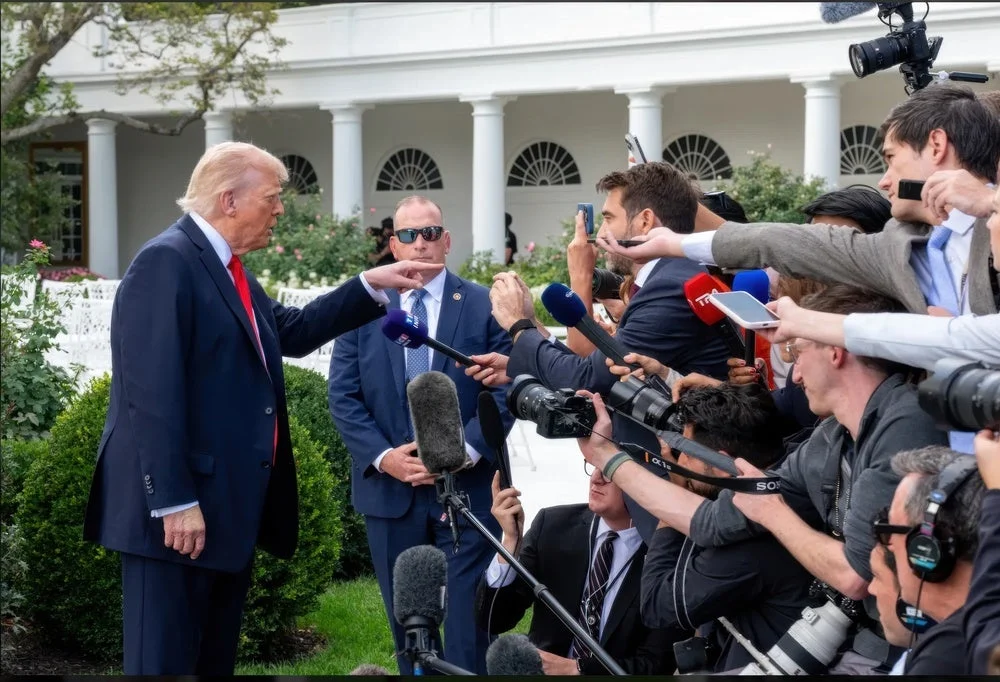
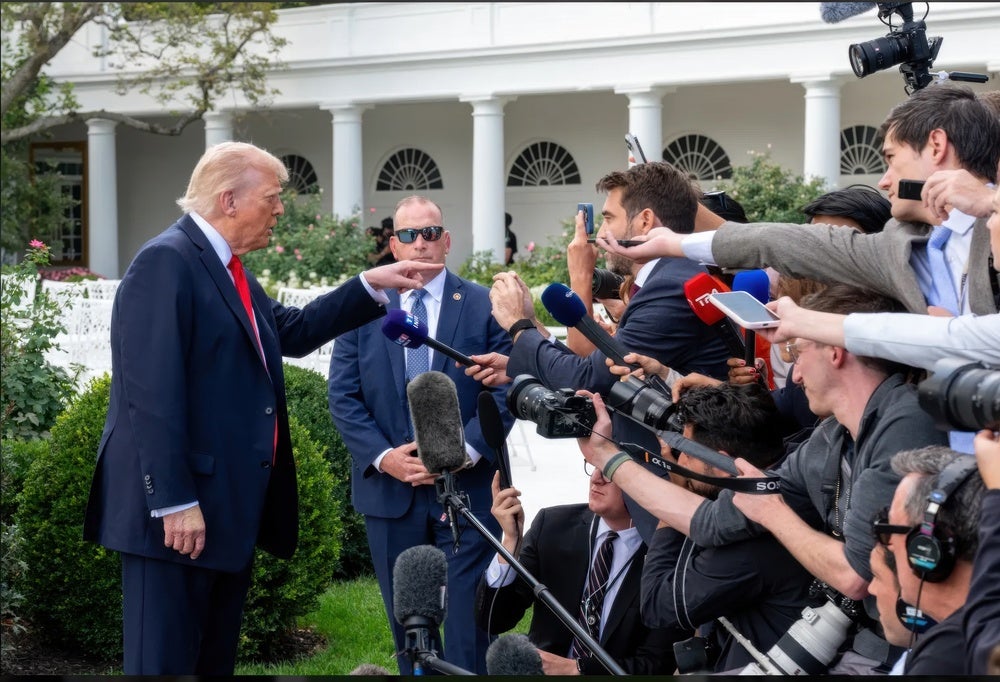
The ongoing friction between the executive branch and the media reached a legal flashpoint on September 24, 2026, when U.S. District Judge Timothy Kelly issued a temporary restraining order against the White House. The ruling came after the administration revoked the press credentials of three major news organizations—CNN, MS NOW, and Politico—on September 18. The administration initially justified the ban by citing "behavior in violation of the standards of professionalism and decorum," though specific instances of such behavior were not immediately detailed in a public forum.
The legal challenge mounted by the outlets focused on the Fifth Amendment’s due process clause. Judge Kelly, a Trump appointee, found that the White House had likely acted unconstitutionally by failing to provide the journalists with notice or an opportunity to be heard before their physical "hard passes" were deactivated. This ruling emphasizes a long-standing legal precedent: while the government is not required to grant every individual access to restricted areas, once it establishes a system for media credentialing, it cannot arbitrarily or selectively revoke that access based on the content of a reporter’s coverage or personal animus without following established procedures.
The situation escalated on the morning of September 24 when, despite the judge’s order, reporters from the affected outlets were physically barred from the White House grounds. In some instances, Secret Service personnel reportedly confiscated hard passes that had been ordered restored. This led to an immediate emergency request for a hearing. By midday, the White House complied with the court’s directive, allowing CNN’s Betsy Klein and MS NOW’s Laura Barrón-López to resume reporting from the South Lawn. The current restoration of access is slated for 14 days as the broader case regarding the constitutionality of the bans proceeds through the federal court system.
A Pattern of Media Restrictions
This incident is not an isolated occurrence in the 2026 political calendar. Earlier this year, the White House faced a similar legal defeat after barring the Associated Press from certain events. That dispute centered on the AP’s refusal to adopt the administration’s preferred terminology, specifically the phrase "Gulf of America," in its reporting. In that case, a judge ruled that the ban violated First Amendment protections against viewpoint discrimination.
Simultaneously, the Pentagon has come under scrutiny following a judicial finding that it attempted to marginalize "disfavored journalists" by restricting their access to briefings and operational updates. For public relations professionals and constitutional scholars, these cases illustrate a growing trend of "weaponized credentialing," where access is used as a tool of leverage to influence editorial tone.
The communication takeaways are significant. Experts suggest that when an institution’s actions visibly contradict a court order, the resulting "credibility gap" can be more damaging than the original controversy. Parry Headrick, Founder of Crackle, notes that shutting out the press often backfires by signaling that an organization has something to hide, which inadvertently incentivizes investigative journalists to dig deeper.
DoorDash and the Radical Honesty of "We Screwed Up"
In the corporate sector, DoorDash has set a new precedent for crisis management following a record $131.5 million settlement with New York City. The settlement, announced by Mayor Zohran Mamdani, addresses the company’s failure to comply with the city’s minimum pay rules for delivery workers, which were established in 2023. The investigation revealed that approximately 264,000 "Dashers" were either underpaid or received late payments due to a variety of technical and administrative failures.
While the financial magnitude of the settlement is historic, the company’s communication strategy has garnered equal attention. Departing from the standard "neither admit nor deny" legal template, DoorDash published a statement titled "Making It Right: Our Settlement with the City of New York," which opened with the blunt admission: "We screwed up."
The statement provided a granular breakdown of the errors, attributing the underpayments to technical bugs, complexities involving deliveries that crossed city boundaries, and banking information glitches. Notably, the company disclosed that the average underpayment was $7.70, with 65% of affected workers shorted by $1 or less. By quantifying the impact and explaining the specific fixes—such as strengthened compliance programs and updated payment algorithms—DoorDash attempted to neutralize the narrative of intentional corporate greed.
Rebuilding Trust with the Internal Workforce
The DoorDash case highlights a critical shift in stakeholder prioritization. In traditional PR, the primary audience for a settlement statement is often the investor or the general consumer. However, for a gig-economy platform, the most vital audience is the workforce. Michelle Bonner, VP of Public Relations at Adams & Knight, argues that trust in this context is not rebuilt through a single apology but through sustained behavioral change.
The settlement also addressed a $83 million dispute regarding "on-call" pay methodology. DoorDash maintained that its approach was legal but chose to settle to avoid years of protracted litigation. This transparency regarding the decision-making process aligns with recent research from the Resonant Advisory Group, which found that 79% of consumers believe a company gains more credibility when it discloses bad news about itself before it is forced to do so by outside parties.
Holiday 2026: The Intersection of Tariffs and Social Commerce
As the fourth quarter approaches, the retail landscape is being reshaped by macroeconomic pressures and evolving consumer habits. According to Sprout Social’s Q3 2026 Pulse Survey, the upcoming holiday season will be defined by "frugality and social-first discovery."
The data indicates that 56% of social media users plan to reduce their holiday spending this year, a trend driven largely by concerns over rising prices and new tariffs. Nearly 70% of consumers expressed anxiety about tariff-related price hikes, leading 36% of shoppers to begin their holiday purchasing earlier than usual in an attempt to lock in current prices. This "September Creep" of holiday shopping has forced brands to launch campaigns earlier, even as summer temperatures linger.
The New Social Shopping Journey
Social media has evolved from a discovery tool into the primary engine of the holiday shopping journey. The Sprout Social study highlights several key shifts:
- The Utility Mandate: Consumers are increasingly ignoring traditional "lifestyle" ads in favor of content that provides direct utility, such as product demonstrations, price comparisons, and transparent shipping timelines.
- Creator-Led Commerce: Influence is shifting away from celebrity endorsements toward "micro-creators" who offer educational content and authentic reviews.
- Response Speed as a Competitive Advantage: With shoppers feeling more financial pressure, the speed of customer service on social platforms has become a deciding factor in brand loyalty.
Scott Morris, CMO at Sprout Social, emphasizes that in a tighter economic climate, every purchase carries more weight. Brands that align their messaging across channels and empower their customer care teams to respond rapidly are more likely to maximize their return on investment.
Broader Implications for Institutional Credibility
The common thread connecting the White House press battles, the DoorDash settlement, and the shifting retail landscape is the fragile nature of institutional trust. Whether in government or the private sector, the "ordinary moments"—the daily briefing, the weekly paycheck, or the social media interaction—are where reputation is built or eroded.
In the case of the White House, the legal fight underscores the necessity of due process in maintaining a free press, a cornerstone of democratic accountability. For DoorDash, the challenge lies in proving that its "we screwed up" admission is the start of a new chapter of operational excellence rather than a calculated messaging tactic. For retailers, the 2026 holiday season will be a test of how well they can adapt to a consumer base that is more informed, more price-sensitive, and more reliant on social platforms than ever before.
As the year draws to a close, the lessons for communicators are clear: transparency is no longer optional, utility is the new currency of engagement, and the gap between an organization’s words and its actions has never been easier for the public to measure. In an era defined by rapid information flow and heightened scrutiny, the most effective strategy remains the most difficult to execute: consistent, honest, and accountable behavior.