The global artificial intelligence landscape has undergone a seismic shift, moving from theoretical experimentation to the deployment of complex, multimodal systems that solve high-value business problems. For aspiring data scientists and AI engineers, the transition from academic learning to professional employment is no longer paved solely by certifications or degrees; rather, it is defined by the ability to demonstrate tangible, functional implementations of cutting-edge technology. Recruiters in the technology sector increasingly prioritize candidates who can showcase a diverse portfolio of solved projects that address real-world challenges, particularly in the rapidly evolving field of Generative AI.
This shift in hiring criteria reflects a broader trend in the tech industry where the "time-to-value" for new hires is a critical metric. By engaging with complex projects—ranging from AI-powered search engines to multimodal content generators—developers bridge the gap between understanding an algorithm and architecting a production-ready system. The following ten projects provide a comprehensive roadmap for building such a portfolio, utilizing industry-standard libraries and frameworks to ensure that the resulting work is both technically robust and commercially relevant.
The Evolution of AI Project Development: A Brief Chronology
To understand the significance of these projects, one must look at the chronology of AI development over the last decade. In the mid-2010s, a strong portfolio typically consisted of classic machine learning models: predicting housing prices using regression or classifying iris species. By 2018, the focus shifted toward deep learning, with Convolutional Neural Networks (CNNs) for image recognition and Recurrent Neural Networks (RNNs) for basic sentiment analysis.
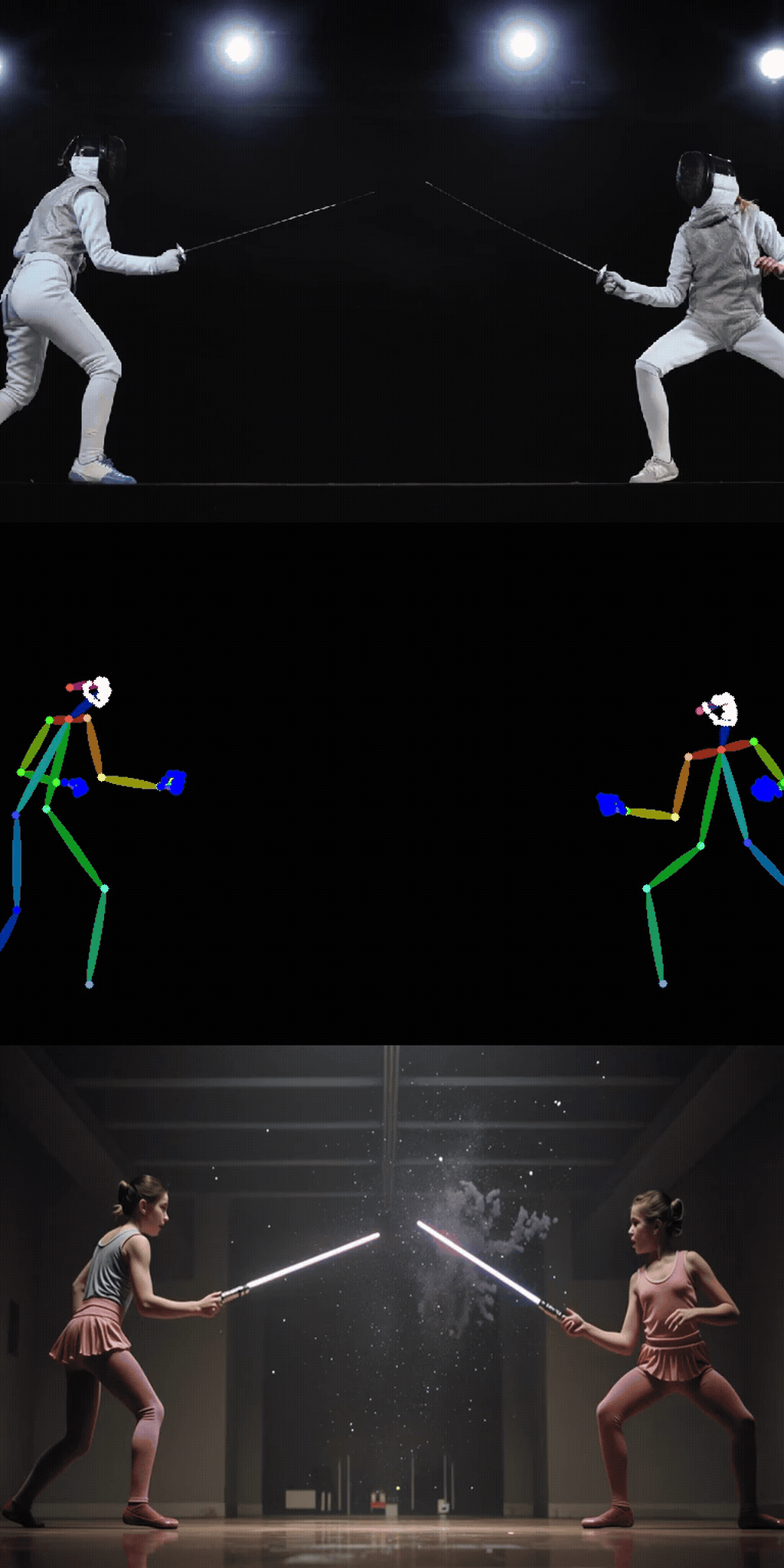
The release of the Transformer architecture in 2017, followed by the explosion of Large Language Models (LLMs) in late 2022, fundamentally altered the requirements for a professional portfolio. Today’s industry standards demand proficiency in Retrieval-Augmented Generation (RAG), diffusion models, and agentic workflows. The projects outlined here represent the current "state-of-the-art" in accessible AI development, moving beyond static datasets to dynamic, generative applications.
1. AI-Powered Search Engine with RAG Architecture
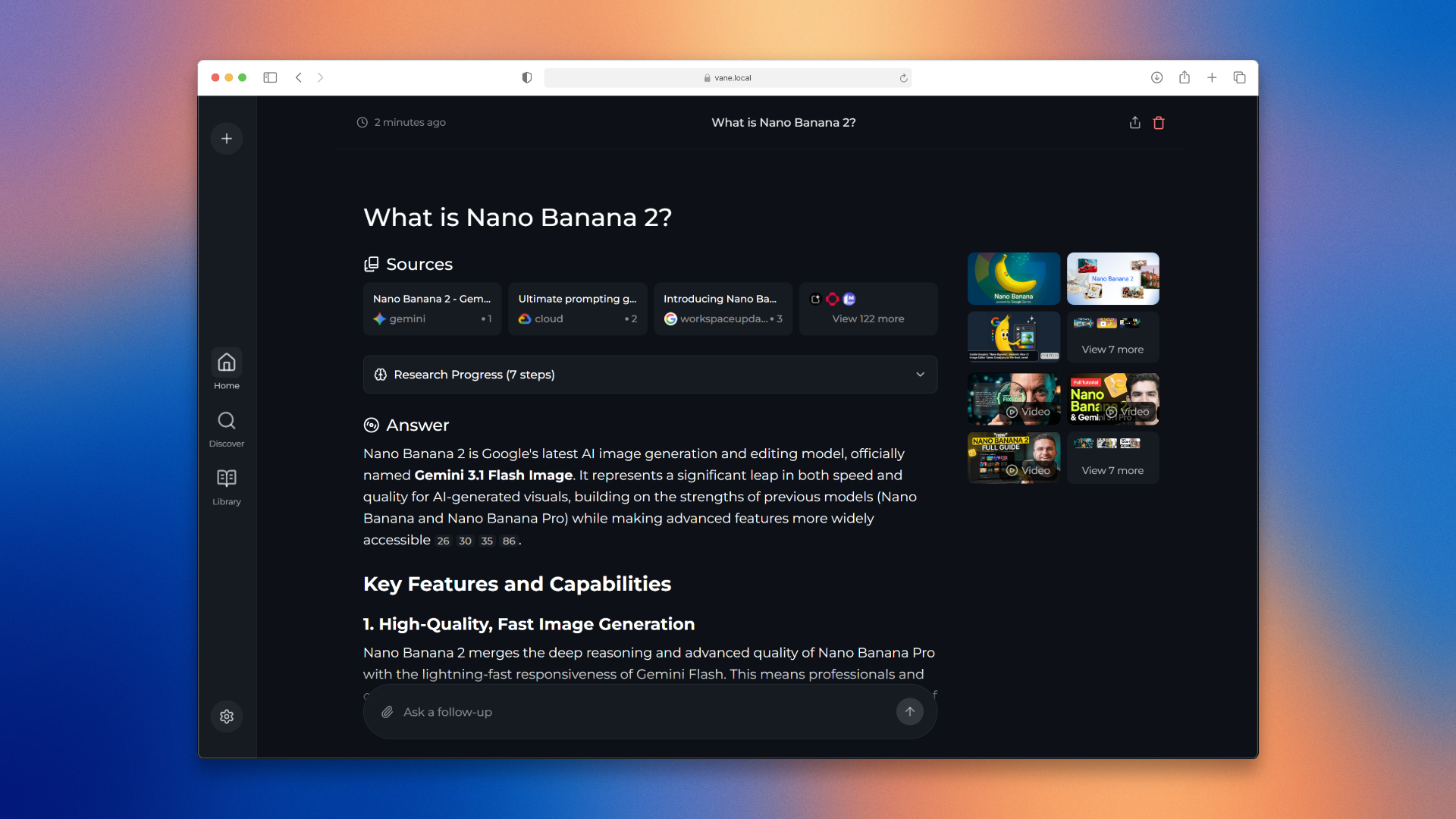
Traditional search engines rely on keyword matching, which often fails to capture the semantic intent of a query. This project involves building a sophisticated search system that mimics the capabilities of platforms like Perplexity AI. By integrating web search APIs with vector embeddings and an LLM, the system can return direct, source-backed answers rather than a simple list of hyperlinks.
Building this requires a mastery of the RAG pipeline. Developers must implement a retrieval stage using tools like SearXNG, followed by a reranking process to ensure the most relevant information is fed into the LLM. Using Perplexica as a structural reference, this project teaches the critical skill of "grounding"—ensuring that AI responses are factually accurate and attributed to verified sources.
Technical Stack: Python, Next.js, SearXNG, Ollama, Vector Databases (ChromaDB or Pinecone), and LLM APIs.
2. Multimodal AI Podcast Generator
The rise of synthetic media has created a demand for tools that can transform static text into engaging audio formats. This project focuses on a multimodal pipeline that ingests diverse sources—PDFs, URLs, or images—and converts them into a multi-host dialogue.
The complexity lies in the "dialogue generation" phase, where the AI must not only summarize content but also adopt a conversational persona. By utilizing Podcastfy as a reference, developers learn how to orchestrate multiple models: an LLM for scriptwriting and a Text-to-Speech (TTS) engine like ElevenLabs or OpenAI TTS for high-fidelity audio output. This project demonstrates a candidate’s ability to handle long-form content generation and complex prompt engineering.
Technical Stack: Python, Gemini/OpenAI APIs, ElevenLabs, Gradio, and BeautifulSoup for web scraping.
3. Generative AI Music Studio
Audio generation is one of the most challenging frontiers in AI due to the temporal consistency required for music. This project involves creating an application where users can generate full-length songs from natural language prompts. Using the ACE-Step framework, developers can explore the nuances of diffusion models applied to audio.
The project covers essential concepts such as conditioning (controlling genre, tempo, and instrumentation) and remixing. For a portfolio, this highlights a developer’s understanding of PyTorch and GPU inference, as music generation is computationally intensive.
Technical Stack: Python, PyTorch, ACE-Step, Hugging Face Transformers, and CUDA.
4. Synchronized Audio and Video Generation
Moving beyond static images, the ability to generate video with synchronized audio is a high-demand skill in marketing and entertainment technology. This project utilizes LTX-2 or similar video diffusion models to create scenes from text prompts.
Key learning outcomes include understanding keyframe conditioning—where specific frames are used to guide the AI’s creative process—and ensuring that the generated audio matches the visual pacing. This project is a testament to a developer’s ability to manage "generative media pipelines," which are significantly more complex than standard text-based applications.

Technical Stack: Python, PyTorch, LTX-2, ComfyUI, and Diffusers library.
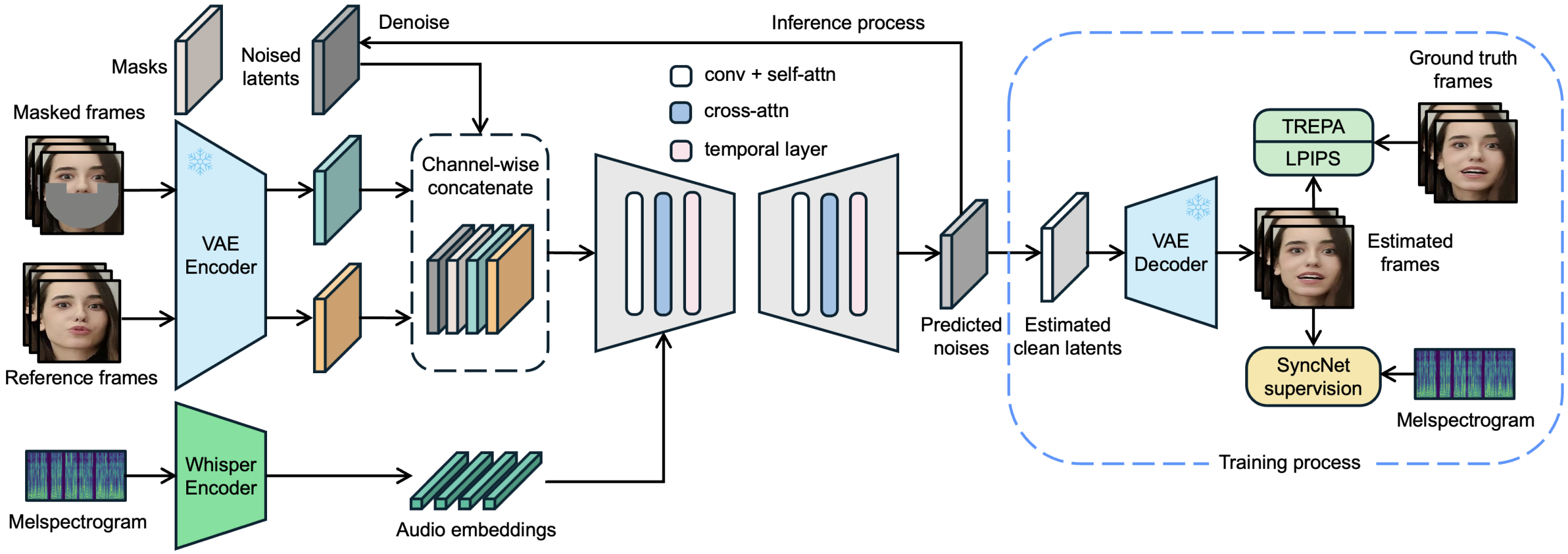
5. AI-Driven Lip-Sync and Automated Dubbing
As global content consumption grows, AI-powered dubbing has become a multi-billion dollar opportunity. This project involves building a tool that synchronizes a speaker’s lip movements in a video with a new, translated audio track.
By referencing LatentSync, developers work with audio-visual alignment models. This requires a deep dive into temporal consistency—ensuring the video doesn’t "flicker" or lose quality during the transformation. It also involves integrating speech-to-text (Whisper) and translation layers, showcasing a complete end-to-end solution.
Technical Stack: Python, Whisper API, Stable Diffusion, LatentSync, and FFmpeg for video processing.
6. Long-Form Multi-Speaker Voice Synthesis
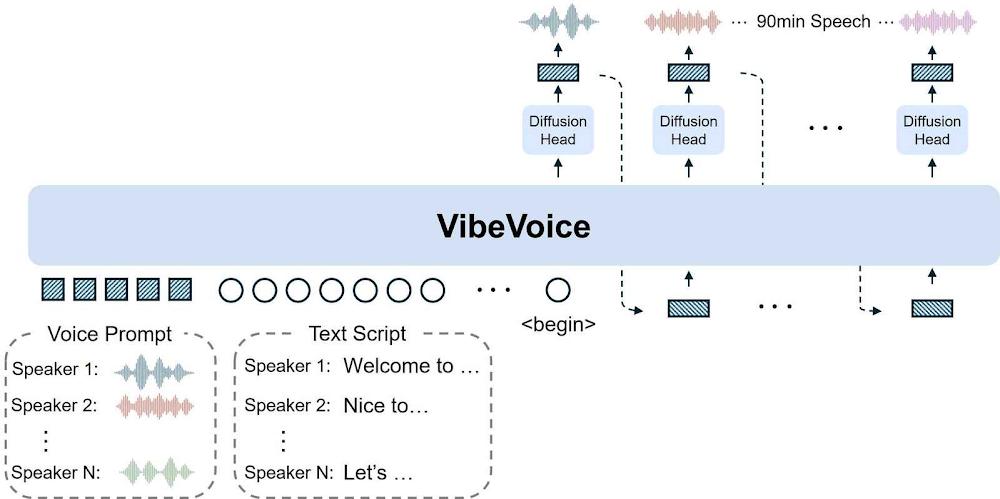
While basic TTS is common, generating a natural, hours-long conversation between multiple distinct voices is a professional-grade challenge. This project focuses on building a system capable of voice cloning and speaker conditioning.
Using VibeVoice as a foundation, the developer creates an interface where users can assign different "personalities" to different parts of a script. This project is particularly relevant for the audiobook and gaming industries, where emotional inflection and voice consistency are paramount.
Technical Stack: Python, PyTorch, VibeVoice, and Transformers.
7. Intelligent Image Editing Studio
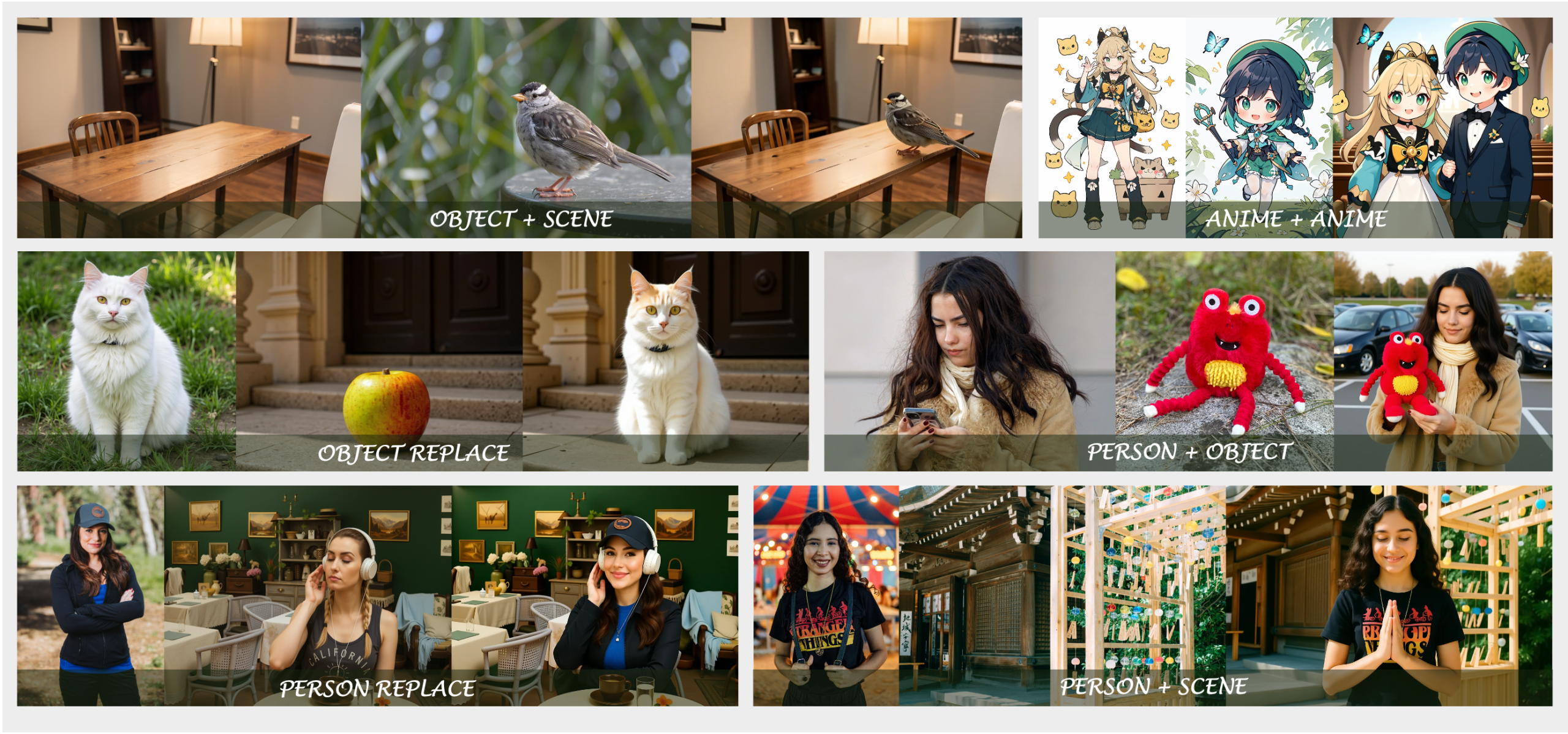
This project moves away from simple image generation to "instruction-guided editing." Using OmniGen2, developers build a tool where users can upload an existing image and modify it using natural language (e.g., "Change the color of the jacket to blue" or "Replace the background with a sunset").
This demonstrates a sophisticated understanding of multimodal prompting and image conditioning. It proves that the developer can build tools that provide users with precise control over AI outputs, a necessity for professional creative workflows.
Technical Stack: Python, PyTorch, OmniGen2, and Gradio for the user interface.
8. AI Presentation and Slide Deck Automation
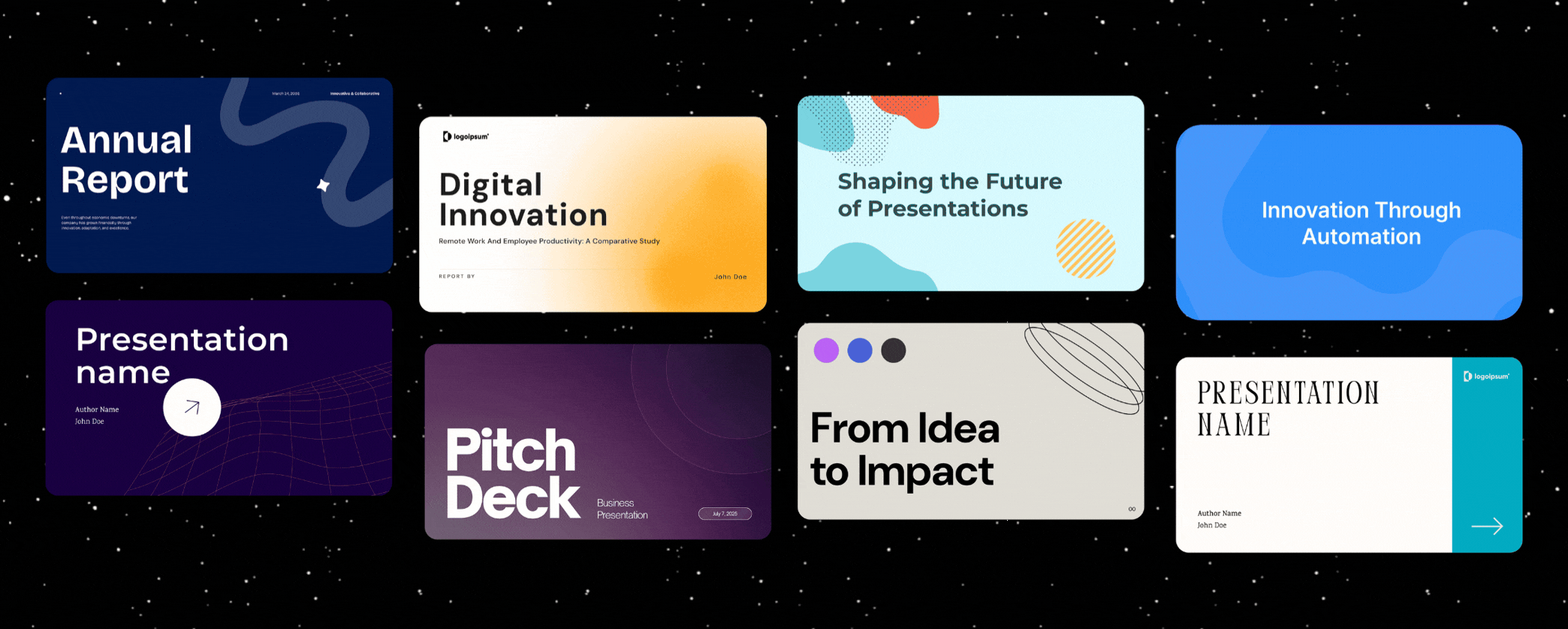
Automation of corporate tasks is a primary driver of AI adoption. This project involves building a system that takes a topic or a dataset and generates a fully formatted, editable PowerPoint presentation.
The challenge here is "structured generation"—ensuring the LLM outputs data in a specific format (like JSON or XML) that can be parsed into a PPTX file. It also requires the integration of image generation for slide visuals. This project highlights a developer’s ability to bridge the gap between creative AI and practical business software.
Technical Stack: TypeScript, React, Python, and Python-pptx library.
9. Deep Research Assistant with Agentic Workflow
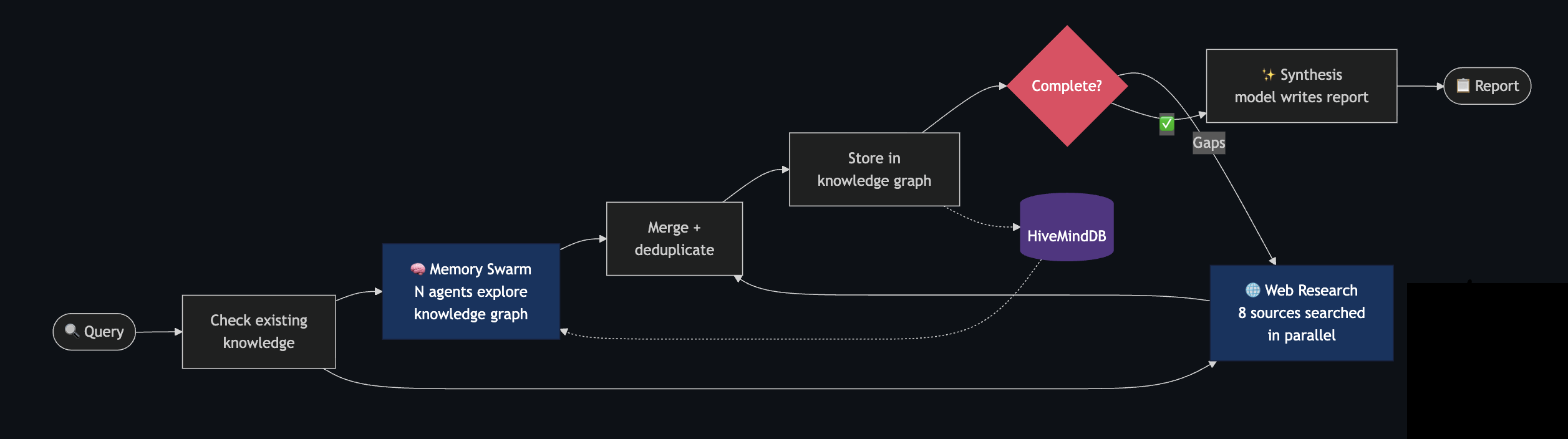
Simple chatbots often hallucinate when asked complex research questions. This project involves building an "agentic" research assistant that breaks a query into sub-tasks, searches multiple databases, verifies conflicting information, and compiles a structured report with citations.
Using DeepResearch as a reference, developers implement a multi-step workflow. This project is a showcase for "knowledge graph" integration and "parallel research" capabilities, demonstrating that the developer can build reliable, high-stakes AI systems.
Technical Stack: Python, FastAPI, SearXNG, Vector Search, and Docker.
10. Natural Language Data Analysis Platform
The final project in this series focuses on democratizing data science. The goal is to build a platform where non-technical users can upload a CSV or Excel file and ask questions in plain English (e.g., "Show me the sales trend for the last quarter").
The system must translate these questions into Python code or SQL queries, execute them, and generate the appropriate visualizations. This project demonstrates a strong grasp of "Code Generation" models and data visualization libraries.
Technical Stack: Python, Pandas, Matplotlib/Seaborn, and LLMs optimized for code (like Llama 3 or GPT-4o).
Supporting Data and Market Context
The demand for these skills is supported by recent industry data. According to the 2024 AI Index Report, job postings requiring AI skills have increased by over 30% in several major economies. Furthermore, a survey of tech recruiters indicated that 75% of hiring managers consider a functional GitHub repository more influential than a traditional resume when evaluating entry-level to mid-level AI talent.
The transition toward "Agentic AI"—systems that can reason and act independently—is the next major wave. Projects like the Deep Research Assistant (Project 9) and the Presentation Generator (Project 8) align perfectly with this trend, positioning developers at the forefront of the industry.
Broader Impact and Ethical Implications
As these generative technologies become more accessible, they bring significant implications for the workforce and digital ethics. The ability to generate high-fidelity audio and video (Projects 4, 5, and 6) raises concerns regarding deepfakes and misinformation. Professionals in this field are increasingly expected to understand not just the "how" of building these systems, but also the "should" of deploying them responsibly.
Implementing watermarking techniques and ensuring source attribution (as seen in Project 1) are becoming standard requirements for ethical AI development. By including these considerations in their projects, developers demonstrate a level of professional maturity that goes beyond technical coding.
Conclusion: Turning Demos into Professional Assets
The projects outlined above provide the technical foundation for a world-class AI portfolio. However, the true value lies in customization. To stand out, a developer must move beyond the "tutorial" stage. This involves adding robust error handling, implementing evaluation frameworks (to measure the accuracy of the AI), and optimizing the system for latency and cost.
By taking an open-source reference and evolving it into a polished, user-centric application, developers prove to potential employers that they possess the problem-solving mindset required for the modern AI era. These ten projects are not just exercises; they are the building blocks of a career in the most transformative technology of the 21st century.