The global affiliate and performance marketing landscape underwent a significant structural transformation following the announcement of a long-term strategic alliance between Rakuten Advertising and impact.com. This partnership signals a fundamental shift in how two of the industry’s most prominent players will operate, effectively decoupling affiliate program management from the underlying technical infrastructure. Under the terms of the agreement, Rakuten Advertising will transition its clients to impact.com’s purpose-built technology platform for tracking, reporting, and payment processing, while refocusing its internal resources exclusively on high-level agency services and media orchestration.
This alliance marks the end of an era for Rakuten Advertising as a proprietary technology provider in the traditional affiliate network sense. By leveraging impact.com’s Partnership Management Platform (PMP), Rakuten aims to provide its clients with more advanced tools for automation and data-driven decision-making, while impact.com further solidifies its position as the dominant technical infrastructure provider in the partnership economy.
The Core Components of the Strategic Alliance
The collaboration between Rakuten and impact.com is built upon a clear division of labor designed to capitalize on the respective strengths of each organization. Rakuten Advertising, which has long operated as both a network and an agency, will now prioritize its role as a strategic service provider. This includes managing affiliate relationships, optimizing campaign performance, and leveraging its vast publisher network, which includes the Rakuten Rewards (formerly Ebates) ecosystem.
On the technical side, impact.com will become the engine behind Rakuten’s performance marketing operations. Advertisers currently utilizing Rakuten’s legacy tracking technology will undergo a migration process to impact.com’s platform. This platform offers a suite of modern features, including:
- Advanced Attribution Modeling: Moving beyond simple last-click attribution to provide a more holistic view of the customer journey.
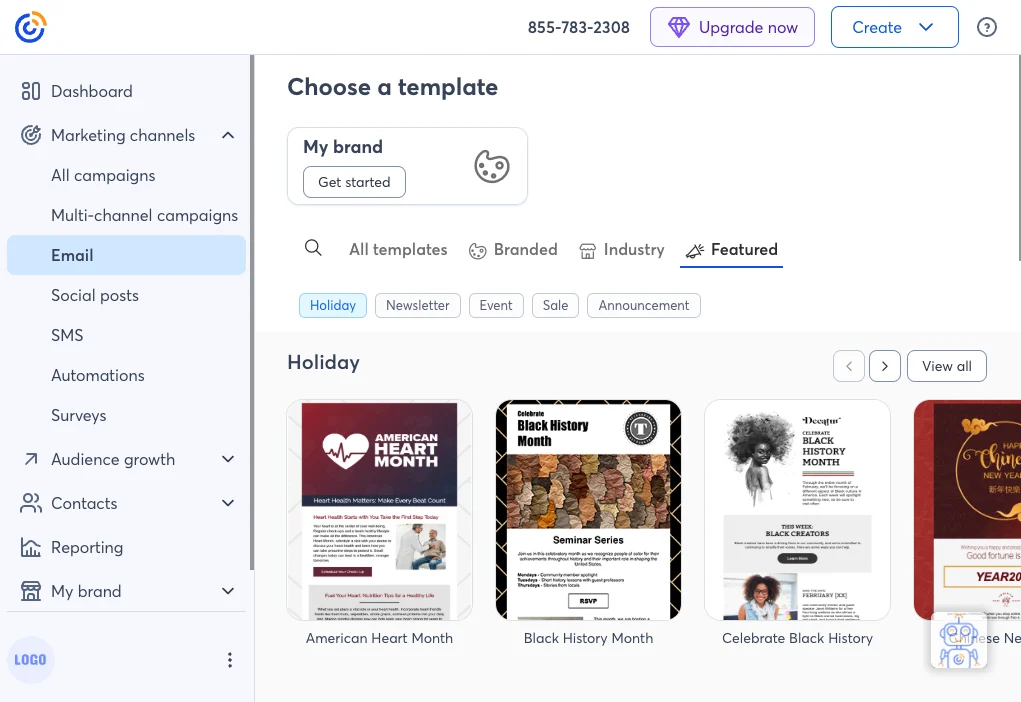
- Automated Contracting and Payment: Streamlining the financial interactions between brands and a diverse array of partners, including traditional affiliates, influencers, and content creators.
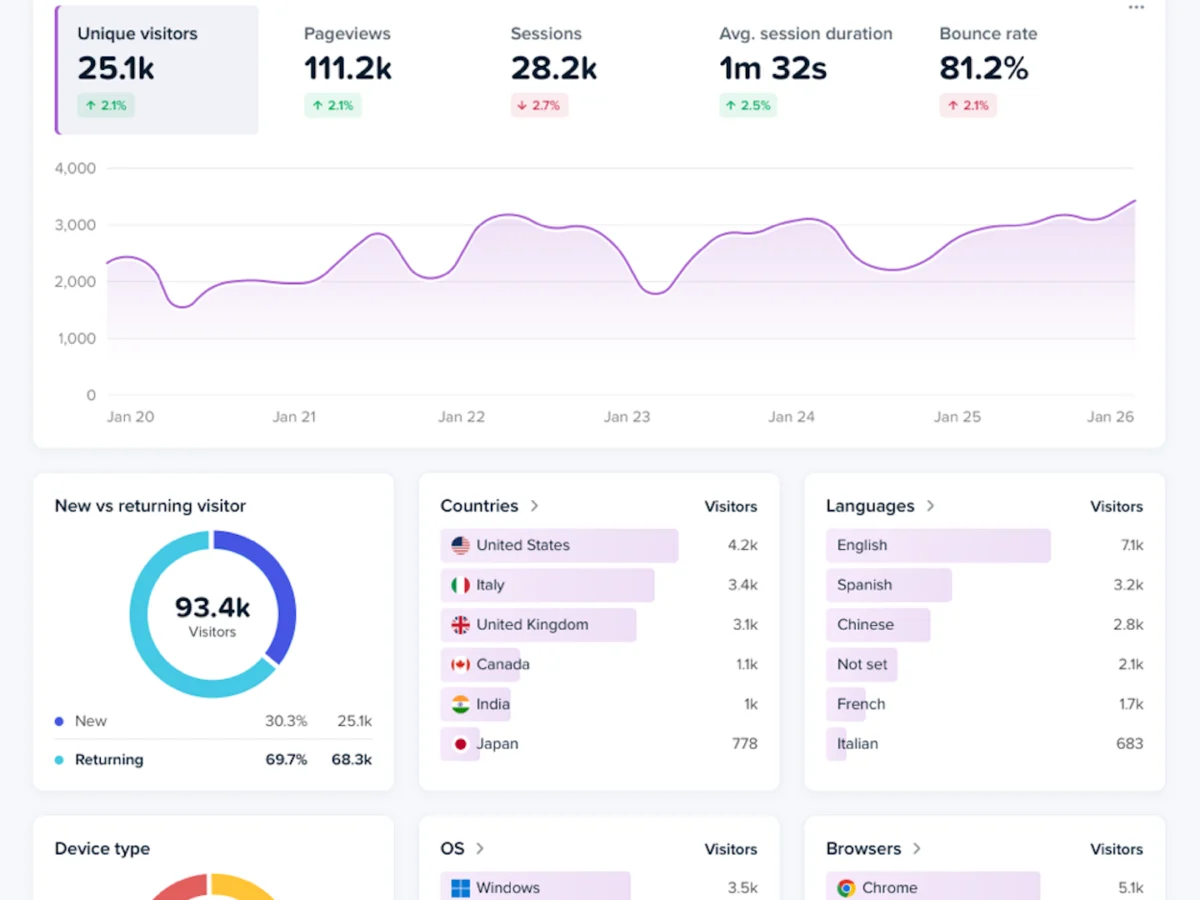
- Comprehensive Reporting: Providing granular data insights that allow brands to measure the incremental value of their partnerships.
- Discovery and Recruitment Tools: Utilizing AI-driven recommendations to help brands find and onboard new partners at scale.
Historical Context and the Evolution of the Affiliate Market
To understand the weight of this announcement, one must look at the history of both entities. Rakuten Advertising’s roots trace back to LinkShare, founded in 1996, which was one of the first and most influential affiliate networks in the world. Rakuten acquired LinkShare in 2005 for $425 million, eventually rebranding it and integrating it into a broader suite of marketing services. For decades, Rakuten was considered one of the "Big Three" affiliate networks alongside CJ (formerly Commission Junction) and Awin.
In contrast, impact.com (formerly Impact Radius) was founded in 2008 by a team of industry veterans, including some of the original founders of Commission Junction. Their goal was to disrupt the traditional network model by offering a Software-as-a-Service (SaaS) solution that prioritized transparency and gave brands more direct control over their partnerships. Over the last decade, the industry has seen a massive shift away from closed "walled garden" networks toward these open SaaS platforms.
The decision for Rakuten to outsource its technology to a former competitor reflects the increasing cost and complexity of maintaining a proprietary global tracking infrastructure. In a market where privacy regulations (like GDPR and CCPA) and browser changes (such as the phase-out of third-party cookies) are constantly shifting the technical goalposts, partnering with a dedicated technology firm allows Rakuten to mitigate technical debt and focus on its core competency: strategic growth and publisher relations.
Timeline and Migration Strategy
The migration of Rakuten Advertising’s extensive client base is expected to be a multi-phased process spanning several months. While the announcement was made public in early August 2024, the groundwork for the alliance had been in development for some time.
- Phase 1: Initial Announcement and Onboarding: Following the public reveal, Rakuten began notifying its existing advertiser base of the upcoming transition. Dedicated teams from both Rakuten and impact.com were assigned to oversee the technical handoff.
- Phase 2: Technical Integration: Advertisers are required to update their tracking pixels and migrate their publisher contracts to the impact.com interface. This involves significant data mapping to ensure that historical performance data remains accessible and that ongoing tracking is not interrupted.
- Phase 3: Publisher Transition: Thousands of publishers and influencers must also adjust their workflows. While many publishers already operate on impact.com for other brands, those exclusive to the Rakuten network must familiarize themselves with the new reporting and payment interface.
- Phase 4: Full Optimization: Once the migration is complete, Rakuten’s account managers will begin utilizing impact.com’s advanced toolsets to refine client strategies, focusing on "modernizing" the partnership economy as stated in their joint press release.
Supporting Data: The Growth of the Partnership Economy
The Rakuten and impact.com alliance comes at a time of robust growth for the performance marketing sector. According to the Performance Marketing Association (PMA), affiliate marketing spend in the United States alone is projected to reach approximately $15.7 billion by the end of 2024.
Furthermore, data from impact.com’s own industry research indicates that high-maturity partnership programs grow revenue nearly twice as fast as low-maturity programs. By adopting a more sophisticated technical framework, Rakuten’s clients are positioned to move into this "high-maturity" category. The shift also reflects a broader trend in the marketing technology (MarTech) space: consolidation and specialization. Rather than trying to be everything to everyone, industry leaders are choosing to form ecosystems where specialized tools work in tandem.
Industry Reactions and Expert Analysis
The reaction from the affiliate marketing community has been largely positive, though tempered by the recognition of the logistical challenges ahead. Industry analysts suggest that this move is a "win-win" for both companies.
David A. Yovanno, CEO of impact.com, noted in a statement that the alliance is intended to "create a more efficient and effective ecosystem for all participants." He emphasized that the combination of Rakuten’s strategic expertise and impact.com’s technology would set a new standard for the industry. Nick Ando, a representative for Rakuten Advertising, highlighted that this move allows the company to double down on its "unmatched media and agency services."
However, third-party management agencies have noted the immediate workload this creates for brands. Agencies specializing in affiliate program management, such as AM Navigator, have already begun offering specialized migration services to help brands navigate the transition without losing momentum. The technical migration of an affiliate program is a delicate process; if not handled correctly, it can lead to tracking gaps, lost commissions for publishers, and damaged brand-partner relationships.
Broader Implications for the Affiliate Ecosystem
The Rakuten-impact.com deal has several long-term implications for the competitive landscape of digital marketing:
1. Pressure on Traditional Networks: This alliance puts significant pressure on other traditional affiliate networks to either upgrade their proprietary technology or seek similar SaaS partnerships. The "network" model, which often includes a "network fee" on top of commissions, is being challenged by the more transparent SaaS pricing models.
2. Increased Focus on Incremental Value: With impact.com’s advanced tracking, brands will be better equipped to identify which partners are driving truly new customers versus those who are simply capturing existing demand. This will likely lead to a reallocation of budgets toward content-heavy and "top-of-funnel" partners.
3. Global Scalability: As Rakuten Advertising manages many global accounts, the move to impact.com—which has a strong international presence—simplifies the management of multi-regional campaigns. This facilitates easier entry into new markets for brands that were previously limited by Rakuten’s legacy regional silos.
4. The "Agency-fication" of Networks: Rakuten’s pivot suggests that the future of many legacy networks may lie in service and strategy rather than code. As technology becomes a commodity, the human element—negotiation, relationship building, and creative strategy—becomes the primary differentiator.
Conclusion: A New Standard for Performance Marketing
The strategic alliance between Rakuten Advertising and impact.com is more than just a vendor change; it is a milestone in the maturation of the affiliate marketing industry. By separating the service layer from the technology layer, both companies are acknowledging that the complexities of the modern digital economy require specialized expertise.
For advertisers, the transition promises better tools and more transparent data. For publishers, it offers a more streamlined way to work with some of the world’s largest brands. While the immediate future will be defined by the logistical hurdles of migration, the long-term outlook suggests a more robust, data-driven, and scalable ecosystem for the global partnership economy. As the industry watches this transition unfold, the success of this alliance will likely serve as a blueprint for future collaborations in the ever-evolving MarTech space.