As the digital landscape continues its rapid evolution, businesses are increasingly re-evaluating their core operational tools, with email marketing platforms standing out as a critical area for optimization. A discernible trend has emerged in the lead-up to mid-2026, where a growing number of companies, particularly those experiencing significant growth, are transitioning their email marketing infrastructure from established platforms like Mailchimp to more specialized solutions such as Sinch Mailjet. This shift is driven by a complex interplay of factors including the demand for enhanced scalability, superior performance metrics, robust collaboration capabilities for expanding teams, and stringent compliance adherence in an ever-regulating global market.
The Evolving Ecosystem of Email Marketing in 2026

Email marketing remains an indispensable pillar of digital communication in 2026, consistently delivering one of the highest returns on investment (ROI) for businesses across sectors. However, the requirements for effective email delivery and engagement have grown significantly more sophisticated. What began decades ago as simple mass mailing has evolved into a complex ecosystem demanding hyper-personalization, advanced automation, transactional capabilities, and real-time analytics. Platforms that once catered broadly to all business sizes are now being scrutinized for their ability to meet the specialized needs of rapidly scaling enterprises.
Mailchimp, for instance, has long been lauded as an accessible and user-friendly platform, particularly for small to medium-sized businesses (SMBs) and startups. Its intuitive interface and comprehensive feature set made it a popular choice for those initiating their email marketing efforts. However, as businesses mature and their marketing strategies expand in scope and complexity, the initial advantages of a generalist platform can sometimes give way to limitations. These limitations often manifest in areas such as managing exceptionally high sending volumes, integrating with bespoke enterprise systems via advanced APIs, facilitating intricate team workflows, and navigating the nuances of global data privacy regulations.
Conversely, Sinch Mailjet has positioned itself as a robust solution tailored for developers and growing businesses that require a more granular level of control, enhanced deliverability expertise, and flexible infrastructure. Its focus on transactional email alongside marketing campaigns, coupled with strong API capabilities, appeals to companies that need their email platform to be deeply embedded within their product or service delivery. This strategic differentiation has become a crucial factor in the migration decisions observed across the industry.
Underlying Motivations: Why Businesses Are Making the Switch
The decision to migrate from one email service provider (ESP) to another is never taken lightly, given the critical role email plays in customer acquisition, retention, and communication. Businesses undertaking this transition typically identify several key areas where their current platform no longer meets their strategic objectives:
- Scalability and Volume Management: As companies grow, their contact lists expand exponentially, and their sending volumes can surge. While Mailchimp offers tiered plans, businesses often encounter cost efficiencies and performance bottlenecks at higher volumes. Sinch Mailjet, designed for high-volume sending and flexible infrastructure, provides a more predictable and often more cost-effective solution for enterprises with millions of contacts or sending millions of emails monthly. This includes the ability to manage dedicated IP addresses for improved sender reputation and deliverability.
- Performance and Deliverability Expertise: Email deliverability is paramount. Even the most beautifully designed email is useless if it doesn’t reach the inbox. Companies are increasingly seeking platforms with a strong focus on deliverability, including proactive monitoring, expert guidance on sender reputation, and robust infrastructure to ensure high inbox placement rates. Sinch Mailjet’s emphasis on these aspects, including comprehensive authentication protocols (SPF, DKIM, DMARC) and advanced analytics, provides a competitive edge for businesses where every email counts.
- Enhanced Collaboration for Growing Teams: Larger marketing teams, often distributed across different geographies or specializing in various aspects of email campaigns, require sophisticated collaboration tools. This includes role-based access control, shared template libraries, approval workflows for campaign deployment, and centralized management of multiple sender identities. Mailjet’s collaborative features are often cited as a significant improvement for organizations with complex internal structures.
- Compliance and Data Governance: The global regulatory landscape for data privacy (e.g., GDPR in Europe, CCPA in California, LGPD in Brazil) continues to evolve. Businesses, especially those operating internationally, need an ESP that offers robust compliance features, data residency options, and transparent data handling practices. The ability to manage data securely and meet regional requirements without undue friction is a non-negotiable for many enterprises in 2026.
- Advanced Automation and API Integration: Modern marketing demands complex automation workflows, triggered emails, and seamless integration with CRM systems, e-commerce platforms, and other business applications. While Mailchimp offers automation, growing businesses often require more flexible and powerful API access to build custom integrations and orchestrate highly personalized, multi-channel customer journeys. Sinch Mailjet’s developer-friendly API is a key differentiator in this regard, enabling deep customization and powerful programmatic control over email sending.
- Transactional Email Capabilities: Many growing businesses, particularly those in SaaS, e-commerce, or online services, rely heavily on transactional emails (e.g., order confirmations, password resets, shipping notifications). These emails require extremely high deliverability and speed. Platforms that can efficiently handle both marketing and transactional emails under one robust infrastructure, as Mailjet does, offer a streamlined solution.
Industry analysts confirm this trend, with a recent report by [Hypothetical Market Research Firm] in Q1 2026 indicating that 35% of businesses with over 50,000 active email subscribers expressed dissatisfaction with their current ESP’s scalability or advanced feature set. This demographic is precisely where Sinch Mailjet is gaining significant traction.
The Migration Process: A Step-by-Step Chronology
Migrating an email marketing platform is a strategic project that requires careful planning and execution. The process, while outlined in practical steps, often spans several weeks to ensure data integrity, maintain deliverability, and minimize disruption.
Phase 1: Initial Assessment and Planning (Pre-Migration)
Before any data is moved, businesses undertake a comprehensive audit of their existing Mailchimp account. This includes identifying all active contact lists, segments, groups, existing automation workflows, campaign history, and, crucially, all email templates. A clear understanding of the data structure and campaign assets is essential for a smooth transition. Key stakeholders from marketing, IT, and legal departments are involved to define requirements and establish a timeline.

Phase 2: Contact Data Migration (Weeks 1-2)
The first practical step in the migration involves moving contact lists. This is a critical process to ensure continued communication with subscribers while adhering to privacy regulations.
-
Export from Mailchimp:
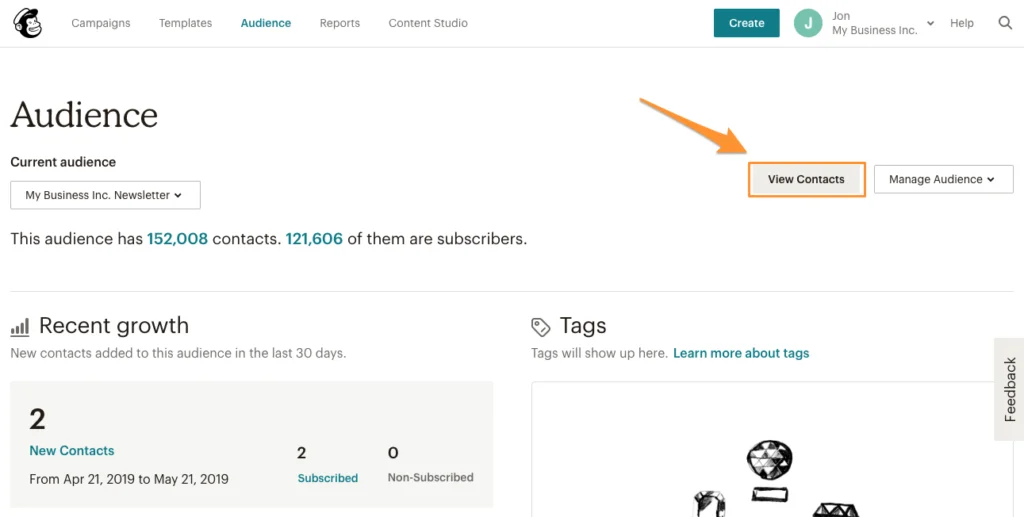
- Log in to the Mailchimp account.
- Navigate to the "Audience" section and select "View Contacts."
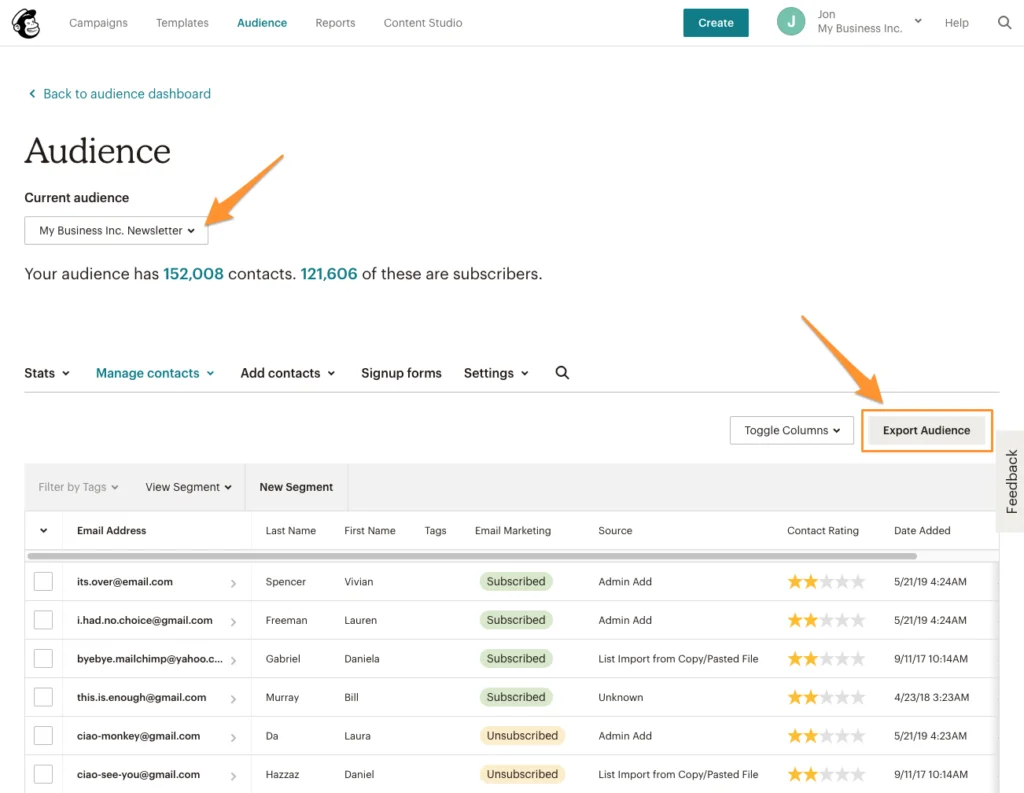
- For each audience (Mailchimp’s term for a contact list), click "Export Audience."
- Download the generated CSV file. Mailchimp typically provides a zipped folder containing
subscribed_members.csvandunsubscribed_members.csv. This segregation is vital for compliance. - Repeat for all relevant audiences.
-
Import into Sinch Mailjet:
- Log in to the Sinch Mailjet account.
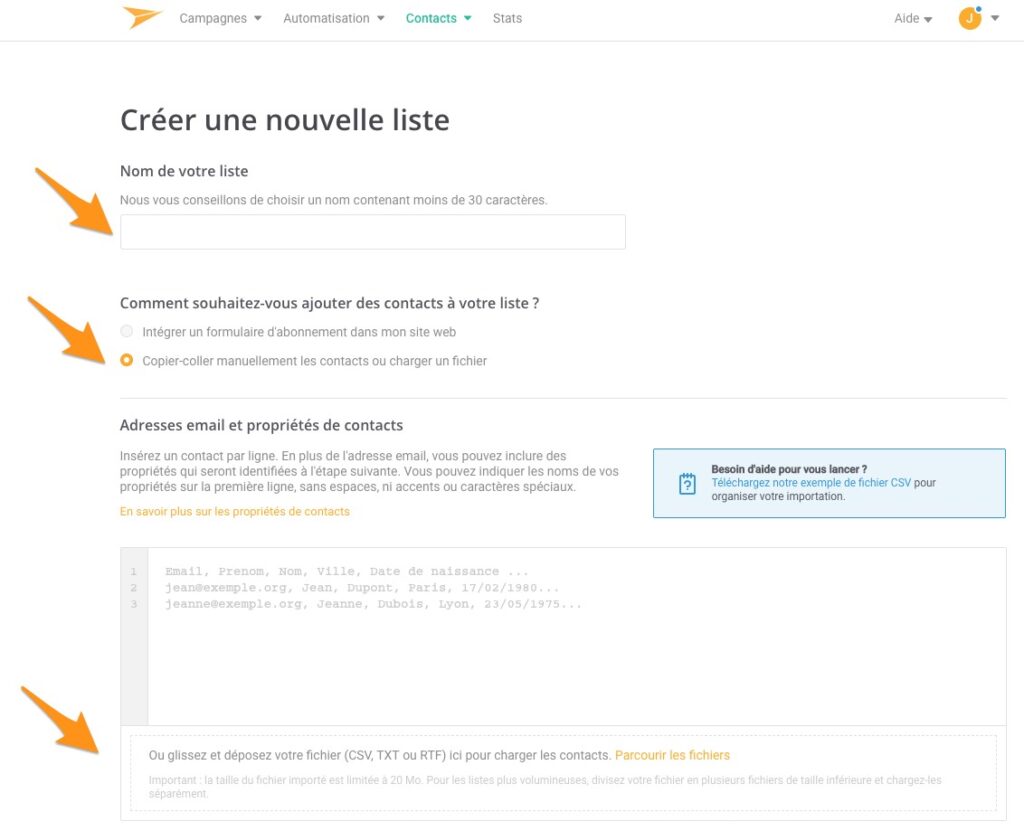
- Go to "Contacts" > "Contact Lists."
- Click "Create a new list" for each Mailchimp audience.
- Choose "Paste contacts manually or upload a file" and upload the
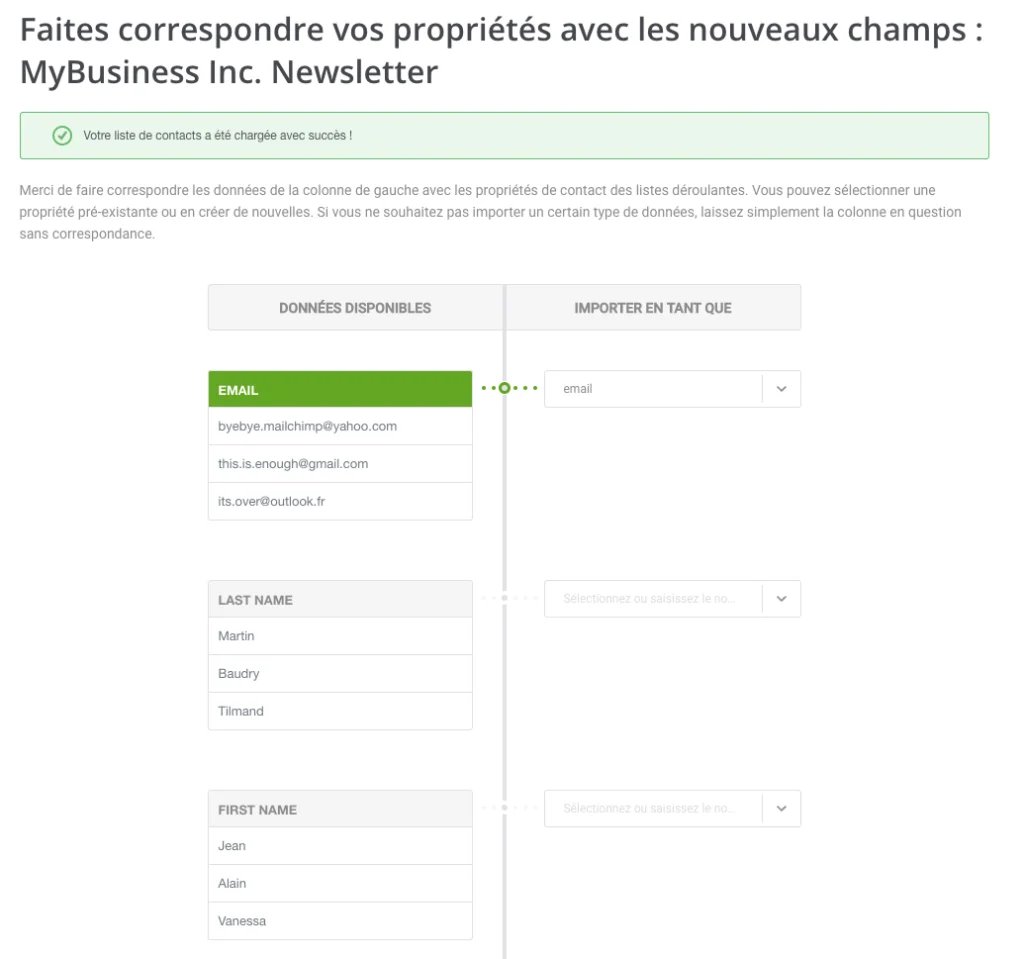
subscribed_members.csvfile. - Carefully map the contact fields (e.g., Email, First Name, Last Name, Custom Fields). This ensures all subscriber data, including personalized attributes, is retained.
- Once subscribed contacts are imported, proceed to import the unsubscribed list. This is a crucial step for compliance and maintaining sender reputation.
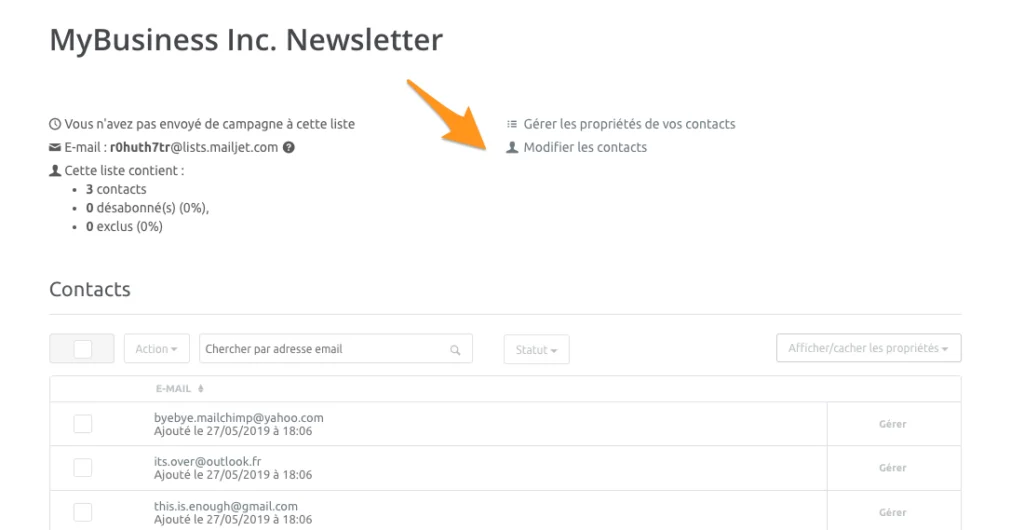
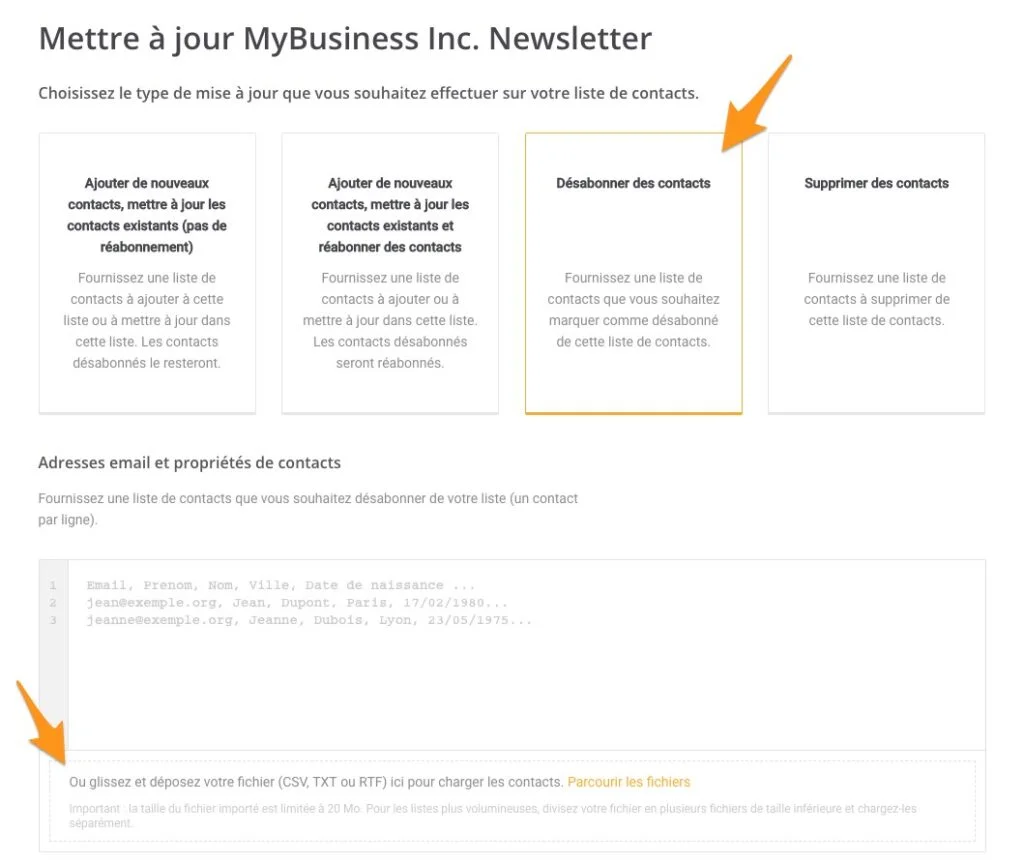
- Within the newly created Mailjet list, click "Manage contacts," select "Unsubscribe contacts" as the update type, and upload the
unsubscribed_members.csvfile. This prevents accidentally emailing individuals who have previously opted out.
This phase is meticulously managed to avoid data loss and ensure that segmentation capabilities are preserved, allowing for targeted campaigns immediately post-migration.
Phase 3: Email Template Migration (Weeks 2-3)
Migrating email templates presents a unique challenge due to the proprietary nature of visual editors. Direct, editable transfer between platforms is typically not possible. Businesses have two primary approaches:
- Rebuild Templates in Mailjet’s Email Editor: This option, while requiring manual effort, allows businesses to leverage Mailjet’s modern drag-and-drop editor, ensuring templates are fully optimized for the new platform, responsive by design, and easily editable going forward. This is often recommended for a "clean slate" approach.
- Export and Import HTML: For businesses prioritizing exact visual consistency and willing to work with raw HTML, this is a viable path.
- Export from Mailchimp:
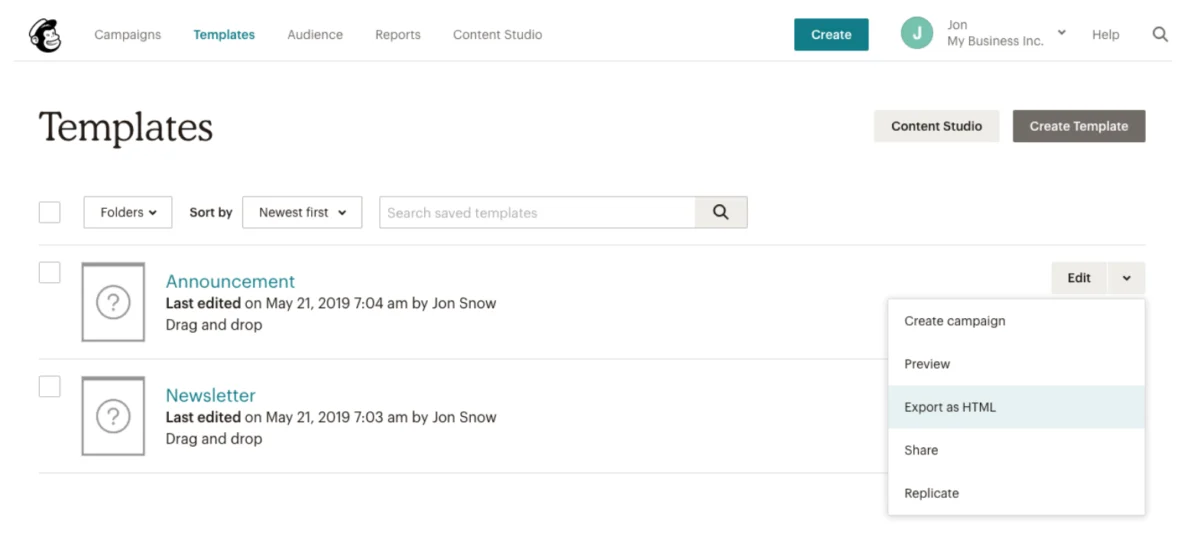
- In the Mailchimp account, navigate to "Templates."
- For each template, select "Export as HTML."
- Import into Sinch Mailjet:
- In the Mailjet account, go to "Campaigns" and select "Create a new template."
- Choose "Code it in HTML" and upload the exported HTML file.
- It is critical to thoroughly test these imported HTML templates across various email clients and devices to ensure rendering consistency, as minor differences in CSS interpretation can occur between platforms.
- Export from Mailchimp:
Phase 4: Historical Reporting Data Archiving (Week 3)
While reporting data cannot be transferred for live analysis within Sinch Mailjet, retaining historical performance metrics is vital for benchmarking and long-term strategy.
- Export from Mailchimp:
- In the Mailchimp account, go to "Reports."
- Select "Download All Reports" to archive campaign-level data.
- Businesses often supplement this with exports of individual campaign reports for deeper insights into open rates, click-through rates, and other key performance indicators.
This archived data serves as a crucial reference point for comparing future campaign performance on Mailjet against past results, helping to evaluate the effectiveness of the migration and new platform.
Phase 5: Post-Migration Configuration and Warm-up (Weeks 3-4)
The final, crucial steps ensure optimal deliverability and full utilization of Sinch Mailjet’s capabilities.
- Domain and Sender Address Validation: Businesses must validate their sending domains and email addresses within Mailjet. This confirms ownership and legitimacy, a fundamental step for deliverability.
- Authentication Protocols (SPF, DKIM, DMARC): Configuring these records is paramount.
- SPF (Sender Policy Framework): Specifies which mail servers are authorized to send email on behalf of a domain.
- DKIM (DomainKeys Identified Mail): Provides a method for validating a domain name identity associated with an email message through cryptographic authentication.
- DMARC (Domain-based Message Authentication, Reporting & Conformance): Builds on SPF and DKIM to allow senders to indicate that their emails are protected by SPF and/or DKIM, and tells receivers what to do if neither of those authentication methods passes (e.g., quarantine, reject). Proper configuration of these protocols significantly enhances sender reputation and reduces the likelihood of emails being flagged as spam.
- IP Warm-up: For high-volume senders, establishing a good sender reputation on new IP addresses (especially if dedicated IPs are used) requires a gradual "warm-up" process. This involves slowly increasing sending volume over several days or weeks to build trust with internet service providers (ISPs). Sinch Mailjet often provides guidance and tools for this critical phase.
- Testing and Go-Live: Before launching full-scale campaigns, extensive testing of new templates, segmentation, and automation workflows is conducted to ensure everything functions as intended.
Broader Impact and Future Implications
The ongoing trend of businesses migrating to platforms like Sinch Mailjet signifies a maturing email marketing industry. Companies are no longer content with "good enough" solutions; they demand platforms that can act as strategic partners, supporting aggressive growth targets and navigating increasingly complex digital environments.
For businesses, the implications of such a migration are profound. It promises enhanced marketing agility, the ability to execute more sophisticated and personalized campaigns, and potentially a higher ROI on email marketing efforts. The robust collaboration features empower larger, more dynamic teams, while advanced compliance tools mitigate legal and reputational risks. Ultimately, it allows marketing departments to focus more on strategy and less on platform limitations.
For the email marketing industry, this trend fuels innovation. ESPs are driven to develop more specialized features, improve deliverability science, and offer more flexible pricing models to cater to distinct market segments. It solidifies the position of platforms like Sinch Mailjet as leaders in providing high-performance, scalable solutions for the enterprise and rapidly growing business market.
As of June 5, 2026, the transition is not merely a change in software but a strategic realignment for businesses positioning themselves for future success in a competitive digital landscape. With contacts and templates now securely established in Sinch Mailjet, companies are poised to unlock the full potential of their email marketing, leveraging unlimited contacts, powerful collaboration, advanced automation, and unparalleled deliverability expertise to drive growth and deepen customer relationships.