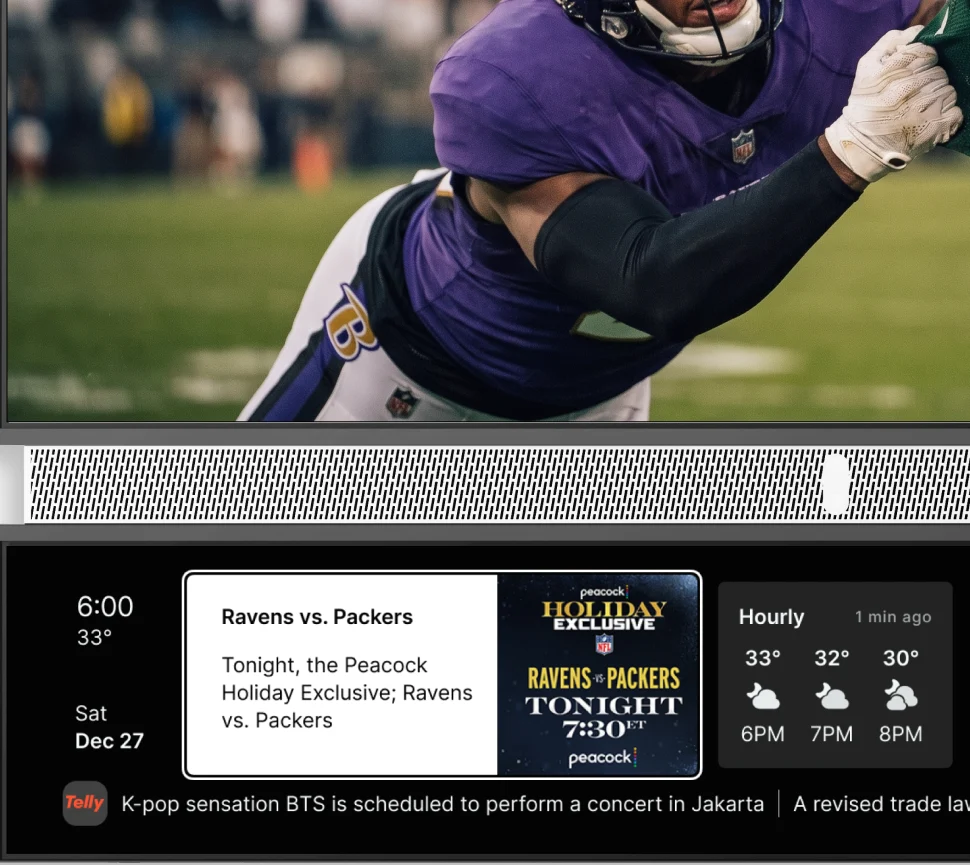
Telly, the innovative startup that has disrupted the connected TV (CTV) landscape by offering free smart TVs in exchange for user data and ad exposure, is now making significant strides in programmatic advertising. The company announced on Wednesday, September 9th, 2026, that its highly sought-after home screen ads are now available for brands to purchase programmatically. This strategic move is accompanied by a concerted push for industry-wide standardization, a crucial step aimed at attracting increased advertising spend and solidifying Telly’s position as a major player in the burgeoning CTV advertising market.
At the core of Telly’s offering are its smart TVs, distinguished by a unique dual-screen experience. The primary, larger screen provides the conventional viewing experience, while a smaller, secondary screen, positioned below the main display, presents a continuous stream of news and advertisements. It is within this secondary screen that Telly’s programmatic home screen ads are now being deployed. These ads leverage Magnite’s robust SpringServe ad server for seamless delivery, with demand actively generated from leading advertising platforms such as The Trade Desk and Teads, among others.
The critical challenge for any emerging ad format, particularly within the dynamic CTV ecosystem, is achieving scale. Mike Shehan, Telly’s Chief Revenue Officer (CRO), emphasized this point in a recent discussion with AdExchanger. Shehan, a seasoned veteran in the ad tech industry and former CEO of SpotX—a prominent video supply-side platform acquired by Magnite for an impressive $1.17 billion in 2021—understands the imperative of programmatic accessibility for widespread adoption. "For home screen ads to truly stick and gain traction, they need scale," Shehan stated. "This is precisely where programmatic enablement becomes indispensable."
While Telly’s programmatic home screen ad initiative is generating considerable buzz, it is important to note that the company is not the first to venture into this territory. The ad tech platform Nexxen, for example, made its native home screen ads programmatically available across an expanding roster of TV manufacturers, including V (formerly VIDAA) and TiVo, as early as last year. Similarly, Supply-Side Platforms (SSPs) like Magnite have been offering programmatic access to various ad placements, including pause ads, for a considerable duration.
However, Telly is distinguishing itself by actively collaborating with the IAB Tech Lab to develop standardized specifications for home screen ads within the bidstream. Shehan highlighted this collaboration as a key differentiator. The IAB Tech Lab, a vital standards-setting body for digital advertising, concluded its public comment period for proposed specification updates at the end of June, and subsequently finalized these crucial signal updates in July. This proactive engagement in standardization efforts signals Telly’s commitment to fostering a more predictable and efficient advertising environment for all participants.
Shehan further argued that Telly’s unique value proposition extends beyond programmatic capabilities. He asserted that the company’s distinct second-screen interface, coupled with direct access to rich first-party customer data, provides a significant competitive advantage. This advantage translates into enhanced targeting precision for home screen ads and, consequently, a greater ability to drive tangible business outcomes for advertisers.
Go Big or Go Home Screen: The Data-Driven Advantage
The genesis of Telly’s sophisticated targeting capabilities lies in its onboarding process for new users. When individuals opt to receive a Telly device, they are required to complete a comprehensive questionnaire. This questionnaire delves deeply into demographic information, including household income and the number of occupants, as well as lifestyle and behavioral data. Key areas explored include brand preferences, insurance providers, the types of vehicles owned by household members, and whether these vehicles are leased or purchased.
"The questionnaire goes very deep on demographics, lifestyle, and brand loyalty," Shehan explained. This granular first-party data, when integrated with Automatic Content Recognition (ACR) data—which tracks the content viewers are consuming on their main screens—creates a powerful engine for highly specific ad targeting. For instance, Telly can accurately identify and target households that are actively in the market for a new insurance policy, presenting them with relevant advertisements on their home screen.
The second screen, however, transcends its role as a mere data collection interface. Its independent functionality allows it to display content and advertisements without disrupting the primary viewing experience. This means advertisers can reach consumers even when they are opting for ad-free streaming services on the main screen, effectively circumventing traditional ad-blocking or subscription-based avoidance.
Beyond programmatic enablement, Telly is also enhancing its ad offerings by making longer-form home screen ads, extending up to five minutes, available through private marketplace deals facilitated by Magnite. Shehan believes that this extended duration, combined with the inherently non-disruptive nature of a home screen placement, significantly boosts engagement levels. He cited an example where a streaming service, which Telly chose not to name, experienced a fivefold increase in app opens by utilizing a five-minute home screen ad compared to a two-minute advertisement.
This innovative approach has already garnered positive feedback from media buyers. Mike Treon, Head of CTV and Video Strategy at PMG, expressed enthusiasm for Telly’s home screen advertising. "The home screen has always been a powerful front door for us to engage viewers," Treon commented. "Telly extends that opportunity, giving brands a persistent presence that enhances engagement." The sentiment from media buyers suggests a growing recognition of the unique potential of the home screen as a valuable advertising real estate, offering sustained brand visibility and deeper consumer interaction.
Standardization as a Catalyst for Growth
The push for industry standardization in CTV advertising is not merely an operational enhancement; it is a strategic imperative for Telly and the broader ecosystem. The fragmented nature of CTV, with its diverse device manufacturers, operating systems, and measurement methodologies, has historically presented challenges for advertisers seeking consistent and scalable campaigns. By actively contributing to the IAB Tech Lab’s standardization efforts, Telly is demonstrating a commitment to interoperability and transparency.
The IAB Tech Lab’s work on standardizing CTV ad formats, including signals within the bidstream for home screen placements, aims to streamline the buying and selling process. This standardization will enable programmatic platforms to more accurately identify, categorize, and bid on home screen ad inventory, leading to greater efficiency and reduced friction for advertisers. For Telly, this means a more predictable revenue stream and the ability to attract larger, more sophisticated advertising budgets that might have previously shied away from the perceived complexity of the CTV landscape.
The implications of this standardization are far-reaching. It could pave the way for more sophisticated audience segmentation and measurement across different CTV environments. As the industry moves towards common standards, advertisers will be better equipped to understand the reach and impact of their campaigns, leading to more informed media planning and allocation. This increased confidence in measurement and reporting is crucial for unlocking the full potential of CTV as a primary advertising channel.
The Future Landscape of CTV Advertising
Telly’s strategic pivot towards programmatic home screen ads, coupled with its active role in standardization, positions the company at the forefront of the evolving CTV advertising narrative. The model of providing free hardware in exchange for data and advertising access is a compelling proposition that has already captured significant consumer interest. By layering programmatic capabilities and a commitment to industry standards, Telly is not only enhancing its own monetization strategy but also contributing to the maturation of the entire CTV advertising ecosystem.
The success of this approach will ultimately hinge on Telly’s ability to deliver on its promise of superior targeting and measurable results. The deep first-party data, combined with ACR insights and the unique placement of home screen ads, provides a powerful foundation. However, sustained enthusiasm from advertisers will require consistent demonstration of ROI and an ongoing commitment to innovation and transparency.
As the CTV market continues its rapid expansion, with projections indicating continued growth in both viewership and ad spend, companies like Telly that are proactively addressing the industry’s challenges and opportunities are likely to thrive. The ability to offer a differentiated ad experience, backed by robust data and a commitment to industry best practices, will be key differentiators in this increasingly competitive space. The coming months and years will undoubtedly reveal whether Telly’s bold strategy translates into sustainable, long-term investment and solidifies its place as a transformative force in the future of digital advertising.