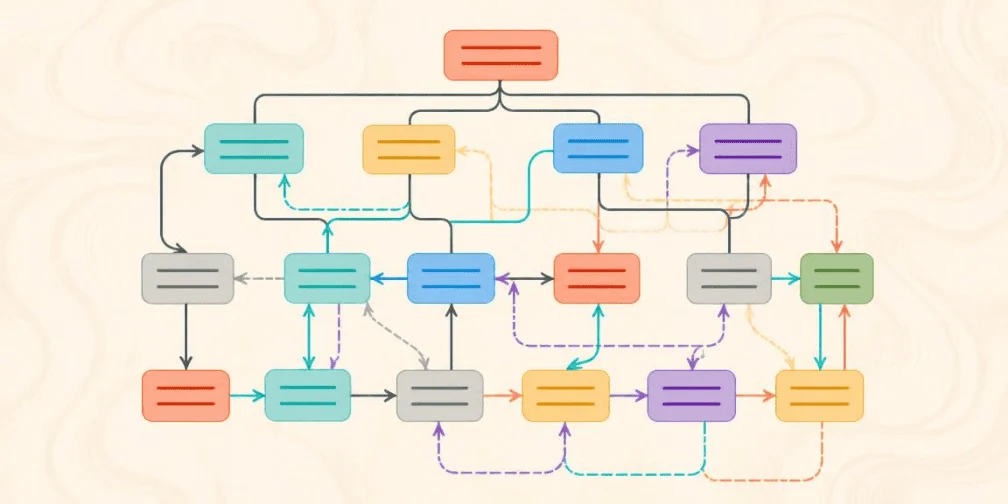
The way many organizations structure their teams often isn’t the result of deliberate, strategic planning. Instead, it’s a product of historical accretion – a series of ad-hoc decisions made to address immediate needs, such as hastily filling a role during a period of intense demand, merging a team due to a manager’s departure, or maintaining a function long after the underlying work has transformed. This phenomenon, termed "structural drift" by Lisa Heay, Vice President of Business Operations at Heinz Marketing, can lead to significant inefficiencies, including duplicated efforts, stalled decision-making processes, and breakdowns in critical handoffs between departments. Heay’s analysis suggests that leadership can begin to bridge the gap between their current organizational structure and their ideal design by asking targeted questions to uncover these inherited inefficiencies.
The Evolution of Inefficiency: From Reactive Fixes to Structural Drift
The genesis of many organizational charts, according to Heay, lies not in strategic blueprints but in a series of reactive responses to circumstances. "Ask someone why their team is set up the way it is, and you rarely get a strategy; you get a story," she observes. These stories often involve situations like a manager absorbing additional reports due to a colleague’s departure, necessitating the quick reassignment of individuals without a thorough reevaluation of their roles. Similarly, new positions might emerge based on the exceptional skills of a single employee, leading to reporting lines that no longer logically align with the broader business functions. Even the persistence of teams dedicated to product lines that have long since been discontinued exemplifies this inherited structure.
These adjustments, while perhaps sensible in isolation at the time of their implementation, collectively result in an organizational chart that no longer accurately reflects the dynamic flow of work within the company. The original article highlights that "none of that was designed. It was inherited, one reasonable decision at a time, until the org chart stopped matching how the work gets done." This gradual, almost imperceptible evolution means that the established hierarchy and team configurations can become misaligned with the actual operational realities, creating friction points that impact productivity and agility.
The "Job Description Problem" on an Organizational Scale
Heay draws a parallel between the drift observed in individual job descriptions and the broader structural shifts within an organization. Previously, she had written about how job descriptions can become outdated as employees’ responsibilities evolve, particularly with the advent of AI automating certain tasks. The same principle applies to organizational design. Team boundaries can blur, reporting lines can cease to reflect genuine collaboration needs, and departments can find themselves operating in silos that hinder efficient workflow. This "job description problem, one level up" means that the formal structure of the organization no longer accurately mirrors who needs to interact with whom to achieve objectives. The implications are significant, as a misaligned structure can impede communication, slow down progress, and create confusion about accountability.
Manifestations of Structural Friction
The consequences of this structural drift are rarely announced with fanfare. Instead, they manifest as subtle but persistent inefficiencies that erode operational effectiveness. One common symptom is the duplication of work, where two or more teams independently undertake similar tasks because clear delineations of responsibility are absent. This can occur when the scope of one team’s duties has expanded to encompass areas that logically belong to another, or when a lack of clear ownership leads to overlapping efforts.
Decision-making paralysis is another significant fallout. Projects and initiatives can become stalled for extended periods when the individual empowered to make a final decision no longer possesses the contextual understanding of the work. This context may have shifted to another team or individual during a reorganization that was never fully completed or integrated. Consequently, approvals and strategic choices can be held up by individuals who are no longer the most informed stakeholders, leading to delays and missed opportunities.
Furthermore, simple handoffs between teams can become convoluted and inefficient. Processes that were once straightforward can now involve multiple intermediaries due to individuals inheriting pieces of a former role or function. This fragmentation of responsibility adds layers of complexity, increasing the potential for miscommunication and errors. As Heay notes, "It shows up as a handoff that used to be simple now routes through three people, because each of them inherited a piece of a job that used to belong to someone who left."
A Case Study in Evolving Responsibilities
Consider a demand generation function that initially focused solely on email campaigns and web form management. Over time, as the team member demonstrated competence and capacity, their responsibilities organically expanded. They began handling lead scoring, then event follow-up, and even some sales enablement content creation, not because these tasks were strategically aligned with core demand generation, but because the existing individual possessed the skills and bandwidth. Crucially, these additions were often made without a formal discussion about whether demand generation was the most appropriate home for these expanded duties.
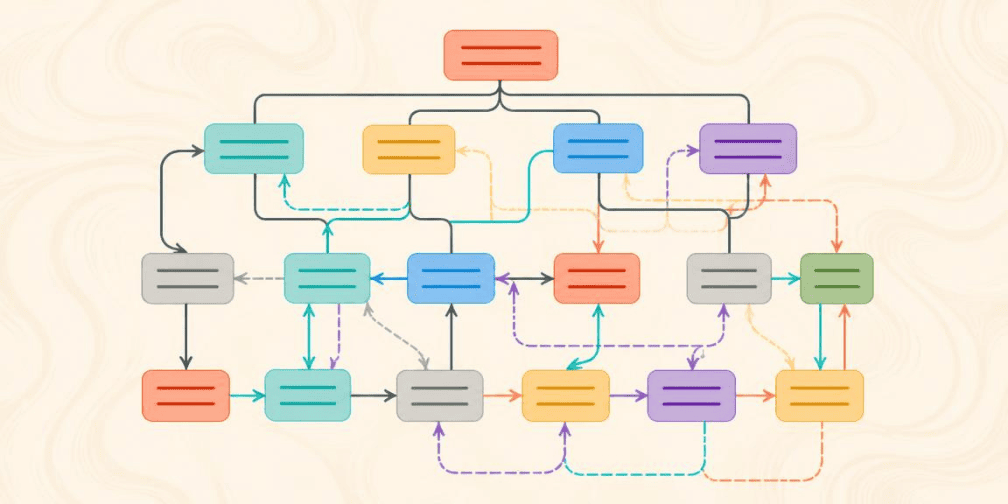
The situation is further complicated when this demand generation function reports to a director whose expertise lies in brand management rather than lifecycle marketing. This misalignment means that a significant portion of the team’s key stakeholders are in sales operations, a department with which they have no formal working relationship. The prioritization of the team’s work can then become subject to the loudest advocate or the manager with the most immediate needs, rather than being driven by strategic pipeline generation. This scenario illustrates how "growth outpaces anyone’s willingness to stop and redraw the boundaries," leading to a structure that is out of sync with its actual contributions.
The Amplifying Effect of Artificial Intelligence
The integration of AI tools, while promising enhanced efficiency, can inadvertently expose the underlying weaknesses in poorly structured organizations. AI can accelerate the initial stages of many tasks, such as drafting content or generating preliminary analysis. However, if the subsequent approval processes remain routed through individuals whose roles in the chain are no longer relevant or efficient, the speed of input is ultimately bottlenecked by the outdated structure. "AI doesn’t fix this, it exposes it faster," Heay points out. The increased speed offered by AI tools does not rectify a fundamental structural flaw; instead, it can exacerbate the problems by piling up faster inputs at the same broken bottlenecks. The effectiveness of AI is thus limited by the organizational architecture it operates within.
Reimagining Organizational Design: A Strategic Shift in Inquiry
To address these pervasive issues, Heay advocates for a fundamental shift in the questions leadership asks. Instead of focusing on who currently occupies a particular role or manages a team, a more effective approach involves asking: "If you were building this function from scratch today, knowing what the work requires now, would you build it this way?" This forward-looking question encourages a critical assessment of the current structure against the demands of present-day operations. The honest answer to this query, Heay suggests, is often "no," and this gap between the ideal and the actual structure represents the core problem that needs to be addressed.
A more effective starting point for organizational design, therefore, is to map outcomes to teams, rather than simply assigning individuals to existing boxes. By clearly defining the results each team is accountable for, the optimal structure for achieving those outcomes becomes more apparent. This approach facilitates a more logical and efficient division of labor, highlighting where the current organizational design falls short.
Moving Beyond Blame: A Focus on Continuous Improvement
It is crucial to emphasize that structural drift is not typically a reflection of individual failure or mismanagement. Businesses operate in dynamic environments, and the pace of change often outstrips the dedicated time required for periodic structural reevaluation. "None of this means someone screwed up," Heay reassures. "Structures drift because businesses move fast and nobody schedules time to sit down and question something that mostly works, until it doesn’t." The focus, therefore, should be on identifying and rectifying these inefficiencies rather than assigning blame.
Addressing these issues does not necessarily necessitate a complete organizational overhaul. Often, targeted adjustments can yield significant improvements. This might involve streamlining a problematic handoff between two departments or redefining the scope of a function that has outgrown its original mandate. The critical step is to conduct an honest assessment of the current structure and its alignment with ongoing work before implementing new initiatives, especially those involving advanced technologies like AI.
Actionable Steps for Structural Realignment
For organizations experiencing significant structural friction, Heay proposes a focused approach to diagnosis. She recommends selecting one function that appears particularly tangled and posing three key questions:
- What specific outcome does this team drive? This question forces a clear articulation of the team’s ultimate purpose and contribution to the business.
- Who are the primary internal stakeholders for this outcome, and how do they interact with this team? This probes the collaborative network and identifies dependencies and points of communication.
- What are the critical handoffs this team is responsible for, and what information or resources are exchanged? This deconstructs the workflow and pinpoints potential areas of inefficiency or breakdown.
These questions, when consistently applied, tend to reveal a recurring pattern: work that has expanded beyond the original boundaries established by individuals addressing different challenges in the past. This understanding serves as the genuine starting point for improvement—not a complete reimagining of the entire organizational chart, but a focused examination of where the existing structure has diverged from the reality of the work being performed.
For leaders who feel their team structures are more a product of historical circumstance than intentional design, seeking external perspective can be invaluable. As stated in the original article, "If your team structure feels more inherited than intentional, we’d be glad to help you take an honest look at it. Email us at [email protected] and we’ll set up time to talk through where you’re seeing the most friction." This offer underscores the importance of proactive evaluation and the potential for external expertise to illuminate pathways toward a more effective and agile organizational framework. The ongoing evolution of business demands that structures adapt, ensuring that the framework supports, rather than hinders, the achievement of strategic objectives.