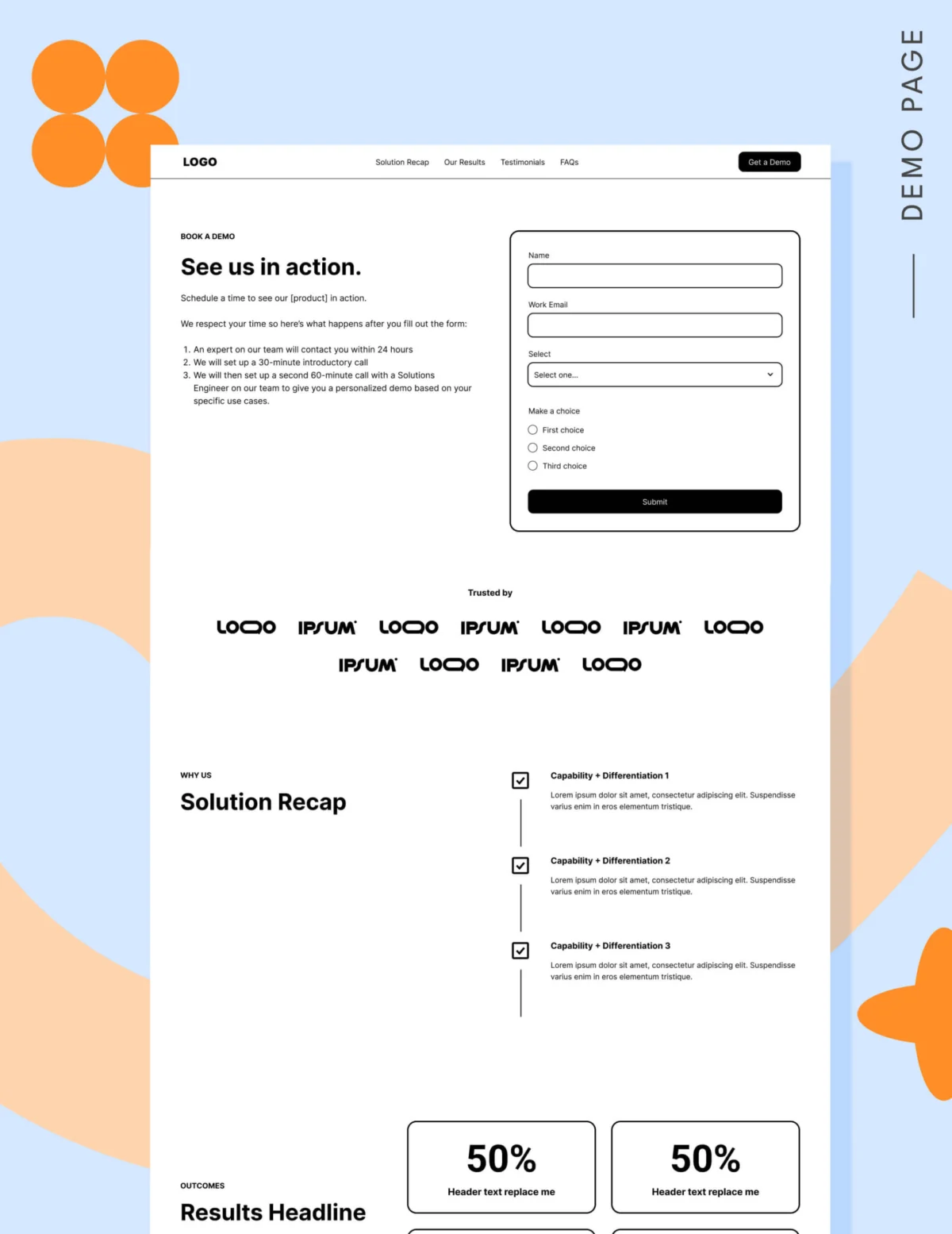
The global software-as-a-service (SaaS) industry is currently grappling with a fundamental shift in buyer behavior that has rendered traditional lead-generation tactics increasingly ineffective. As of mid-2026, market data indicates that the "request a demo" call-to-action (CTA), once the gold standard for high-intent conversion, is facing a crisis of friction. Marketing departments report a steady decline in demo volume, while sales teams express growing dissatisfaction with lead quality. This disconnect has prompted a comprehensive re-evaluation of how B2B organizations design, deploy, and drive traffic to their demo landing pages.
The 211-Day Journey: Contextualizing the Modern B2B Buyer
The primary catalyst for this shift is the increasing complexity of the B2B purchasing process. According to the Dreamdata 2025 LinkedIn Ads Benchmark Report, the average B2B customer journey has expanded to 211 days and involves approximately 88 distinct touchpoints. High-investment software decisions are no longer impulsive; they are the result of extensive research, peer validation, and multi-departmental consensus.
In this environment, many marketing teams continue to treat a demo request as a low-friction entry point, comparable to a whitepaper download or a newsletter subscription. However, industry analysts argue that asking a prospect to book a live session with a sales representative is a significant commitment of time and social capital. When buyers feel pressured to enter a sales conversation before they have established sufficient trust in the solution, the result is a high bounce rate and a diminished return on ad spend (ROAS).
To address this, organizations are moving away from "demo-first" strategies toward a more nuanced, education-heavy approach. The goal is no longer to capture a lead at the first opportunity, but to nurture the prospect until the demo becomes the logical next step in their research process.
The Core Four Framework: A Chronological Approach to Conversion
A significant development in the optimization of SaaS landing pages is the "Core Four" framework, championed by B2B landing page expert Tas Bober. This methodology posits that a demo landing page should rarely, if ever, be the initial point of contact for a prospective buyer. Instead, the journey should be structured across four distinct page types:
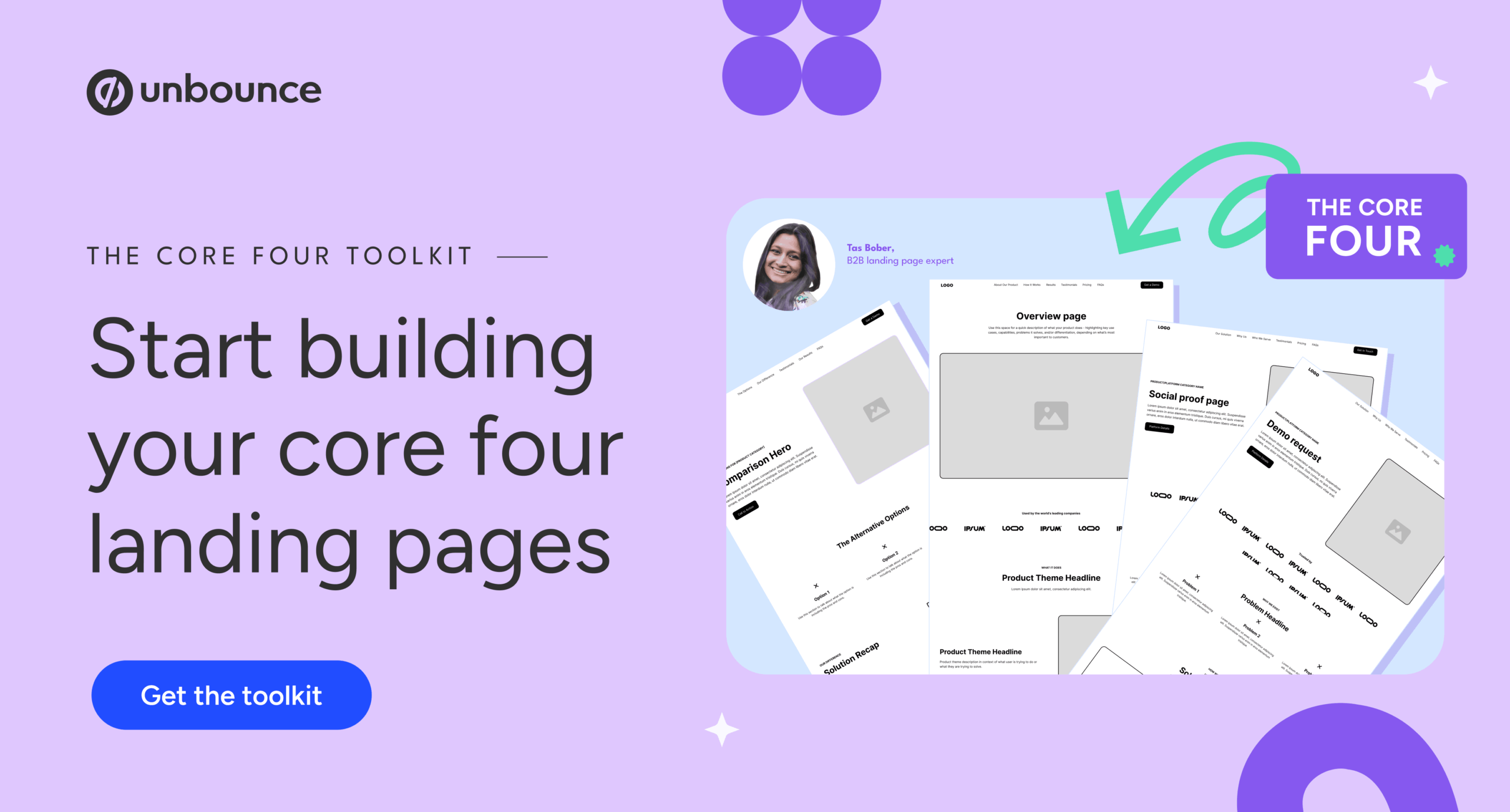
- Educational Pages: Designed for top-of-funnel (TOFU) awareness, focusing on the problem and the broader category.
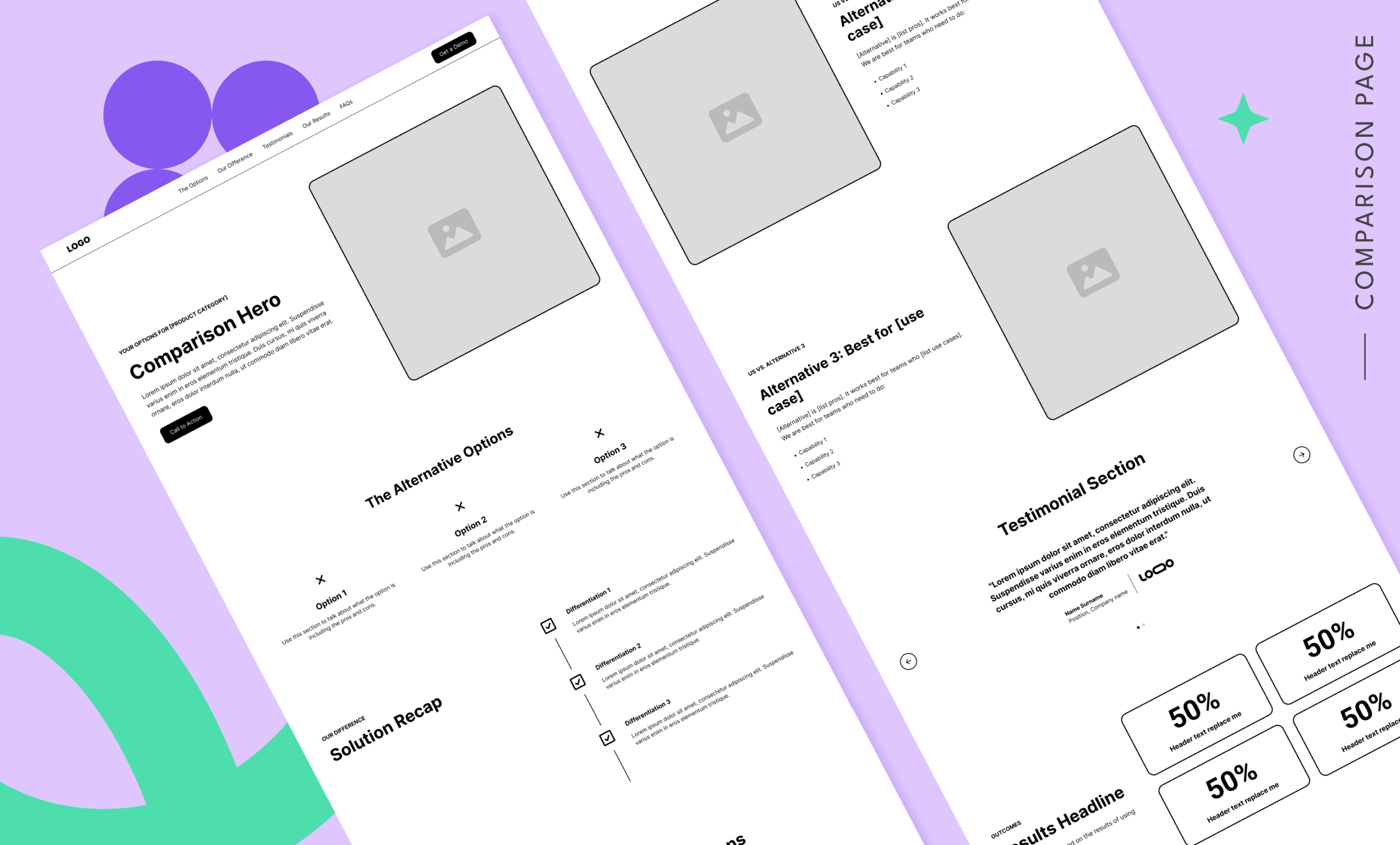
- Comparison Pages: Helping middle-of-funnel (MOFU) buyers understand how a solution stacks up against competitors.
- Proof Pages: Utilizing case studies and quantifiable results to build credibility.
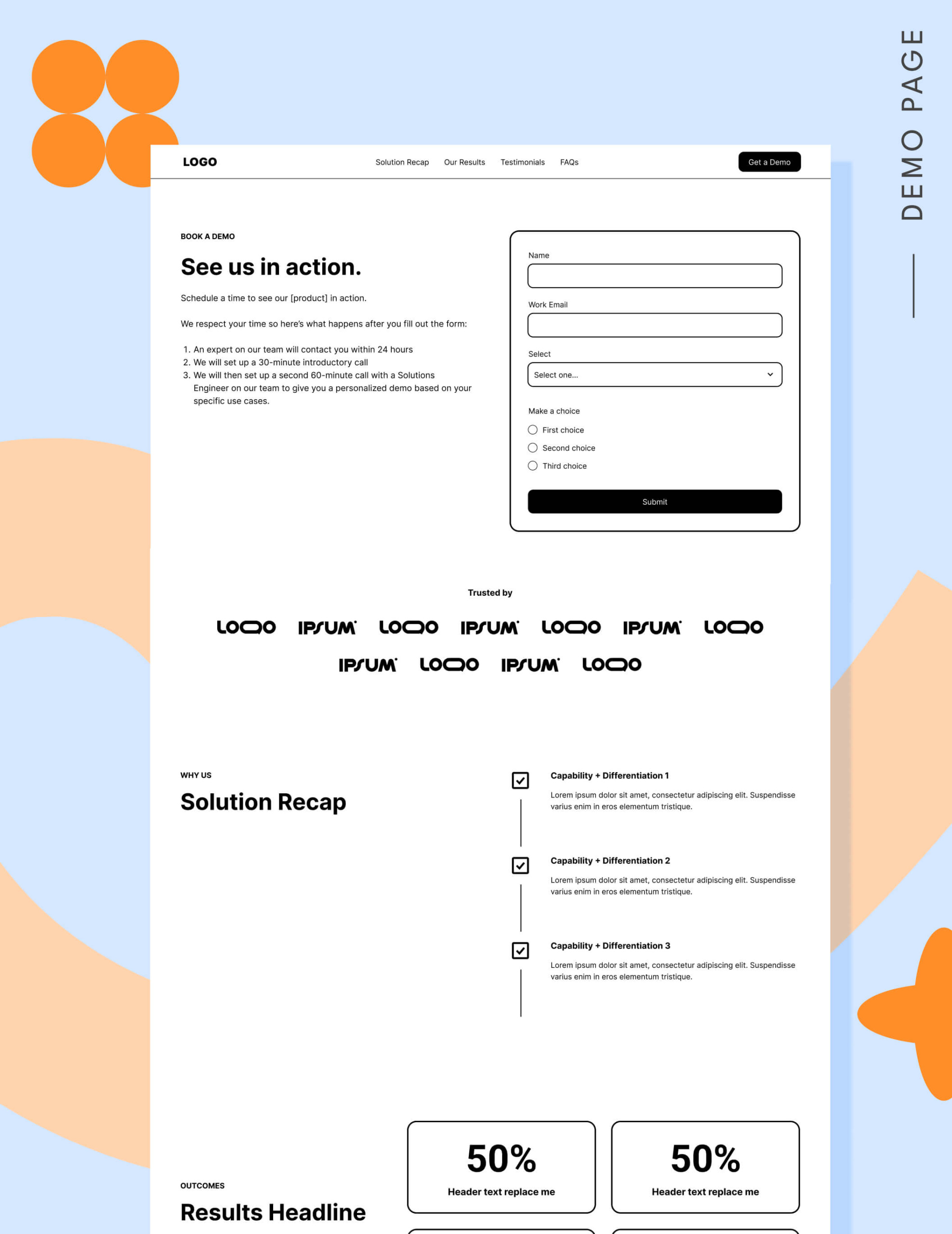
- Demo Pages: The final destination for bottom-of-funnel (BOFU) buyers who are ready for a direct conversation.
By the time a visitor reaches the demo landing page, the "Core Four" strategy ensures they are already "warm"—meaning they understand the product’s value proposition, know who the solution serves, and have seen evidence of its efficacy.
Benchmarking Performance: Realistic Expectations for 2026
Data from the Unbounce 2024 Conversion Benchmark Report established a median conversion rate for SaaS landing pages at 3.8%. However, more recent first-party data from 2025 and 2026 suggests that for high-intent demo pages, a conversion rate between 3.1% and 4% is a more realistic industry standard.
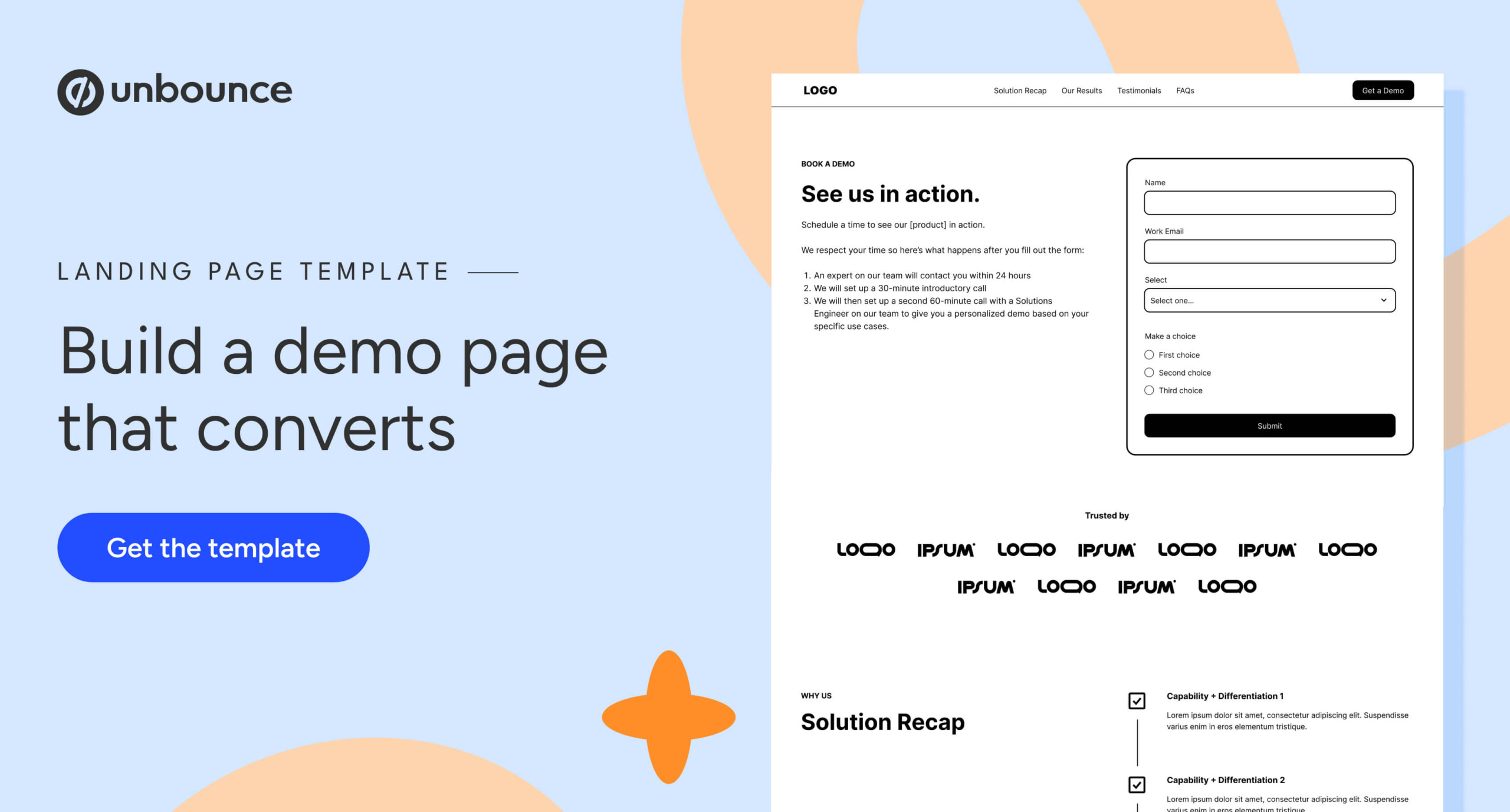
Experts warn that these benchmarks are highly dependent on traffic quality. Organizations that flood their demo pages with "cold" traffic—visitors who have not previously interacted with the brand—often see conversion rates plummet below 1%. Conversely, pages that exclusively target retargeted visitors or high-intent search queries (e.g., "competitor name alternative" or "specific software for X industry") can see performance significantly exceed the median.
Strategic Enrichment: The Anatomy of a High-Performance Demo Page
To overcome the inherent friction of a demo request, modern landing pages must function as more than just a form container. They must serve as a final reassurance mechanism. Several key elements have emerged as non-negotiable for high-converting pages in 2026.

The Pricing Transparency Mandate
One of the most debated topics in B2B sales—the inclusion of pricing—has reached a tipping point. Historically, sales-led organizations hidden pricing to force a conversation. However, current buyer sentiment suggests that a lack of pricing information is a major source of friction.
Including a "starting at" price or a condensed pricing grid allows buyers to self-qualify. This transparency builds immediate trust and ensures that the sales team’s time is spent with prospects whose budgets align with the solution. For product-led growth (PLG) companies, this is standard; for enterprise sales-led companies, it is becoming a competitive advantage.
Navigation and the 2025 Google Update
In a significant departure from long-standing landing page "best practices," the removal of all navigation links is now being discouraged. A 2025 update to Google’s ad quality prediction model began rewarding landing pages that align with search intent by providing access to relevant next steps through navigation.
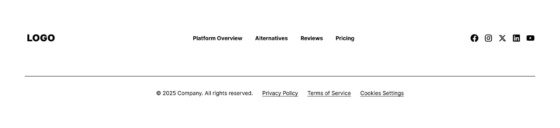
Modern demo pages often utilize a dual-navigation approach: an anchor-link header that allows visitors to jump to specific sections (such as FAQs or Results) and a minimal footer that links to other pages in the "Core Four" ecosystem. This prevents the "convert or leave" ultimatum, instead offering a "convert or continue researching" alternative that keeps the prospect within the brand’s orbit.
The "What Happens Next" Section
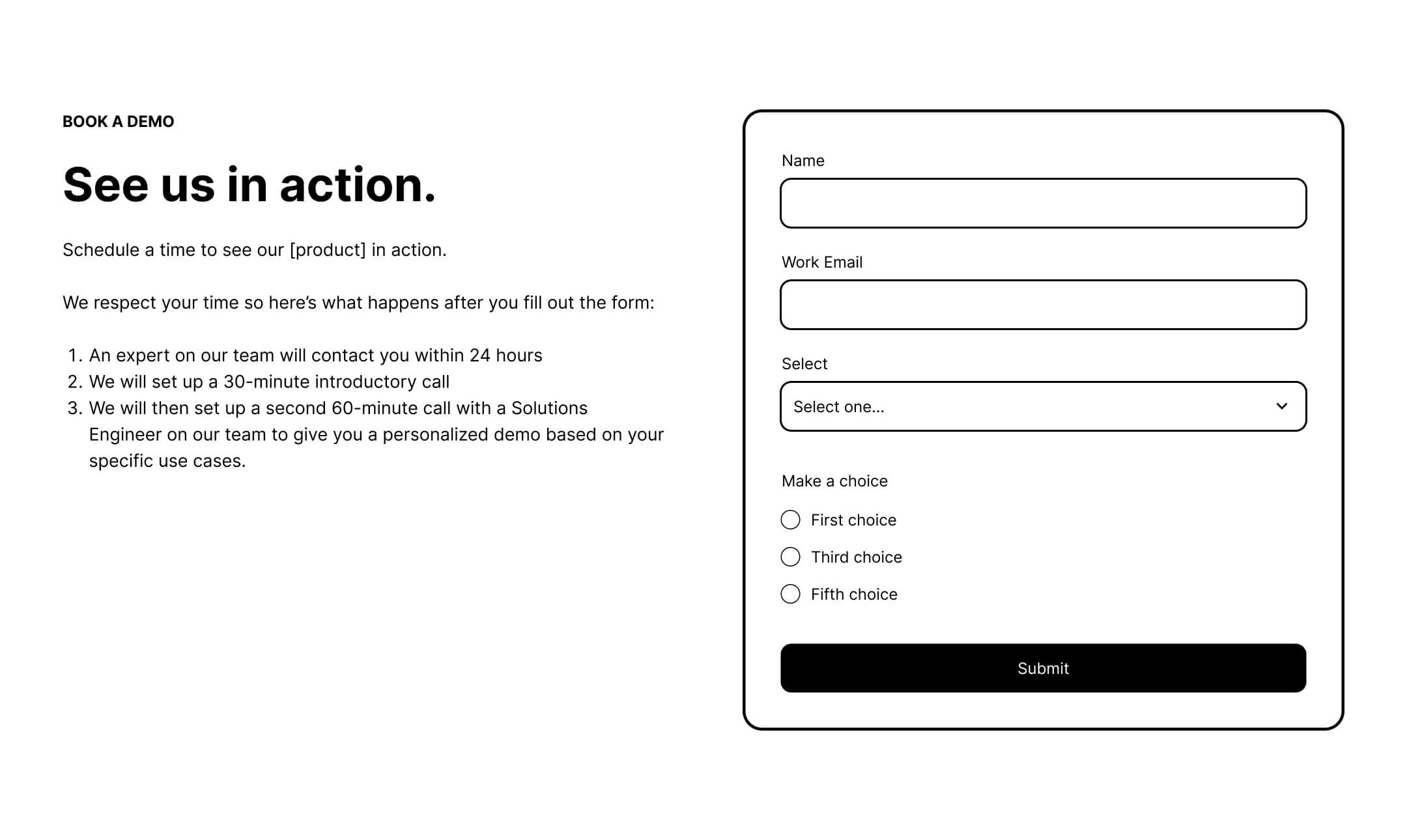
A primary deterrent for demo requests is the fear of aggressive sales tactics. Many buyers hesitate to fill out a form because they are uncertain about the subsequent process. High-performing pages now include a "What to Expect" section that details the timeline:
- Initial Contact: Will it be a 15-minute discovery call or a full 60-minute demo?
- The Representative: Who will they be speaking with? (e.g., an Account Executive or a Technical Consultant?)
- The Content: Will the demo be customized to their specific use case?
- The Follow-up: How and when will they receive additional information?
Technical Optimization: The Impact of Form Friction
The relationship between form length and conversion rate remains one of the most quantifiable aspects of landing page performance. Data points from 2026 indicate a "conversion cliff" that occurs after the fifth form field.
- 1–3 Fields: Highest conversion, but often results in lower lead quality and increased manual work for sales development reps (SDRs).
- 5 Fields: The industry "sweet spot," typically capturing name, email, company, and one or two qualifying questions (e.g., company size or primary use case).
- 7+ Fields: Conversion rates typically drop to 11% or lower.
- 10+ Fields: Conversion rates often fall below 7%.
Organizations are increasingly using data enrichment tools to keep forms short while still providing sales teams with the robust background data they need to prepare for a call.
Traffic Segmentation: The Foundation of Lead Quality
The most sophisticated SaaS marketers in 2026 have shifted their focus from "page optimization" to "traffic optimization." The consensus among industry leaders is that even the most perfectly designed page cannot convert a buyer who is not ready.
High-Intent Traffic Sources
- Remarketing: Targeting individuals who have already visited "Core Four" pages or pricing sections.
- High-Intent Search: Capturing users searching for specific solutions or "best of" lists.
- Review Sites: Traffic coming from platforms like G2 or Capterra, where buyers are actively in the comparison phase.
Traffic to Avoid
- Cold Social Traffic: Users scrolling through LinkedIn or Meta are rarely in a "book a demo" mindset.
- Broad Informational Keywords: "What is SaaS marketing?" is an educational query, not a buying signal.
Analysis of Broader Implications
The shift in demo landing page strategy reflects a broader maturation of the SaaS industry. As markets become more saturated and the "easy growth" era of the previous decade recedes, efficiency and buyer experience have become the primary levers for success.
The integration of interactive demos—self-guided tours that allow a prospect to "touch" the software before talking to sales—is a notable trend. When companies like FORM replaced "Request a Demo" with "Take a Tour," they reported a 33% increase in PPC conversions. This suggests that the future of the "demo" may not be a live call at all, but a hybrid model of self-service exploration followed by expert consultation.
Ultimately, the successful SaaS demo landing page of 2026 is one that respects the buyer’s time, honors their intelligence, and reduces the perceived risk of engagement. By aligning marketing traffic with buyer readiness and providing radical transparency on the page, organizations can bridge the gap between declining lead volumes and the need for high-quality, sales-ready opportunities.