Wednesday, September 9th, 2026 – 9:00 am
Telly, the innovative startup disrupting the connected TV (CTV) landscape by offering free smart TVs in exchange for user data and ad exposure, has announced a significant expansion of its advertising capabilities. The company is now making its prominent home screen advertisements available for programmatic buying, a move designed to attract broader brand investment and further its mission to establish industry standards for this emerging ad format. This strategic pivot signifies Telly’s ambition to become a major player in the programmatic CTV ecosystem, leveraging its unique business model and rich first-party data.
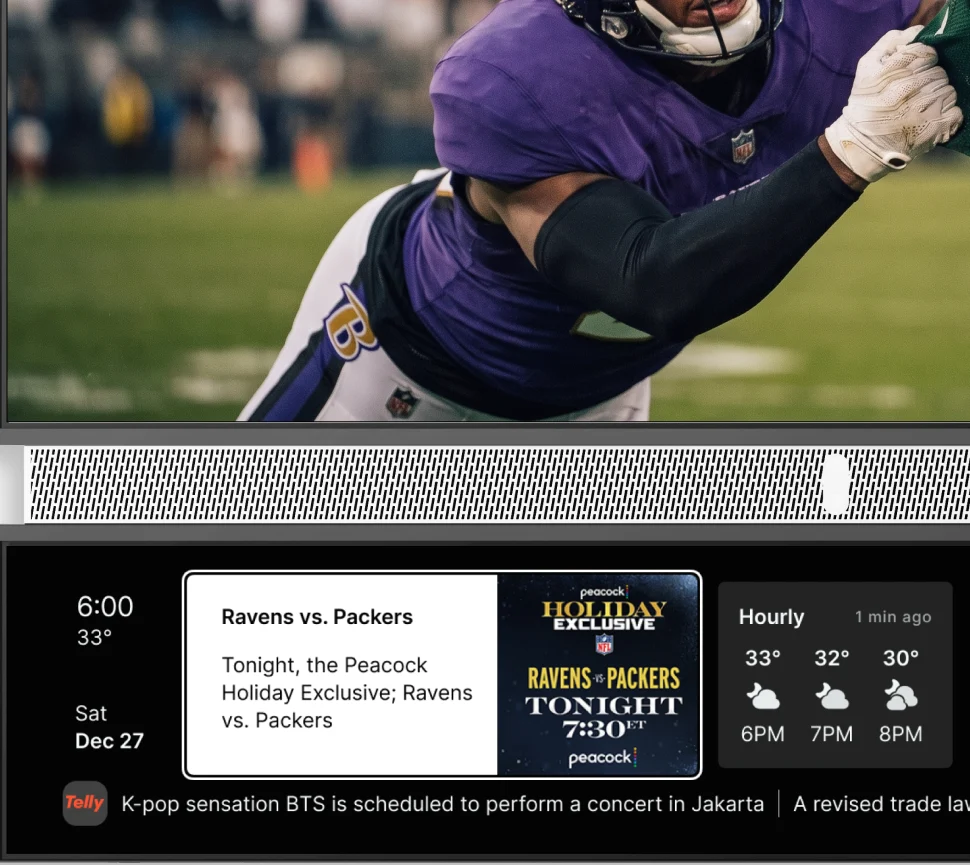
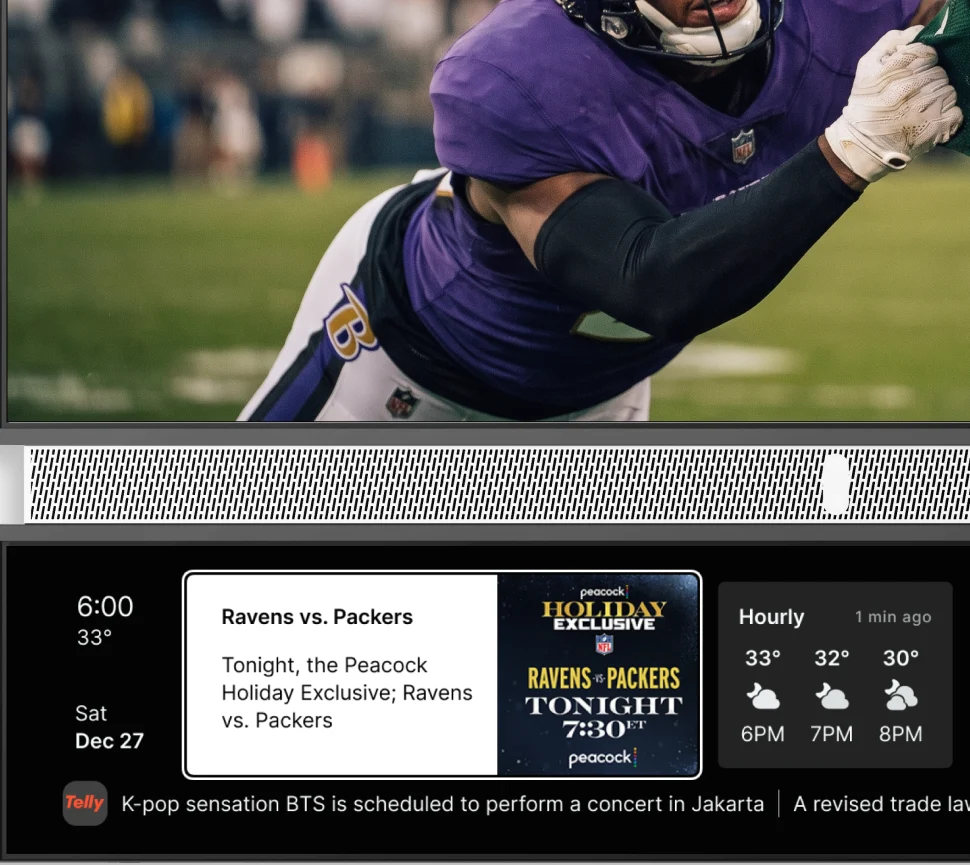
At the core of Telly’s offering is a dual-screen smart TV experience. The main screen functions as a standard television display, while a secondary, integrated "skinny" screen positioned below showcases a continuous stream of news, content recommendations, and crucially, advertisements. These home screen ads, now accessible via programmatic channels, represent a novel advertising frontier. Telly utilizes Magnite’s SpringServe ad server for the delivery of these ads, with demand originating from major programmatic platforms including The Trade Desk and Teads, among others.
Mike Shehan, Telly’s Chief Revenue Officer, emphasized the critical role of programmatic enablement in achieving the necessary scale for home screen advertising to gain traction. Shehan, a seasoned executive with a background as the former CEO of SpotX, a video supply-side platform acquired by Magnite for a substantial $1.17 billion in 2021, brings extensive experience in the ad tech industry to Telly. He believes that programmatic access is essential for brands to efficiently reach Telly’s growing user base and realize the full potential of this advertising real estate.
While Telly is making strides, it is not the first to introduce programmatic home screen advertising. Ad tech platform Nexxen, for instance, began offering programmatic access to its native home screen ads across various TV manufacturers, including V (formerly VIDAA) and TiVo, last year. Similarly, Supply-Side Platforms (SSPs) like Magnite have been enabling programmatic buying of "pause ads" – advertisements that appear when a user pauses content – for some time.
However, Telly is distinguishing itself by actively collaborating with the IAB Tech Lab to develop standardized specifications for home screen ads within the bidstream. The IAB Tech Lab, a key standards-setting body for digital advertising, concluded its public comment period for proposed spec updates at the end of June and finalized these signal updates in July. This proactive engagement signals Telly’s commitment to fostering a more predictable and scalable environment for this new ad format, which is vital for attracting significant advertiser spend.
Shehan further asserted that Telly’s unique value proposition extends beyond programmatic access. The company’s proprietary second screen, coupled with direct access to rich first-party customer data, provides a significant advantage in targeting home screen ads with precision and delivering measurable business outcomes for advertisers. This deep understanding of the Telly user base is poised to set new benchmarks for engagement and effectiveness in CTV advertising.
Go Big or Go Home Screen: Leveraging Data for Unprecedented Targeting
The foundation of Telly’s data advantage lies in its onboarding process for users who opt to receive a free device. Prospective Telly users are required to complete a comprehensive questionnaire. This initial data collection delves deeply into demographic information, including household income and the number of residents, as well as lifestyle and behavioral insights. Questions about brand preferences, insurance providers, vehicle ownership (including make, model, and whether leased or owned), and other consumer habits are meticulously gathered.
"The questionnaire goes very deep on demographics, lifestyle, and brand loyalty," Shehan explained, highlighting that this rich dataset, when combined with Automatic Content Recognition (ACR) data—which tracks the content users are viewing on the main screen—enables unparalleled targeting capabilities. For example, an insurance provider could specifically target households identified as being in the market for a new policy, a level of precision previously unattainable in traditional TV advertising.
The second screen’s functionality transcends mere data collection. Its ability to operate independently of the main screen allows for the seamless integration of advertisements without interrupting the primary viewing experience. This means advertisers can reach consumers even when they are streaming content ad-free, a significant benefit in a streaming-first world. Unlike the intrusive nature of traditional commercial breaks, Telly’s home screen ads offer a non-disruptive presence, enhancing the overall user experience while still providing valuable exposure for brands.
Expanding Ad Formats and Driving Engagement Through Private Marketplaces
Beyond programmatic enablement, Telly is also innovating on ad formats and deal structures. The company is now offering longer-form home screen advertisements, with durations of up to five minutes, available through private marketplace (PMP) deals facilitated by Magnite. Shehan believes that the combination of extended ad duration and the non-intrusive placement on the home screen creates a compelling environment for deeper viewer engagement.
An illustrative example provided by Telly involves a major streaming service (whose identity was not disclosed) that experienced a five-fold increase in app opens after running a five-minute home screen ad compared to a similar campaign utilizing a two-minute ad. This success story underscores the potential for longer-form, contextually relevant ads to drive significant user action and brand awareness.
The response from media buyers indicates a growing recognition of the home screen’s potential as a powerful advertising touchpoint. Mike Treon, Head of CTV and Video Strategy at PMG, commented, "The home screen has always been a powerful front door for us to engage viewers. Telly extends that opportunity, giving brands a persistent presence that enhances engagement." This sentiment suggests that the industry is receptive to new approaches that can capture viewer attention in increasingly fragmented media consumption habits.
The Road Ahead: Standardization, Scale, and Sustainable Investment
The success of Telly’s strategy hinges on its ability to translate this initial enthusiasm into sustained, long-term investment from advertisers. The company’s proactive engagement with industry bodies like the IAB Tech Lab is a crucial step in this direction. By contributing to the development of standardized specifications, Telly aims to alleviate concerns about ad quality, measurement, and interoperability that have historically hindered the full adoption of programmatic advertising in new formats.
The implications of Telly’s model extend beyond its own platform. If successful, it could pave the way for other hardware manufacturers and smart TV operating systems to adopt similar data-driven advertising strategies. This could fundamentally alter the economics of smart TV hardware, potentially leading to even more cost-effective devices for consumers in exchange for their engagement and data.
The competitive landscape of CTV advertising is rapidly evolving. While established players continue to innovate, startups like Telly are leveraging unique business models to carve out distinct advantages. Telly’s ability to offer free hardware in exchange for valuable first-party data and prime advertising real estate on its home screen positions it as a compelling proposition for both consumers and advertisers. The company’s focus on programmatic access and industry standardization suggests a strategic vision to not only grow its own business but also to contribute to the maturation of the broader CTV advertising market.
The ultimate test will be whether Telly can consistently deliver on its promise of targeted reach and measurable results, thereby justifying the investment of major brands and solidifying its place as a significant innovator in the connected TV advertising space. The company’s current trajectory, marked by strategic partnerships, technological advancements, and a clear focus on data utilization, indicates a strong potential for continued growth and influence in the years to come. The ongoing development of standardized ad formats and the increasing sophistication of programmatic buying are likely to further amplify the opportunities presented by innovative platforms like Telly.