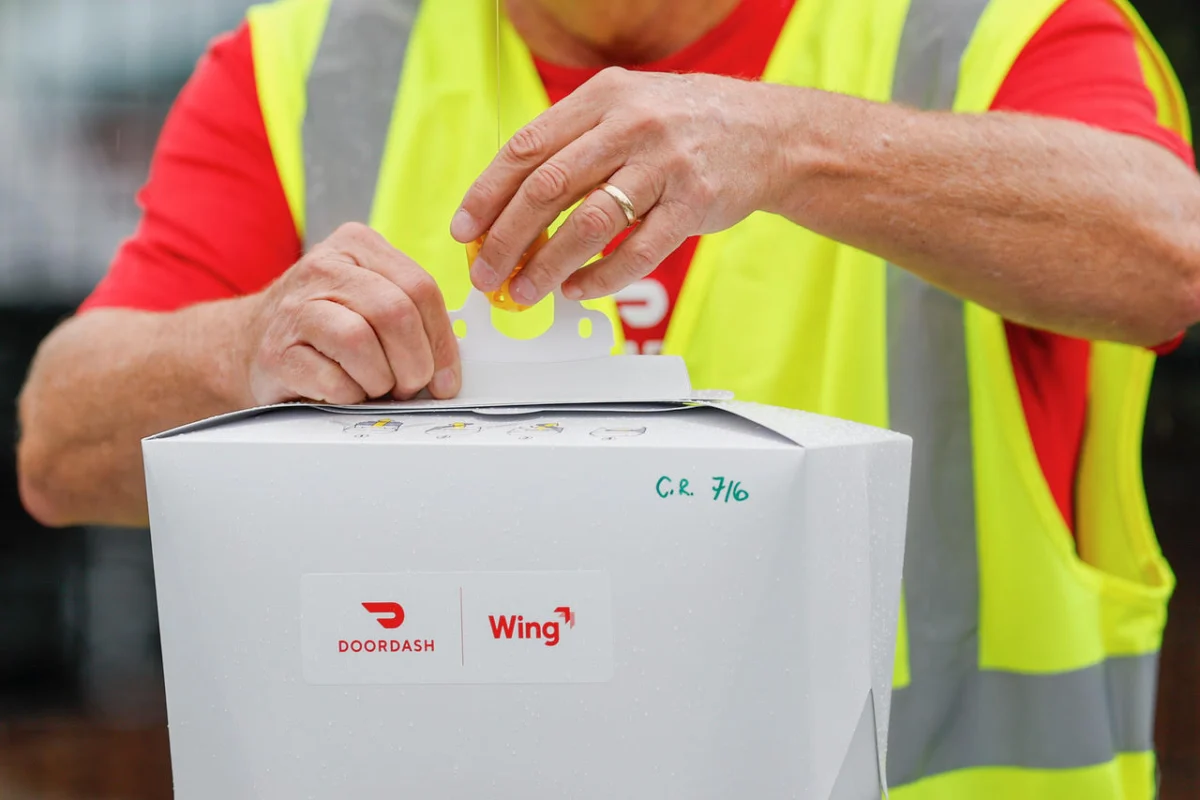
Lowe’s has achieved a significant milestone in the retail landscape, becoming the first home improvement retailer to offer drone delivery for online orders. This groundbreaking initiative, developed in collaboration with Alphabet’s drone delivery service Wing and the leading last-mile delivery platform DoorDash, promises to deliver select home improvement products to both do-it-yourself (DIY) and professional customers in as little as 20 minutes. The pilot program is currently operational at Lowe’s store in Matthews, North Carolina, marking a substantial expansion of the retailer’s same-day fulfillment options, which already include buy online, pick up in store (BOPIS), curbside pickup, and same-day delivery services.
This strategic move by Lowe’s underscores its commitment to innovation and customer convenience, leveraging cutting-edge technology to address immediate customer needs for home improvement supplies. The integration of drone delivery signifies a forward-thinking approach to logistics, aiming to reduce delivery times and enhance the overall customer experience in a sector historically challenged by the timely acquisition of necessary materials.
Background and Timeline of Innovation
The launch of drone delivery by Lowe’s is not an isolated event but rather a culmination of its ongoing investment in technological advancements designed to streamline the home improvement journey. The retailer has consistently prioritized enhancing its digital and physical infrastructure to meet evolving consumer expectations.
Lowe’s has established itself as a major player in the North American e-commerce market, currently ranking ninth in the Digital Commerce 360 Top 1000 Database, which tracks the largest online retailers by annual e-commerce sales. This ranking reflects the company’s robust online presence and its significant market share. Furthermore, Lowe’s is recognized for its embrace of artificial intelligence, holding the 90th position in Digital Commerce 360’s new AI Rankings, highlighting its strategic integration of AI technologies across its operations.
The development and implementation of drone delivery have likely been in progress for some time, involving extensive testing, regulatory navigation, and strategic partnerships. While specific timelines for the pilot’s development are not publicly detailed, the recent announcement signifies the transition from development to live operation. This follows a broader trend in the logistics and retail sectors towards exploring and adopting aerial delivery solutions for faster and more efficient last-mile fulfillment. The collaboration with Wing, a pioneer in autonomous drone delivery, and DoorDash, a leader in on-demand delivery, provides Lowe’s with established expertise and infrastructure crucial for a successful rollout.
The Mechanics of Drone Delivery: Speed and Accessibility
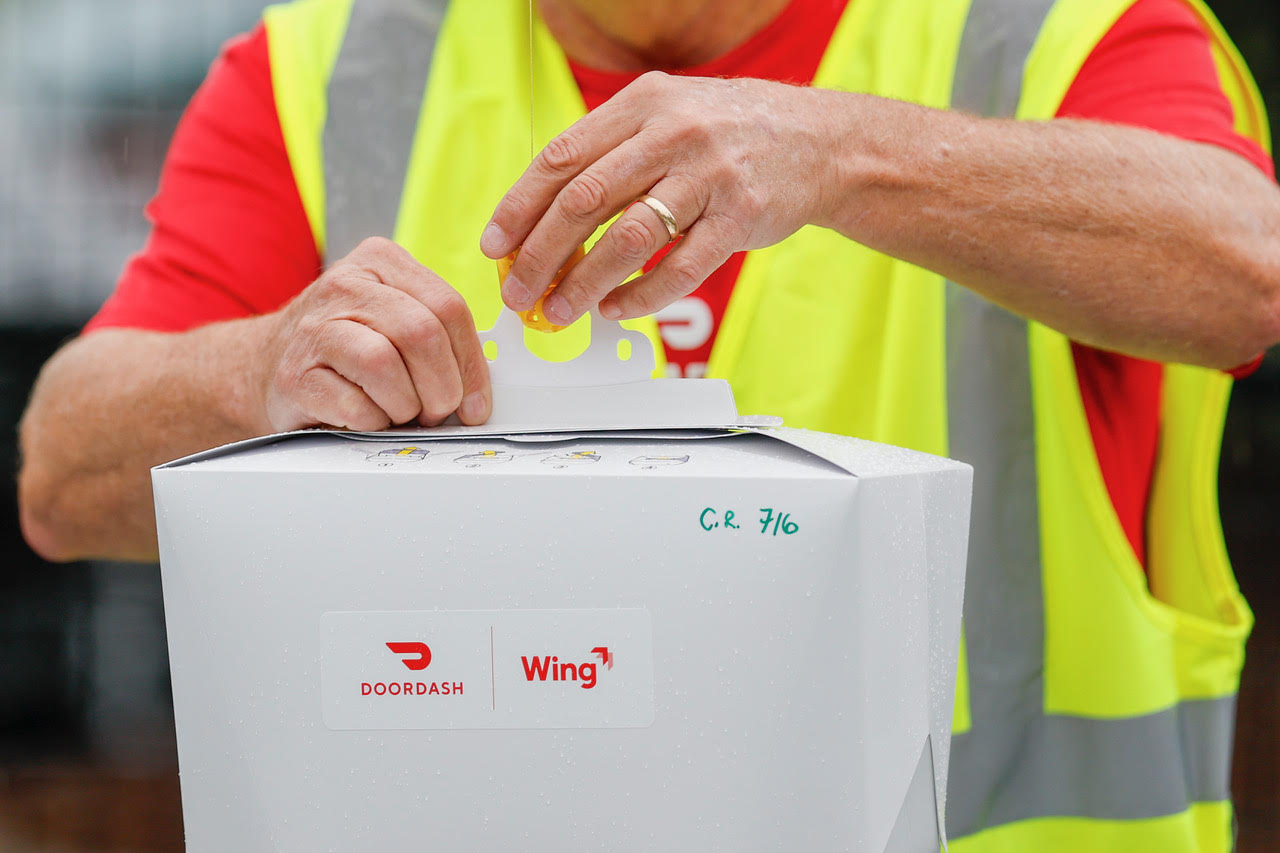
The newly introduced drone delivery service is designed for speed and efficiency. Customers can place orders for a curated selection of eligible products through the DoorDash app. Once an order is placed and prepared, Wing’s drones will take flight, delivering the items directly to the customer’s location. The promise of delivery in as little as 20 minutes is particularly impactful for urgent home repair or project needs, where a delay in acquiring a specific tool or material can halt progress.
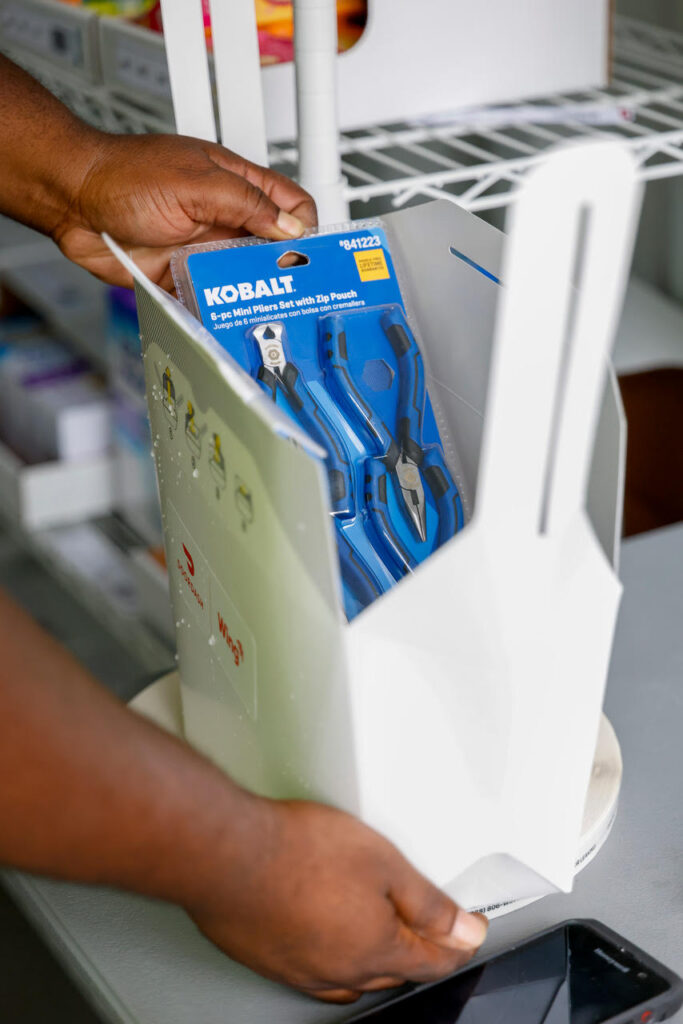
The pilot program at the Matthews, North Carolina, store currently features over 100 Stock Keeping Units (SKUs) that are eligible for drone delivery. While the initial list is curated, it suggests a focus on smaller, lighter items commonly used in home improvement projects. Examples of such items, though not explicitly listed in the provided text, could include essential hardware, small tools, fasteners, adhesives, touch-up paint, or specific repair parts. The selection process likely considers product weight, size, packaging requirements, and demand patterns to optimize drone transport capabilities.
Lowe’s is leveraging its existing network of physical stores as crucial hubs for this new fulfillment method. These stores serve as staging areas for drone dispatch, integrating DoorDash’s marketplace demand with specialized drone delivery operations. This approach minimizes the need for separate distribution centers dedicated solely to drone fulfillment, maximizing the utility of its current retail footprint.
Expanding the Fulfillment Arsenal
The introduction of drone delivery further diversifies Lowe’s existing same-day fulfillment options. These include:
- Buy Online, Pick Up In Store (BOPIS): A popular option allowing customers to order online and collect their purchases at a local store, offering convenience and immediate access.
- Curbside Pickup: An extension of BOPIS, where orders are brought directly to a customer’s vehicle, further enhancing convenience.
- Same-Day Delivery: For larger or more complex orders, Lowe’s already offers delivery services that aim to fulfill orders within the same day, often through partnerships with third-party logistics providers.
Drone delivery complements these services by offering an ultra-fast option for specific product needs. It addresses a niche yet critical aspect of customer service: immediate access to essential items. This layered approach to fulfillment allows Lowe’s to cater to a wider range of customer needs and project timelines.
Leveraging Technology for Frictionless Home Improvement
Seemantini Godbole, Chief Information and AI Officer at Lowe’s, articulated the company’s vision behind these technological integrations. "Home improvement is an inherently friction-filled experience," she stated. "Any technology we implement is designed to eliminate that friction so our customers can complete their projects quickly. By piloting drone delivery, we’re addressing a real project pain point with an innovative solution that is integrated into the retail journey, giving our hometown customers next-generation fulfillment right when they need it."
This philosophy extends beyond just delivery. Lowe’s has also been at the forefront of AI integration. Mylow, its AI assistant for customers, and Mylow Companion, its AI-powered assistant for store associates, exemplify this commitment. Since their launch in 2025, these AI tools have collectively answered over 25 million customer inquiries, demonstrating their effectiveness in improving customer service and operational efficiency. These AI initiatives, coupled with the drone delivery pilot, showcase a holistic strategy to modernize the home improvement retail experience.
Implications and Future Outlook
The implications of Lowe’s drone delivery initiative are far-reaching:
- Competitive Advantage: By being the first in its sector to offer drone delivery, Lowe’s gains a significant competitive edge, positioning itself as an innovator and a leader in customer-centric logistics.
- Enhanced Customer Loyalty: The ability to receive essential items rapidly can significantly boost customer satisfaction and foster loyalty, especially for time-sensitive projects.
- Operational Efficiency: For specific product categories, drone delivery can potentially reduce the cost and complexity associated with traditional last-mile delivery methods, particularly for smaller, high-demand items.
- Industry Benchmark: This pilot program will likely serve as a benchmark for other retailers in the home improvement sector and beyond, encouraging further exploration and investment in drone technology.
- Expansion Potential: If successful, the pilot program could lead to wider deployment of drone delivery services across more Lowe’s locations and an expanded range of eligible products. This could eventually extend to professional contractors who rely on timely access to materials for job site completion.
The success of this pilot program will depend on several factors, including the reliability of the technology, customer adoption rates, regulatory approvals for broader expansion, and the cost-effectiveness of the service. However, Lowe’s strategic partnerships with Wing and DoorDash provide a strong foundation for overcoming these challenges.
The home improvement industry, often characterized by its tangible product focus and the physical nature of projects, is increasingly embracing digital transformation. Lowe’s foray into drone delivery is a bold step that signals a new era of convenience and speed, demonstrating how technology can profoundly impact even the most traditional retail sectors. As the company continues to refine its operations and gather data from the Matthews pilot, the future of how consumers receive their home improvement essentials may be taking flight.