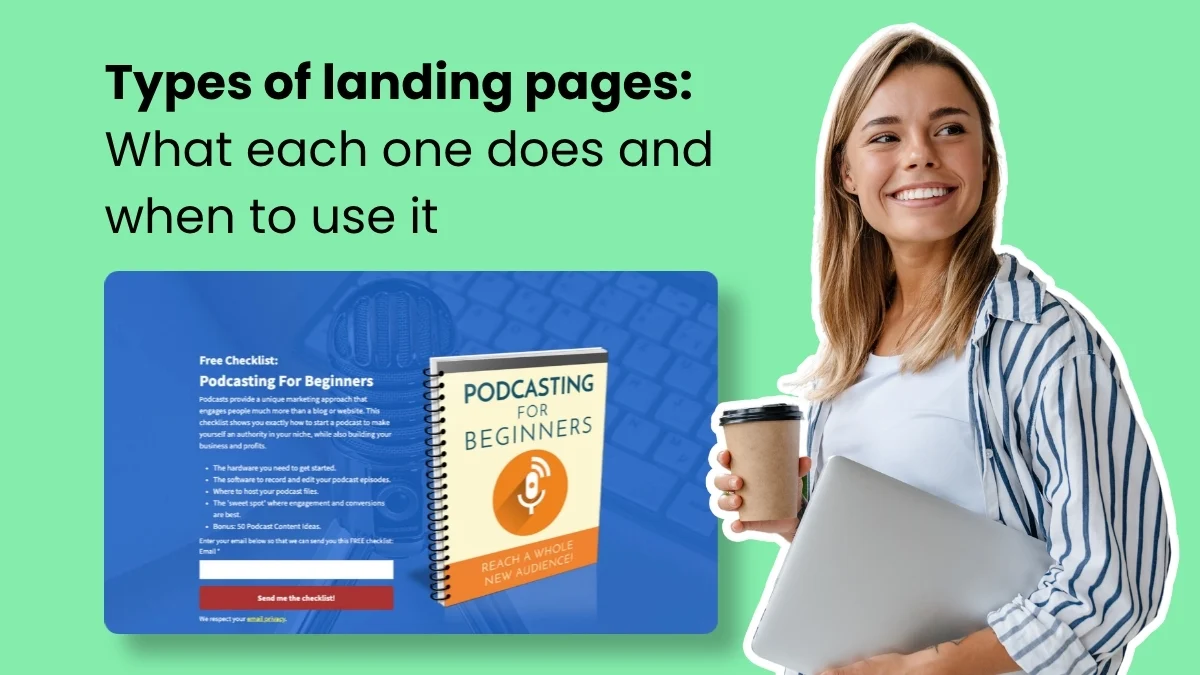
The digital marketing landscape has reached a critical juncture in 2024, as shifting consumer privacy regulations and the proliferation of artificial intelligence have forced a reevaluation of traditional lead generation strategies. At the center of this evolution is the landing page—a specialized, standalone web page designed specifically for marketing or advertising campaigns. According to the recently released 2024 Conversion Benchmark Report from Unbounce, the definition of a "successful" conversion rate has become increasingly nuanced, dictated more by industry context and user intent than by a universal numerical standard.

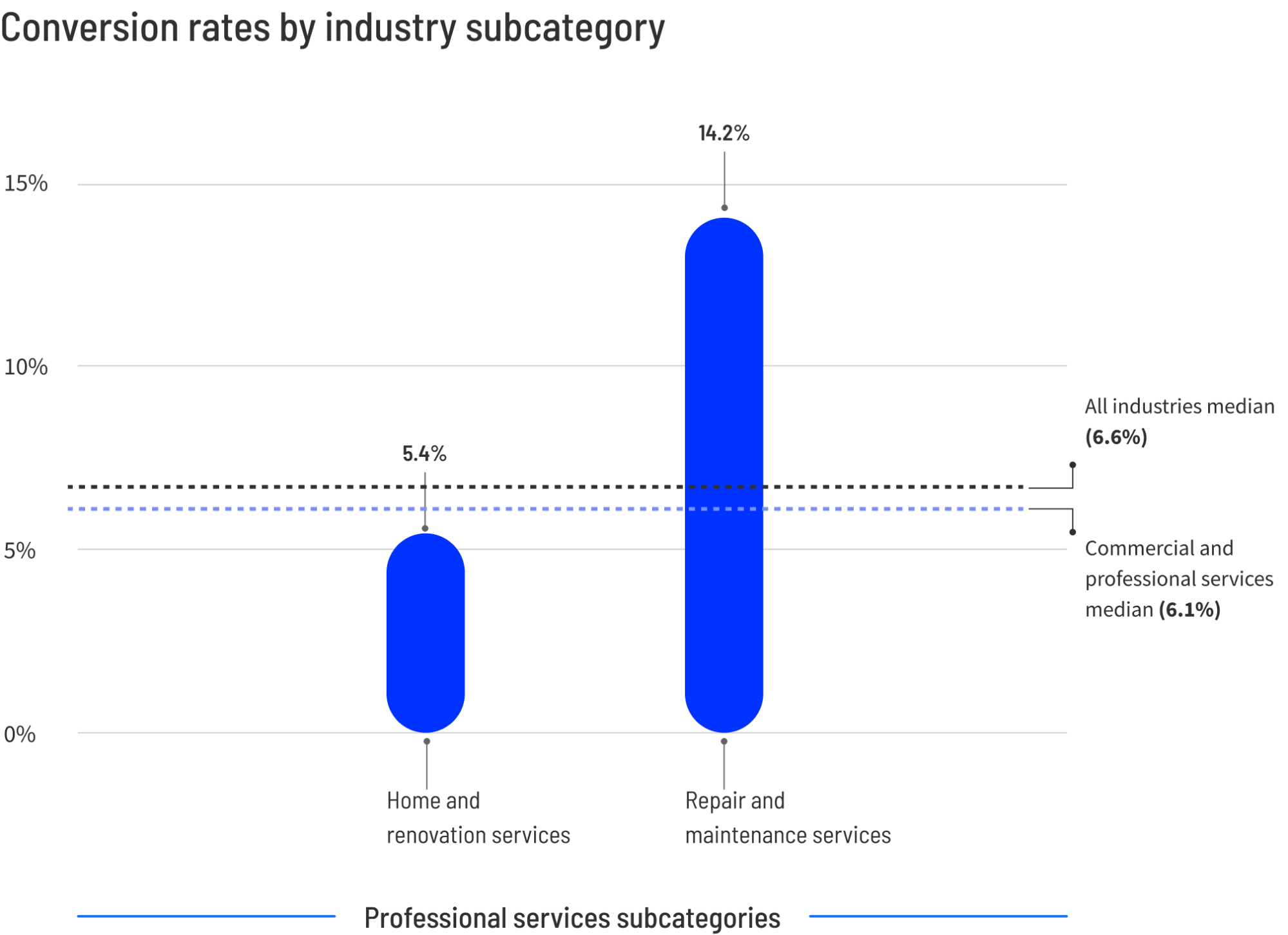
Drawing from an extensive dataset comprising over 57 million conversions, 41,000 unique landing pages, and 464 million pageviews, the report establishes that the median conversion rate across all industries currently stands at 6.6%. However, for organizations aiming to enter the top quartile of performers, the threshold for a "good" conversion rate begins at 11.4% and can escalate to over 40% depending on the sector. This data highlights a widening performance gap between average marketers and those utilizing systematic optimization techniques.
Understanding the Median: A Methodological Shift
In previous years, many marketers relied on "average" conversion rates as their primary KPI. However, data analysts now argue that the median is a more accurate representation of typical performance. In a dataset with extreme outliers—such as "unicorn" pages that convert at 90% due to highly specific brand loyalty or "struggling" pages that convert at near-zero—the average is often skewed upward, providing a distorted target.

By utilizing the median, which represents the true middle of the pack, the 2024 benchmarks provide a realistic baseline. This methodological shift allows businesses to compare their performance against the typical competitor rather than being intimidated by statistical anomalies. Industry experts note that this transparency is vital for budgeting and forecasting in an era where customer acquisition costs (CAC) continue to rise.
Industry-Specific Performance and Consumer Intent
The 2024 data reveals that conversion rates are inextricably linked to the complexity of the offer and the urgency of the consumer’s need. This creates a spectrum of performance across various sectors.
The SaaS and Ecommerce Landscape
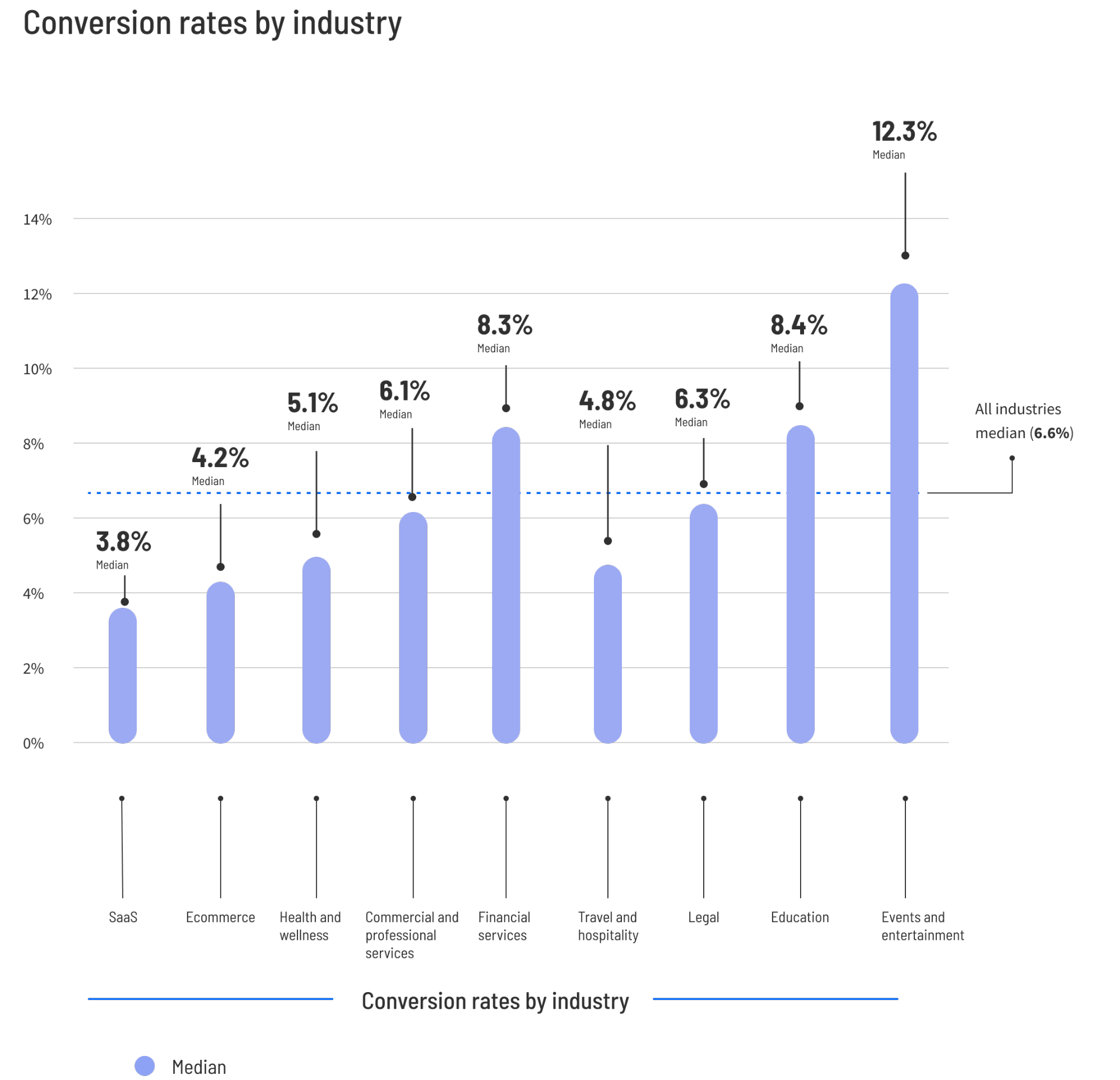
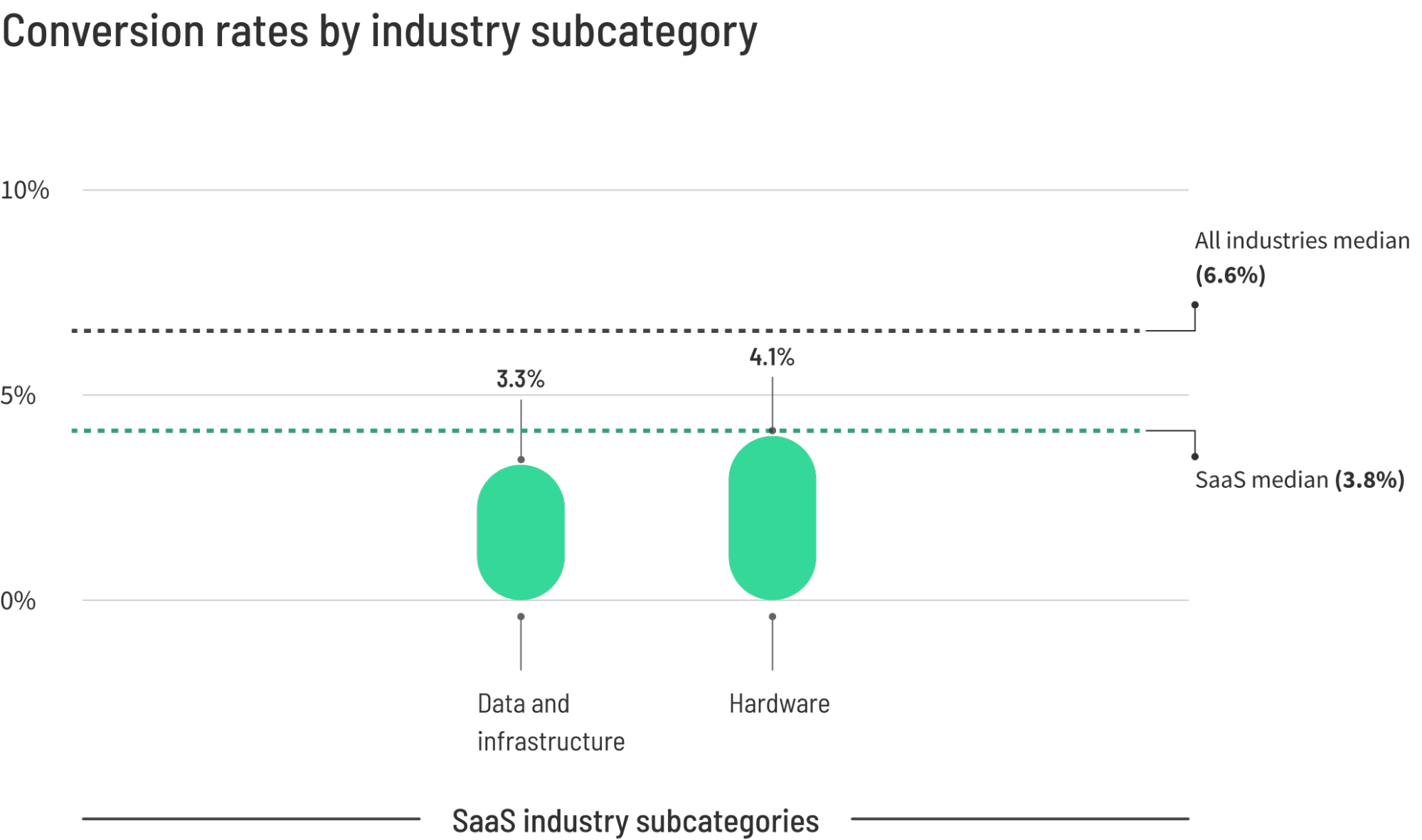
Software as a Service (SaaS) and Ecommerce represent two of the most competitive digital spaces, yet they often see lower median conversion rates due to the high volume of "window shoppers." The median conversion rate for SaaS landing pages is currently 3.8%. This lower figure is attributed to longer sales cycles and the complexity of software products. Infrastructure and data solutions, in particular, see lower rates (3.3%) compared to hardware-focused SaaS (4.1%), suggesting that tangible benefits are easier to convey on a landing page than abstract data services.
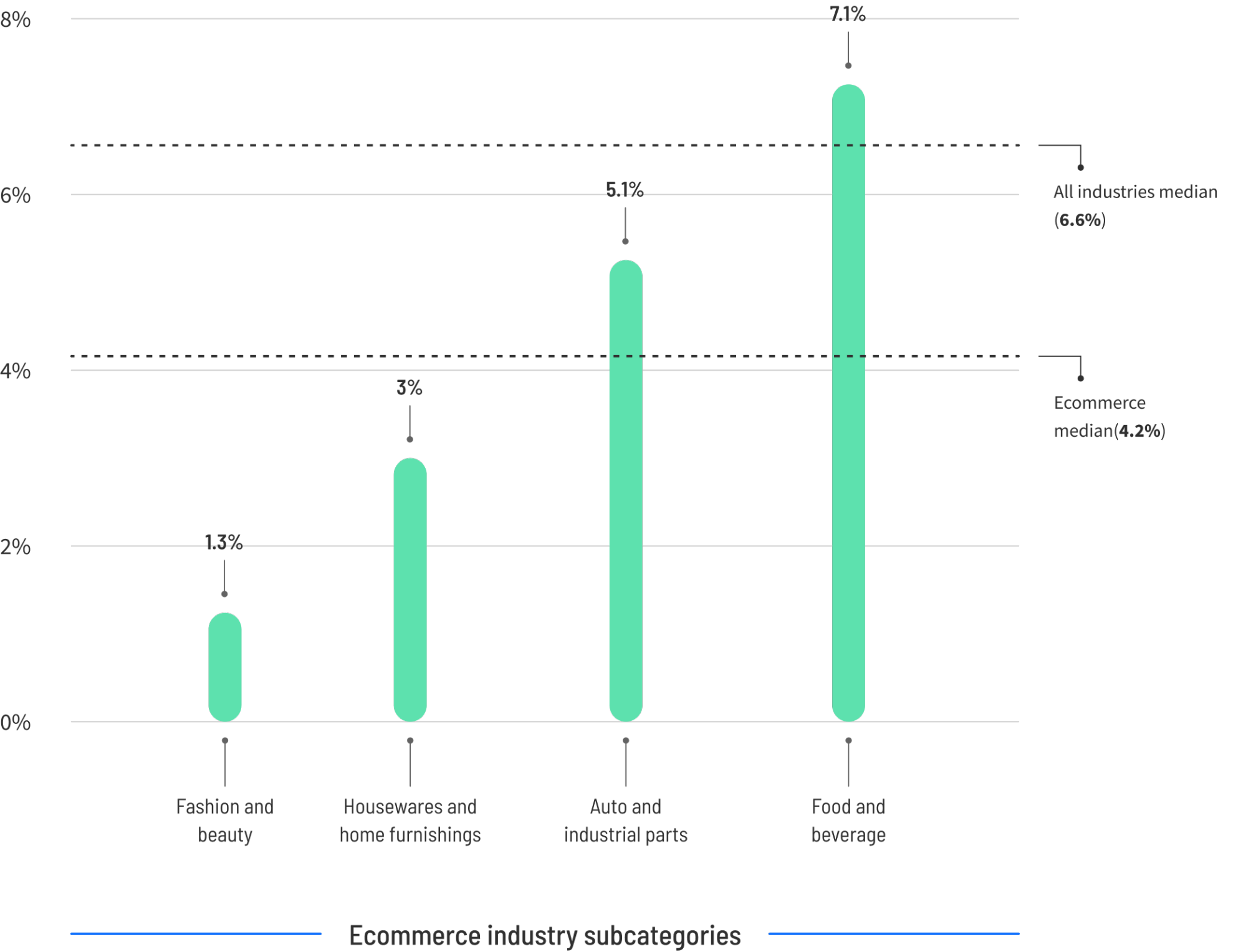
In contrast, Ecommerce maintains a median of 4.2%. While this is higher than SaaS, it remains below the all-industry median. Within Ecommerce, the "Food and Beverage" subcategory leads with a 7.1% median, likely due to lower price points and high-frequency purchase habits. Conversely, "Fashion and Beauty" sees a lower median of 1.3%, reflecting a consumer base that heavily utilizes comparison shopping and social proof before committing to a purchase.
High-Intent Sectors: Finance and Legal
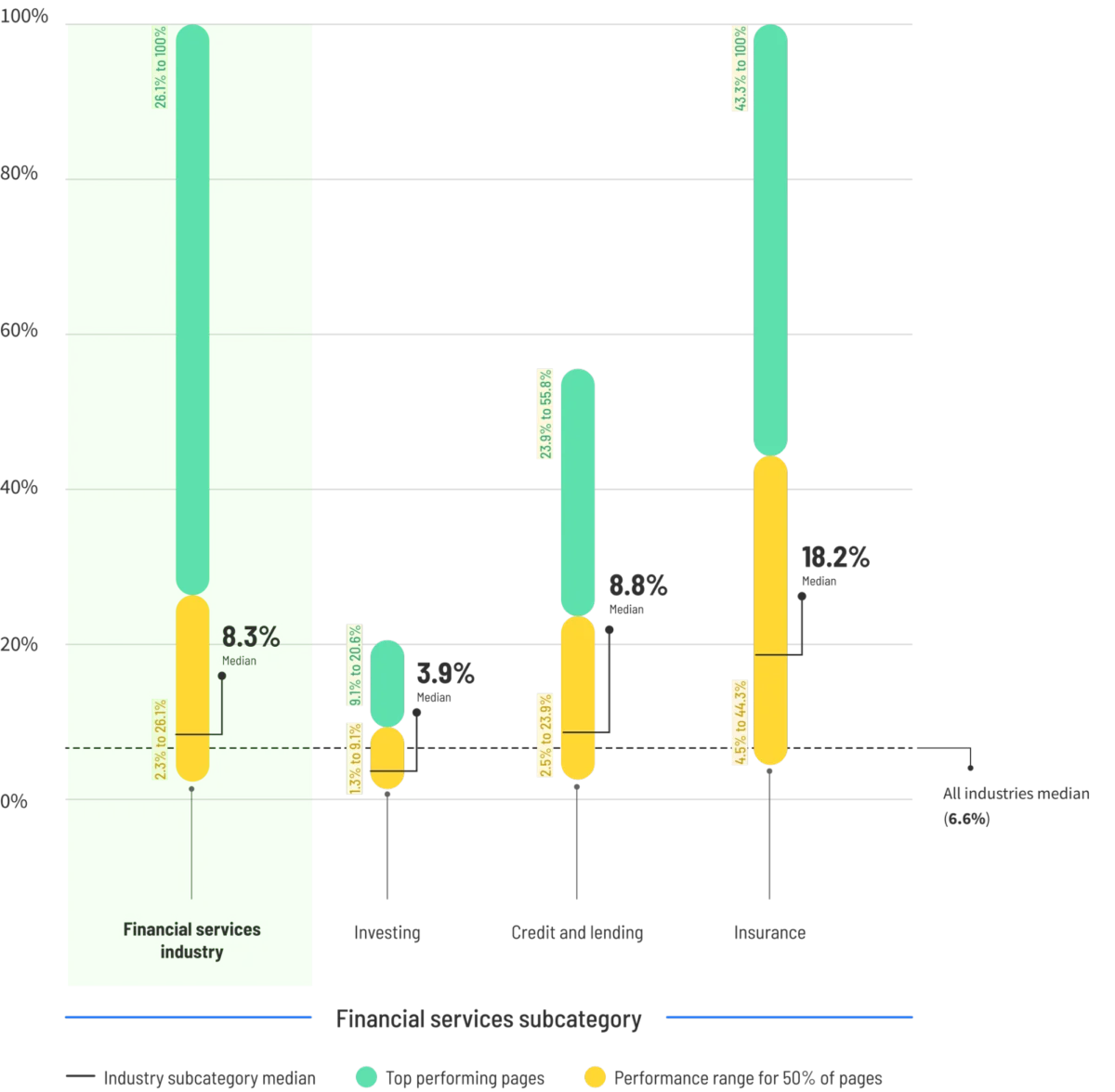
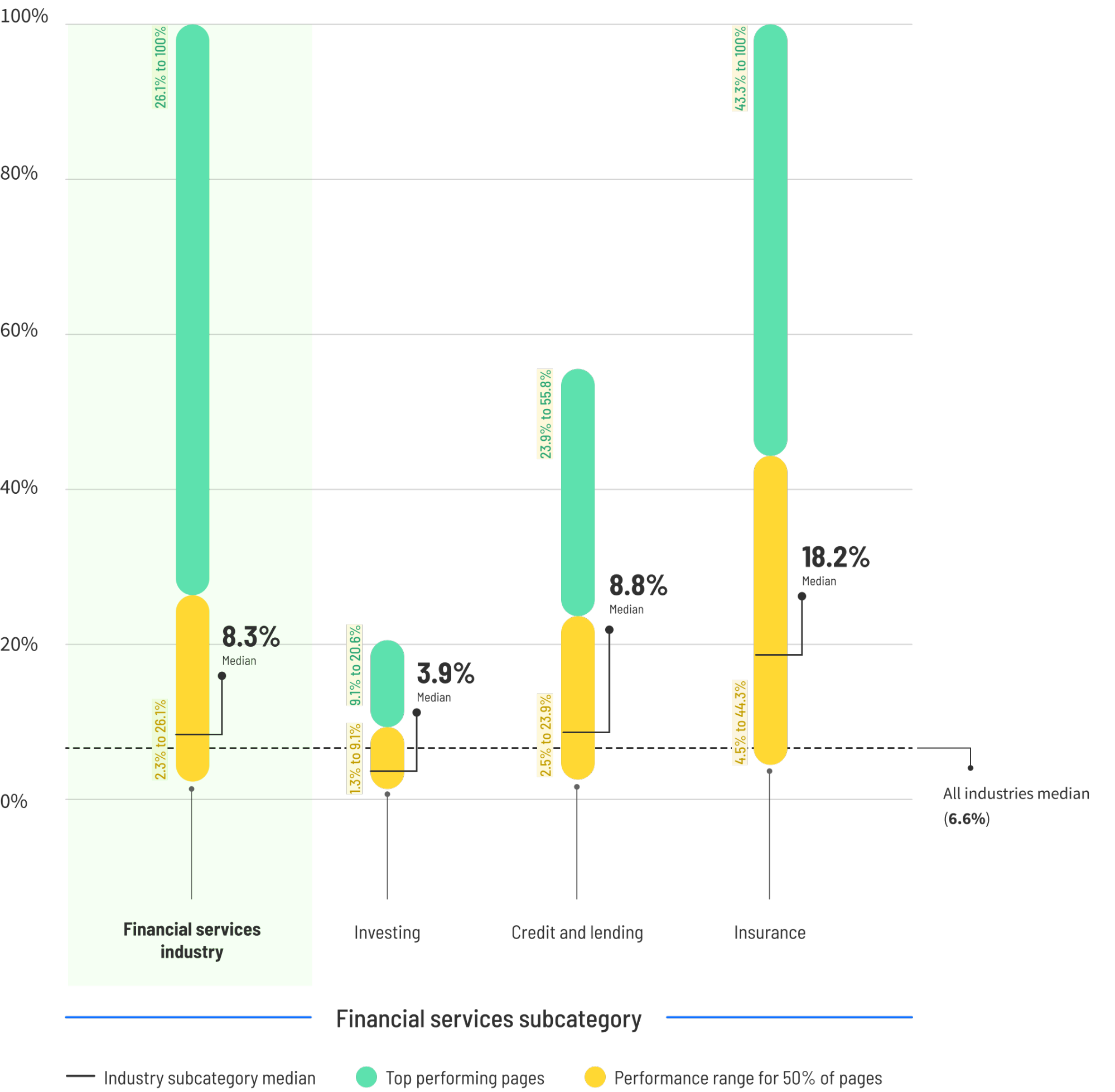
Financial and legal services demonstrate the power of high-intent search behavior. The financial services industry boasts a median conversion rate of 8.3%. A significant finding within this sector is the performance of insurance landing pages, which achieve an 18.2% median—more than double the industry average. Analysts suggest this is because insurance is often a non-discretionary purchase driven by specific life events or legal requirements.
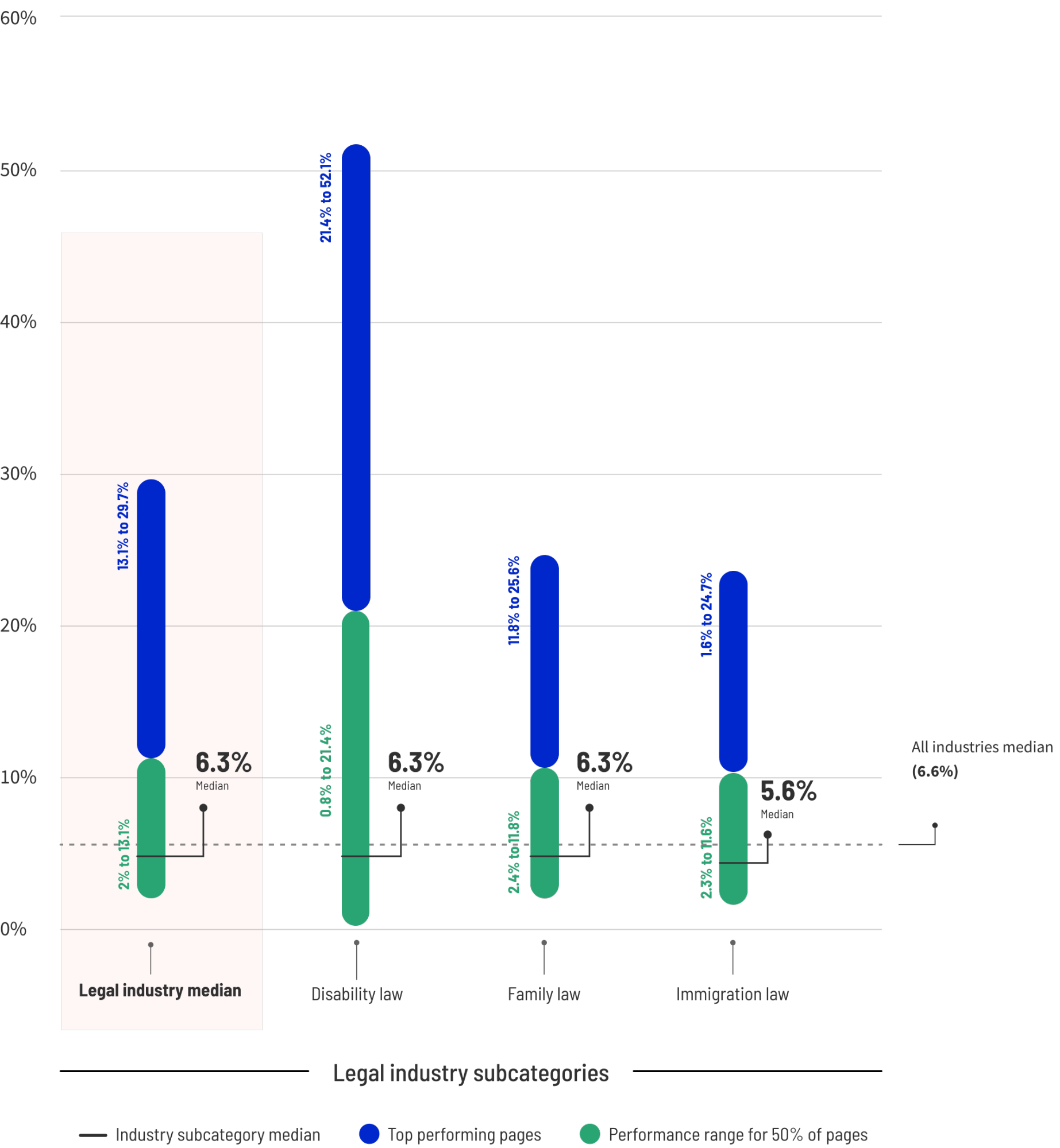
The legal industry follows a similar pattern with a 6.3% median. However, the data reveals a stark difference in device behavior. Legal landing pages convert at 21% on mobile devices compared to 15.9% on desktops. This "mobile-first" urgency is a hallmark of the legal sector; individuals searching for an attorney after an accident or a legal summons are often doing so in a state of immediate need, utilizing their smartphones for quick resolution.
The Outliers: Education and Entertainment
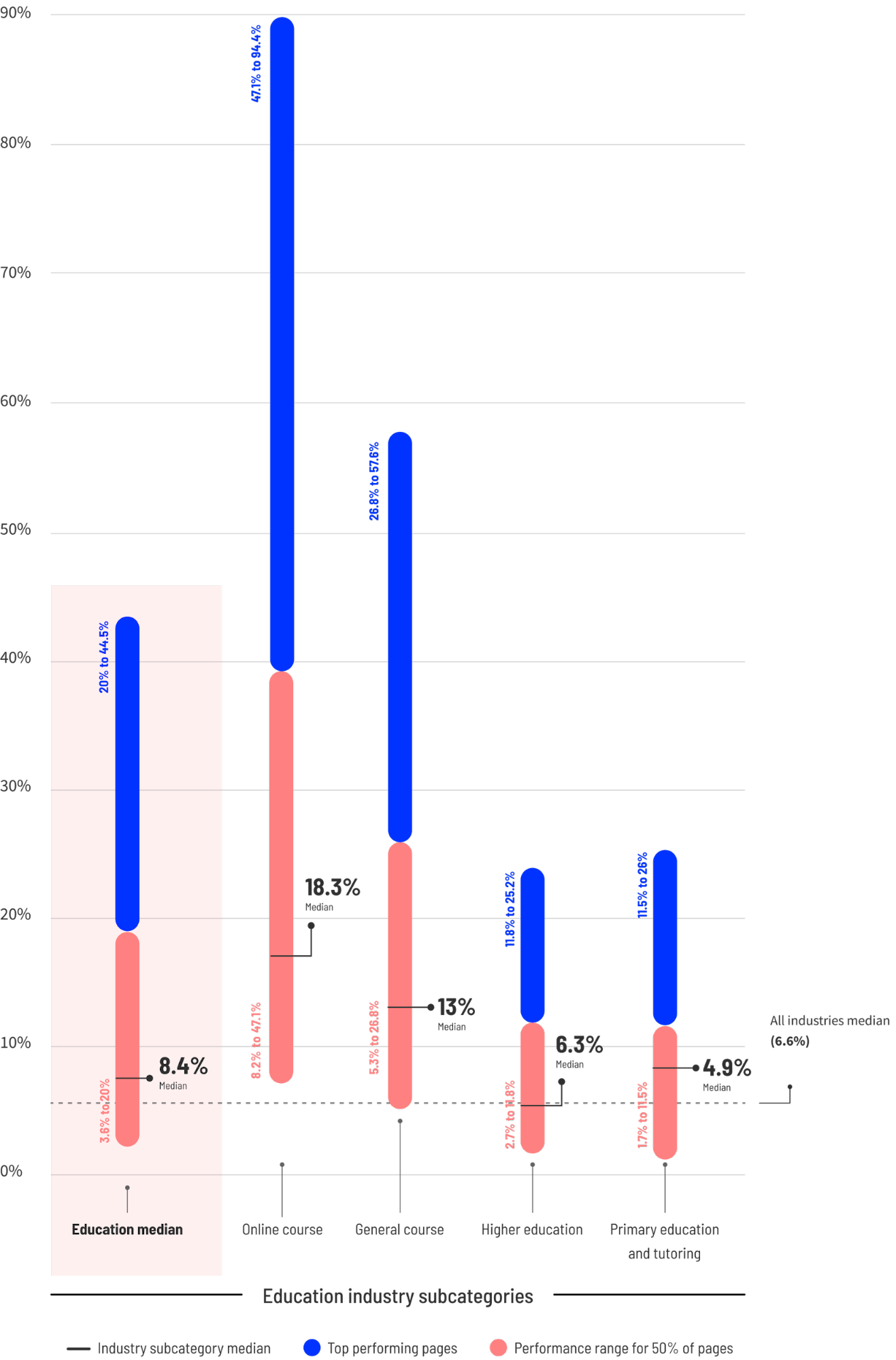
Education and Entertainment continue to post the highest conversion rates in the 2024 report. The education sector sees a median of 10.2%, with online courses leading the charge at 18.3%. This suggests that the "micro-credentialing" trend remains a powerful motivator for consumers seeking immediate career advancement or skill acquisition.
Entertainment, specifically sweepstakes and contests, represents the ceiling of conversion performance. Sweepstakes pages convert at a median of 47.5%, with top-tier performers reaching 79.8%. While these numbers are impressive, experts caution that they often involve "low-friction" conversions, such as simple email signups, which may not translate to the same long-term value as a SaaS trial or an Ecommerce sale.
The Chronology of Optimization: How Benchmarks Have Evolved
To understand the 2024 figures, one must look at the timeline of digital marketing over the last five years. In 2019, the focus was largely on "traffic at all costs." However, the 2020-2022 period saw a surge in digital competition due to the global pandemic, which drove up ad costs and forced a pivot toward Conversion Rate Optimization (CRO).
By 2023, the integration of AI-driven copy generation and automated A/B testing began to move the needle for top-performing pages. The 2024 report is the first to fully reflect the impact of these technologies. We are seeing a "separation of the pack" where companies that use data-driven insights to tailor messaging are outperforming their peers by margins of 300% or more.
Strategic Implications: The Psychology of Simplicity
One of the most significant findings in the 2024 report involves the linguistic complexity of landing pages. There is a quantifiable correlation between the reading level of a page and its conversion success.
Data indicates that landing pages written at a 5th to 7th-grade reading level convert at a median of 11.1%. This is 56% higher than pages written at an 8th to 9th-grade level and significantly higher than those using "professional" or academic jargon. This suggests that in an era of information overload, clarity and "cognitive ease" are the ultimate competitive advantages. Marketers are being urged to strip away industry buzzwords and focus on direct, benefit-driven language that can be understood at a glance.
Traffic Sources and the Mobile Mandate
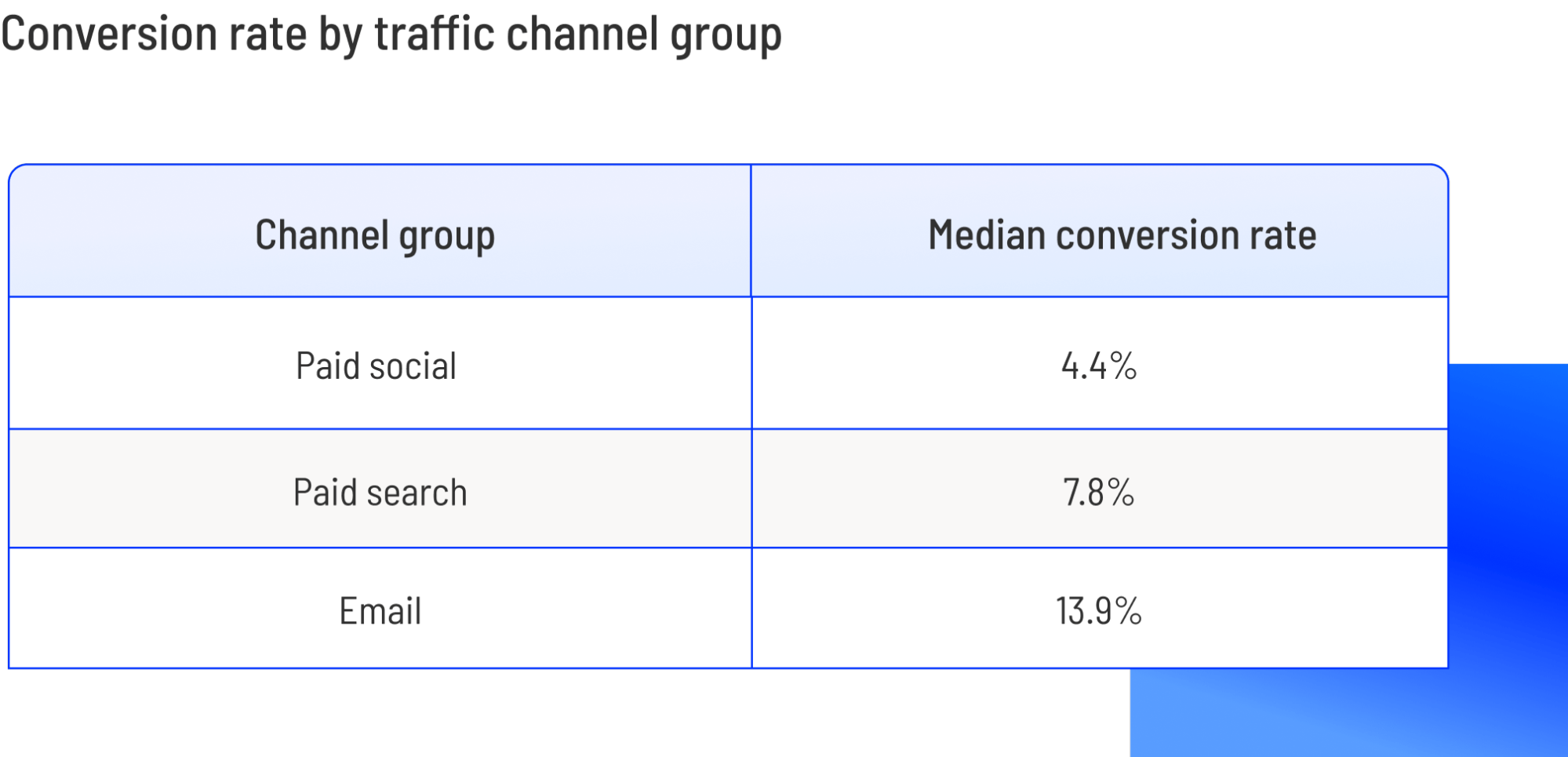
The 2024 report also clarifies the impact of different traffic channels. While paid search remains a cornerstone for high-intent industries like Legal and Professional Services, email marketing continues to be the highest-converting channel across the board. In Professional Services, for instance, email traffic converts at nearly 14%, while paid social traffic lags at 4.4%. This reinforces the importance of "owned media" and lead nurturing over constant reliance on third-party ad platforms.
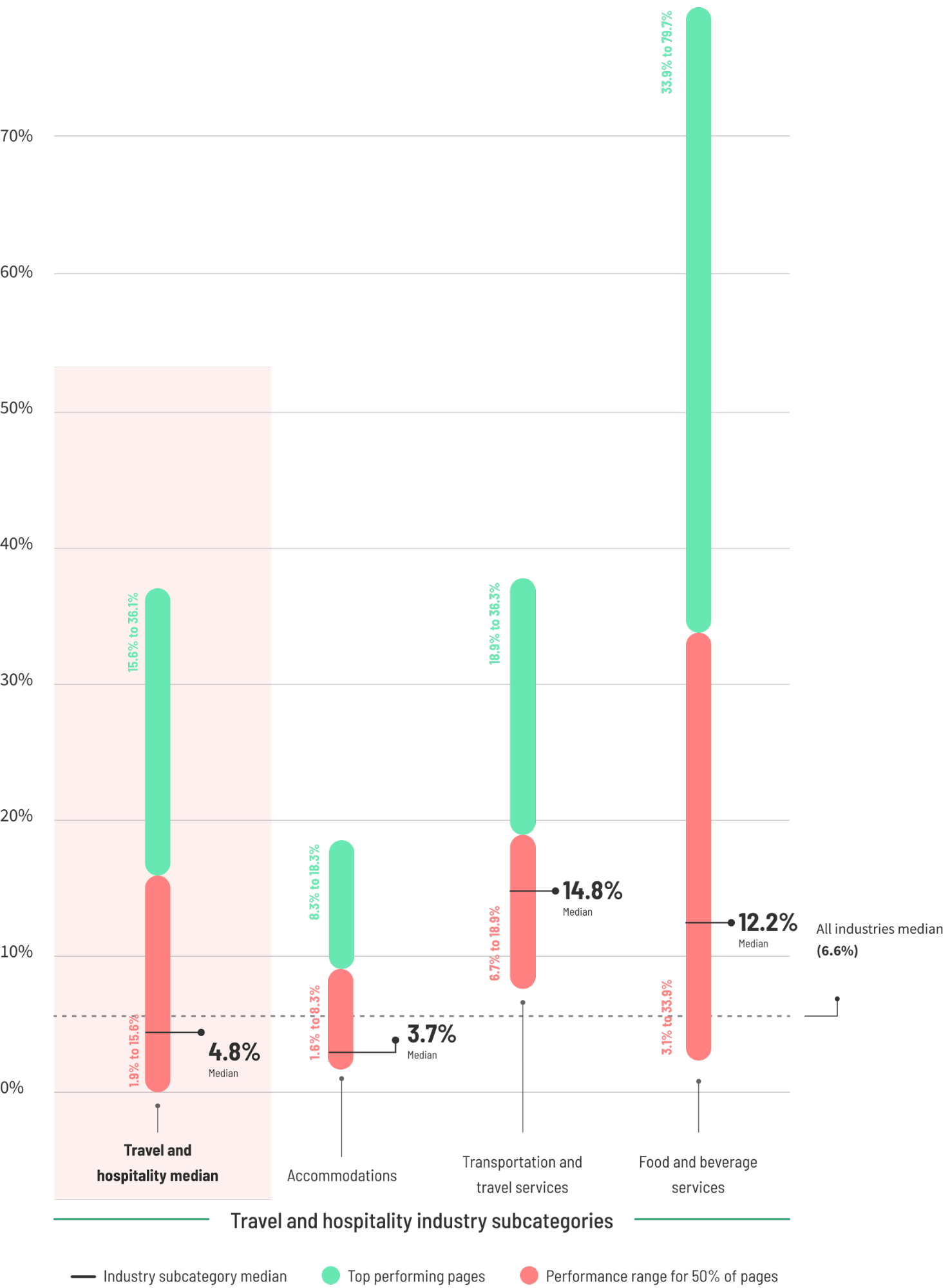
Furthermore, the "Mobile Gap" remains a primary challenge. While mobile devices account for approximately 83% of all landing page visits, they frequently convert at lower rates than desktops in sectors like Travel and Hospitality (where desktop converts 10.4% better). This suggests that while consumers use mobile for research, they still prefer the perceived security and screen real estate of a desktop for final, high-value transactions.
Official Responses and Industry Sentiment
While individual companies rarely comment on specific benchmark reports, the broader sentiment among marketing agencies is one of "cautious optimization." Lead generation experts at firms like Backstage SEO emphasize that these benchmarks should be viewed as a "floor, not a ceiling."
"The 2024 data confirms what we’ve suspected for some time," noted one industry analyst. "The ‘generalist’ approach to the web is dead. If you aren’t optimizing for your specific niche’s intent and device preferences, you are essentially subsidizing your competitors’ market share."
Broader Impact and Future Outlook
The implications of the 2024 benchmarks extend beyond simple marketing tactics. They signal a shift in how digital businesses must be structured. With the top 25% of performers seeing conversion rates triple those of the median, the ROI on "systematic testing" has never been higher.
Looking toward 2025, industry observers expect the following trends to accelerate:
- AI-Personalization: Real-time adjustment of landing page copy based on the visitor’s specific search query or demographic profile.
- Frictionless Conversion: The rise of one-click signups and integrated payment gateways directly on the landing page to combat mobile drop-off.
- Zero-Party Data Collection: Using high-converting "interactive" landing pages (quizzes, calculators) to gather data directly from users as third-party cookies disappear.
In conclusion, the 2024 Conversion Benchmark Report serves as both a map and a warning for the modern marketer. While a 6.6% median conversion rate provides a baseline, the true opportunity lies in the gap between the average and the excellent. Success in the current climate requires a departure from generic "best practices" in favor of a rigorous, industry-specific strategy that prioritizes simplicity, trust, and a deep understanding of the consumer’s journey from click to conversion.