Email marketing, far from being a relic of the early digital age, remains a cornerstone of modern digital strategy, blending strategic foresight, creative execution, and technical precision. In today’s hyper-competitive digital landscape, where inboxes are deluged with communications, a meticulously constructed email is the differentiating factor between inspiring action and languishing unread. Understanding the comprehensive anatomy of an effective email is paramount for marketers aiming to forge stronger connections, drive engagement, and generate tangible results that resonate with organizational leadership. This guide systematically deconstructs each critical layer, from the initial impression to the underlying technical infrastructure, empowering marketers to optimize every campaign for real-world performance. By dissecting and rebuilding each component, organizations can transform their email communications into irresistible engagements, making every send a strategic and smarter endeavor.
The Enduring Power of Email Marketing
Despite the proliferation of new communication channels, email marketing consistently delivers one of the highest returns on investment (ROI), often cited at an average of $36 for every $1 spent. Its direct, personal, and measurable nature ensures its continued relevance in a fragmented media environment. However, achieving this ROI requires more than just sending emails; it demands a deep understanding of the recipient’s journey and a commitment to optimizing every touchpoint. This article will explore the eleven fundamental components that collectively define an effective email, providing actionable insights for both seasoned professionals and those looking to refine their approach.
1. The Subject Line: The Gateway to Engagement
The subject line serves as the indispensable gatekeeper of the inbox. In an environment where the average professional receives over 120 emails daily, a compelling subject line is not merely an advantage; it is a necessity. Without it, even the most meticulously crafted content remains unseen. The challenge lies in striking a delicate balance: piquing curiosity sufficiently to warrant an open, without resorting to misleading tactics that erode trust. Clarity, surprisingly, often triumphs over overt cleverness.
Psychologically, effective subject lines tap into universal human emotions such as the fear of missing out (FOMO) or the promise of a swift solution. Generic headers like "Re: Marketing Webinar" are routinely ignored, while a personalized, benefit-driven alternative such as "3-minute tweak to fix your Q2 pipeline" commands attention by offering immediate, relevant value. Injecting a touch of mystery can be effective, provided it doesn’t obscure the inherent value proposition. "Don’t miss this" is vague and uninspiring, whereas "Ready to triple response rates?" is both direct and intriguing, hinting at a clear, desirable outcome. Incorporating industry pain points, regional trends, or even company milestones relevant to specific audience segments further enhances relevance and encourages opens.

Optimizing Subject Lines for Maximum Impact:
- Personalization: Emails with personalized subject lines are 50% more likely to be opened. Utilizing the recipient’s name or company can significantly boost engagement.
- Urgency & Scarcity: Phrases like "Limited Time Offer" or "Your Cart Expires Soon" can create a sense of urgency, driving immediate action.
- Benefit-Oriented: Clearly articulate the value proposition or problem solved within the subject line. Focus on what the recipient gains.
- Conciseness: Aim for subject lines between 41 and 50 characters, or 4-7 words, as these tend to have the highest open rates, especially on mobile devices.
- Emojis: When used judiciously and relevantly, emojis can increase open rates by making an email stand out, but overuse or irrelevant emojis can trigger spam filters or appear unprofessional.
- A/B Testing: Continuously test different subject line variations to understand what resonates best with your audience. Test length, keywords, emojis, and personalization.
2. The Pre-header and Preview Text: The Co-Pilot to Your Subject Line
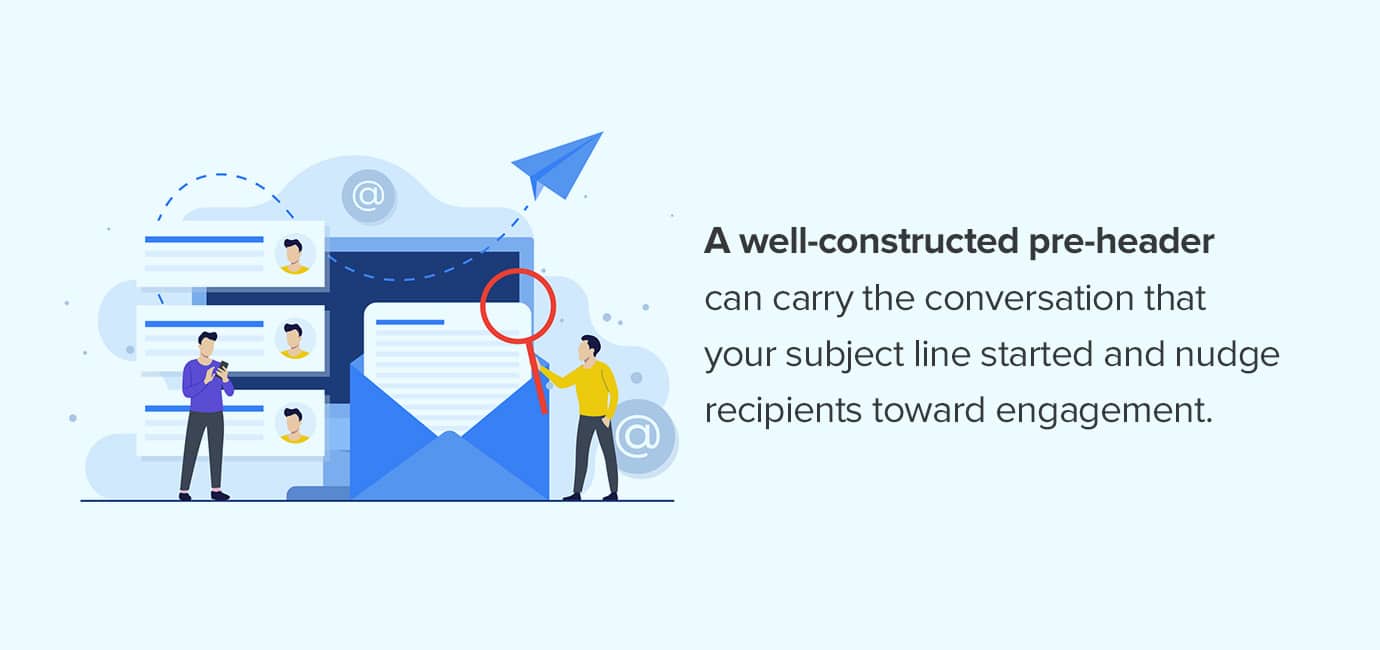
Often undervalued, the pre-header text is prime real estate in the inbox, appearing directly alongside or underneath the subject line across most modern email clients. It acts as the subject line’s co-pilot, offering an additional snippet of information that can significantly influence open rates. Unfortunately, many organizations fail to leverage this space effectively, defaulting to generic or truncated messaging that adds no discernible value. A well-crafted pre-header extends the conversation initiated by the subject line, providing crucial context or an additional hook that nudges recipients toward engagement.
Crafting Effective Pre-headers:
- Expand on the Subject Line: Use the pre-header to elaborate on the subject line’s promise, adding detail or a specific call to value.
- Complementary Information: Offer a benefit not fully articulated in the subject line, creating a richer teaser.
- Clear Call to Value: Briefly reiterate what the recipient will gain by opening the email.
- Avoid Repetition: Do not merely repeat the subject line; provide fresh, compelling information.
- Mobile Optimization: Given that over 50% of emails are opened on mobile devices, pre-headers must be concise and impactful, typically within 40-100 characters, depending on the client.
To ensure the pre-header’s hard work pays off, it’s crucial to consider truncation. Test how your pre-header appears across various email clients and devices. Utilize hidden pre-header text techniques to control what appears if your pre-header is shorter than the client’s display limit, preventing unwanted boilerplate text from appearing.
3. The Email Header: The Brand’s Handshake
Upon opening an email, the header immediately sets the tone and establishes brand recognition. This is the brand’s visual handshake, instantly signaling familiarity and trustworthiness or, conversely, causing confusion. A robust header quickly reassures readers of the email’s relevance and legitimacy, even before they delve into the content. It’s not just a decorative element; it’s a foundational component for brand consistency and user experience.
Key Elements of an Effective Email Header:
- Prominent Logo Placement: Your brand logo should be immediately visible, ideally in the top-left corner or centered, ensuring instant brand recognition.
- Clear Navigation (Optional but Recommended): For newsletters or promotional emails, a concise navigation bar linking to key sections of your website (e.g., Shop, Blog, About Us) can enhance user experience and provide alternative engagement paths.
- "View in Browser" Link: Essential for accessibility and troubleshooting, this link allows recipients to view the email in a web browser if rendering issues occur in their email client.
- Sender Information: Clearly display the sender’s name and email address, reinforcing trust and professionalism.
- Brand Colors and Typography: Consistent use of brand-specific colors and fonts reinforces identity and creates a cohesive experience.
4. The Headline: The Internal Hook
Once the email is opened, the internal headline assumes the critical role of drawing the reader further into the message. This is the primary message within the email body, signaling to recipients that they are in the right place and that the content is worth their time. Crafting an effective headline demands a deep understanding of your audience segment and adept copywriting skills, often augmented by savvy AI tools. It should bridge the gap between the intriguing subject line and the detailed body content.
Priorities for a Compelling Headline:
- Clarity and Conciseness: Immediately convey the main topic or benefit.
- Benefit-Driven: Focus on what the reader will gain or learn.
- Action-Oriented Language: Use strong verbs to inspire interest and engagement.
- Relevance: Directly align with the subject line and pre-header to maintain continuity.
- Visual Prominence: Use larger font sizes, bolding, or contrasting colors to make the headline stand out.
Testing how your headline renders across various email clients like Gmail, Outlook, and Apple Mail (including Dark Mode) is crucial. Tools like Validity Engage’s testing features allow marketers to preview and tweak headlines until they are unmissable, ensuring optimal impact regardless of the viewing environment.
5. The Greeting: Building Personal Rapport
A thoughtfully crafted greeting acts as the initial personal bridge between your brand and the recipient. For email marketers, establishing the appropriate level of familiarity and tailoring the opening can significantly foster lasting engagement. While "Hi [First Name]" is a common and effective starting point, a more nuanced greeting sets a superior stage for meaningful communication, moving beyond mere transactional interaction. Studies show that personalized greetings can lead to 26% higher open rates and improved customer loyalty.

Advanced Techniques for Greetings:
- Contextual Personalization: Tailor the greeting based on recent interactions, purchase history, or expressed preferences (e.g., "Welcome back, [Customer Name]!" or "Great to see you at [Event Name], [Attendee Name]!").
- Segment-Specific Greetings: Adapt the tone and formality to different audience segments (e.g., "Dear Valued Partner," vs. "Hey [First Name],").
- Dynamic Content: Utilize automation platforms to pull in relevant data points for a truly personalized experience.
- Acknowledge Milestones: If applicable, celebrate subscriber anniversaries or other relevant personal milestones.
Managing numerous list segments and their corresponding greeting variations might seem daunting, but modern marketing automation platforms simplify this process through advanced personalization and dynamic content features. While automation handles the heavy lifting, continuous testing of how greetings render in previews and live sends remains vital. Clean execution here signals attention to detail and cultivates a positive expectation for the message that follows.
6. The Body Content: Delivering Value and Driving Action
Everything preceding this point – the subject line, pre-header, header, headline, and greeting – is designed to build anticipation. The body content is where this anticipation culminates in the delivery of genuine value. This section fulfills the promise of the subject line, presenting offers, critical information, or engaging content, and strategically guiding readers toward the campaign’s ultimate goal. Effective body copy masterfully balances clarity with visual appeal, ensuring busy readers remain engaged and can quickly grasp the core message.
Top Email Formatting Best Practices for Body Content:
- Concise Paragraphs: Break down text into short, digestible paragraphs (2-4 sentences) to enhance readability and prevent cognitive overload.
- Clear Headings and Subheadings: Use H2 and H3 tags to create a logical hierarchy, making content scannable and easy to navigate.
- Bullet Points and Numbered Lists: Employ lists to present information clearly and efficiently, highlighting key benefits or features.
- Visual Hierarchy: Guide the reader’s eye using strategic placement of text, images, and white space.
- Mobile-First Design: Ensure content is legible and easy to interact with on smaller screens, with adequate line spacing and tap targets.
- Value Proposition: Clearly articulate the benefits and value offered to the reader, maintaining a recipient-centric focus.
- Storytelling: Where appropriate, weave in narratives that connect emotionally with the audience, making the content more memorable.
Modern email platforms and builders simplify the creation of HTML that adapts elegantly across diverse devices and email clients. Previewing across multiple formats is essential to guarantee that every recipient, from mobile shoppers to desktop readers, experiences a clean, professional message. Whenever possible, test your email on actual devices rather than relying solely on preview panes, as real-world tap targets, font sizes, and load speeds often reveal nuances that rendering simulators might miss.

7. The Visuals and Imagery: Enhancing Message and Brand
Images are powerful tools for boosting engagement and clarifying messages, but they must always serve a strategic purpose beyond mere decoration. Every visual element should be intentionally chosen and adhere to technical best practices. Thoughtful integration of imagery helps email content resonate more deeply and robustly supports the core message. Research indicates that emails with images typically see a 42% higher click-through rate compared to plain text emails.
Strategies for Effective Visuals:
- Relevance: Images should directly support the message, adding context or illustrating a point. Avoid generic stock photos that lack relevance.
- Quality and Optimization: Use high-resolution images that are optimized for web, ensuring fast loading times without compromising visual quality. Large files can increase load times and lead to abandonment.
- Brand Consistency: Maintain a consistent visual style, color palette, and branding across all images to reinforce brand identity.
- Accessibility (Alt Text): Always include descriptive alt text for all images. This is crucial for visually impaired recipients using screen readers and also displays if images fail to load.
- Balance with Text: Avoid image-heavy emails that might trigger spam filters or appear broken if images are blocked. A good rule of thumb is a 60% text to 40% image ratio.
- Responsive Design: Ensure images scale correctly and look good on all screen sizes, from desktops to smartphones.
Clear, concise image descriptions benefit all recipients, not just those with visual impairments. Conduct rendering checks to anticipate how your email will appear if images fail to load. The message should remain coherent and compelling even as pure text, providing a fallback experience.
8. The Call-to-Action (CTA): The Catalyst for Conversion
The Call-to-Action (CTA) is the pivotal element where readers are prompted to take the desired next step, whether it’s making a purchase, exploring blog content, or signing up for an event. This critical component deserves meticulous engineering, as its effectiveness directly impacts campaign goals. Crafting a high-performing CTA transcends clever wording; it involves a strategic blend of psychology, design, and placement.
Considerations for a High-Performing CTA:

- Clarity and Action-Oriented Language: Use strong, unambiguous verbs that clearly state the desired action (e.g., "Shop Now," "Download the Report," "Register Here").
- Prominent Placement: Position the CTA strategically where it’s easily visible, typically above the fold or immediately following the value proposition.
- Visual Distinction: Make the CTA button stand out through contrasting colors, sufficient padding, and a clear visual hierarchy.
- Single Primary CTA: While secondary CTAs can exist, focus on one primary action to avoid overwhelming the reader and diluting the message.
- Urgency or Benefit: Incorporate a sense of urgency ("Get 20% Off Today!") or reiterate a key benefit ("Unlock Exclusive Content").
- Mobile-Friendly Tap Targets: Ensure buttons are large enough to be easily tapped on mobile devices (e.g., minimum 44×44 pixels).
Thorough testing of your CTA is non-negotiable. Preview button rendering and functionality across major email clients to ensure nothing is misaligned, unresponsive, or visually broken. Even the most attractive CTA can fall flat if it doesn’t function flawlessly across all environments. A/B testing different CTA copy, colors, and placements can yield significant improvements in click-through rates.
9. The Footer: The Foundation of Trust and Compliance
The email footer serves as the campaign’s legal, ethical, and practical anchor. For email marketers, it’s a non-negotiable space to demonstrate professionalism, transparency, and respect for recipients. A well-structured footer instills confidence and ensures compliance with various regulations (e.g., CAN-SPAM, GDPR).
Essential Elements of a Comprehensive Footer:
- Physical Address: Required by law in many regions, displaying your company’s physical address builds trust and legitimacy.
- Unsubscribe Link: A clear, easy-to-find unsubscribe link is legally mandated and crucial for maintaining sender reputation. It allows disengaged subscribers to opt-out gracefully, preventing spam complaints.
- Preference Center Link (Recommended): Offering a preference center allows subscribers to manage their communication preferences, reducing unsubscribe rates and improving engagement by delivering more relevant content.
- Privacy Policy Link: Reassures subscribers that their data is handled responsibly and transparently.
- Copyright Information: Protects your intellectual property.
- Social Media Links: Provides additional avenues for engagement and brand interaction.
- "Why You’re Receiving This Email" Statement: A brief explanation of how the recipient came to be on your list (e.g., "You’re receiving this email because you subscribed on our website") can preempt spam complaints.
Footers are also a subtle yet powerful means of reinforcing trust. A transparent, straightforward footer communicates that you are a legitimate sender who values audience privacy. It’s advisable to review your footer at least quarterly, especially when data policies, company addresses, or branding elements undergo changes. A dated or broken footer can lead to unnecessary complications, including legal issues and a damaged sender reputation.
10. Deliverability and Technical Considerations: The Unseen Foundation
The technical aspects of email marketing are the unseen backbone that directly dictates how well your email performs. Regardless of how compelling your content or design, if an email doesn’t reach the inbox, it cannot achieve its objectives. To maximize inbox placement and campaign success, every email marketer must be acutely aware of these foundational technical elements. Industry data suggests that a significant portion of emails (up to 20% in some cases) never reach the intended inbox due to deliverability issues.

Foundational Technical Elements:
- Sender Authentication (SPF, DKIM, DMARC): These protocols verify that the sender is legitimate, preventing spoofing and improving sender reputation. Implementing them correctly is critical for inbox placement.
- IP Reputation: The sending history associated with your IP address influences how inbox providers perceive your emails. A clean reputation is paramount.
- Domain Reputation: Similar to IP reputation, but tied to your sending domain. A consistent sending pattern and low complaint rates are key.
- List Hygiene: Regularly cleaning your email list by removing inactive subscribers, bounced addresses, and spam traps is essential for maintaining good deliverability and avoiding penalties from ISPs.
- Segmentation: Sending relevant content to segmented audiences reduces unsubscribe rates and spam complaints, signaling positive engagement to ISPs.
- Content Optimization: Avoiding spam trigger words, excessive capitalization, and broken HTML helps ensure emails bypass spam filters.
- Image-to-Text Ratio: Maintaining a healthy balance prevents emails from looking suspicious to filters.
- Whitelisting: Encouraging subscribers to add your "From" address to their safe sender list or contacts can improve deliverability.
Continuous monitoring is essential. Tools like Validity Engage provide real-time alerts for deliverability and rendering problems, allowing marketers to identify and resolve issues proactively before they significantly impact the subscriber experience. For those intimidated by the complexities of deliverability, leveraging such specialized tools can provide invaluable assistance and peace of mind.
11. Testing and Improving: The Engine of Continuous Optimization
Even the most successful email campaigns have room for improvement through rigorous testing and data-driven learning. If unsure where to begin, focus on the elements most likely to impact your campaign goals. A culture of continuous testing is what separates good email programs from great ones, leading to incremental gains that compound over time.
Key Areas for Testing:
- Subject Lines and Pre-headers: Test different lengths, tones, emojis, personalization, and calls to curiosity/urgency.
- Call-to-Action (CTA): Experiment with button copy, color, size, and placement.
- Visuals and Imagery: Test different image types, placement, and the impact of video or GIFs.
- Body Content: Evaluate variations in message length, paragraph structure, tone, and personalization.
- Send Times and Days: Analyze open and click rates based on when emails are sent to identify optimal timing for different segments.
- Segmentation Strategies: Test different ways of segmenting your audience and tailoring content accordingly.
- Mobile vs. Desktop Performance: Ensure emails render perfectly and provide an optimal experience across all devices.
Effective testing necessitates robust data collection and analytical interpretation. Utilize your platform’s analytics to identify trends, pinpoint areas for improvement, and share findings across the team to ensure each subsequent send is smarter than the last. Crucially, document your key learnings. A simple testing log, whether a basic document or spreadsheet, enables your team to track wins, understand failures, and institutionalize knowledge, especially during periods of high campaign urgency. This systematic approach fosters a culture of iterative improvement, maximizing the ROI of every email.

12. Collaboration and Future Workflow: The Synergy of Success
From copywriting and design to development and deployment, successful email campaigns are inherently collaborative endeavors. Managing edits, feedback, and approvals efficiently is significantly streamlined with the right systems and workflows in place. High-functioning teams understand that effective collaboration doesn’t just reduce friction; it accelerates campaign delivery and enhances overall quality.
Components of a Streamlined Collaborative Workflow:
- Centralized Project Management Tools: Utilize platforms that allow all stakeholders to view campaign progress, assign tasks, and track deadlines.
- Shared Content Libraries: Establish repositories for approved brand assets, copy blocks, and email templates to ensure consistency and speed.
- Clear Roles and Responsibilities: Define who is responsible for each stage of the email creation and approval process.
- Version Control: Implement systems to track changes to email copy and design, preventing confusion and ensuring the latest version is always used.
- Automated Review and Approval Processes: Leverage tools that facilitate digital proofing, commenting, and sign-offs, reducing manual back-and-forth.
- Standardized Checklists: Create pre-send checklists covering everything from link verification to accessibility checks.
Before the final "send," always designate specific roles or utilize dedicated tools for proofing copy, verifying links and images, checking dynamic fields, and running comprehensive rendering tests. These meticulous actions are crucial for catching potential snags that could otherwise lead to embarrassing and entirely preventable mistakes. Embracing a culture of constructive feedback and continuous improvement through collaboration ensures that the collective effort genuinely speeds up the workflow and elevates campaign quality. Tools like Validity Engage are designed to cut review times, streamline approvals, and enable teams with multiple stakeholders to send error-free campaigns on schedule.
Bringing It All Together: A Holistic Approach to Email Excellence
Creating an effective marketing email is a sophisticated process that extends far beyond merely drafting a compelling subject line and decent copy. Every single element, from the initial pre-header text to the often-overlooked footer, plays a distinct and crucial role in your email’s journey from your outbox to your subscriber’s inbox. Success hinges on a holistic approach, where technical precision complements creative brilliance and strategic insight.
By meticulously tackling each anatomical component from both a technical and creative perspective, organizations not only elevate their campaign performance but also equip their teams with a repeatable, scalable process for consistent success. The journey is continuous: relentlessly test, incrementally improve, and diligently learn from analytics. Habitually reviewing email performance, implementing A/B testing methodologies, and fostering collaborative proofing environments are the pillars that ensure each email lands with maximum impact and achieves its intended objectives.

Start Building and Strengthening Emails with Validity Engage
At Validity, we partner with some of the world’s largest and most discerning teams to significantly enhance their email marketing endeavors. With over 25 years of specialized experience and thousands of satisfied customers, organizations can place unwavering confidence in their sends.
Customers rely on Validity Engage to comprehensively test each email, implement highly engaging and dynamic email personalization, and foster more effective internal collaboration. Explore a wealth of great email examples on our free email hub to jumpstart your inspiration. Whenever you’re ready to elevate your email strategy, Validity is poised to empower you to hit send with unparalleled confidence and achieve exceptional results.