The enterprise market for digital experience analytics (DXA) and conversion rate optimization (CRO) has reached a critical juncture as organizations face increasing pressure to consolidate their technology stacks while maximizing user retention. At the center of this evolution are two primary contenders: Crazy Egg, an all-in-one platform known for its transparency and integrated feature set, and Contentsquare, a high-end digital experience powerhouse that has expanded its footprint through aggressive acquisitions. For enterprise decision-makers, the choice between these two platforms represents a fundamental decision regarding operational philosophy, budgetary allocation, and technical infrastructure.
While both platforms aim to provide insights into user behavior, they cater to different operational scales. Crazy Egg offers a unified subscription model that bundles heatmaps, session recordings, A/B testing, surveys, and error tracking. In contrast, Contentsquare operates as a modular ecosystem, requiring significant financial investment and often necessitating third-party integrations to achieve the same breadth of functionality found natively in Crazy Egg.
The Evolution of the UX Analytics Landscape
To understand the current competition between Crazy Egg and Contentsquare, one must examine the chronological development of the UX analytics industry. Crazy Egg was founded in 2005 by Hiten Shah and Neil Patel, positioning itself as an early pioneer in heatmapping technology. Its goal was to democratize visual data, moving away from complex spreadsheets toward intuitive visual overlays. Over the last two decades, Crazy Egg has expanded its core offering to include a full suite of CRO tools, maintaining a focus on ease of use and price transparency.
Contentsquare, founded in 2012, followed a different trajectory, focusing on high-level enterprise accounts and rapid expansion through M&A (mergers and acquisitions). A pivotal moment occurred in 2021 when Contentsquare acquired Hotjar, a leading mid-market behavior analytics tool. This was followed in 2023 by the acquisition of Heap, a product analytics platform. These moves effectively split the Contentsquare offering into four distinct tiers: the Free and Growth plans, which are essentially rebranded Hotjar products, and the Pro and Enterprise plans, which utilize the original Contentsquare and Heap technologies.
This divergence in history has created two distinct user experiences. Crazy Egg remains a singular, cohesive platform, while Contentsquare users must navigate a more complex product architecture that varies significantly depending on the chosen pricing tier.
Core Feature Analysis: Heatmapping and Visual Data
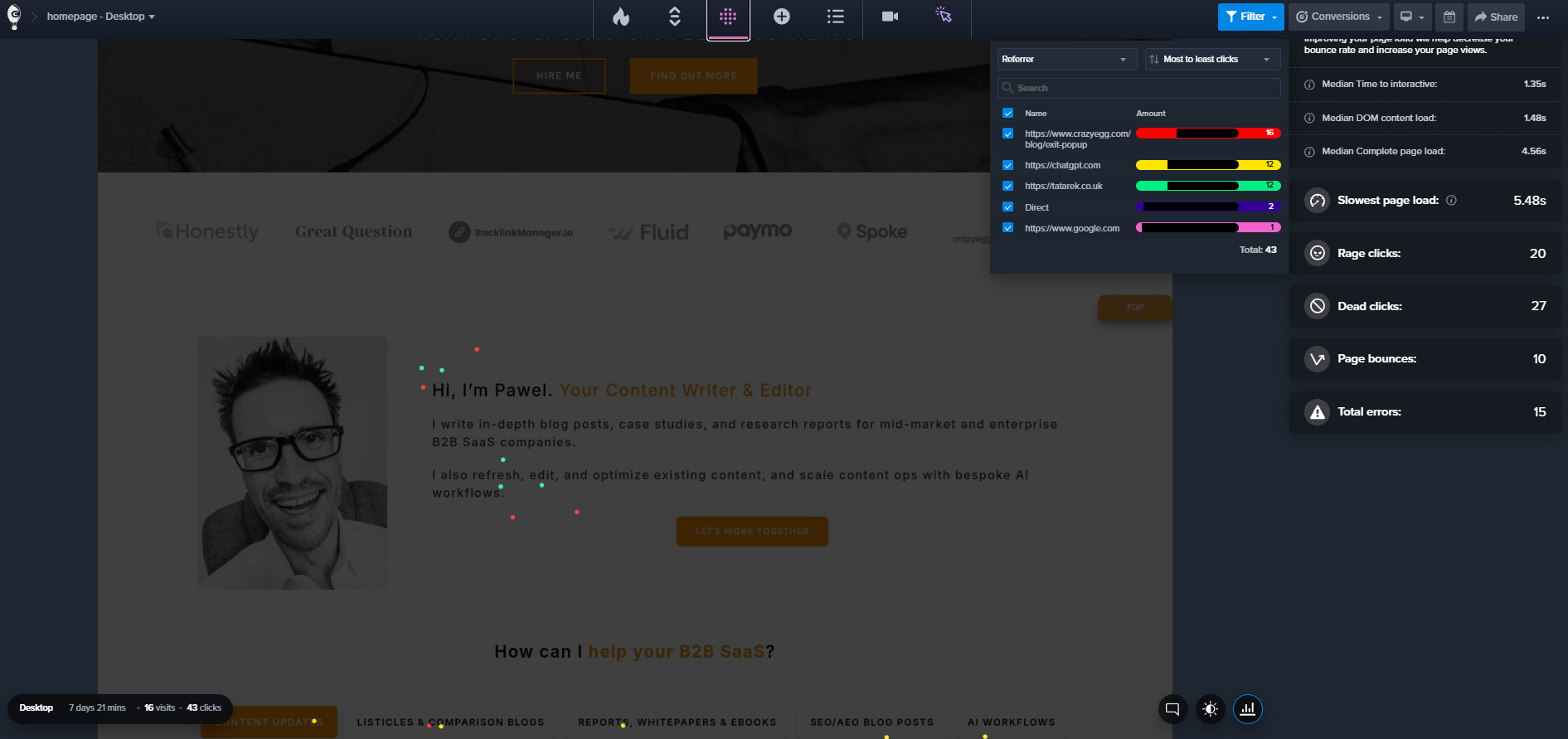
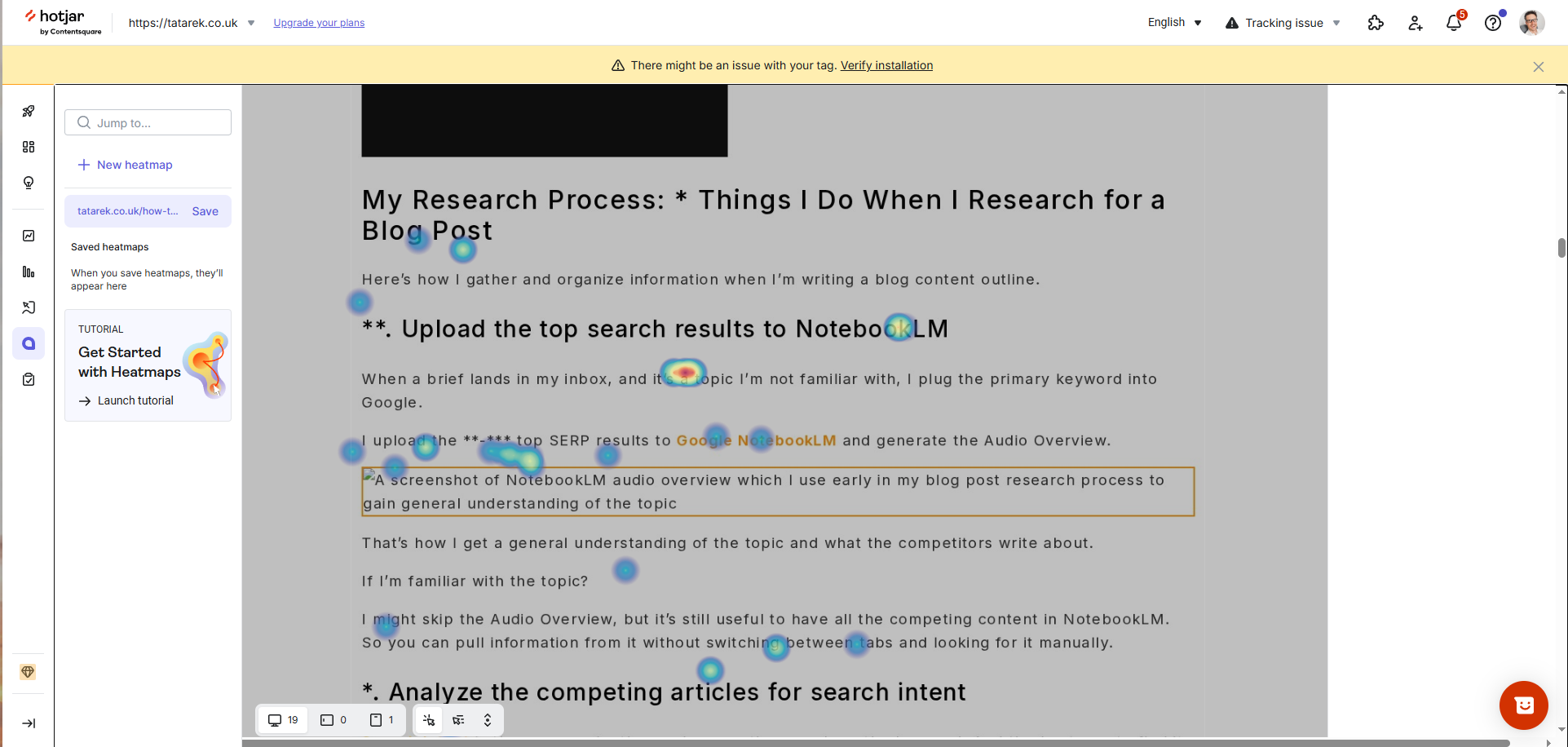
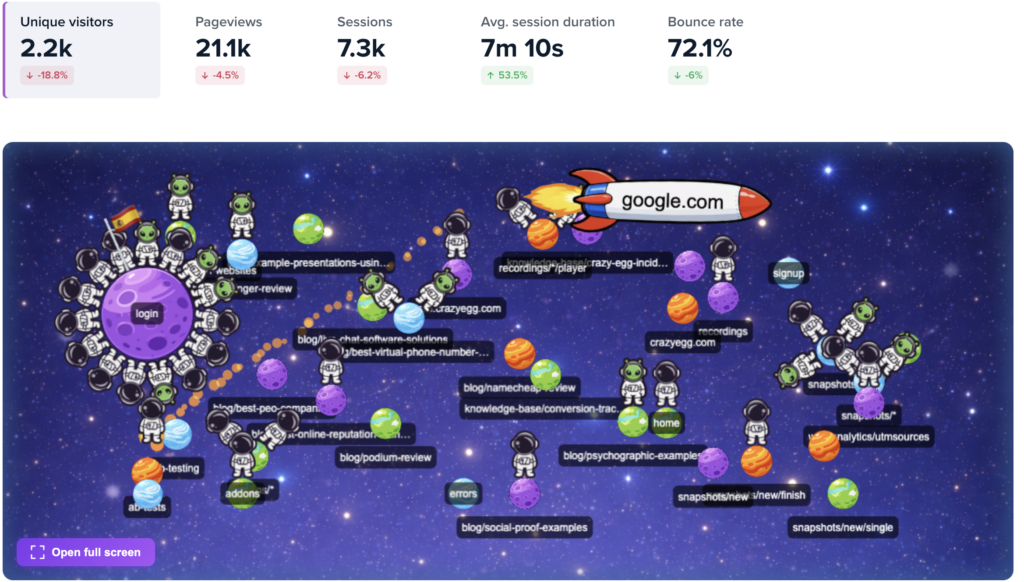
Heatmaps remain the foundational tool for understanding user interaction. Crazy Egg provides five distinct types: Click, Scroll, Confetti, Overlay, and List maps. The "Confetti Map" is particularly notable in the enterprise space, as it allows analysts to segment click data by over 20 audience filters, such as traffic source, device type, or geographic location, directly on the visual overlay.
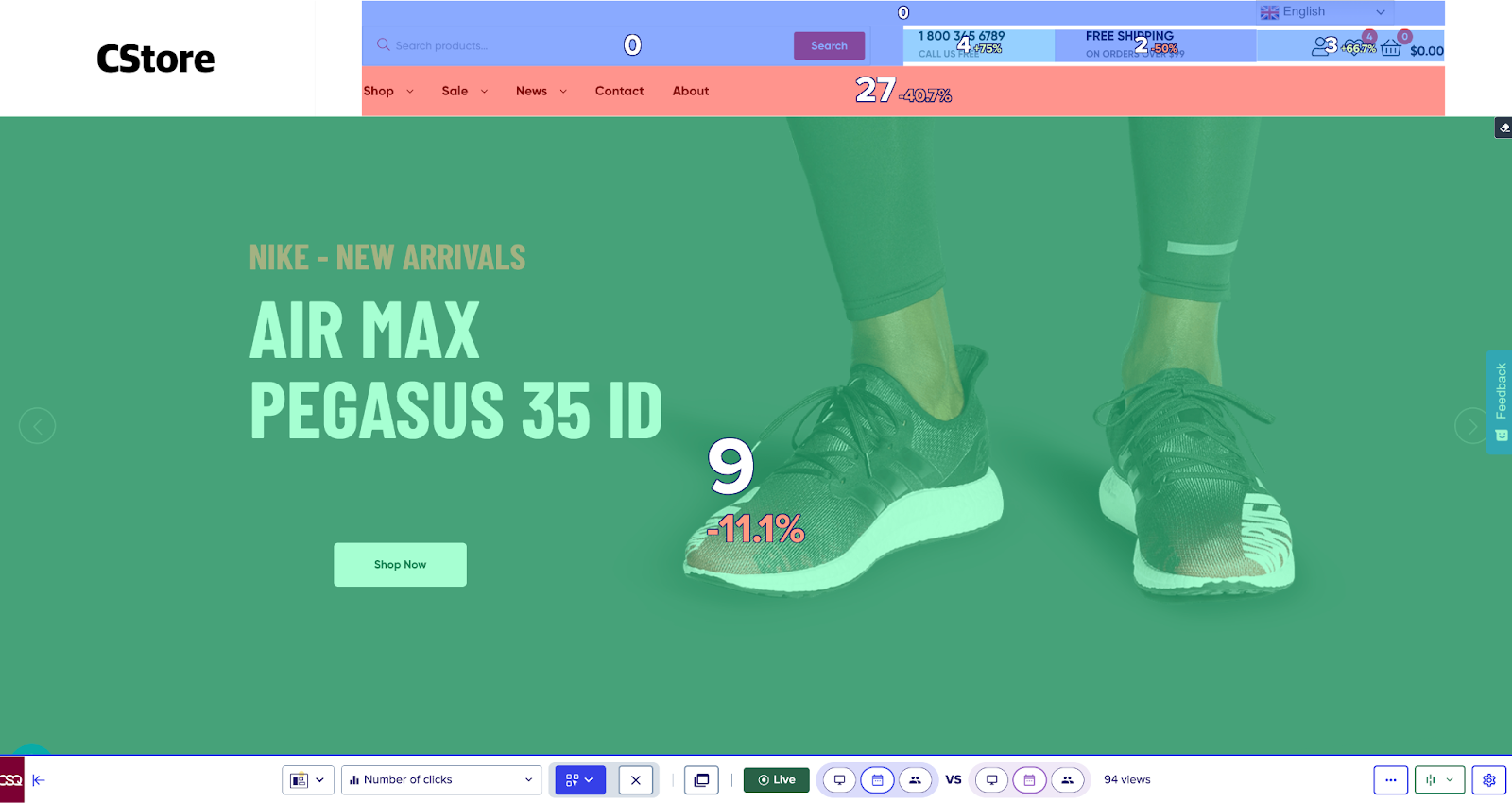
Contentsquare’s approach to heatmapping is centered on "Zone-Based Analysis." This technology, inherited from its acquisition of Clicktale, allows users to draw specific zones around page elements to see engagement and revenue metrics. While this is highly effective for e-commerce sites looking to attribute dollar values to specific buttons or banners, it is often gated behind higher-tier subscriptions.
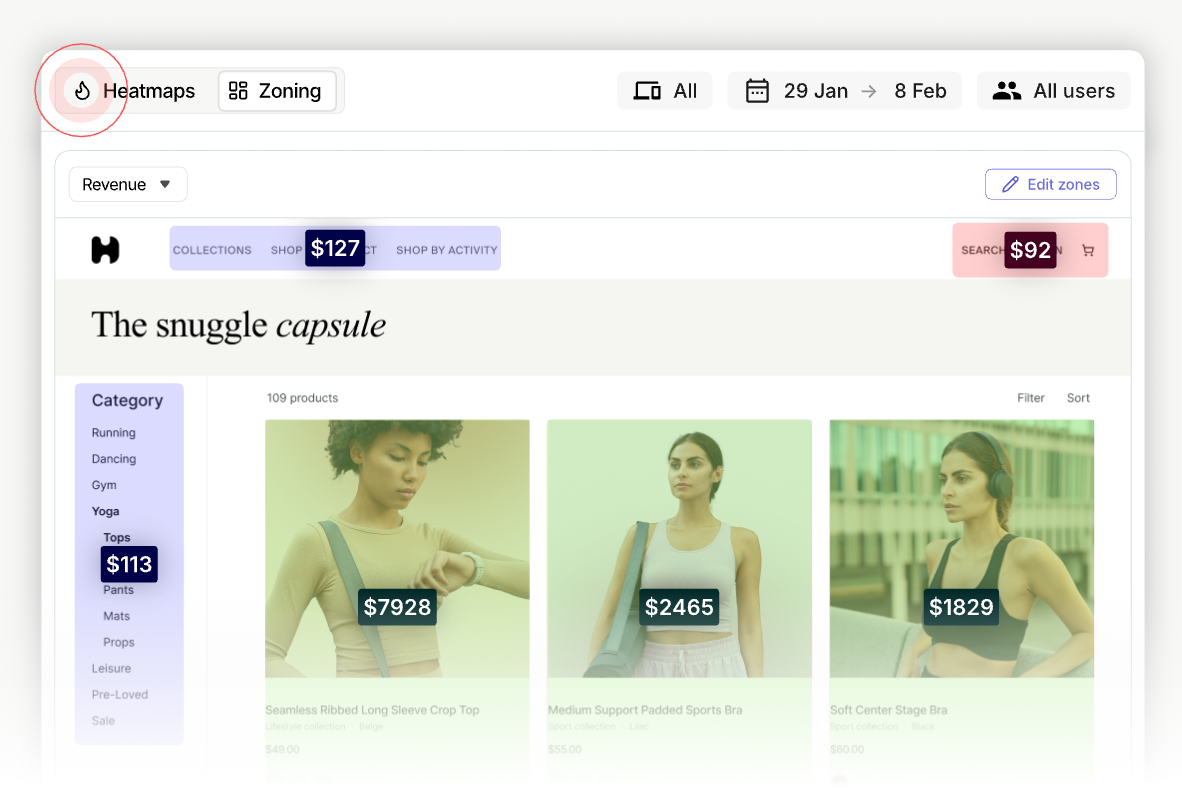
Data from industry analysts suggests that while zone-based metrics are powerful for high-volume retail, the "Confetti" style segmentation offered by Crazy Egg provides more immediate utility for marketing teams looking to optimize ad spend across different referral channels. Furthermore, Crazy Egg’s "Instant Heatmaps" feature allows for site-wide generation of data immediately upon installation, providing a broader initial view than the more targeted, per-page setup often required in enterprise-grade DXA tools.
Session Replays and Data Retention Policies
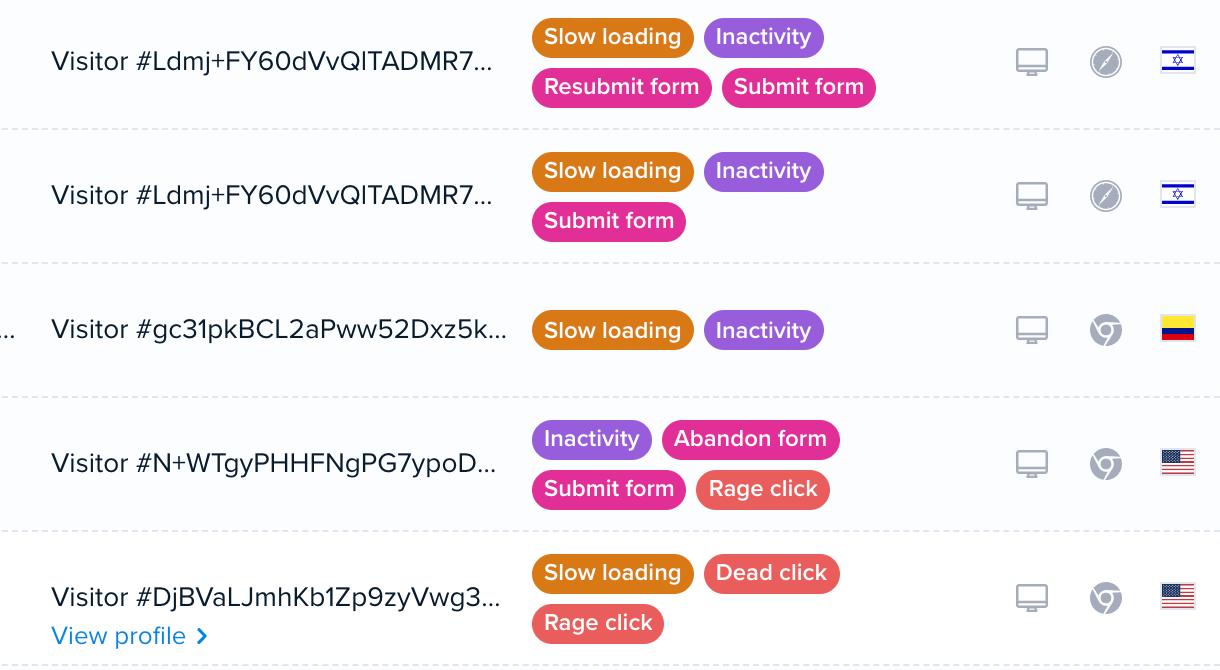
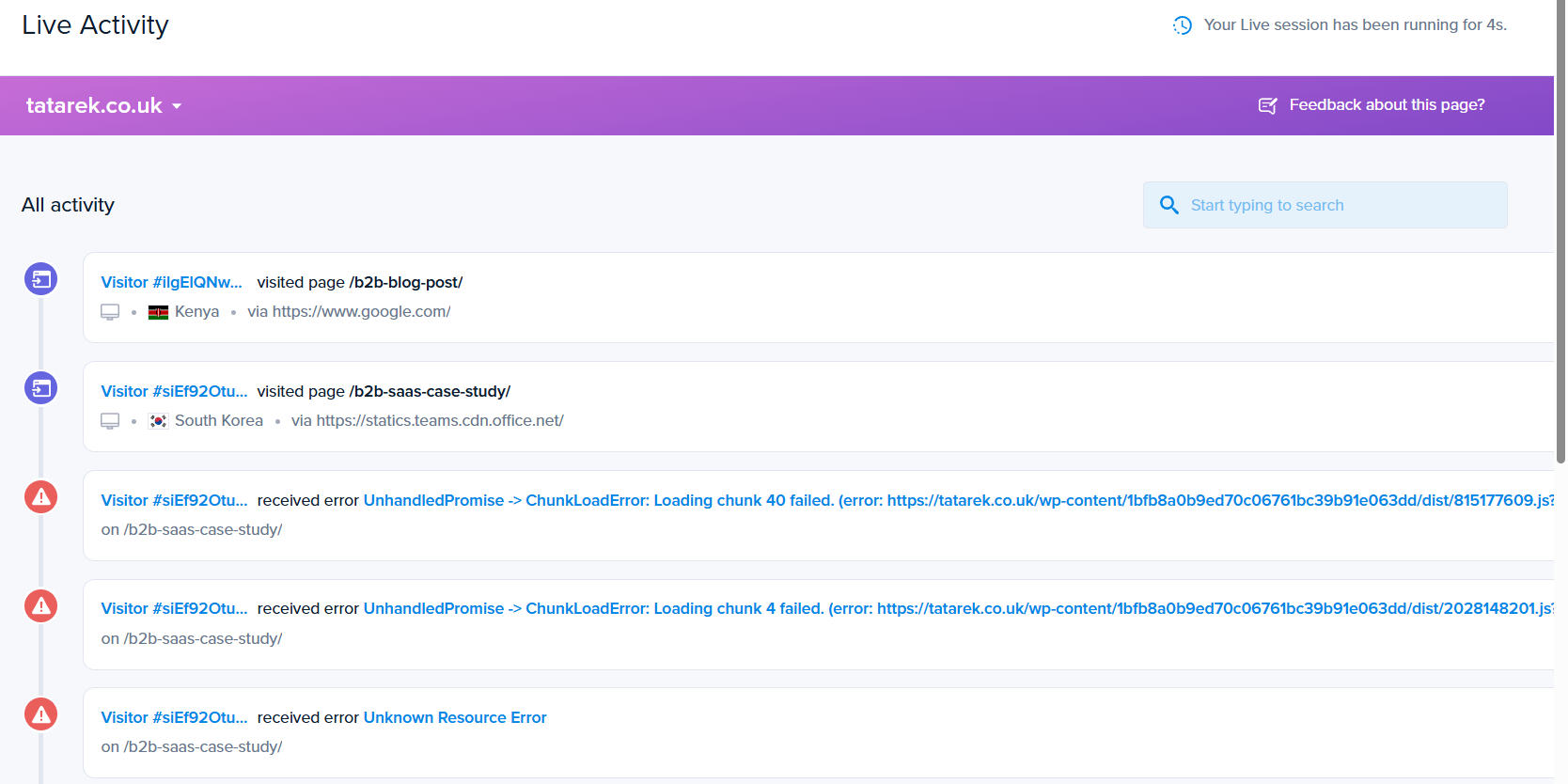
In the realm of session recordings, the two platforms diverge on data longevity and sampling control. Crazy Egg’s session recordings are automatically tagged with over 13 event types, including "rage clicks" and "abandoned forms," allowing teams to filter for high-friction moments without manual tagging. Crucially, Crazy Egg offers a default data retention period of six months to two years, depending on the plan.
Contentsquare provides a robust replay system with manual tagging and annotation features, which are beneficial for collaborative enterprise teams. However, its default retention period is considerably shorter, typically ranging from 30 to 90 days. For enterprises requiring year-over-year behavioral comparisons or long-cycle B2B analysis, the two-year retention offered by Crazy Egg serves as a significant advantage.
Additionally, Contentsquare’s pricing model often caps replays as a percentage of total sessions. This means that an enterprise capturing millions of sessions may only have access to a small fraction of those as actual video replays. Crazy Egg provides more granular "per-page" sampling control, allowing businesses to prioritize recording 100% of checkout sessions while sampling only 5% of blog traffic to manage their data budget effectively.
The A/B Testing and Conversion Gap
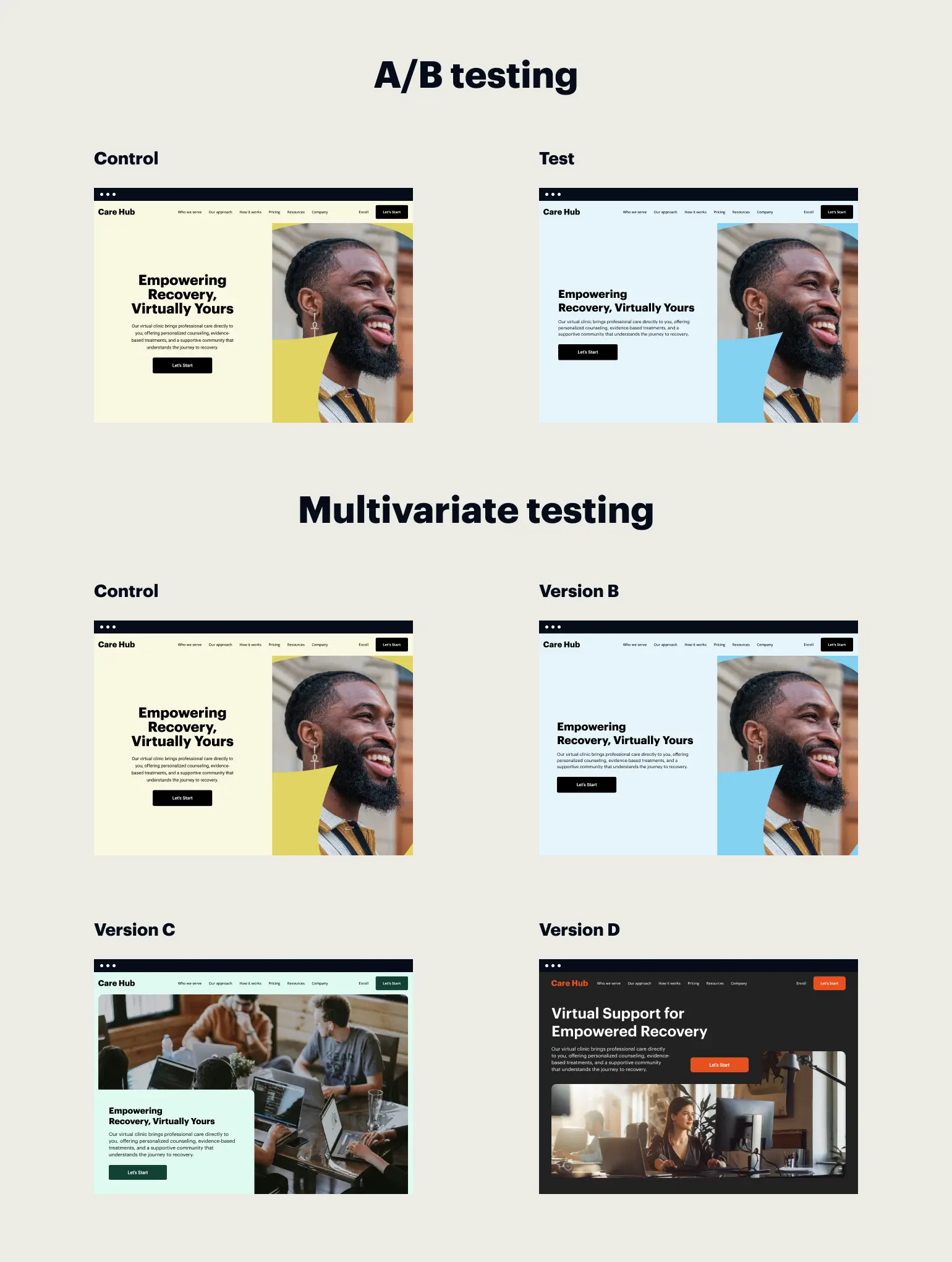
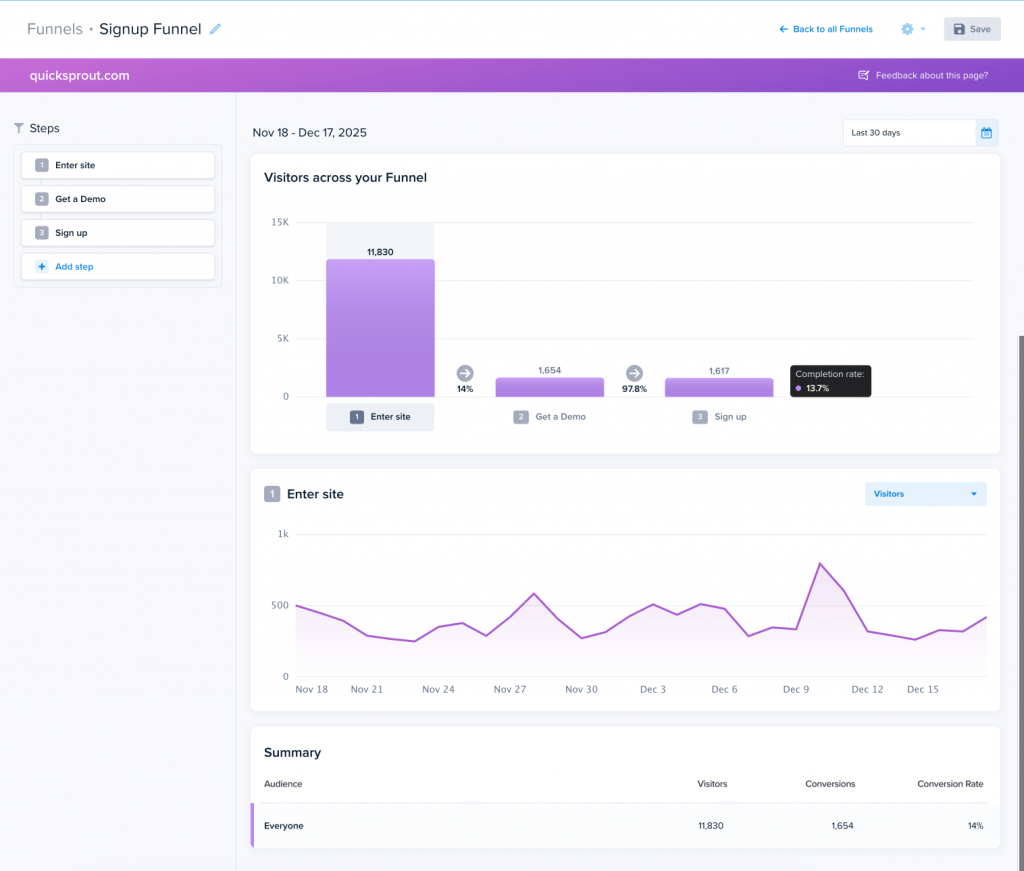
A significant point of differentiation is the inclusion of native A/B testing. Crazy Egg includes a visual editor and a native A/B testing engine starting at its $99/month Plus plan. This allows marketing teams to identify a problem via a heatmap, create a variant in the visual editor, and launch a test without requiring developer resources. The platform also utilizes "multi-armed bandit" (MAB) testing, which automatically shifts traffic to the winning variant in real-time, maximizing conversion during the testing phase.
Contentsquare does not offer a native A/B testing tool. Instead, it provides "A/B Test Analysis," which integrates data from third-party platforms like Optimizely, AB Tasty, or Kameleoon. While this is useful for organizations that already have a mature (and expensive) testing stack, it adds another layer of cost and complexity for businesses looking for an all-in-one solution. For an enterprise looking to remain agile, the "tech stack tax" of maintaining multiple subscriptions can be a deterrent.

Artificial Intelligence and the Future of Insights
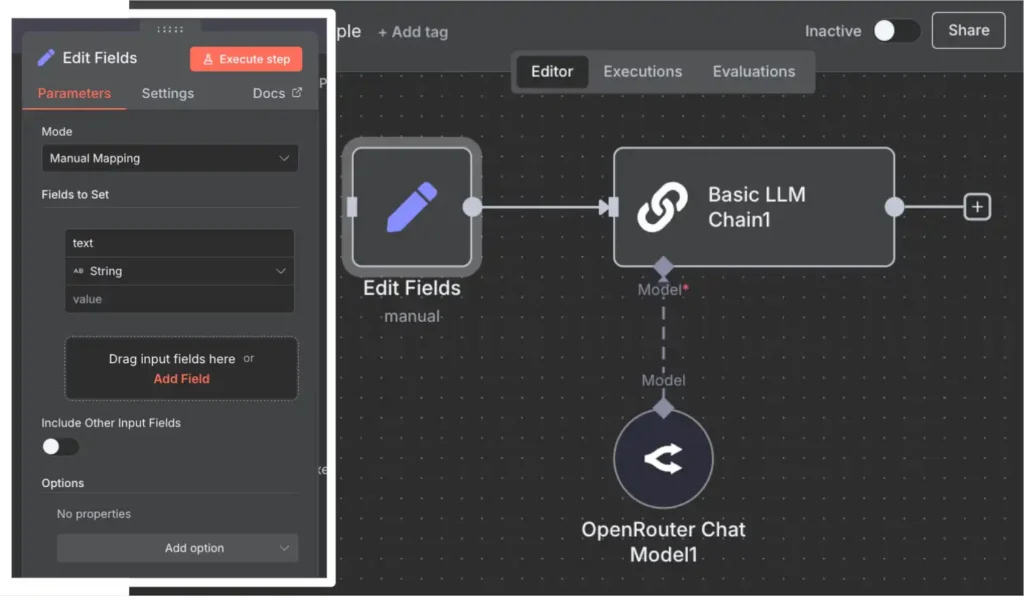
Both companies have leaned heavily into Artificial Intelligence to manage the sheer volume of data generated by enterprise websites. Crazy Egg has introduced the Model Context Protocol (MCP) connector, which allows users to link their behavioral data directly to LLMs like Claude, ChatGPT, and Gemini. This enables "agentic workflows," where an AI can analyze a recording and suggest specific UI changes. Their "Tasks" feature, currently in early access, aims to automate the optimization loop by prioritizing recommendations based on detected friction.
Contentsquare’s AI suite, branded as "Sense," offers session summaries and automated insights. However, its headline feature, "Sense Analyst"—a dedicated AI agent capable of answering complex natural language queries about user journeys—is often sold as a paid add-on, even for Enterprise-tier customers.

Pricing Structures and Total Cost of Ownership (TCO)
The financial implications of choosing between these two platforms are perhaps the most stark point of comparison. Crazy Egg operates on a transparent, tiered pricing model ranging from $29 to $599 per month. An enterprise tracking one million pageviews would pay approximately $7,188 per year.
Contentsquare’s pricing is opaque and sales-led. According to data from SpendHound, which analyzed 30 real-world enterprise contracts, the average annual cost for Contentsquare is approximately $154,400. High-traffic deployments can exceed $500,000 annually. Furthermore, many of Contentsquare’s key features, such as "Voice of Customer" (surveys) and "Error Analysis," are sold as separate modules or add-ons.
For a mid-to-large enterprise, the cost of Contentsquare can be 20 to 50 times higher than that of Crazy Egg for a similar volume of tracked sessions. This leads to a debate over the "Value-per-Insight." While Contentsquare offers deeper "warehouse-grade" data exports and mobile app integration, many organizations find that the core CRO benefits can be achieved with Crazy Egg at a fraction of the cost.
Strategic Implications for Enterprise Decision Makers
The decision ultimately rests on the organization’s technical requirements and budgetary philosophy.
The Case for Contentsquare:
Organizations should opt for Contentsquare if they require a unified view of both mobile applications and web properties, or if they need to export massive datasets into an external data warehouse for custom modeling. It is a tool designed for large, siloed organizations where dedicated data analysts spend their entire day within the platform.
The Case for Crazy Egg:
Crazy Egg is the logical choice for organizations that value agility, transparency, and high ROI. By bundling A/B testing, surveys, and error tracking into a single subscription, it eliminates the friction of managing multiple vendors. It is particularly effective for growth teams and marketing departments that need to move from "insight" to "action" without waiting for a developer or a six-figure budget approval.
As the industry moves toward 2025, the trend of "tool consolidation" is likely to favor platforms like Crazy Egg that offer comprehensive capabilities without the enterprise overhead. However, for the Fortune 500 companies with complex, multi-platform journeys, the specialized depth of Contentsquare remains a significant, albeit expensive, asset. For those currently facing a Contentsquare renewal, the market consensus suggests that a thorough audit of "used features" versus "paid features" often reveals a significant opportunity for cost savings by migrating to a more streamlined alternative.