The landscape of e-commerce is continuously evolving, offering aspiring entrepreneurs accessible pathways to establish online businesses. Among the most popular models are dropshipping and print-on-demand, both lauded for their ability to minimize upfront costs associated with manufacturing and inventory. While these models significantly reduce financial barriers, they do not inherently render a business operation entirely free. Many dropshipping platforms tout the ability to start with "almost nothing," yet essential expenses such as e-commerce platform subscriptions, domain names, product samples, marketing efforts, and access to dropshipping catalogs can accumulate. This article outlines a strategic approach to launching a dropshipping venture with a $0 budget, deferring financial outlay until the first sale is secured.
The Reality of a $0 Dropshipping Startup
It is crucial to establish from the outset that while a $0 initial investment is achievable, expenses are not permanently avoidable. Entrepreneurs must anticipate eventual costs related to payment processing fees, potential upgrades to website infrastructure, and the expansion of marketing campaigns. The objective of a zero-budget launch is to leverage initial momentum and early sales revenue to reinvest back into the business, creating a sustainable growth cycle. The following steps detail how to navigate this initial phase effectively.
Step 1: Strategic Niche Selection and Free Validation
Identifying a Profitable Niche
The foundational step in establishing a successful dropshipping business lies in the meticulous selection of a niche. General wisdom in the e-commerce space dictates a preference for narrow, focused niches over broad, all-encompassing categories. The dropshipping market is characterized by intense competition; a wider product catalog necessitates a proportionally greater investment in differentiation and marketing.
The process begins with identifying a general product category aligned with a target audience. Subsequently, this category must be refined into a more specific niche. For instance, a broad category like "Home and Garden" can be narrowed down. Platforms such as dropXL offer access to over 13,000 products within this domain, allowing for deeper dives into sub-categories like kitchenware or outdoor furniture. An example of a highly targeted niche could be "compact furniture solutions for apartment dwellers." While this may seem restrictive initially, it provides a solid foundation upon which the business can later expand.
Validating Niche Potential Without Financial Outlay
Once a niche idea is conceived, the next critical phase involves free validation of its market viability. Reliable market research reports, such as those published by Grand View Research, can offer insights into niche growth trends. For example, the global outdoor furniture market has been experiencing a compound annual growth rate (CAGR) of approximately 6.4%, indicating a robust and expanding demand.
Further free validation methods include utilizing Google Trends to assess regional search interest, scrutinizing popular listings on marketplaces like Amazon, engaging with relevant discussions on Reddit, or, if an existing audience is present, conducting polls on social media platforms. An analysis of the competitive landscape, particularly focusing on local sellers, is also paramount. This analysis helps determine the most effective competitive strategies, whether it be through product uniqueness, expedited delivery, or alternative value propositions.
Step 2: Identifying Monetizable Products
With a validated niche in hand, the next phase is to curate an initial product collection. This collection should remain intentionally small, serving primarily as a testbed to gauge customer purchasing behavior and price sensitivity. While many dropshipping platforms feature "winning products" or "best seller" lists, relying solely on these can be a short-sighted strategy. Such lists often highlight ephemeral trends rather than sustainable, long-term profitability.
Assessing Product Longevity and Profitability
A crucial aspect of product selection is discerning between transient fads and enduring customer appeal. The chosen products should demonstrate the potential to attract customers for at least several months. Furthermore, an accurate estimation of profit margins is essential. This involves factoring in the base cost of the product, alongside anticipated expenses such as taxes and payment processing fees. Platforms like dropXL can provide valuable data for this assessment. Their product feeds often include detailed information on pricing, stock availability, product descriptions, images, and estimated package volumes, updated daily.
Entrepreneurs should aim to curate a product range that caters to diverse budgetary requirements. For instance, in the furniture niche, offering a variety of items beyond a high-ticket sofa, such as storage solutions, decorative accessories, shelving units, or home office furniture, can broaden market appeal. It is advisable to maintain a list of potential products that warrant further investigation, allowing for future consideration.
Step 3: Platform Selection for a $0 Entry
Establishing an online presence without initial capital presents a significant challenge, particularly in selecting an e-commerce platform. Marketplaces offer a compelling solution for zero-budget startups. Platforms like Etsy, eBay, and Amazon permit sellers to list products without upfront fees, provided the chosen items comply with platform regulations and the dropshipping supplier integrates seamlessly.
Exploring Free and Low-Cost E-commerce Solutions
For those committed to building an independent online store, certain platforms offer free or exceptionally low-cost entry points. Big Cartel’s Gold plan, for instance, provides five product listings and integrates card and PayPal payments at no initial cost. Shopify, while primarily offering a short free trial, currently has a promotional offer of $1 per month for the first three months, a minimal investment that can provide access to a highly scalable and feature-rich platform. Shopify’s extensive integration capabilities with dropshipping and print-on-demand services make it a popular choice for businesses aiming for long-term growth.
Other genuinely free beginner-friendly options include Ecwid, Square Online, and WordPress combined with the WooCommerce plugin. The WooCommerce and dropXL integration is particularly noteworthy, offering a free plugin that facilitates product import, margin rule application, order dispatch, and real-time price and stock level updates. A comprehensive review of free e-commerce platforms can guide entrepreneurs toward solutions that are both easy to implement initially and scalable for future expansion.
Step 4: Partnering with a Reliable Dropshipping Supplier
The process of selecting a dropshipping supplier often begins during the product research phase. The focus should shift towards narrowing down options based on key criteria. Crucially, the supplier must source the desired products and possess a logistical network that ensures proximity to customers and reliable delivery times.
Prioritizing Reliability Over Wholesale Price
While wholesale pricing is a consideration, it should not be the sole determinant. In a dropshipping model, payment is deferred until a customer places an order. Therefore, the long-term cost of unreliable suppliers—manifested in lost sales due to non-delivery or product discrepancies—can far outweigh initial savings on wholesale costs.
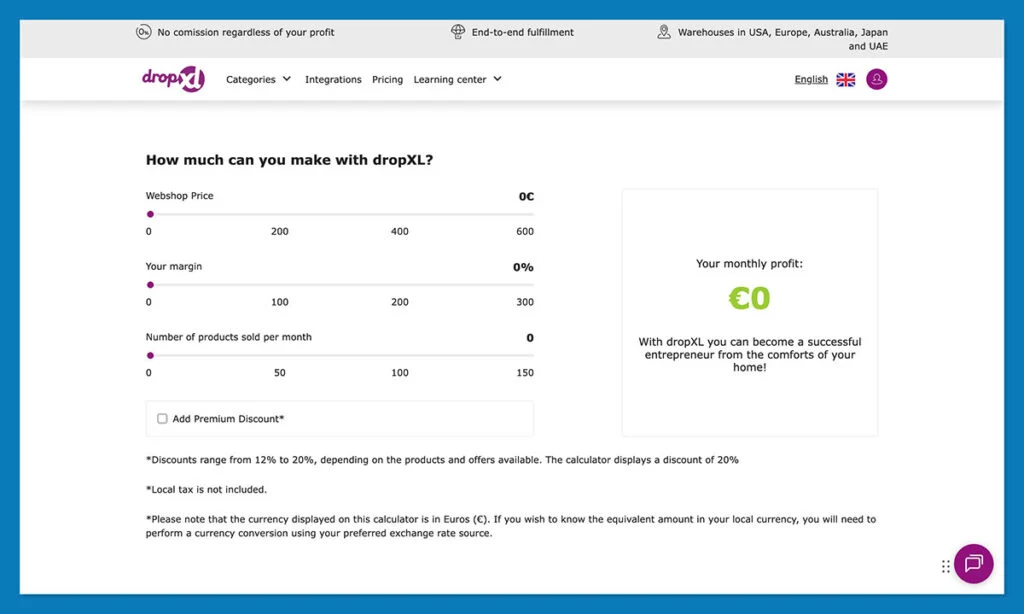
dropXL emerges as a strong contender, particularly for the home and furniture niche. It provides access to an extensive catalog of vidaXL products across numerous countries, supported by a vast distributor network. While dropXL offers free registration for dropshipping accounts, a monthly fee of £30 is applicable for selling products. Consequently, thorough research into product suitability and customer demand is imperative before committing to this subscription. On the positive side, dropXL does not impose commission fees. The monthly fee grants access to product feeds, APIs, educational resources, and assistance with returns management.
Step 5: Organic Promotion Strategies
Once products and suppliers are secured and integrated with the chosen platform, the focus shifts to promotion. A robust organic marketing strategy is essential for generating visibility without incurring advertising costs.
Content Marketing and Social Media Engagement
A comprehensive content strategy encompassing both the e-commerce website and social media channels is paramount. Website content should feature high-quality product images and detailed descriptions that proactively address potential customer queries regarding delivery timelines, return policies, and package contents. Creating valuable content, such as articles offering guidance on product selection or comparative product analyses, can further enhance customer engagement.
Social media platforms present an invaluable opportunity to showcase products. If budget allows for product samples, creating engaging video content for platforms like TikTok, Instagram, Facebook, and YouTube can provide tangible product demonstrations. In the absence of samples, a direct approach focusing on answering customer questions through detailed videos about product materials or assembly instructions can be equally effective.
Engaging in relevant online communities, such as Reddit forums where potential customers actively seek product recommendations, can drive traffic. For businesses with their own websites, implementing an email capture strategy is crucial for building a customer database. Offering an initial discount in exchange for an email subscription is an effective method for nurturing leads and encouraging repeat business.
Step 6: Data-Driven Growth and Optimization
As sales begin to materialize, a cautious and analytical approach to business expansion is advised. Instead of immediately investing heavily in premium website themes or paid advertising, the priority should be to identify and amplify successful strategies.
Analyzing Performance Metrics for Informed Decisions
Key performance indicators (KPIs) to monitor include product view counts, order volumes, and revenue generated after accounting for fees. Analyzing the reasons behind product returns and customer complaints is essential for identifying areas for improvement, whether it involves refining product offerings or enhancing pre-purchase information. Understanding customer acquisition channels is also vital for optimizing marketing targeting.
Once a clear understanding of what is performing well is established, strategic expansion can commence. This might involve adding complementary products to the catalog, based on existing customer purchasing patterns, or allocating a modest budget to promote the store, leveraging positive customer reviews and testimonials.
Strategic Reinvestment for Sustainable Growth
It is prudent to defer significant investments in expensive marketing campaigns and premium platform tiers until a consistent income stream is established. This phased approach ensures that reinvestment is aligned with demonstrated business performance, minimizing financial risk and maximizing the potential for sustainable growth.
Common Pitfalls to Avoid in Zero-Budget Dropshipping
Navigating the initial stages of dropshipping without capital requires vigilance against common missteps that can derail progress.
- Perpetuating a $0 Budget: While a zero-initial-cost launch is feasible, a business cannot operate indefinitely without any financial outlay. Eventually, expenses for suppliers, payment processing, website maintenance, and marketing will become necessary.
- Overly Ambitious Catalog Size: Launching with an expansive product catalog can preclude the use of certain free e-commerce platforms and create an overwhelming administrative burden during the critical validation phase.
- Neglecting Delivery Logistics: Despite the supplier being responsible for fulfillment, active monitoring of delivery processes is essential. This includes ensuring order tracking, proactively communicating potential delays to customers, and efficiently resolving any delivery-related issues.
- Plagiarism of Supplier Descriptions: While supplier-provided product descriptions offer a starting point, they must be rewritten to resonate with the target audience and provide essential purchasing information.
- Underestimating Customer Service: The quality of customer support can be a significant differentiator. Establishing clear channels for customer inquiries and issue resolution is paramount.
- Forgetting Marketing: Even with an exceptional product selection and a well-designed website, customers need to discover the business. Consistent marketing efforts, such as a content calendar, should be maintained even after sales begin.
The Path to Sustainable Dropshipping Success
While a completely fee-free dropshipping business model is not sustainable in the long term, a $0 initial investment is a realistic starting point. By strategically leveraging earned revenue, entrepreneurs can progressively fund future growth. The most effective approach involves identifying a specific niche, partnering with a reputable supplier, and focusing on organic promotional strategies. dropXL, with its extensive product range, particularly in the burgeoning furniture market, reliable delivery, and return management support, represents a compelling option. By maximizing free promotional channels and meticulously analyzing performance data, entrepreneurs can intelligently allocate resources as the business matures, paving the way for sustained success.