Meta Platforms has recently showcased a suite of innovative video capture modes and device-specific editing capabilities for its artificial intelligence-enabled glasses, primarily through examples shared on Instagram. These new functionalities, designed to enhance the creative potential for users, arrive at a critical juncture for the tech giant, which is simultaneously grappling with a burgeoning wave of negative sentiment and regulatory investigations stemming from privacy concerns surrounding the devices. The core issue revolves around reports of users recording individuals without their explicit consent, a practice exacerbated by allegations of individuals tampering with the glasses’ recording indicator light.
The newly introduced features aim to redefine hands-free content creation, offering users more immersive and dynamic ways to capture and share their experiences. One prominent addition is Spin View, an innovative mode that allows viewers to experience a more expansive perspective of videos captured via AI glasses. By physically turning their viewing device, users can virtually "look around" within the captured footage, effectively extending the video frame beyond its initial confines. This unique capability promises a more true-to-life and interactive viewing experience, potentially unlocking new creative avenues for content creators who seek to offer a broader, more immersive context to their audience. Imagine a panoramic scene captured through the glasses, where a simple tilt of the phone reveals more of the horizon or the bustling crowd, making the viewer feel more present in the moment.
Another significant enhancement is Multi-Cam, a feature designed to seamlessly synchronize video streams from both the user’s smartphone and their Meta AI glasses. This dual-perspective capability allows audiences to witness events from two distinct vantage points simultaneously, fostering a richer and more engaging storytelling experience. For instance, a creator could capture a wide shot of a concert through their phone while their glasses record a close-up of the lead singer, offering viewers a comprehensive and dynamic portrayal of the event. This simplified multi-view setup eliminates the need for complex post-production synchronization, making professional-grade content creation more accessible to a wider user base. The potential applications range from sports commentary, where multiple angles provide a holistic view of the action, to travel vlogging, offering both the wide-angle beauty of a landscape and the personal perspective of the explorer.
Complementing these capture modes, Meta has also integrated glasses-specific editing tools directly within the Instagram application. These dedicated functionalities provide users with more intuitive and tailored options to refine and modify content recorded through their AI glasses. From basic trims and filters to more advanced adjustments optimized for the unique lens and aspect ratio of the wearable device, these tools streamline the editing workflow, enabling users to polish their creations directly within the platform where they are most likely to share them. Meta had initially previewed these features in June, signaling a steady rollout aimed at bolstering the value proposition for early adopters and potential new users of its smart glasses.

Background and Chronology of Meta’s Smart Glasses Initiative
The Ray-Ban Meta Smart Glasses, developed in collaboration with EssilorLuxottica, were officially launched in September 2023. These devices represent a significant step in Meta’s long-term vision for the metaverse, serving as a foundational piece of wearable technology that bridges the digital and physical worlds. The glasses are equipped with a suite of functionalities beyond simple photo and video capture, including an integrated AI assistant, hands-free calling and messaging, and high-quality audio playback via open-ear speakers. They are designed to allow users to interact with their digital environment and capture moments seamlessly without pulling out their smartphone, embodying Meta’s ambition to make technology more intuitive and integrated into daily life.
From their initial release, Meta emphasized features like hands-free live streaming to Instagram and Facebook, integrated Meta AI for voice commands, and improved camera quality compared to their predecessor, the Ray-Ban Stories. The company positioned these glasses as a tool for "authentic" and "in-the-moment" content creation, fostering a sense of presence and connection for both the wearer and their audience. The integration with Meta’s vast social media ecosystem was a strategic move, aiming to leverage existing user bases and content creation habits.
However, the journey of smart glasses has been fraught with challenges, particularly concerning privacy. The precedent for public apprehension dates back to Google Glass in the early 2010s, which faced widespread criticism and earned the pejorative nickname "glassholes" due to concerns about surreptitious recording. These historical anxieties resurfaced with Meta’s latest iteration of smart glasses, intensifying as reports of misuse began to emerge shortly after their launch.
The Escalating Privacy Controversy and Misuse Reports

Despite Meta’s efforts to incorporate privacy-by-design features, such as a visible LED indicator light that illuminates when the glasses are recording, the company has faced significant challenges in ensuring responsible usage. The most alarming reports indicate that some users have found ways to deactivate or obscure this crucial recording light, effectively allowing them to film individuals covertly. This tampering bypasses a fundamental safeguard designed to provide transparency and inform those being recorded.
Multiple independent investigations and media reports have highlighted these incidents. For instance, a CBS News report detailed instances where victims discovered videos of themselves, captured without their knowledge or consent, uploaded to various online platforms. Such incidents not only constitute a profound invasion of privacy but also erode public trust in wearable technology and the companies behind them. The ability to secretly record and share personal moments creates a chilling effect, fostering an environment of suspicion and discomfort, particularly in public spaces where individuals expect a reasonable degree of anonymity.
Meta has publicly acknowledged these concerns. In previous statements, the company has indicated that it is actively working to address issues related to tampering with the recording indicator. This includes exploring potential software or hardware countermeasures, though the technical feasibility and effectiveness of such measures remain subjects of ongoing debate. The company’s commitment to user education and promoting responsible use guidelines has also been reiterated, urging users to respect privacy and adhere to local laws. However, the inherent difficulty in controlling user behavior, particularly when physical modifications are involved, presents a formidable challenge for any technology provider.
Regulatory Scrutiny and Legal Ramifications
The growing chorus of privacy complaints has not gone unnoticed by regulatory bodies across the globe. Several regions have initiated investigations into Meta’s AI smart glasses, examining their compliance with data protection laws and assessing the adequacy of privacy safeguards. For instance, data protection authorities in the United Kingdom and various states in the United States have reportedly launched probes into the devices.

These investigations typically focus on several key areas:
- Informed Consent: Do the glasses adequately ensure that individuals being recorded provide informed consent, especially in public settings?
- Data Handling: How is the captured data stored, processed, and shared by Meta? Does it comply with regulations like GDPR in Europe or state-specific privacy laws in the US?
- Privacy by Design: Are the privacy safeguards, such as the recording indicator light, robust enough and resistant to tampering?
- Risk Assessment: Has Meta conducted thorough privacy impact assessments and taken appropriate measures to mitigate identified risks?
The potential legal ramifications for Meta could be significant, ranging from substantial fines for non-compliance with data protection regulations to mandates for design changes that further enhance privacy. Furthermore, individual users who engage in non-consensual recording could face legal action for harassment, voyeurism, or violation of privacy rights, depending on local jurisdiction. The ongoing regulatory scrutiny underscores a broader global trend of increased oversight on technology companies, particularly those developing products that have the potential for widespread data collection and surveillance.
Public Backlash and Activist Campaigns
Beyond official investigations, public sentiment has also turned increasingly negative. Social media platforms, ironically, have become a hub for discussions and protests against the perceived invasiveness of AI glasses. Activist groups are actively campaigning against the devices, highlighting the erosion of privacy in public spaces.
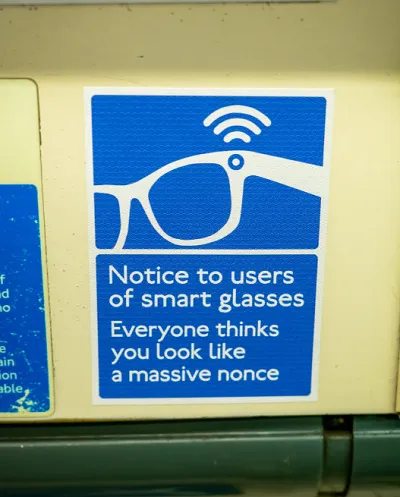
A notable example comes from the "Radical Graffiti" group, which has initiated an awareness campaign in the London Underground. They have been displaying anti-AI glasses posters, featuring stark imagery and direct messages warning commuters about the potential for being unknowingly recorded. These posters serve as a visible manifestation of public anxiety, aiming to inform and mobilize citizens against what they view as a dangerous technological encroachment on personal freedoms. The campaign leverages public spaces to amplify its message, mirroring the very omnipresence that privacy advocates fear from wearable recording devices.

These protests tap into a deeper societal concern about the surveillance economy and the increasing difficulty of maintaining personal privacy in an age of ubiquitous computing. The "techlash" phenomenon, characterized by growing public distrust and criticism of large technology companies, finds fertile ground in the debate surrounding AI glasses. The fear isn’t just about being recorded, but about the implications for data ownership, algorithmic surveillance, and the potential for misuse of personal footage.
Meta’s Balancing Act: Innovation vs. Ethics
Meta finds itself in a precarious position, attempting to balance its ambitious drive for technological innovation with the critical need to address legitimate ethical and privacy concerns. The company’s metaverse vision, which relies heavily on immersive and interconnected experiences facilitated by devices like smart glasses, demands a high degree of user trust and acceptance. Without it, mass adoption of such technologies will remain elusive.
In response to the backlash, Meta has reiterated its commitment to working with privacy experts, regulators, and the public to ensure responsible development and deployment of its products. This includes ongoing efforts to educate users about the features and limitations of the glasses, emphasize the importance of consent, and provide resources for reporting misuse. The challenge, however, is formidable. The very nature of a discreet, hands-free recording device creates a tension with the principle of informed consent, especially in dynamic public environments.
The commercial success of the Ray-Ban Meta Smart Glasses, and by extension, Meta’s broader wearable tech strategy, hinges on its ability to effectively navigate this ethical minefield. While the company has not reported any direct impact on sales figures as a result of these controversies thus far, sustained negative publicity and regulatory pressure could undoubtedly deter potential consumers and slow the adoption curve. Building trust is a long-term endeavor, and once eroded, it is exceptionally difficult to regain.

Broader Impact and Implications for Wearable AI
The situation surrounding Meta’s AI glasses has profound implications for the future of wearable artificial intelligence and the broader tech industry.
- Future of Wearable Tech: The controversies serve as a stark reminder that technological advancement, particularly in areas touching personal data and privacy, must be accompanied by robust ethical frameworks and transparent communication. The path to mass adoption of smart glasses and other wearable AI devices will likely be paved with stricter regulations, more prominent privacy features, and a greater emphasis on user education. Companies developing such technologies will need to proactively anticipate and mitigate privacy risks, rather than reacting to public outcry.
- Regulatory Landscape: The investigations into Meta’s glasses could set precedents for how future wearable devices are regulated globally. This might lead to new standards for recording indicators, consent mechanisms, data retention policies, and accountability for platform providers. Regulators are increasingly taking a proactive stance to protect consumer rights in the digital age, and wearable AI is a new frontier for such oversight.
- Public Perception and Trust: The ongoing debate will undoubtedly shape public perception of AI and smart devices. If concerns about surveillance and misuse persist, it could foster a general distrust of integrated AI technologies, making it harder for companies to innovate and gain market acceptance. Conversely, if Meta and other tech giants can demonstrate a genuine commitment to privacy and successfully implement effective safeguards, it could help rebuild trust and pave the way for a more seamless integration of AI into daily life.
- Innovation vs. Ethics Dilemma: The situation highlights the perennial dilemma faced by tech companies: how to innovate rapidly while upholding ethical responsibilities. The pursuit of groundbreaking features must not come at the expense of fundamental rights like privacy. This requires a shift in mindset, embedding ethical considerations from the very inception of product design rather than treating them as afterthoughts.
In conclusion, Meta’s introduction of advanced video capture and editing features for its AI glasses represents a significant step forward in wearable technology, promising more dynamic and immersive content creation. However, these innovations are overshadowed by a deepening crisis of trust fueled by widespread reports of non-consensual recording and the alleged tampering with privacy safeguards. As regulatory bodies intensify their investigations and public protests gain momentum, Meta faces the critical challenge of demonstrating its commitment to user privacy while simultaneously championing its vision for an AI-integrated future. The ultimate success of its AI glasses, and indeed the broader acceptance of wearable AI, will hinge on its ability to effectively address these profound ethical concerns and rebuild public confidence in its technology. The outcome of this ongoing struggle will not only define the trajectory of Meta’s hardware ambitions but also significantly influence the future landscape of privacy in the age of ubiquitous smart devices.