In the rapidly evolving digital landscape, social listening has transcended its traditional role as a mere brand monitoring tool, emerging as a critical engine for lead generation, particularly for enterprise-level businesses. This strategic approach involves meticulously observing online conversations to identify individuals or organizations actively expressing interest in products or services, signaling a potential buying intent. By leveraging sophisticated tools and methodologies, enterprise teams can swiftly identify questions, articulate problems, and discern early buying signals that indicate a prospective customer, enabling faster outreach and accelerating the sales cycle.
The Strategic Imperative: Why Social Listening is Pivotal for Enterprise Lead Generation

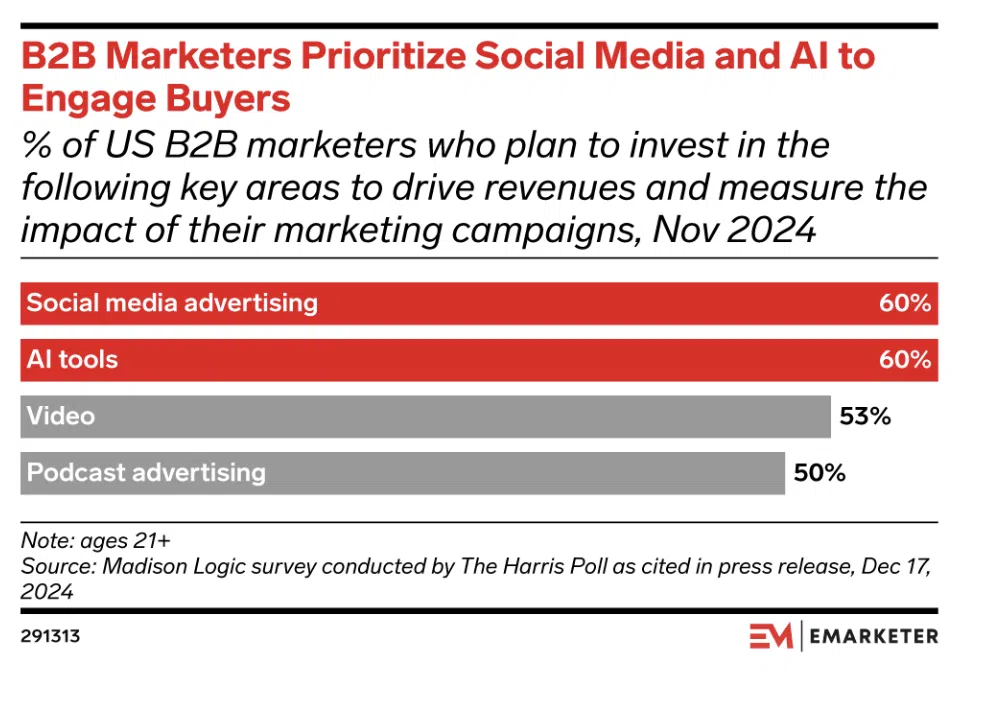
The shift in B2B buyer behavior marks a significant departure from traditional sales funnels. Forrester reports that social media platforms are now the second most meaningful source of information for B2B buyers, underscor underscoring the necessity for businesses to engage where their audience actively researches and discusses solutions. This transformation is not merely anecdotal; it’s reflected in marketing budget allocations. According to eMarketer, a substantial 60% of US B2B marketers planned to increase their investment in both social media advertising and AI tools, a testament to the growing recognition of social channels as fertile ground for lead generation.
Social listening empowers enterprise businesses to not only increase the volume of qualified leads but also to refine their marketing strategies with unparalleled precision. By tracking real-time conversations across diverse social platforms, companies gain profound insights into customer needs, pain points, and preferences. This data allows for the tailoring of marketing messages and product offerings to resonate directly with expressed demands. Furthermore, it introduces an unprecedented level of agility to sales teams. Instead of passively waiting for a form submission or an inbound inquiry, sales professionals can proactively engage the moment a potential customer vocalizes a need or asks for assistance online. This proactive engagement drastically reduces the "speed to lead," a critical factor in conversion rates. Organizations that effectively integrate social listening often report higher confidence in measuring their social media ROI, transforming social activities from nebulous brand-building efforts into quantifiable revenue drivers.
Beyond the Basics: Distinguishing Lead-Gen Listening from Brand Monitoring

While both social listening and brand monitoring involve tracking online conversations, their objectives and applications diverge significantly. Brand monitoring, often referred to as social monitoring, functions primarily as a safety net for a business. Its focus is on understanding public sentiment surrounding a brand, products, or industry, allowing companies to react to reputational shifts, manage crises, and track general brand health. It’s largely reactive and focused on reputation management and customer service.
Lead-generation listening, however, is inherently sales-oriented and proactive. While it also tracks conversations around a brand or industry, its fundamental motivation is to unearth qualified sales opportunities. It’s about actively seeking out individuals who exhibit explicit or implicit intent to purchase. A quick way to differentiate: brand monitoring answers "What are people saying about us?" while lead-gen listening answers "Who needs what we sell, right now?" This distinction is crucial for resource allocation and strategic focus, ensuring that efforts are channeled towards direct revenue generation.
Comparative Advantage: Social Listening vs. Traditional Lead Generation Methods
Social listening doesn’t replace existing lead generation channels; rather, it complements them by addressing a crucial gap: identifying intent before a prospect formally raises their hand. When compared to other established methods, social listening offers distinct advantages:
- Cold Outreach & Email: While scalable, cold outreach often suffers from low signal quality as intent is assumed rather than expressed. Conversion rates can be low, and the speed to lead is dependent on reply rates.
- Paid Social Ads: Offers faster lead generation once campaigns are live, and interest is inferred from targeting. However, costs rise with scale, and the signal quality, while moderate, isn’t as explicit as a direct problem statement.
- Gated Content & Landing Pages: Provides moderate to high signal quality as a form fill indicates some intent. Yet, it’s a passive approach where the buyer dictates the conversion timeline, and content production costs can be substantial.
In contrast, social listening provides the earliest and most specific signals. Buyers articulate their problems in their own words, offering rich context. Response can be nearly instantaneous, often within the same day. It’s also highly cost-efficient, requiring no direct media spend, and with the right tools, highly scalable. This unique combination makes it an indispensable component of a modern enterprise sales strategy.
Key Arenas for Buying Signals: Where to Listen

The most potent buying signals manifest wherever individuals publicly research purchases. For most enterprise teams, this predominantly includes professional networks like LinkedIn and X (formerly Twitter), alongside more unfiltered communities such as Reddit, niche industry forums, and review sites. Each platform offers a unique lens into buyer intent, necessitating a tailored approach to keyword and query development.
- LinkedIn and X (B2B Buying Signals): These platforms are goldmines for B2B insights. LinkedIn, in particular, serves as a digital town square where decision-makers openly discuss business challenges, operational hurdles, and technology needs. Posts and comment threads frequently reveal details such as the specific tools being considered for replacement, budget cycles, and the departmental teams grappling with particular issues. This granular context is invaluable for sales teams, offering a depth of understanding rarely found in conventional lead generation. X, with its real-time, conversational nature, allows for rapid identification of trending industry challenges and immediate feedback on competitor offerings.
- Reddit, Industry Forums, and Review Sites (Unfiltered Intent): These platforms offer raw, authentic insights. Users here often seek recommendations without the perceived presence of a salesperson, leading to blunt language and unequivocal expressions of intent. On Reddit, subreddits dedicated to specific industries or product categories are rife with users asking for candid advice, comparing solutions, or venting frustrations. Similarly, niche forums provide a focused environment for professionals to discuss specific tools, best practices, and challenges. Review sites, while often post-purchase, offer invaluable competitive intelligence, highlighting competitor weaknesses that a company’s product might address. Strategic listeners prioritize platforms where competitors face public complaints and where target buyers actively seek advice.
Decoding Intent: What Buying Signals to Track
Effective social listening for lead generation hinges on identifying specific linguistic cues and behavioral patterns that signify potential customer interest. These buying intent signals are often embedded within everyday online posts and conversations. When a user explicitly asks for a tool recommendation, expresses dissatisfaction with a competitor, or describes a problem that a company’s product is designed to solve, that individual becomes a prime candidate for outreach. Moreover, monitoring influencers and early adopters in a given space is critical, as their discussions often prefigure broader market needs.
Key types of lead signals to meticulously track include:
-
Questions and Product Searches in Your Category: This involves actively searching for individuals seeking help or advice related to a company’s product category or the broader industry. Shopping-related language is equally important, as it directly indicates active research. Examples include "Looking for a robust CRM solution," "Any recommendations for project management software?", "What are the best cybersecurity tools for small businesses?", or "Trying to find an affordable alternative to [competitor product]." Hashtags like #MarketingAutomation or #CloudSolutions can serve as discovery filters, but the core signal lies in the question itself.
-
Pain Points and Frustrations: These are explicit expressions of problems that a company’s product is designed to alleviate. Listen for phrases such as "Our current software is too slow," "I’m constantly struggling with [specific workflow issue]," "My team can’t keep up with manual data entry," or "There has to be a better way to manage [task]." A compelling example of leveraging this signal involved a brand identifying a surge in complaints about a competitor’s long wait times. This insight spurred a "No-Wait Guarantee" campaign, which significantly boosted website traffic and new customer sign-ups, as detailed in a recent Social Media Trends report.

-
Competitor Mentions and Comparisons: Individuals comparing tools or vocalizing discontent with a competitor are warm leads, indicating active evaluation and a potential readiness to switch. Track comments like "Thinking about switching from [competitor X]," "Does [product Y] offer better features than [product Z]?", "Frustrated with [competitor’s] customer service," or "Looking for alternatives to [competitor] that can do [specific function]." Such mentions offer direct opportunities to interject with a superior solution.
-
Industry Conversations and Emerging Themes: Broader industry discussions can unveil nascent needs or recurring challenges that a product can address. These conversations often precede direct product searches. Pay attention to comments such as "The biggest challenge in [industry] right now is [problem]," "How are others handling [new regulation/trend]?", "What’s the future of [technology/market]?", or "I wish there was a tool that could [solve emerging problem]." Frequent repetition of certain themes – be it questions, feature requests, or frustrations – indicates market-level demand. The engagement around these posts, such as others agreeing or sharing similar experiences, amplifies their significance as a follow-up signal.
The Calculus of Conversion: Scoring and Prioritizing Social Leads

Not all signals are created equal. To avoid chasing every mention and ensure focus on truly promising prospects, enterprise teams must implement a robust lead scoring and prioritization framework. This framework typically evaluates leads based on the clarity of expressed need, the perceived urgency, and the influence the individual holds over a purchasing decision.
Sarah Stephenson, Director of Social Media at TMP, highlights that "Repeated engagement around the same challenge is another strong signal, as it shows an active problem rather than passive interest." Furthermore, incorporating sentiment analysis adds another crucial layer, as frustration directed at an existing vendor often indicates a higher propensity to convert than mere neutral curiosity.
A practical scoring model could involve four key criteria:

- Clarity of Intent: How explicitly has the individual stated a need or problem?
- Urgency: Is there a timeline or immediate need expressed?
- Influence: Does the individual’s profile suggest they are a decision-maker or influential within their organization?
- Fit: Does the individual or their organization align with the ideal customer profile?
This structured approach allows teams to categorize signals, from "Active Vendor Evaluation" (high intent, immediate sales routing) to "General Category Interest" (low intent, log for audience insight). Monthly calibration of these thresholds ensures the system remains responsive to evolving market dynamics and team learning.
Building the Engine: Setting Up an Enterprise Social Listening Program
Implementing a lead-generation social listening setup can be surprisingly swift, often achievable within a single afternoon, but requires meticulous planning and execution for enterprise scale. The process typically unfolds in five distinct steps:
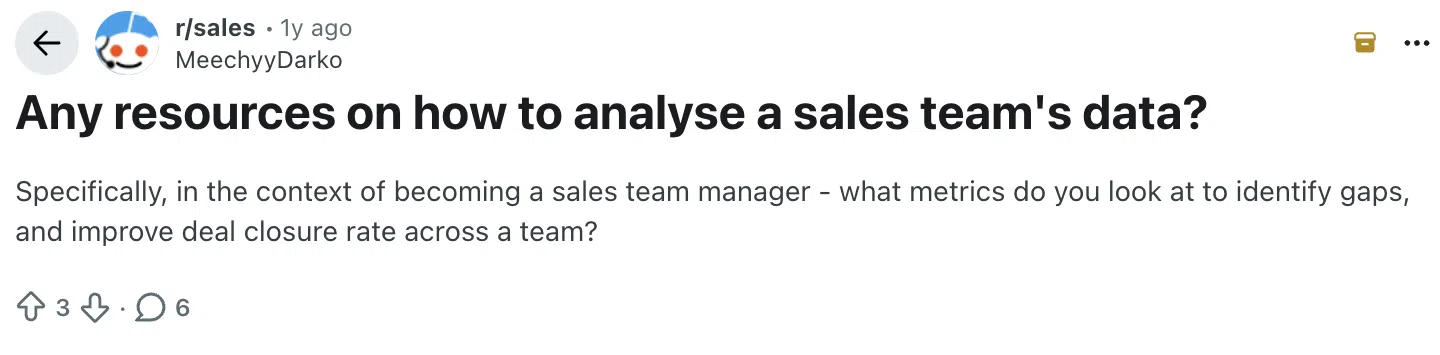
- Define Your Ideal Lead Profile and Map Signals: Begin by deeply understanding your most successful existing customers. Document their roles, industries, company sizes, and the core problems that compel them to seek solutions. Crucially, translate these problems into the actual language and keywords they would use online. This ensures that listening efforts are hyper-focused on genuinely relevant conversations.
- Choose Platforms and Set Up Keyword Tracking: Select the two to three platforms where your target buyers are most likely to conduct public research and express needs. Develop comprehensive query lists encompassing competitor names, specific category terms, common pain point phrases, and recommendation-seeking language. It is equally important to include negative keywords and exclusions early on to filter out irrelevant noise such as job postings, news articles, or general chatter.
- Build Alert Rules for High-Intent Signals: Not every social mention warrants an immediate notification. Configure real-time alerts exclusively for high-intent signals, such as explicit competitor switching language or direct vendor evaluations. Less urgent but still valuable mentions can be reviewed on a daily or weekly cadence, ensuring critical opportunities are never missed.
- Create a Tagging and Routing Workflow: Before the first lead lands, establish clear ownership for different signal types. Agree on a concise set of tags (e.g., "product interest," "urgent," "competitor complaint") to maintain data hygiene and streamline reporting as lead volume grows. This ensures that every potential lead is directed to the appropriate team member for follow-up.
- Connect to Your CRM and Set Handoff Protocols: Seamless CRM integration is paramount for transforming social finds into trackable sales opportunities. Define precisely what information should be logged (e.g., original post, context, user profile, sentiment), who is responsible for the initial response, and the maximum time allowed for action. Adhering to these protocols is critical for operational efficiency and lead conversion.
Best Practices: From Signal to Sustainable Pipeline
Sarah Stephenson, a seasoned expert in social media for enterprise, offers invaluable insights into optimizing this process:
- Listen for Problems, Not Just Brand Mentions: A common pitfall for many brands is an overemphasis on tracking their own name. Stephenson argues that "Brands often focus too heavily on brand keywords, but the real opportunity is in the pain points… the questions, the frustrations, the comparisons, and the ‘how do I…?’ moments." These queries reveal unmet needs much earlier in the buying journey than direct brand tags, offering a richer vein of insight into audience challenges.
- Weigh Intent and Context Together: Raw keywords alone are insufficient. Stephenson stresses that "Context matters as much as the keyword. Who is asking and why they are asking is critical, and it’s often something that is overlooked." The strongest signals combine clear intent with situational clues, such as phrases like "We’re evaluating," "We need a new solution," or "Does anyone have any recommendations?" coupled with indicators of decision-making influence or time-bound language (e.g., "this quarter," "ASAP").
- Respond with Value, Not a Pitch: In an era where 73% of B2B buyers actively avoid irrelevant outreach (Gartner), a direct sales pitch in response to a social signal can be detrimental. Stephenson advises: "Lead with help, not a pitch. Think about what is in it for your customer, rather than for you." Engagement should occur directly on the platform where the conversation is happening, but only if it adds meaningful value – relevant insights, helpful resources, or expert perspective. "You need to build the trust first, conversion second," she notes.
- Make Listening a Daily Habit and Align with Sales: Effective lead generation through social listening is not a weekly task; it’s a continuous, daily discipline. Stephenson recommends "daily scanning of high-intent keywords and relevant comment threads, combined with weekly reviews to identify emerging themes and recurring pain points." Crucially, regular check-ins with sales and demand generation teams are essential to determine where a prospect is in their buying journey. Without this alignment, social insights risk remaining interesting observations rather than actionable opportunities.
- Know When to Stay Quiet: Discipline also extends to understanding when not to engage. "Social listening isn’t just about spotting a keyword, it’s about understanding how people are talking, who’s driving the discussion, and what role a brand should (or shouldn’t) play in that moment," Stephenson explains. Jumping into a thread prematurely or with an overt sales message can damage credibility. "Listening means reading the room. Look at the platform norms, the sentiment, and the intent behind the comment… The brands that succeed know when to engage, when to add value quietly, and when to simply listen." Ultimately, Stephenson concludes, "Social listening isn’t a shortcut to leads, it’s more like a shortcut to relevance." And relevance, cultivated consistently, builds trust, fosters relationships, and drives sustainable revenue.
Operationalizing Leads: From Insight to Conversion

Converting listening insights into qualified leads requires a streamlined, efficient handoff process. When a high-intent post is identified, it must be tagged, assigned to the correct team member, logged in the CRM, and tracked through to conversion. This systematic approach ensures that nascent online conversations blossom into tangible sales opportunities.
Key elements of this operational framework include:
- Setting Up Workflows for Assignment and Nurturing: A clear follow-up path is essential. This includes defining lead qualification criteria, establishing escalation paths for urgent signals, creating templated responses for common inquiries, and developing nurturing sequences for leads not yet ready for direct sales engagement. Platforms like Hootsuite Social OS allow teams to assign posts and track ownership, eliminating confusion.
- Routing Signals to CRM or Sales Tools: Integrating social signals directly into the CRM ensures that all warm leads reside in a centralized system. This provides sales teams with critical context—the original social post, the expressed pain points, the user’s profile, and any prior interactions—enabling highly personalized and effective outreach. Tools like the Salesforce integration in Hootsuite facilitate this seamless data flow, ensuring sales reps have a holistic view of the customer without switching applications.
- Tracking and Measuring the Lead-to-Conversion Path: Automation plays a vital role in enabling rapid follow-up. AI-powered classifiers in customer care apps like Nest (within Hootsuite Social OS) can automatically tag and assign messages based on keywords, sentiment, or topic, ensuring potential leads are surfaced instantly. Critical KPIs for measuring success include signal-to-reply rate, time from signal to first contact, reply-to-meeting rate, and social-sourced pipeline value. Analytics tools within platforms like Hootsuite Social OS enable teams to measure this entire path, identifying which listening signals yield the best results and informing future strategy.
The AI Advantage: Scaling Social Listening for Enterprises

Artificial intelligence significantly enhances social listening for lead generation by overcoming the inherent limitations of human capacity. AI-powered tools can process vast volumes of online conversations, identifying and prioritizing the handful of posts that genuinely indicate buying intent. This transforms the task from manual scanning to reviewing an intelligently curated shortlist.
AI-powered insights make a difference in several critical areas:
- Automated Signal Detection: AI can identify subtle patterns and correlations that humans might miss in overwhelming data.
- Sentiment Analysis: Advanced AI can accurately gauge the emotional tone of a post, distinguishing between neutral, positive, and negative sentiment, crucial for prioritizing frustrated customers.
- Trend Identification: AI algorithms can spot emerging topics, product needs, and competitive shifts before they become widespread.
- Lead Scoring and Prioritization: AI can apply complex rules to automatically score leads based on multiple intent signals, urgency, and user profiles.
- Workflow Automation: AI can trigger automated actions, such as routing leads to specific sales representatives or initiating nurturing sequences.
While AI, through tools like Hootsuite’s Lumen for insights and Wisdom for prioritization, drastically improves efficiency, it does not replace human judgment. As Gartner projects, 75% of B2B buyers will still prefer sales experiences that prioritize human interaction over AI by 2030. AI’s role is to ensure that the most promising conversations reach a human sales professional in a timely manner, augmenting rather than supplanting human expertise.

Integrated Tools: The Ecosystem for Success
Enterprise teams require a sophisticated suite of social listening tools to effectively collect, sort, and act on social conversations that convert into customers. The most effective solutions integrate multiple functionalities into a single platform:
- Listening and Insights Tools: To track topics, keywords, pain points, and brand mentions.
- Engagement and Customer Care Platforms: To enable teams to reply to conversations and assign tasks within a unified inbox.
- CRM Systems: To store contact information, notes, and manage deal stages.
- Analytics Tools: To measure performance and prove the ROI of social listening efforts.
- AI Orchestration: To scan large volumes of conversations, summarize insights, and prioritize leads.
An integrated system like Hootsuite Social OS exemplifies this approach. An NBA team, for instance, utilized Hootsuite’s listening capabilities to centralize all fan conversations. With a single dashboard for listening, sentiment analysis, reporting, and benchmarking, the team gained the ability to spot trends earlier, adapt content faster, and measure results precisely. This led to a remarkable 46% increase in impressions and a 352% average increase in social video views across major platforms over previous seasons, showcasing the power of a unified approach.
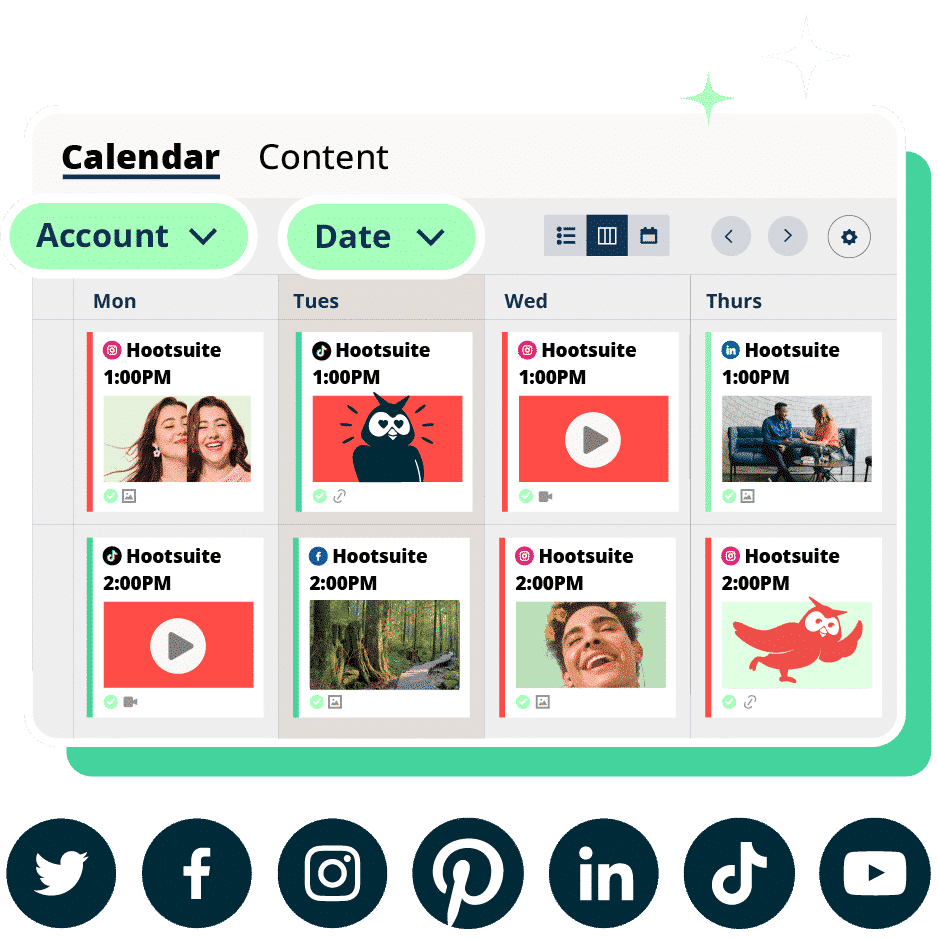
Hootsuite Social OS specifically aids enterprise lead generation by consolidating key conversations into a connected system, highlighting moments when a prospect signals a need. Teams can monitor pain points, competitor mentions, and relevant keywords across all social platforms without juggling multiple tools. Features like Lumen for keyword monitoring, Nest for conversation routing and assignment, and deep CRM integrations ensure a seamless flow from online insight to qualified lead, ultimately driving real business results.
Conclusion
Social listening for lead generation is no longer an optional add-on but a fundamental pillar of enterprise sales and marketing strategy. By proactively engaging with online conversations, identifying explicit and implicit buying signals, and leveraging advanced AI and integrated platforms, businesses can unlock new avenues for customer acquisition. The ability to understand customer needs in real-time, respond with contextual value, and integrate these insights seamlessly into existing sales workflows offers a significant competitive advantage. As the digital landscape continues to evolve, the enterprises that master the art and science of social listening will be best positioned to build trust, forge meaningful relationships, and drive sustainable revenue growth in 2025 and beyond.