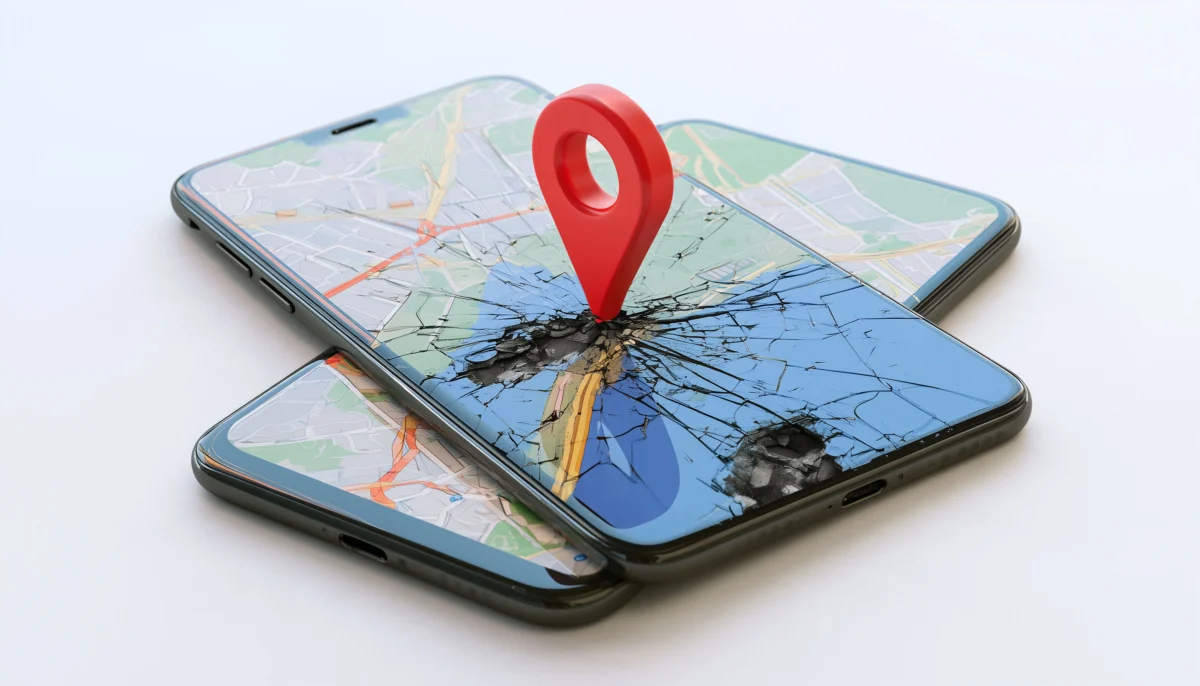
A pervasive and increasingly sophisticated scam is leveraging the Google Maps contributor program to upload AI-generated images containing fraudulent phone numbers, thereby diverting calls intended for legitimate businesses to malicious actors. This deceptive tactic, affecting potentially hundreds of Google Business Profile (GBP) listings, exploits a vulnerability in Google’s content moderation system, leading to significant frustration among businesses and local search professionals who report a lack of effective response from Google.
The Deceptive Tactic Unveiled
The core of this scam involves malicious contributors, often operating under seemingly innocuous profiles, uploading highly convincing AI-generated photographs to the Google Business Profiles of various companies. These images, designed to appear as authentic business-related content, subtly embed a phone number that does not belong to the actual business. Crucially, these fraudulent images are frequently displayed prominently on GBP listings, sometimes even usurping the position of a cover image or primary profile picture, making them easily visible to users. When a prospective customer searches for a business on Google Maps and sees what appears to be a legitimate phone number within a prominent image, they are inadvertently directed to a scammer instead of the intended service provider.
This technique, while not entirely novel in the landscape of online fraud, represents an escalation in sophistication due to the use of generative artificial intelligence. The ability to create a high volume of unique, plausible-looking images quickly and cheaply allows scammers to scale their operations across numerous business categories and geographical locations. Reports indicate that a single fraudulent contributor, such as one identified under the name "Jack Edward," has uploaded over 150 such images to unrelated businesses across the United States, all featuring the same incorrect phone number. This systematic approach suggests an organized effort to redirect a substantial volume of calls for illicit purposes.
The Mechanics of the Scam: How Fake Numbers Infiltrate Business Profiles
Google Maps relies heavily on user-generated content, a cornerstone of its "Local Guides" contributor program. This program incentivizes users to submit photos, reviews, and updates to business listings, aiming to enrich the platform’s data. While invaluable for keeping information current and comprehensive, it also presents an avenue for exploitation. Scammers register as contributors, often building up a basic profile to appear legitimate, and then upload their fabricated images. The AI-generated nature of these photos makes them difficult for automated systems to flag solely based on visual authenticity. The embedded phone numbers are designed to be visually integrated, blending into the image’s context (e.g., appearing on a sign, a vehicle, or even an employee’s uniform within the generated photo).
Upon upload, these images enter Google’s moderation queue. However, the sheer volume of content submitted daily to Google Maps, combined with the subtle nature of the embedded fraud, appears to overwhelm current detection mechanisms. Unlike overt spam or irrelevant content, these AI-generated images often pass initial checks because the image itself, sans the embedded number, might seem relevant to a business category (e.g., a photo of a roof for a roofing company). The critical element—the incorrect phone number—is either overlooked by automated filters or requires a level of contextual understanding that current AI systems struggle to achieve at scale.
A Growing Threat: Scale and Impact on Businesses and Consumers
The impact of this scam is multifaceted, harming both consumers and legitimate businesses. For consumers, the primary risk is being misled into contacting a fraudulent entity. This can lead to various outcomes, from receiving subpar or non-existent services, to being subjected to phishing attempts, identity theft, or financial scams. Users trust Google Maps to provide accurate, verified information, and this scam erodes that fundamental trust. The psychological impact of being scammed, coupled with potential financial losses, can be significant.
For businesses, particularly small and medium-sized enterprises (SMBs) that heavily rely on Google Maps for customer acquisition, the consequences are severe. A significant portion of their inbound leads can be siphoned away, directly impacting revenue and growth. Imagine a roofing company, plumber, or electrician whose primary source of new business comes from local search. If potential clients are calling a scammer instead, these legitimate businesses are not only losing immediate sales but also potentially suffering reputational damage if the scammer’s actions are mistakenly attributed to them. SEO professionals and business owners have reported that even after identifying these fraudulent images, their attempts to contact Google support have been met with generic, unhelpful responses, indicating a significant gap in the platform’s ability to address sophisticated, large-scale spam campaigns promptly. Naomi Stevens, a local SEO expert, detailed her frustration on LinkedIn, highlighting how Google’s support provided irrelevant "solutions" when she reported an AI-generated image with a fake number on her client’s roofing company GBP. Her experience underscores a systemic problem where manual reporting and even attempts to "bury" the fake image with legitimate ones prove ineffective.
Google Maps Contributor Program: A Double-Edged Sword
The Google Maps Local Guides program, launched in 2015, was conceived as a community-driven initiative to enhance the accuracy and richness of Google Maps data. With millions of contributors globally, Local Guides have added invaluable information, from new businesses and accessible routes to high-quality photos and detailed reviews. This crowdsourcing model has been instrumental in making Google Maps the indispensable navigation and local search tool it is today, boasting over a billion active users worldwide. Each day, billions of queries are processed through Google Maps, connecting users with local businesses, attractions, and services.
However, the very openness and scale that make the program powerful also expose it to abuse. While Google has implemented tiered systems, badges, and points to reward helpful contributions and deter spam, these measures are not foolproof. Malicious actors can exploit the system by creating numerous accounts or using existing ones to systematically upload misleading content. The current scam highlights a critical vulnerability: the difficulty in verifying the authenticity of user-submitted images, especially when sophisticated AI is employed to mask fraudulent intent.
The AI Factor: Elevating Scammer Sophistication
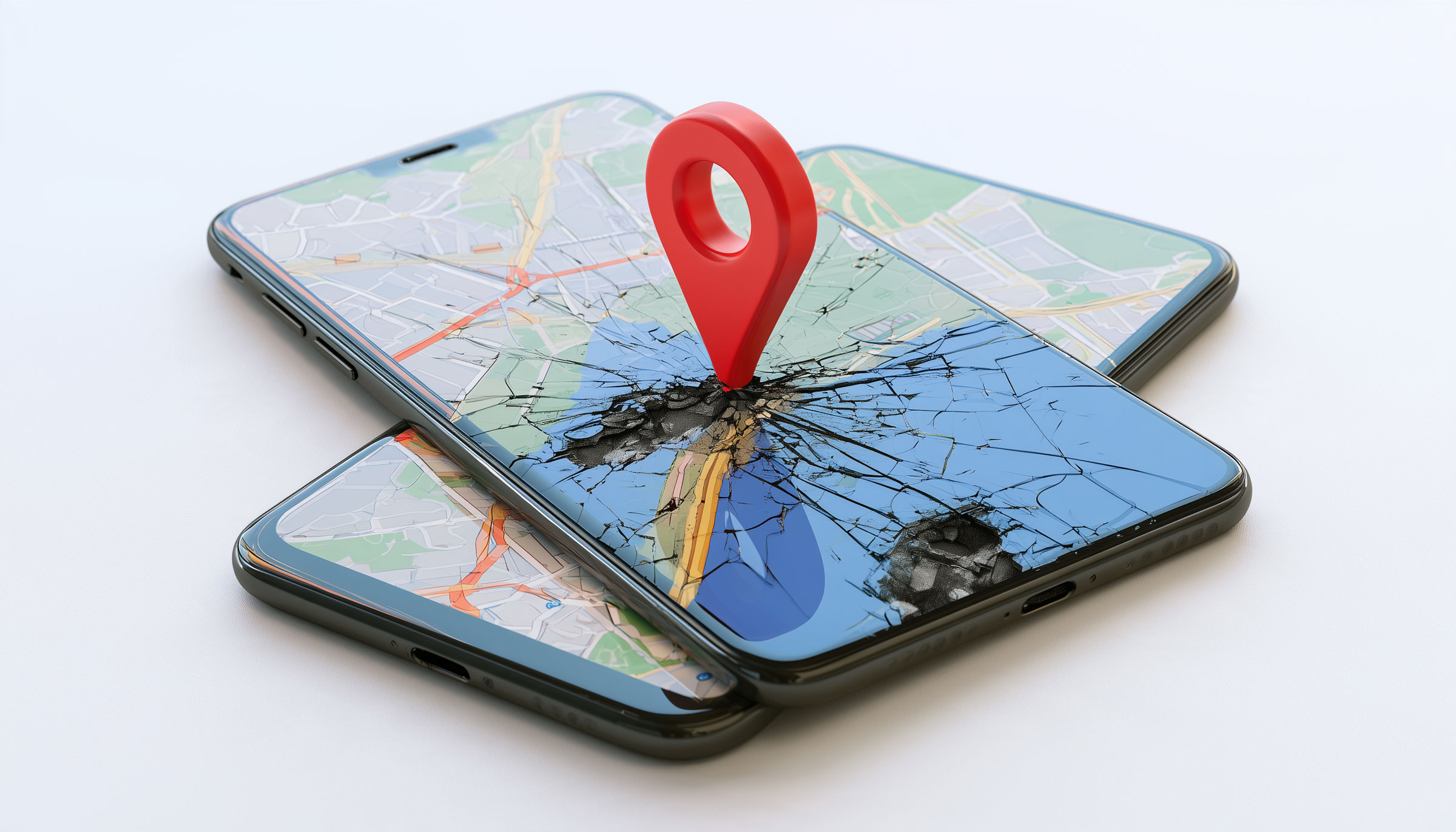
The emergence of readily accessible and powerful generative AI tools has significantly lowered the barrier for entry into sophisticated scam operations. Previously, creating a large volume of convincing fake images would require considerable artistic skill or a large team. Now, with tools like Midjourney, DALL-E, or Stable Diffusion, a single individual can generate hundreds or thousands of unique, high-quality images in a matter of hours. These AI models can produce images that mimic real-world photographs with remarkable accuracy, including specific business types, local aesthetics, and even text embedded within the images. This technological leap allows scammers to bypass traditional image recognition filters that might detect duplicate content or obvious visual anomalies. The subtle embedding of a phone number, often integrated naturally into the generated scene, makes manual detection a tedious and resource-intensive task for Google’s moderation teams, especially given the sheer volume of daily uploads. This represents a constant cat-and-mouse game, where AI’s advancements for creation are quickly matched by its exploitation for deception.
Struggles with Moderation: Reports Go Unanswered
The experience of Naomi Stevens and other local SEO professionals underscores a critical failure in Google’s current content moderation strategy. Despite clear evidence of systematic spam—a single contributor uploading over 150 images with the same fake phone number to unrelated businesses—Google’s automated support systems and human review processes appear to be inadequate. Receiving generic responses that do not address the specific issue is not only unhelpful but also deeply frustrating for businesses losing potential customers.
This situation points to several challenges for Google:
- Scale: Managing billions of pieces of user-generated content requires an immense moderation infrastructure.
- Sophistication: Detecting AI-generated fakes that are designed to look authentic requires advanced AI detection capabilities that are constantly updated.
- Prioritization: Google must prioritize its moderation efforts. Scams that subtly redirect calls might not trigger the same immediate flags as overtly illegal content, despite their significant economic impact.
- Human vs. AI Review: Striking the right balance between automated detection and human review is crucial. Automated systems can be fooled, while human review is expensive and slow at scale.
The current situation suggests that the balance is skewed, leaving sophisticated scams to persist due to insufficient human oversight or inadequately trained AI filters. The fact that the same phone number is consistently used across multiple fake images offers a clear opportunity for Google to implement a simple algorithmic detection: cross-reference phone numbers embedded in images against the official GBP numbers, and flag discrepancies. The apparent failure to do so quickly indicates a significant operational oversight.
Industry Professionals Sound the Alarm
The local search and SEO community has been vocal about this and similar issues, often acting as the first line of defense against Google Maps spam. Experts like Sam Sarsten, who amplified Naomi Stevens’ findings on LinkedIn, frequently share insights and warnings about evolving spam tactics. These professionals are not only responsible for optimizing their clients’ online presence but also for safeguarding their listings from fraudulent activities. Their frustration stems from the detailed reports they submit, often with screenshots and contributor profiles, being met with inaction.
These professionals advocate for more robust verification processes for contributors, faster response times for spam reports, and a more sophisticated AI-driven detection system that can analyze image content for embedded text and cross-reference it with official business data. They understand the intricacies of Google’s algorithms and the motivations of scammers, making their feedback invaluable. The collective outcry from this community serves as a crucial indicator that a serious problem is unfolding on one of the world’s most vital digital platforms.
Broader Implications: Trust, Revenue, and the Future of Local Search
The continuation of this AI-driven scam carries profound implications. Firstly, it erodes user trust in Google Maps. If users cannot rely on the phone numbers provided, even in seemingly legitimate images, the platform’s utility as a trusted source of local information diminishes. This could lead users to less convenient, albeit potentially more secure, methods of contacting businesses, such as direct website visits or third-party directories.
Secondly, the financial toll on legitimate businesses cannot be overstated. Lost leads translate directly into lost revenue, impacting profitability, job creation, and economic growth, particularly for SMBs who form the backbone of many local economies. The time and resources spent by businesses and their SEO partners attempting to resolve these issues further compound the losses.
Thirdly, this incident highlights the escalating challenge of content moderation in the age of generative AI. As AI tools become more accessible and powerful, the sophistication of online fraud will inevitably increase. Google, as a gatekeeper of vast amounts of information, faces an ongoing battle to maintain the integrity of its platforms against increasingly clever adversaries. The current scam serves as a stark reminder that even a tech giant with immense resources must constantly evolve its defenses.
The Path Forward: Calls for Enhanced Safeguards
Addressing this issue requires a multi-pronged approach from Google.
- Enhanced AI Detection: Google must develop and deploy more sophisticated AI models capable of identifying embedded text in images, comparing it against official GBP data, and flagging discrepancies. This includes sentiment analysis and contextual understanding to differentiate legitimate image content from fraudulent insertions.
- Improved Human Moderation: While AI is crucial, human oversight remains indispensable. Google needs to allocate more resources to its human moderation teams, particularly for handling escalated reports from verified businesses and local search professionals. A clear escalation path for complex spam cases is necessary.
- Contributor Program Review: The Local Guides program may need stricter verification processes for contributors, especially those uploading a high volume of images to unrelated businesses. This could involve more stringent identity verification or a tiered system where certain types of contributions require higher levels of trust.
- Transparency and Communication: Google should enhance communication with affected businesses and the broader local search community, providing clearer updates on efforts to combat such scams and offering more effective remedies.
- Proactive Scanning: Instead of solely reacting to reports, Google should implement proactive scanning of existing GBP images for embedded phone numbers that do not match the official listing. The "Jack Edward" case, where a single number was reused across 150+ listings, demonstrates the feasibility of such a scan.
In conclusion, the Google Maps AI-generated photo scam represents a significant threat to the integrity of local search and the financial well-being of countless businesses. It underscores the perpetual arms race between platform security and malicious actors, now amplified by the power of artificial intelligence. Google’s swift and decisive action is imperative not only to protect its users and business partners but also to reaffirm its commitment to maintaining the reliability and trustworthiness of its ubiquitous mapping service.