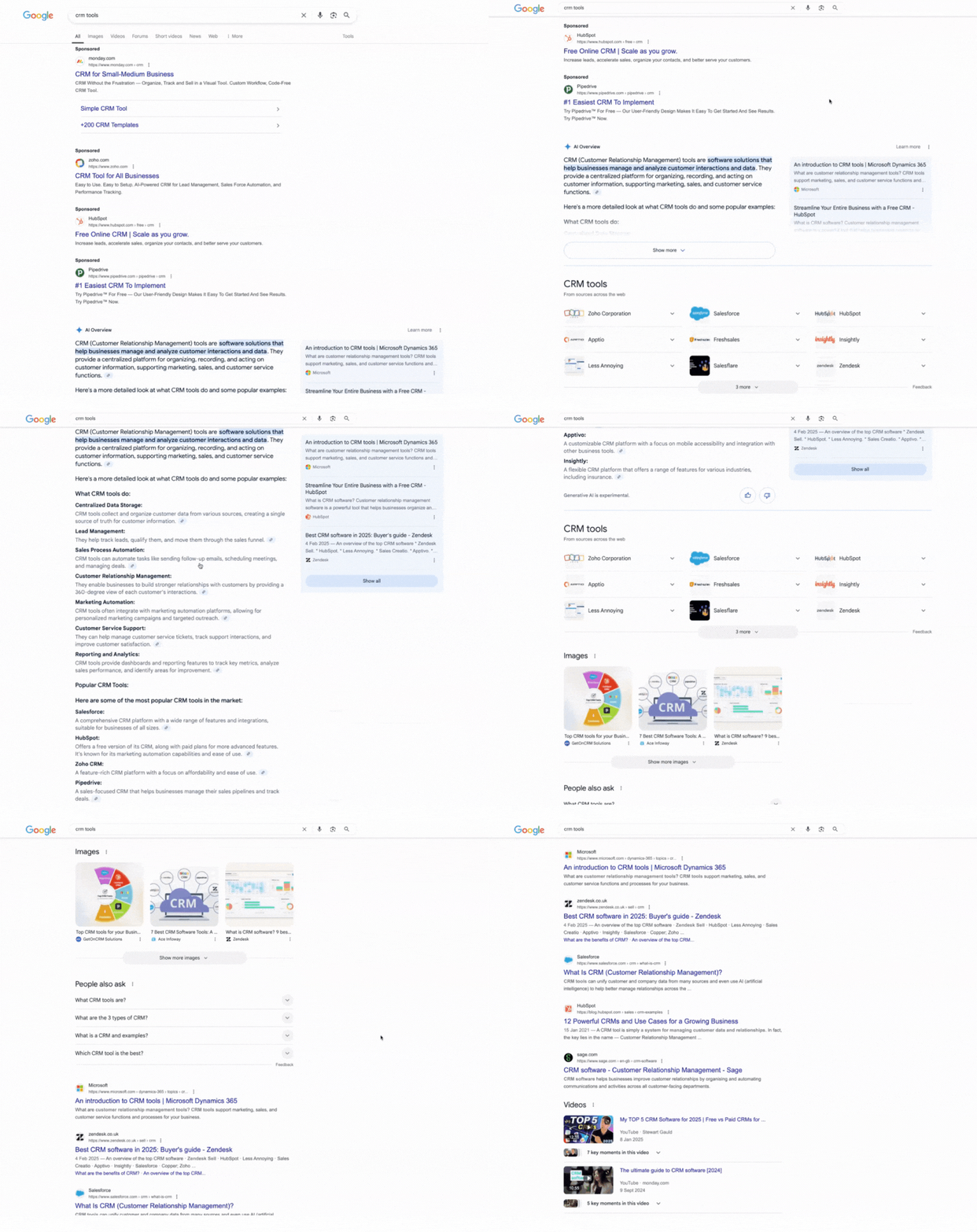
The digital landscape has undergone a seismic shift as artificial intelligence search optimization (AISO) transitions from a niche technical experiment to a fundamental requirement for global brand discovery. As of 2026, the traditional dominance of the "blue link" on search engine results pages (SERPs) has been challenged by the rise of generative AI platforms, including ChatGPT, Claude, Gemini, and Perplexity. These Large Language Models (LLMs) are no longer merely conversational novelties; they have become the primary gatekeepers of online information, shaping buyer journeys and directing high-intent traffic through a process distinct from traditional Search Engine Optimization (SEO).
![How to Create B2B Content that AI Wants to Cite: Step-by-Step Guide for AI Overviews & GenAI Answers [Based on 15 Latest Studies]](https://www.convert.com/wp-content/uploads/2022/06/uwemedimo-96x96.jpeg)
The evolution of discovery is backed by staggering data. Analytics reports from 2024 first signaled this trend, showing a 2200% increase in referral traffic from AI sources compared to previous years. By 2026, the impact on organic search has become even more pronounced. Recent industry analysis of 300,000 keywords indicates that Google’s AI Overviews have led to a 58% decline in click-through rates (CTR) for the top organic result. This shift necessitates a new strategic framework that prioritizes extractability by AI models and brand embedding across the vast datasets these models consume.
![How to Create B2B Content that AI Wants to Cite: Step-by-Step Guide for AI Overviews & GenAI Answers [Based on 15 Latest Studies]](https://www.convert.com/wp-content/uploads/2025/04/What-GenAI-referred-traffic-looks-like-on-Google-Analytics-for-Convert.com_.webp)
The Evolution of Search: A Chronology of the Generative Era
The transition to AI-centric search did not occur overnight. It began in early 2024 when marketing teams started observing significant fluctuations in organic traffic as Google began integrating Search Generative Experience (SGE) and OpenAI expanded its web-browsing capabilities. By mid-2025, the overlap between "ranking on Google" and "being cited by AI" began to decouple rapidly.
![How to Create B2B Content that AI Wants to Cite: Step-by-Step Guide for AI Overviews & GenAI Answers [Based on 15 Latest Studies]](https://www.convert.com/wp-content/uploads/2024/01/Google-search-with-traditional-SEO-ranking-of-web-pages.jpg)
In July 2025, approximately 76% of pages cited in AI search results also appeared in Google’s top 10 organic listings. However, by March 2026, that figure plummeted to 38%. Research suggests that nearly a third of all content cited by generative AI engines does not even rank within Google’s top 100 results. This phenomenon is driven by "fan-out" queries, where AI models break down a user’s prompt into multiple sub-queries, pulling information from niche, authoritative sources that may not satisfy the broad keyword requirements of traditional search algorithms.
![How to Create B2B Content that AI Wants to Cite: Step-by-Step Guide for AI Overviews & GenAI Answers [Based on 15 Latest Studies]](https://www.convert.com/wp-content/uploads/2025/04/Example-of-ai-search-result-from-Perplexity-and-Microsoft-Copilot.webp)
Technical Foundations of AI Search Optimization
AISO diverges from traditional SEO in five critical dimensions: statistical relevance, contextual mentions, information clarity, vector embeddings, and entity density. While SEO focuses on backlinks and keyword density, AISO prioritizes how easily an LLM can parse and summarize a brand’s value proposition.
![How to Create B2B Content that AI Wants to Cite: Step-by-Step Guide for AI Overviews & GenAI Answers [Based on 15 Latest Studies]](https://www.convert.com/wp-content/uploads/2024/01/Gemini-describing-how-training-data-informs-AI-search-responses.jpg)
Vector Embeddings and Semantic Proximity
At the heart of AISO is the concept of vector embeddings. AI models represent text as coordinates on a multi-dimensional map. Content that sits in close "semantic proximity" to a user’s query is more likely to be surfaced. For marketers, this means moving away from keyword matching and toward "idea matching." By transforming brand messaging into high-density coordinates, companies ensure that their content aligns with the natural language patterns used by modern consumers.
![How to Create B2B Content that AI Wants to Cite: Step-by-Step Guide for AI Overviews & GenAI Answers [Based on 15 Latest Studies]](https://www.convert.com/wp-content/uploads/2025/04/GenAI-search-sources-example-on-Perplexity-AI.webp)
The Three Forces of Citability
Industry experts have identified a tripartite framework for earning AI citations:
![How to Create B2B Content that AI Wants to Cite: Step-by-Step Guide for AI Overviews & GenAI Answers [Based on 15 Latest Studies]](https://www.convert.com/wp-content/uploads/2025/04/Google-search-results-from-ranking-algorithm.webp)
- Authority: AI cross-references content against the broader web. If third-party platforms like G2, Reddit, or Wikipedia do not validate a brand’s claims, the AI is unlikely to cite the brand as a credible source.
- Relevance: Content must match the granular intent of the prompt. Models favor specific, data-backed answers over qualitative marketing fluff.
- Extractability: This refers to the technical structure of the data. AI models prefer short paragraphs (under 80 words), clear heading hierarchies, and direct answers positioned within the first 40 to 60 words of a section.
The New B2B Buyer Journey: The Validation Loop
In the generative era, the path to purchase has evolved into what researchers call a "validation loop." Unlike the linear funnels of the past, the 2026 buyer journey often follows a recursive pattern: Google Search → LLM Research → Peer Validation → Vendor Website → Final Peer Sanity Check.
![How to Create B2B Content that AI Wants to Cite: Step-by-Step Guide for AI Overviews & GenAI Answers [Based on 15 Latest Studies]](https://www.convert.com/wp-content/uploads/2025/04/ChatGPT-AI-search-results-with-sources-or-citations.webp)
Data from B2B SaaS decision-makers in late 2025 reveals that while buyers use AI to build shortlists, they do not yet fully trust the output. Approximately 85% of buyers still rely on peer groups or Slack communities to verify AI-generated recommendations. Furthermore, 78% of decision-makers place more weight on third-party review platforms than on a vendor’s own website. This highlights the necessity of an "off-site first" AISO strategy, where a brand’s reputation is cultivated on platforms the AI perceives as objective.
![How to Create B2B Content that AI Wants to Cite: Step-by-Step Guide for AI Overviews & GenAI Answers [Based on 15 Latest Studies]](https://www.convert.com/wp-content/uploads/2024/01/Top-ranking-content-now-sits-further-down-on-the-first-page-of-Google-search-results.gif)
Strategic Pillars for AI Visibility
To maintain visibility in an environment where zero-click searches are rising, organizations must adopt a multi-channel optimization strategy.
![How to Create B2B Content that AI Wants to Cite: Step-by-Step Guide for AI Overviews & GenAI Answers [Based on 15 Latest Studies]](https://www.convert.com/wp-content/uploads/2025/04/Decreasing-Breadth-_-Increasing-Trust22-B2B-buyer-funnel--1024x616.webp)
Review Aggregation and Social Proof
Reviews from platforms such as G2, Capterra, and Trustpilot have become the single largest source of LLM citations for branded queries. AI engines treat aggregated peer feedback as more authoritative than vendor-provided content. Strategic acquisition of detailed, use-case-specific reviews is now a higher priority than traditional on-page SEO for many B2B firms.
![How to Create B2B Content that AI Wants to Cite: Step-by-Step Guide for AI Overviews & GenAI Answers [Based on 15 Latest Studies]](https://www.convert.com/wp-content/uploads/2026/04/These-personas-emerge-from-different-psychological-search-drivers.webp)
The Rise of Video as a Citation Engine
YouTube has emerged as the most-cited domain in Google AI Overviews, with its citation share growing by 34% in the first half of 2026. Because Google AI Overviews frequently break queries into "how-to" sub-queries, a well-titled video tutorial can earn a citation even when a corresponding blog post fails to rank. High-quality transcripts and timestamped chapters are essential for making video content "readable" for AI crawlers.
![How to Create B2B Content that AI Wants to Cite: Step-by-Step Guide for AI Overviews & GenAI Answers [Based on 15 Latest Studies]](https://www.convert.com/wp-content/uploads/2025/04/YouTube-videos-are-an-important-source-of-AI-search-results-882x1024.webp)
Forum Credibility and Reddit
Community-driven platforms like Reddit and Quora have become primary data sources for LLMs. Posts that discuss real-world troubleshooting or product comparisons are heavily weighted in the training sets of major models. Brands that ignore these forums risk being excluded from the "conversational" training data that powers platforms like ChatGPT and Perplexity.
![How to Create B2B Content that AI Wants to Cite: Step-by-Step Guide for AI Overviews & GenAI Answers [Based on 15 Latest Studies]](https://www.convert.com/wp-content/uploads/2025/04/AI-Overview-picked-a-YouTube-video-as-a-top-source.webp)
Technical Optimization and Crawler Access
A technical audit for AISO differs significantly from a standard SEO audit. The focus shifts toward "GPTBot" access and schema hygiene.
![How to Create B2B Content that AI Wants to Cite: Step-by-Step Guide for AI Overviews & GenAI Answers [Based on 15 Latest Studies]](https://www.convert.com/wp-content/uploads/2025/04/How-ChatGPT-chooses-its-trusted-sources-for-recommending-tools-to-user-queries.webp)
- Structured Data: Implementing FAQ, Product, and Article schema helps AI models interpret content without ambiguity.
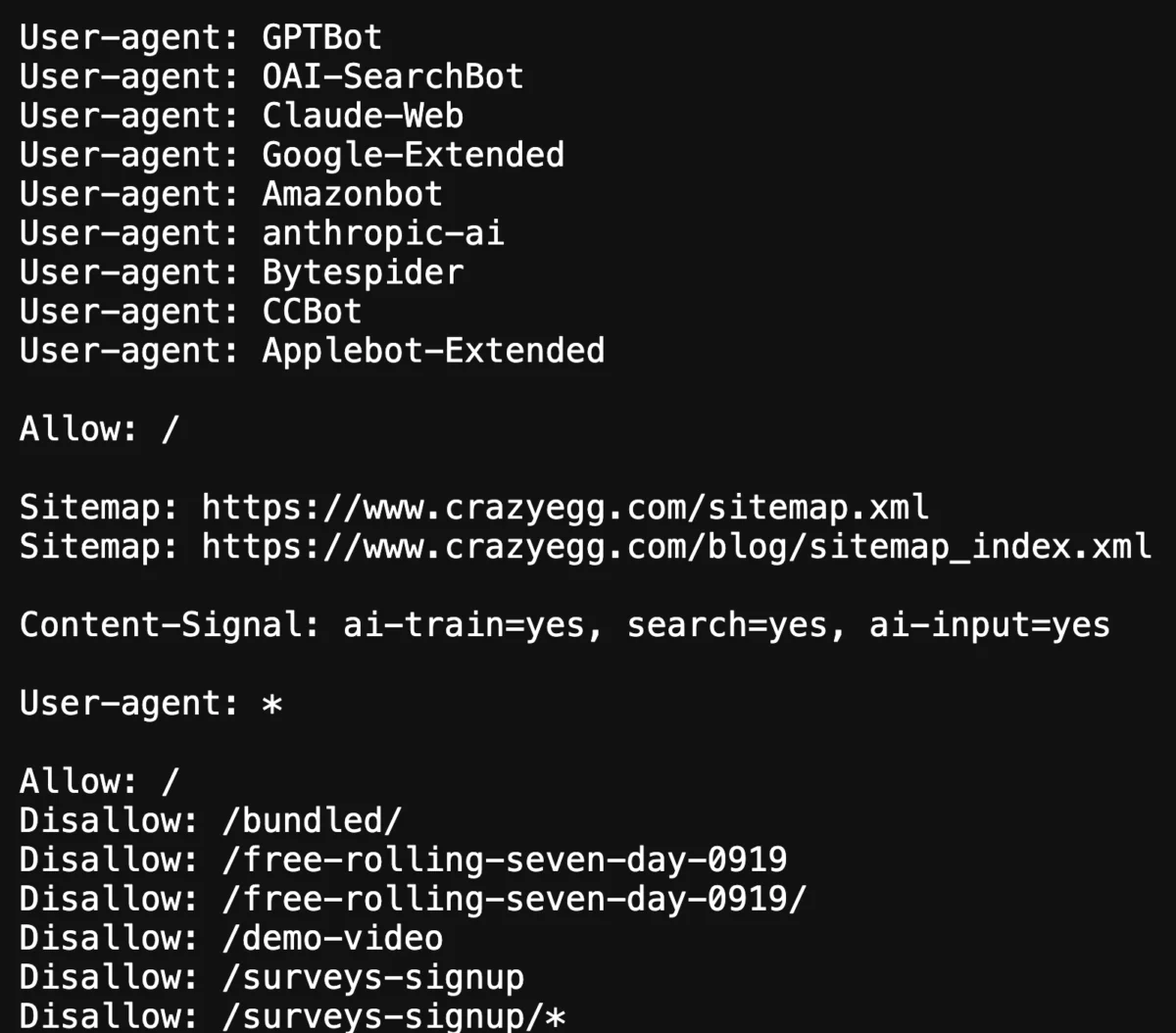
- Robots.txt Configuration: Many brands inadvertently block AI crawlers, preventing their content from being used in real-time web searches. Ensuring that "GPTBot," "CCBot," and "PerplexityBot" have access is a prerequisite for visibility.
- Freshness Signals: Both Perplexity and ChatGPT’s real-time search functions reward content that post-dates the model’s last training cutoff. Regularly updating core pages with new statistics and dates (e.g., "2026 Analysis") provides the "recency" signal models crave.
Measuring Success: From Rank to Frequency
The traditional metric of "ranking #1" is increasingly obsolete in a probabilistic system. Research from SparkToro in early 2026 demonstrated that AI responses are highly inconsistent; the same prompt run twice may yield different brand recommendations.
![How to Create B2B Content that AI Wants to Cite: Step-by-Step Guide for AI Overviews & GenAI Answers [Based on 15 Latest Studies]](https://www.convert.com/wp-content/uploads/2025/04/Example-of-Reddit-as-a-source-in-AI-recommendation-lists.webp)
Consequently, the primary KPI for AISO has shifted to Appearance Frequency. Marketers must track how often their brand appears across 10 to 20 repeated runs of a category-specific prompt. A brand that appears in 80% of prompt runs is considered deeply embedded in the model’s consideration set, whereas a brand that appears sporadically is suffering from weak entity association.
![How to Create B2B Content that AI Wants to Cite: Step-by-Step Guide for AI Overviews & GenAI Answers [Based on 15 Latest Studies]](https://www.convert.com/wp-content/uploads/2024/01/Source-and-channel-attribution-to-ChatGPT-or-other-AI-example-from-SurferSEO.jpg)
Implications for the Future of Digital Marketing
The transition to AISO represents a broader shift toward "Search Everywhere Optimization." As AI assistants become integrated into operating systems and browsers, the "search engine" is becoming an invisible layer of the internet.
![How to Create B2B Content that AI Wants to Cite: Step-by-Step Guide for AI Overviews & GenAI Answers [Based on 15 Latest Studies]](https://www.convert.com/wp-content/uploads/2025/04/AI-Overview-tracked-by-the-SEO-tools.webp)
The implications are clear: brands that rely solely on traditional SEO will likely see a continued erosion of their organic traffic. Conversely, those that invest in original frameworks, expert-led content, and a robust third-party presence will find themselves at the forefront of the generative discovery era. AI is not killing search; it is demanding higher standards of clarity, authority, and evidence-based information.
![How to Create B2B Content that AI Wants to Cite: Step-by-Step Guide for AI Overviews & GenAI Answers [Based on 15 Latest Studies]](https://www.convert.com/wp-content/uploads/2022/03/Banner-for-Newsletter-Use-in-Hype-Content.jpg)
Fact-Based Analysis and Conclusion
The current state of AISO suggests that the internet is moving toward a "proof-based" economy. AI models are programmed to minimize hallucinations by favoring verifiable claims. Therefore, the most successful AISO strategies of 2026 are those that replace qualitative descriptions with hard statistics and named sources.
![How to Create B2B Content that AI Wants to Cite: Step-by-Step Guide for AI Overviews & GenAI Answers [Based on 15 Latest Studies]](https://www.convert.com/wp-content/uploads/2022/03/Banner-for-Newsletter-Use-in-Hype-Content-Mobile.jpg)
For instance, a statement like "our software is fast" is invisible to an LLM. However, a statement like "our software reduced processing latency by 23% in a 2026 benchmark study" is a "citation magnet." As we move further into this era, the brands that win will be those that provide the most "extractable" truth to the machines that now mediate human knowledge. The era of optimizing for algorithms is being replaced by the era of optimizing for intelligence.