The digital landscape is currently undergoing a structural transformation as artificial intelligence agents—including OpenAI’s ChatGPT, Anthropic’s Claude, Google’s Gemini, and Perplexity—transition from passive information retrievers to active web navigators. According to recent data from Cloudflare, these AI agents, along with specialized browser agents built on their frameworks, now generate more than 50 billion website requests daily. This surge represents a fundamental shift in web traffic, where a growing share of visitors are no longer humans behind screens, but autonomous software entities acting on behalf of users to compare product prices, book travel, or synthesize complex research across multiple domains.
However, the experience of an AI agent on a modern webpage differs radically from that of a human user. While a human relies on visual cues, spatial layout, and intuitive design, an AI agent must navigate a complex pipeline of discovery, authentication, and code parsing. When this pipeline breaks, the website becomes effectively invisible or unusable to the AI ecosystem, potentially cutting off businesses from a massive and rapidly expanding segment of the market.
The Evolution of Web Navigation: A Brief Chronology
The relationship between automated crawlers and websites has evolved through three distinct phases. In the early era of the internet, crawlers were primarily search engine "spiders" designed to index text for keyword retrieval. By the early 2020s, the second phase emerged with the advent of Large Language Models (LLMs), where crawlers like GPTBot focused on harvesting massive datasets for model training.
We have now entered the third phase: the era of the "Agentic Web." In this stage, agents do not just read; they act. The timeline of this transition accelerated in late 2024 and throughout 2025 as developers began releasing frameworks that allow AI to interact with buttons, forms, and checkout flows. This shift has forced a re-evaluation of technical SEO and web infrastructure, as the "technical debt" of the past decade—such as over-reliance on client-side JavaScript and aggressive bot-blocking—now serves as a barrier to AI-driven commerce.
1. Discovery and the Return to Technical Fundamentals
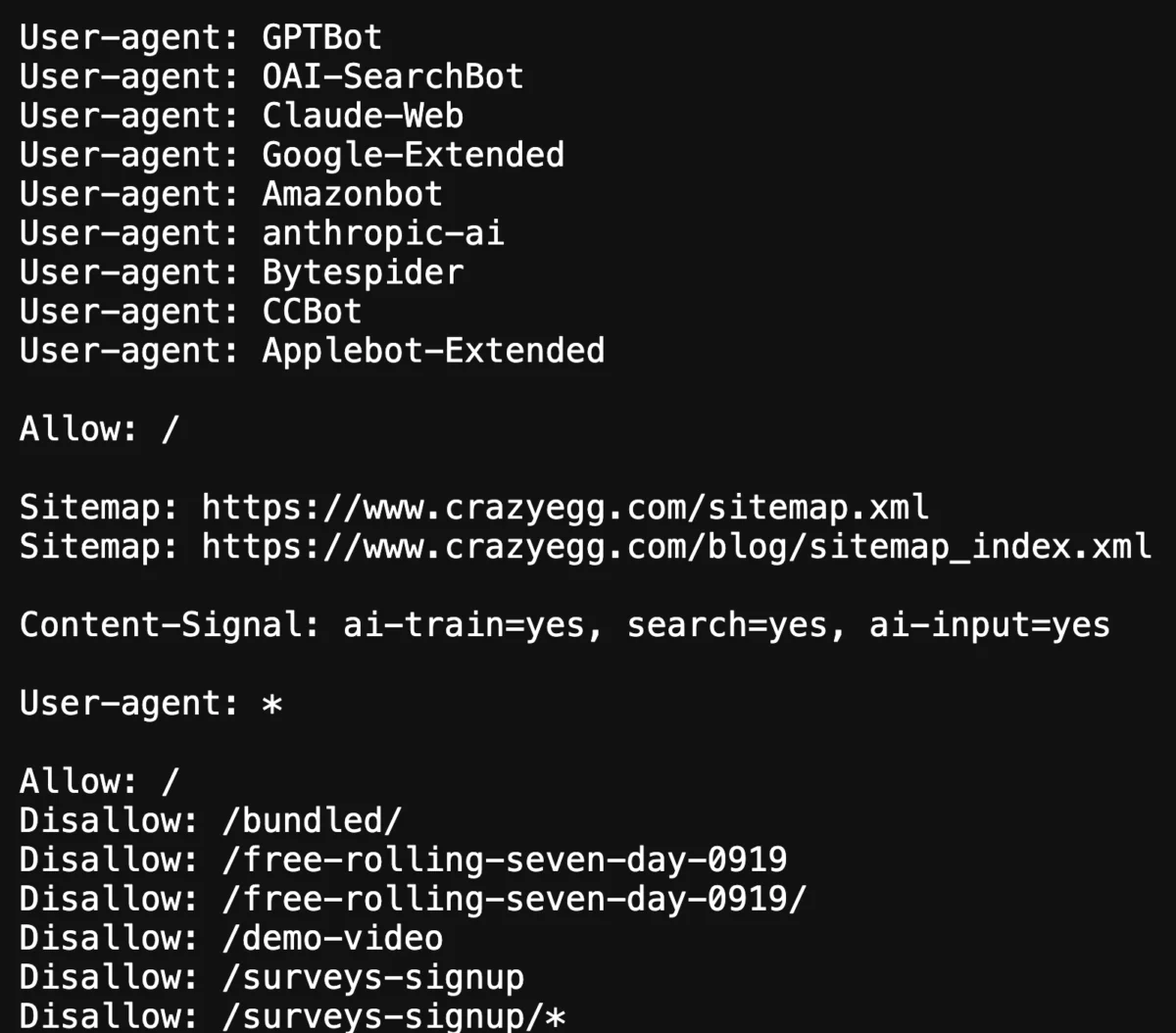
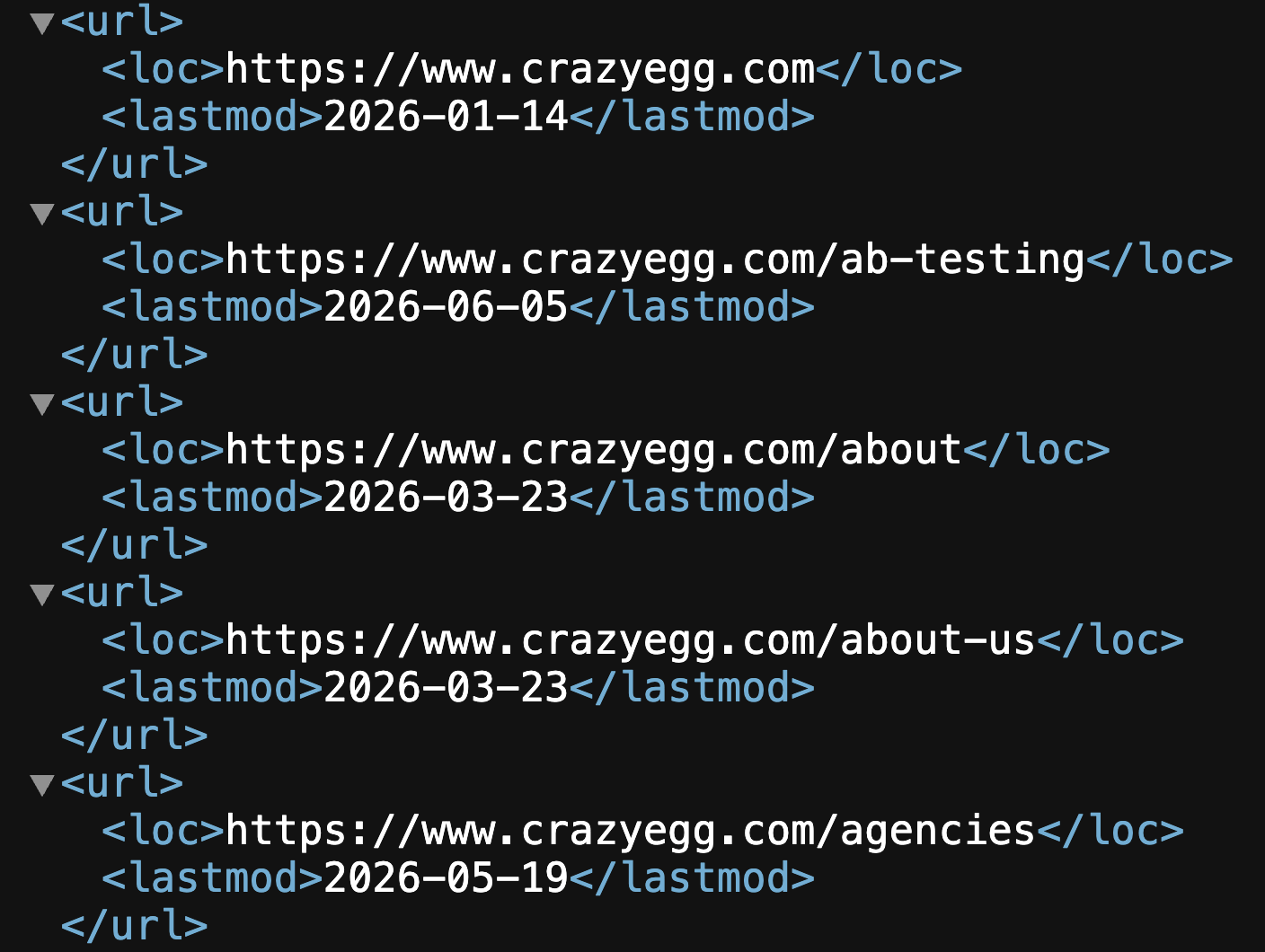
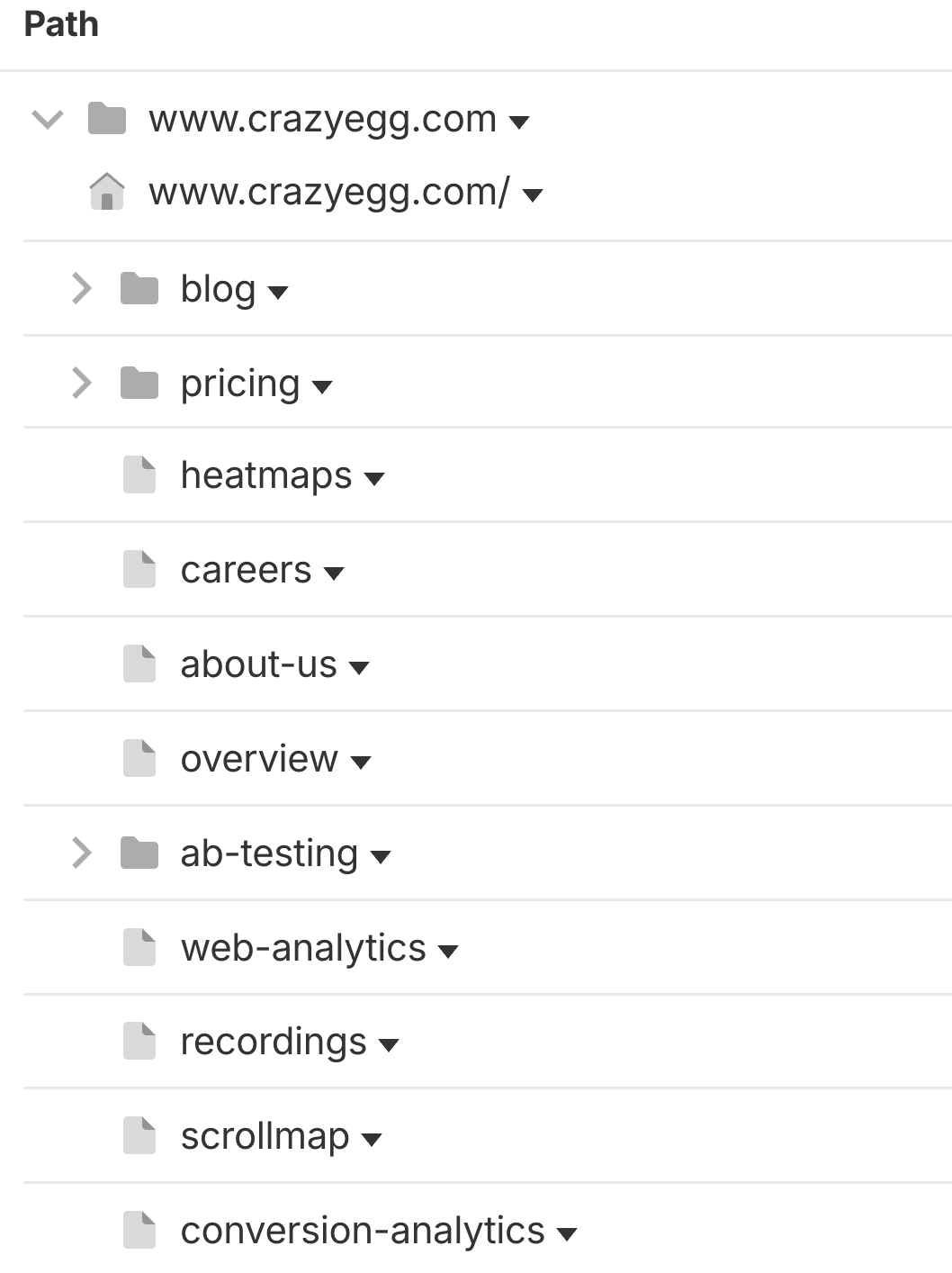
Before an AI agent can execute a task on a site, it must map the site’s architecture. This process relies on the same legacy infrastructure that search engines have utilized for decades: XML sitemaps, robots.txt files, and internal linking hierarchies.
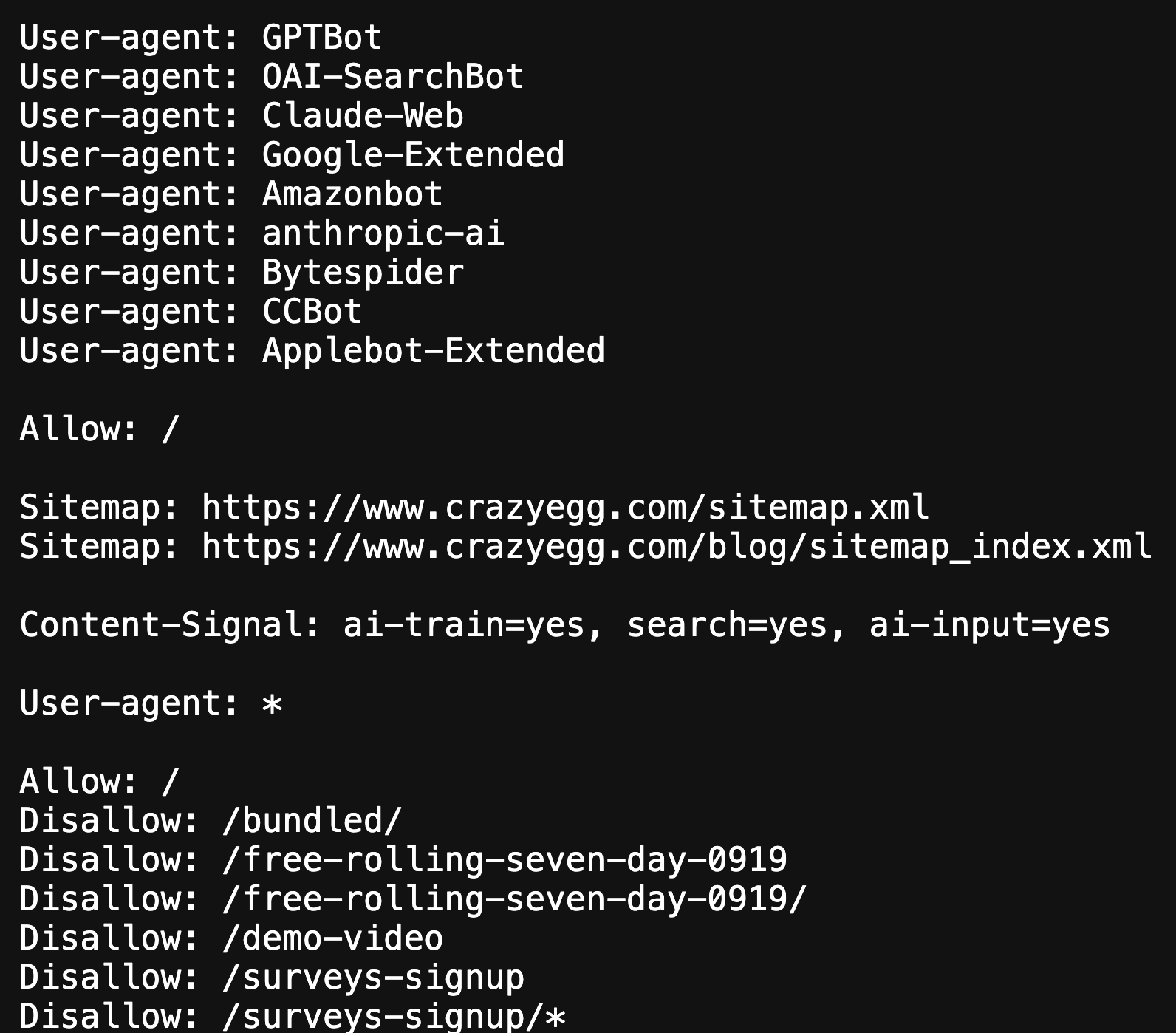
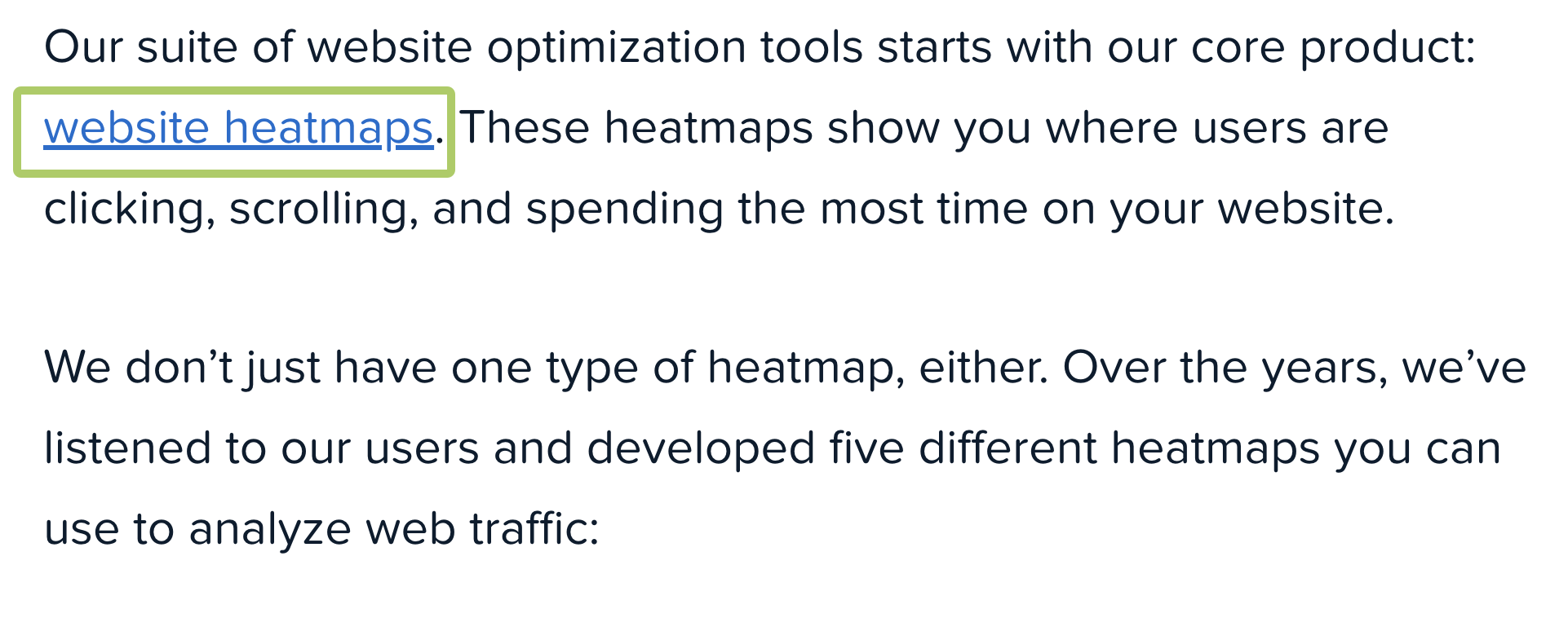
Recent industry audits reveal that many modern websites have neglected these fundamentals. Common gaps include sitemaps that have not been updated in months or years, and navigation menus that rely entirely on JavaScript "hover" states, which many AI agents cannot trigger. If an agent cannot find a page through a crawlable link or a sitemap entry, that page effectively does not exist within the agentic workflow. Technical experts suggest that restoring these fundamentals is the first step toward "agent readiness." This includes maintaining a current sitemap that reflects content changes in real-time and ensuring that robots.txt files contain clear directives for specific AI user-agents rather than broad, wildcard blocks that might inadvertently stifle legitimate agentic traffic.
2. The Access Barrier: Bot Management and Fetching Efficiency
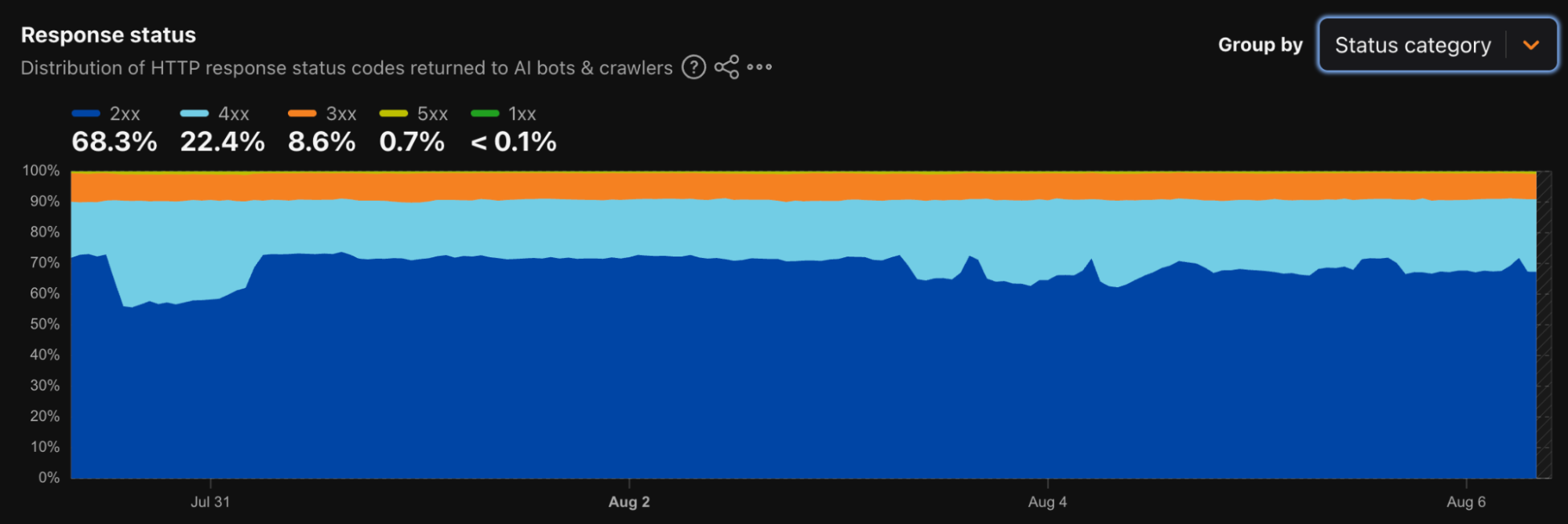
Accessing a page is the single most significant hurdle for AI agents today. Data from Cloudflare’s AI Insights report indicates that over 22% of AI crawler requests are rejected industry-wide. This rejection is often the result of aggressive bot-management layers designed to prevent malicious scraping, which fail to distinguish between a harmful bot and a helpful AI agent acting on a customer’s behalf.
The inefficiency of these fetches is equally problematic. In a detailed analysis by Vercel, it was discovered that ChatGPT spent approximately 35% of its total fetches on 404 "Not Found" pages. For ecommerce platforms, the situation is even more restrictive; testing shows that 41% of major ecommerce sites block AI readiness scanners outright.
To resolve these issues, site owners are increasingly moving toward "allow-listing" verified AI user-agents. Furthermore, cleaning up the "crawl path"—pruning sitemaps to include only live URLs and fixing broken redirect chains—has become a priority. A site that forces an agent through multiple 301 redirects or serves a high volume of 404 errors will quickly be deprioritized by the agent’s limited "crawl budget."
3. Rendering: The JavaScript Execution Gap
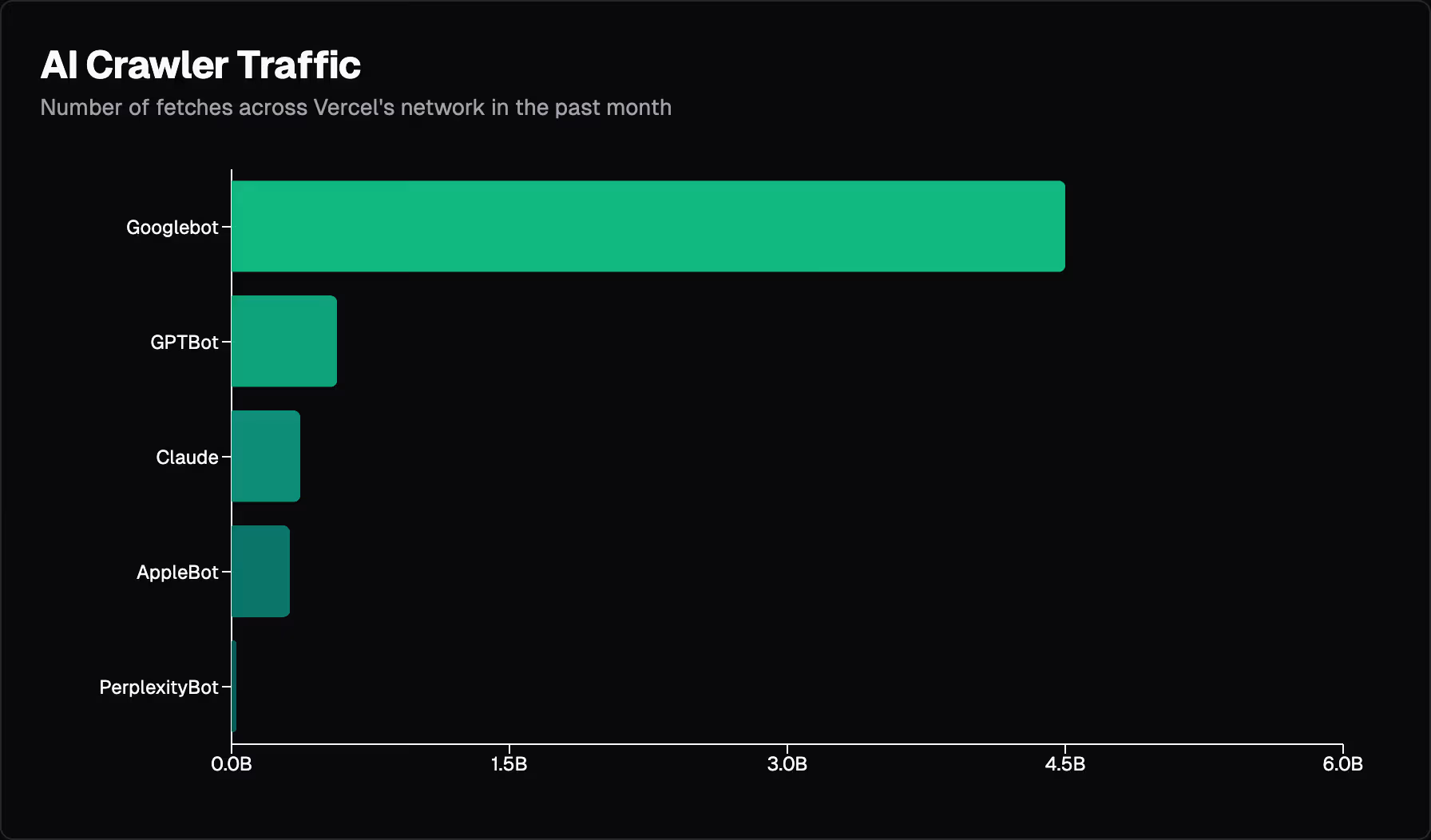
A critical distinction in how agents experience the web lies in how they render pages. Most AI agents, including those from OpenAI and Anthropic, primarily read raw HTML and do not execute JavaScript. A joint study by Vercel and MERJ, which tracked over 500 million GPTBot fetches, found virtually no evidence of JavaScript execution.
This creates a significant problem for sites built using Client-Side Rendering (CSR), where the browser receives a mostly empty HTML shell and uses JavaScript to populate the content. For agents like Claude or Perplexity, such pages appear blank. Google’s Gemini is a notable exception, as it can leverage Google’s massive search rendering infrastructure to "see" JavaScript-heavy content.
The industry response to this gap is a renewed focus on Server-Side Rendering (SSR) or pre-rendering. By building the full page on the server before sending it to the requester, site owners ensure that any entity—human or AI—that reads the raw HTML receives the full content immediately.
4. Parsing and the Accessibility Connection
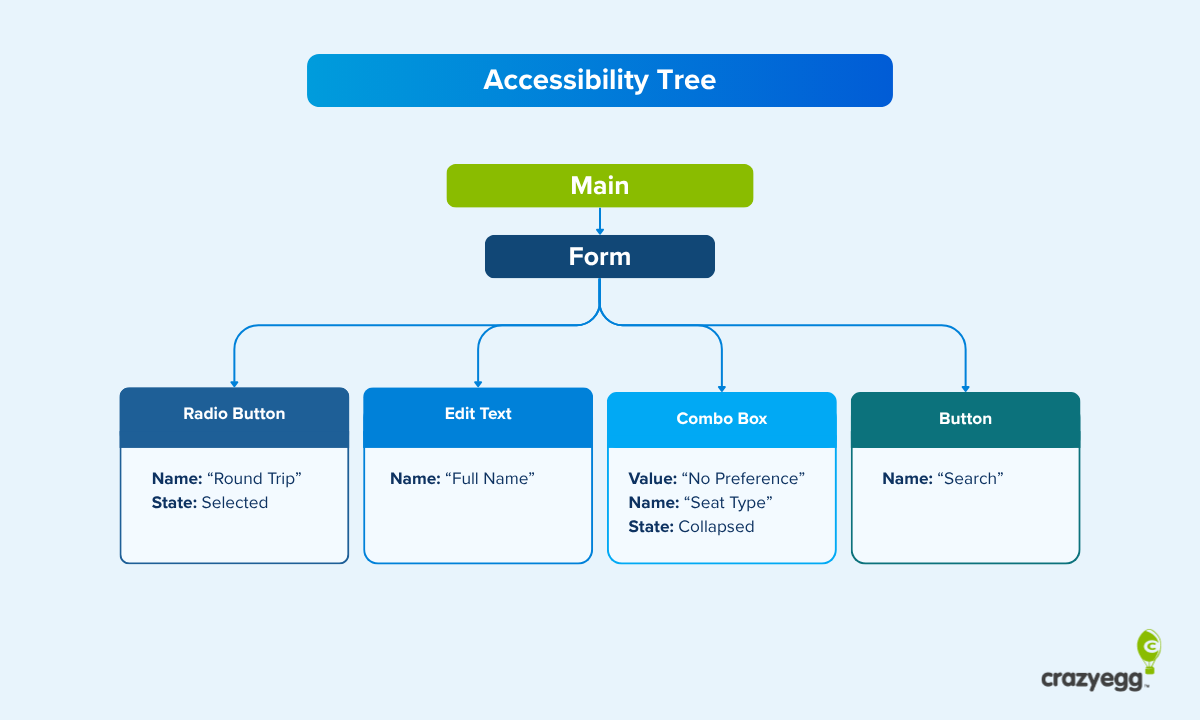
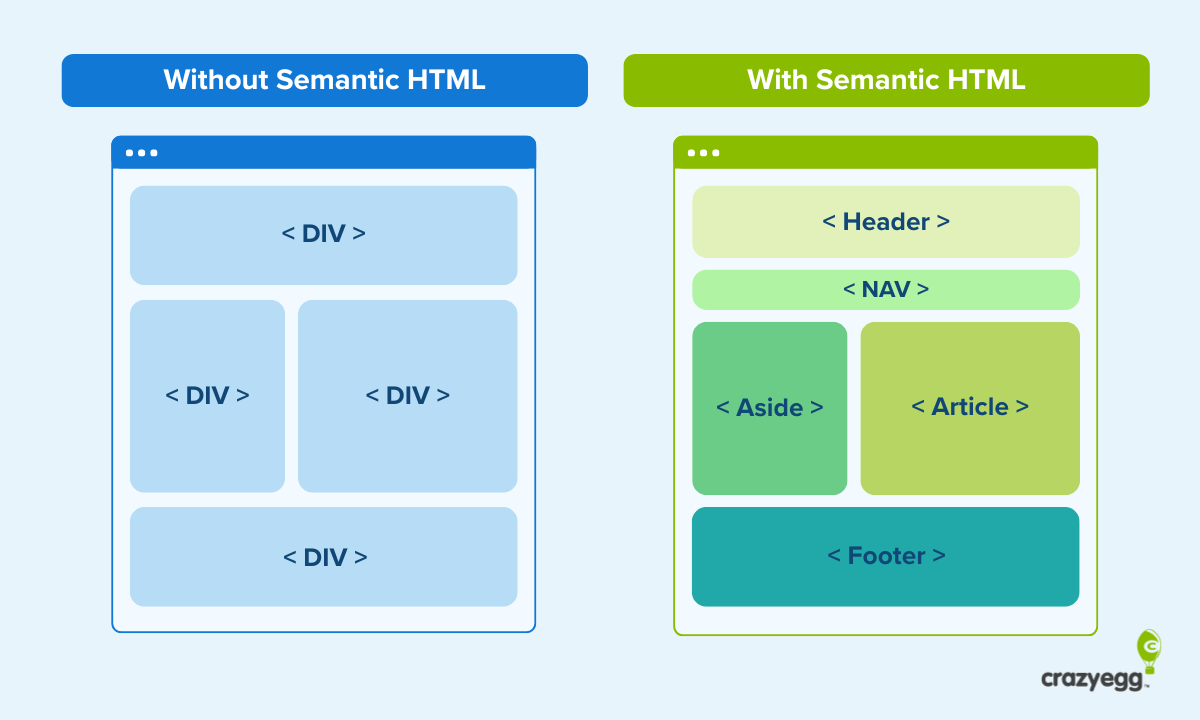
Once an agent fetches and renders a page, it must extract meaning from the code. AI agents do not "see" a layout; instead, they build a structural map known as an "accessibility tree." This is the same mechanism used by screen readers for visually impaired users.

The success of an agent depends heavily on the use of semantic HTML—properly labeled buttons, headings, and navigation menus—rather than generic <div> tags. A study from UC Berkeley and the University of Michigan (CHI 2026) highlighted the stakes of this structural clarity. The research found that an agent’s task success rate dropped from 78% under normal conditions to just 42% when the site lacked a logical structure and required keyboard-only style navigation.
Major AI players are already optimizing for this. OpenAI has confirmed that its Atlas agent utilizes ARIA (Accessible Rich Internet Applications) tags to interpret page functions. Similarly, Perplexity’s research indicates a preference for content organized in well-structured lists and tables. This alignment means that improving a site’s accessibility for humans directly improves its performance for AI agents.
5. Authentication and the Challenge of Secure Access
The most complex tasks, such as checking an order status or managing a subscription, require the agent to bypass a login screen. Currently, most websites offer no structured way for an AI to authenticate securely. The default workaround—users sharing their actual passwords or active session tokens with AI providers—presents a massive security risk.
The Sophos 2026 State of Identity Security report found that 71% of organizations suffered at least one identity-related breach in the past year, with 40.6% of those incidents linked to the poor management of non-human credentials.
To address this, new protocols are emerging:
- OAuth Discovery: This allows a site to communicate to an agent exactly how to log in securely using standardized tokens rather than passwords.
- Web Bot Auth: A cryptographic method for agents to prove their identity, backed by a coalition including Cloudflare, Amazon, Akamai, and OpenAI. This prevents "spoofing" and allows sites to grant higher levels of access to trusted agents.
6. Transactional Infrastructure and the Future of Commerce
The final step in the agentic journey is task completion, such as submitting a form or completing a purchase. This is currently the stage where agents fail most frequently, largely because the web was designed for mouse-driven human interaction.
To bridge this "last mile," a cluster of agentic commerce protocols is currently under development. These include:
- Model Context Protocol (MCP): An open standard that allows developers to provide agents with secure, structured access to data and tools.
- Skyvern: An open-source tool that automates browser-based workflows using LLMs to navigate legacy websites.
- Agentic Payment Standards: Major card networks like Mastercard and American Express are developing protocols that allow agents to handle payments securely while maintaining a clear audit trail back to the human account holder.
Analysis of Implications
The rise of AI agents represents a "Great Refactoring" of the internet. For businesses, the implications are binary: those who adapt their technical infrastructure to be "agent-readable" will capture a new stream of automated conversions, while those who remain behind "walled gardens" or maintain messy code may find their organic traffic dwindling.
This shift also marks a convergence between SEO, accessibility (A11y), and user experience (UX). The actions required to optimize for an AI agent—server-side rendering, semantic HTML, and clear navigation—are the same actions that improve page speed and accessibility for human users. In the near future, "Agent Experience" (AX) may become as common a metric as User Experience (UX), as companies compete to be the preferred destination for the 50 billion—and counting—daily requests from the world’s AI assistants.