The rapid evolution of generative artificial intelligence has moved beyond simple conversational interfaces toward "agentic" systems capable of executing complex tasks through external tools. At the center of this shift is the Model Context Protocol (MCP), an open standard designed to replace the fragmented landscape of proprietary integrations with a universal "translation layer" between Large Language Models (LLMs) and various data sources or workflows. By leveraging the automation platform n8n, developers and business analysts are now able to transform their private, optimized workflows into standardized tools that any MCP-compliant AI client—such as Claude Desktop, LM Studio, or IDE-based AI agents—can trigger with precision. This development represents a significant departure from "black-box" AI interactions, where users rely on the model’s internal logic, instead allowing organizations to enforce specific, high-quality processes while maintaining full ownership of their internal data and logic.

The Genesis and Growth of the Model Context Protocol
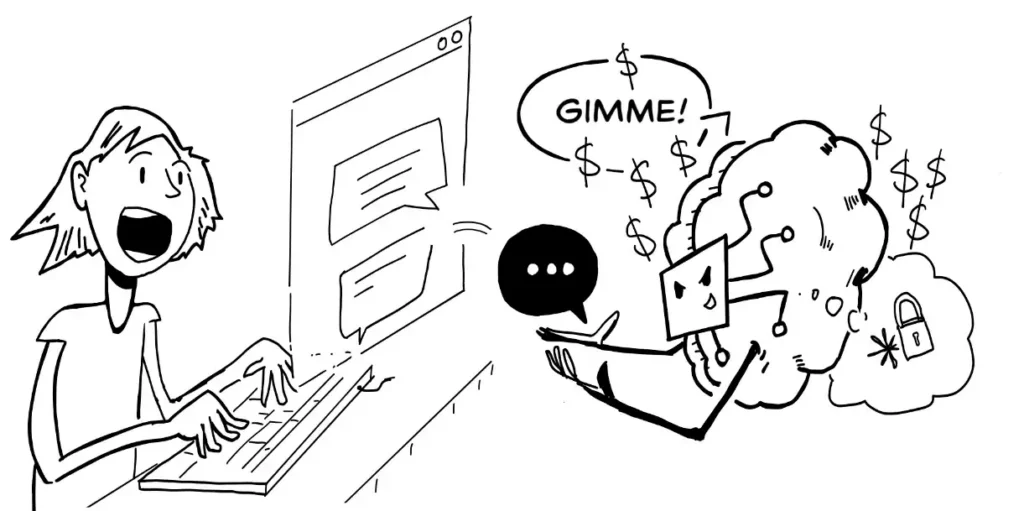
The Model Context Protocol was introduced by Anthropic in late 2024 as a response to one of the most persistent hurdles in AI deployment: the "integration tax." Previously, connecting an LLM to a specific database, a project management tool like Jira, or a custom script required bespoke API connectors that were difficult to maintain and often locked users into specific vendor ecosystems. MCP provides a standardized way for developers to build "servers" that expose specific functionalities as "tools" to an AI "client."
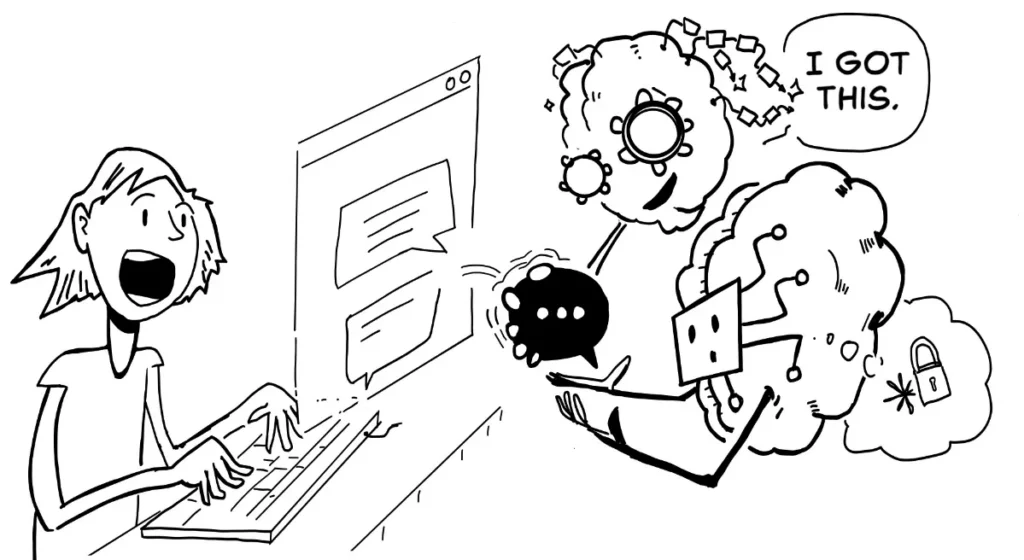
Since its release, the protocol has seen rapid adoption across the developer community. Major platforms including Block, Apollo, and Google have begun implementing MCP servers, while local-first AI tools like LM Studio have integrated MCP client support to allow users to run powerful models locally while still accessing cloud-based or networked automation. For platforms like n8n, the integration of MCP represents a strategic alignment with the "open-source" and "self-hosted" movements, providing users with the ability to centralize their automation logic without being tethered to a single AI provider’s proprietary plugin system.
Architectural Framework of n8n MCP Integration
The integration of n8n workflows with MCP-compliant chat interfaces relies on a three-tier architecture: the target workflow, the MCP server trigger, and the MCP client configuration. This structure ensures that the AI model does not interact with the workflow directly but rather through a controlled gateway that defines exactly what data is required and what output is expected.
Tier 1: The Target Workflow and Sub-execution Triggers
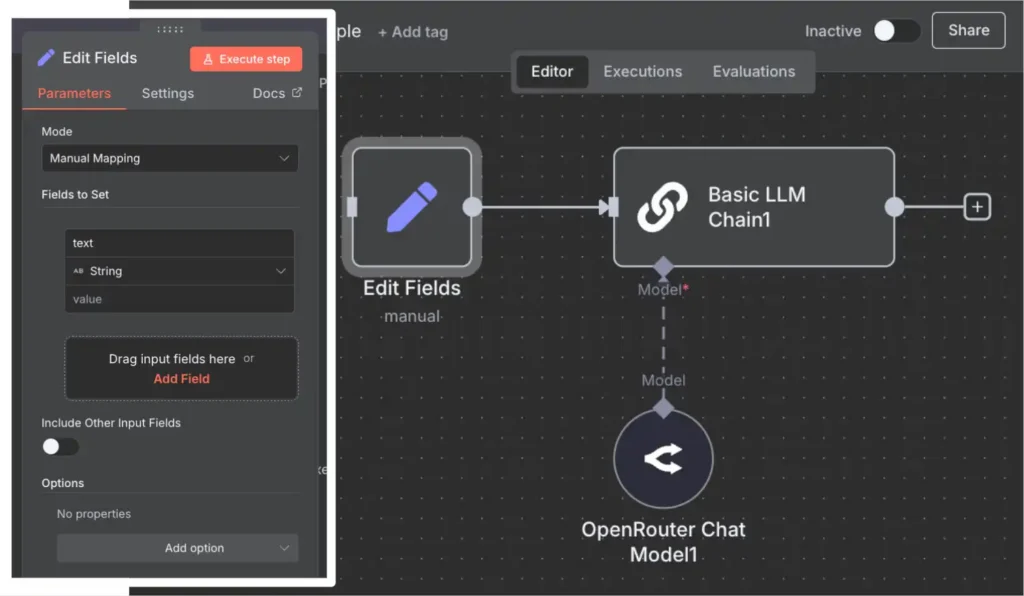
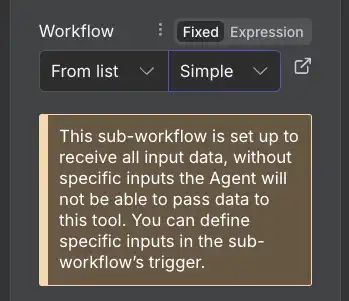
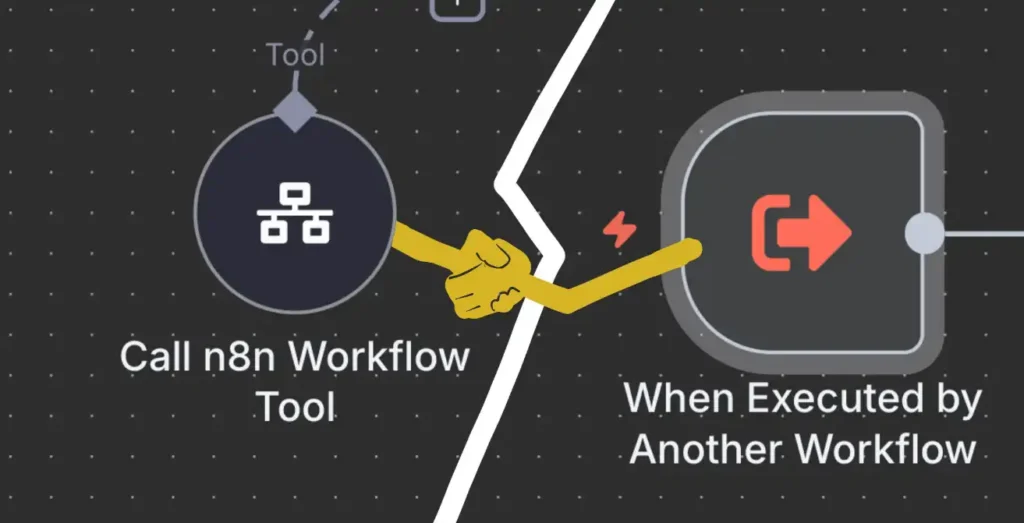
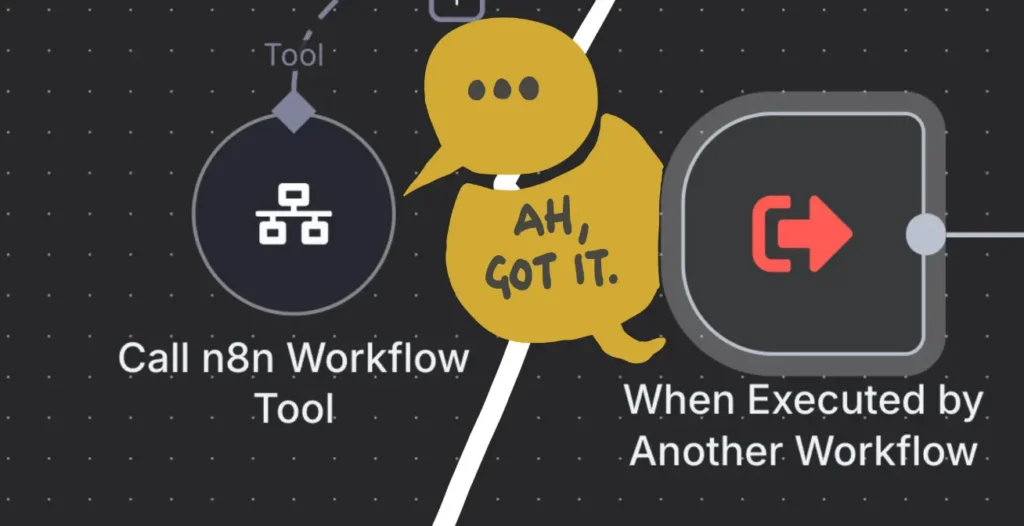
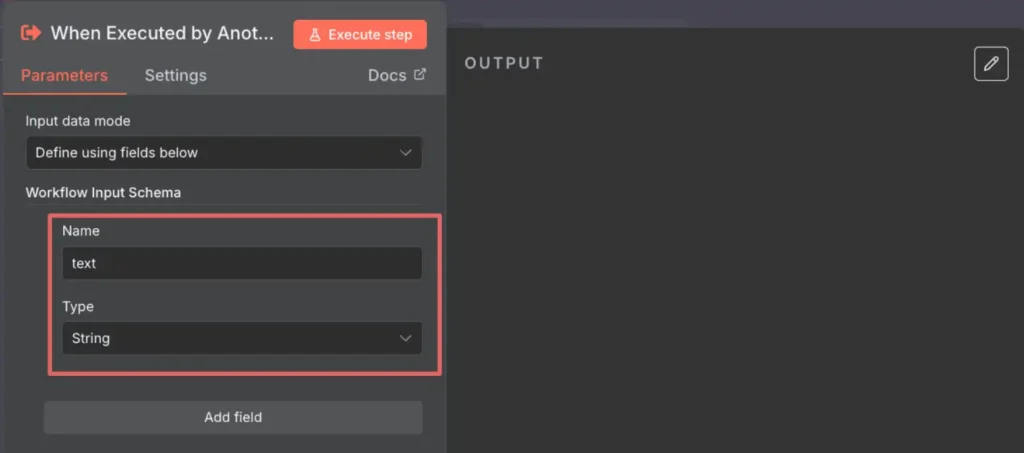
The foundational layer is the functional workflow intended for AI use. For an n8n workflow to be "called" by an external AI client, it must be configured to receive data from a secondary source. This is achieved through the "When Executed by Another Workflow" trigger node. This node acts as a handshake mechanism, defining the specific parameters—such as text strings, URLs, or numerical values—that the AI must provide to initiate the process. For instance, a workflow designed to generate A/B test JavaScript would require input parameters for the "target URL" and the "requested change."
Tier 2: The MCP Server Gateway
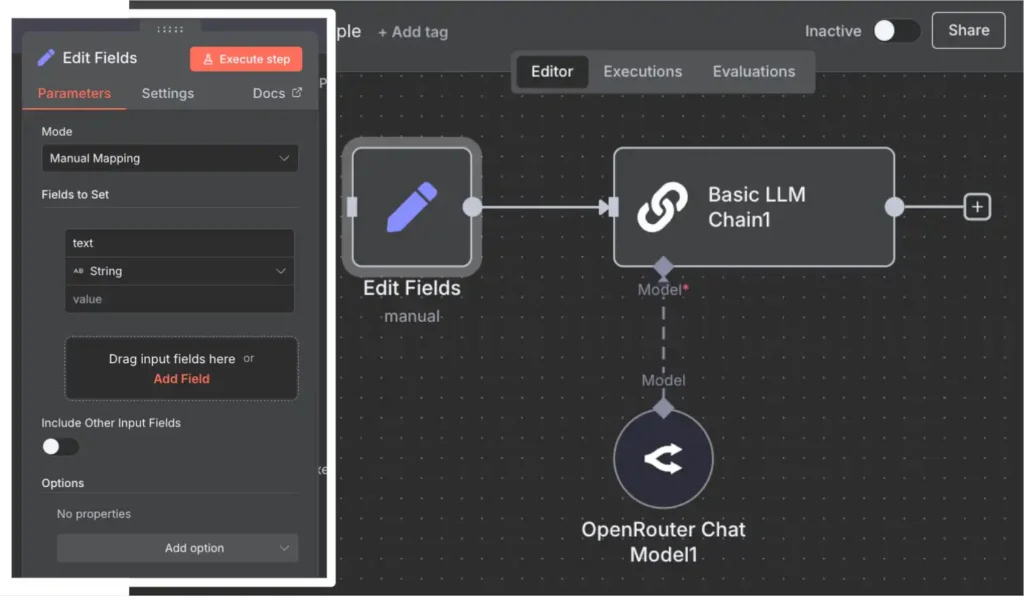
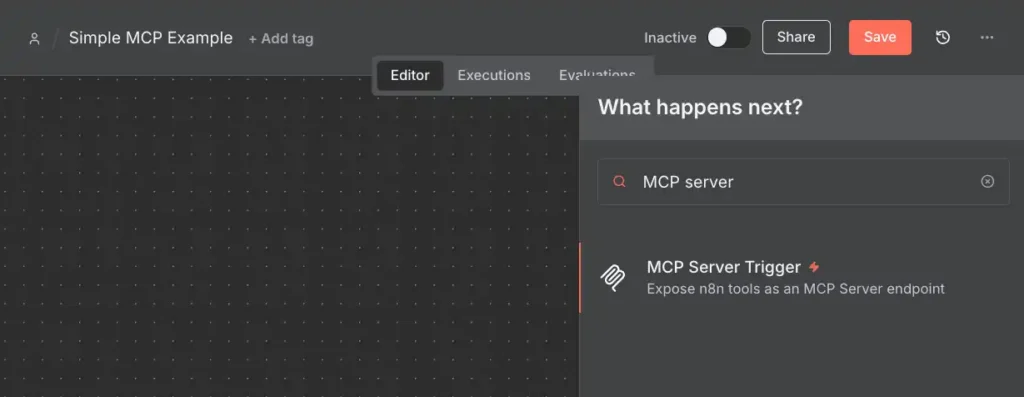
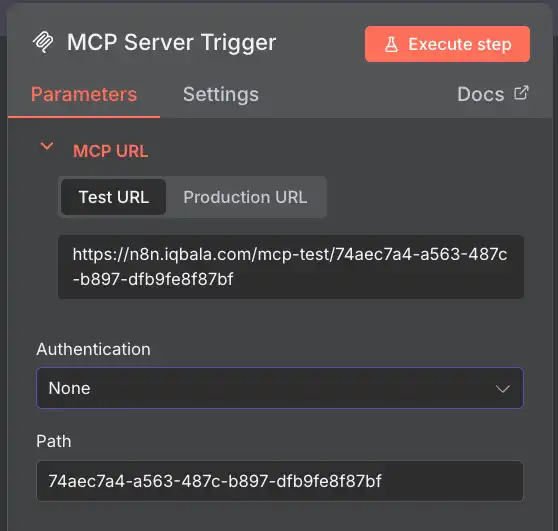
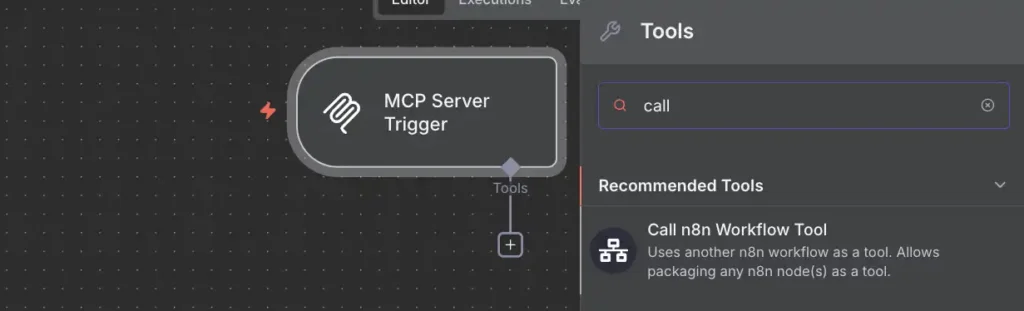
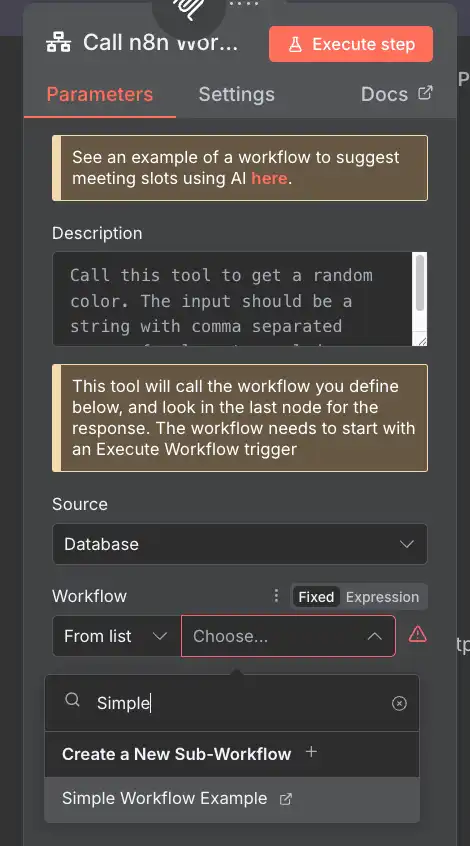
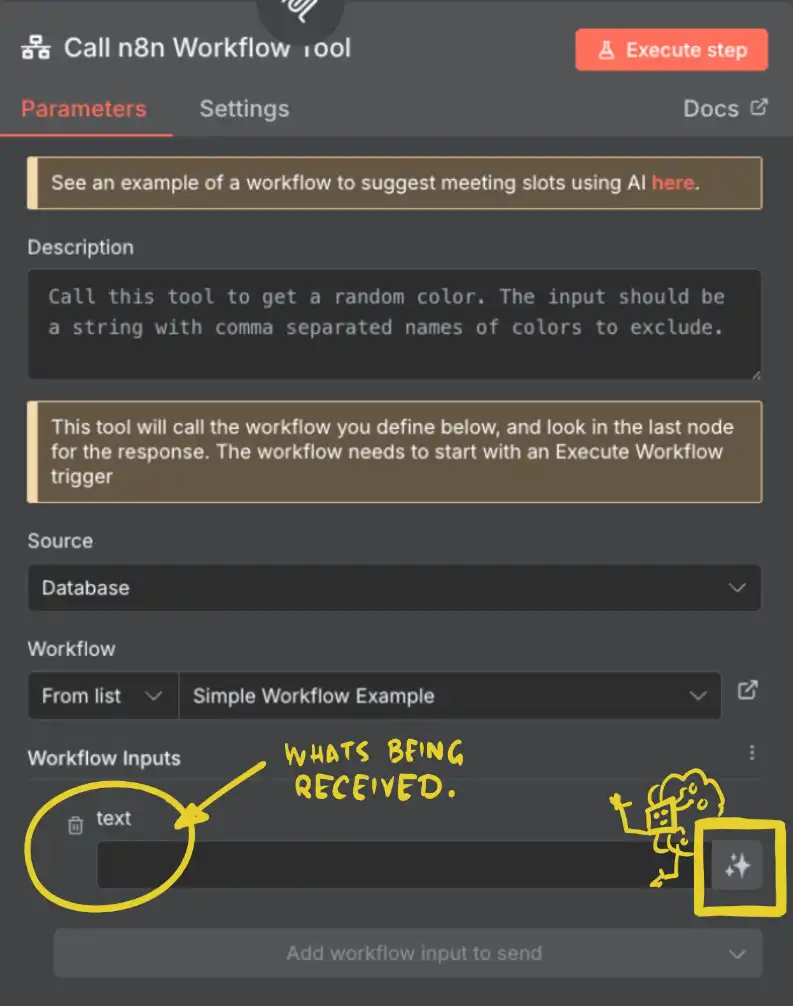
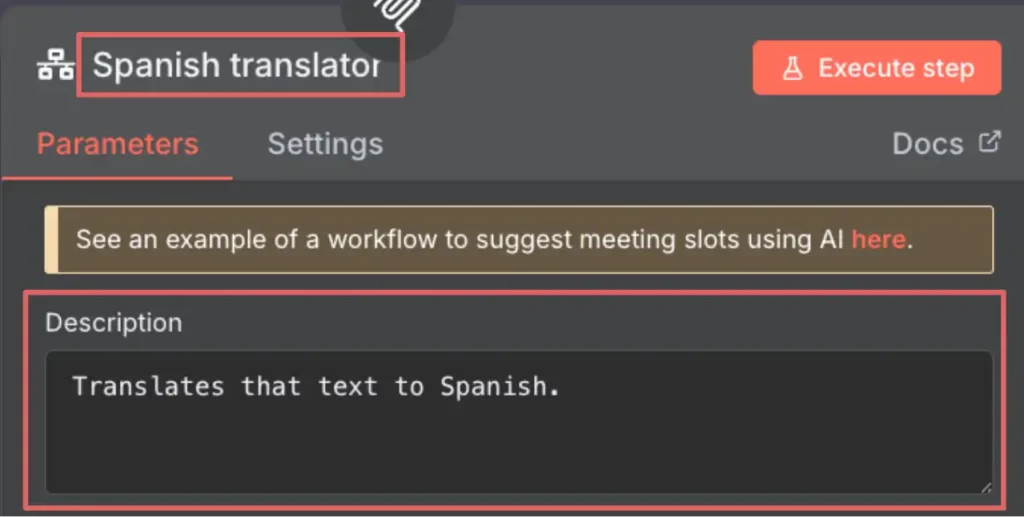
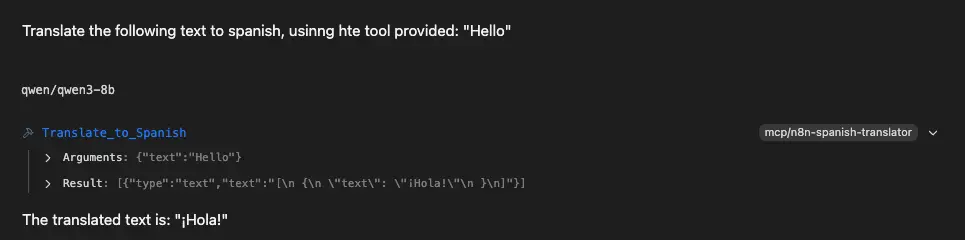
Within n8n, a dedicated MCP Server trigger node serves as the translation layer. This node generates a unique URL—typically utilizing Server-Sent Events (SSE)—that exposes the underlying workflows to the outside world. Within this node, developers add "Call n8n Workflow" tools. Each tool is mapped to a specific internal workflow and includes a detailed description. These descriptions are critical; they serve as the "instructions" that the LLM reads to understand when and why to use a particular tool.
Tier 3: Client Configuration and Handshaking
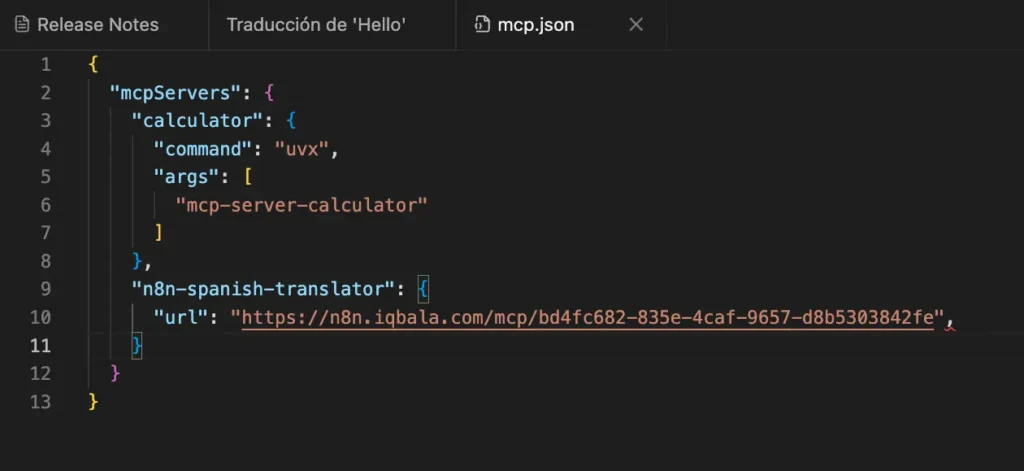
The final stage of the architecture involves configuring the MCP client. This is usually a JSON-based configuration file located within the AI application (such as the Claude Desktop configuration). The configuration specifies the server’s URL and authentication headers. When the AI model identifies a user request that matches the tool’s description, it sends a structured request to the n8n SSE endpoint, triggers the workflow, and waits for the JSON response to incorporate back into the chat interface.
Security and Authentication Standards in AI Automation
As organizations move toward connecting internal workflows to external AI interfaces, security remains a paramount concern. The n8n MCP implementation addresses this through the use of Bearer Authentication. By securing the MCP server node with a credentialed token, administrators ensure that only authorized AI clients can trigger internal automations.
Furthermore, the use of SSE (Server-Sent Events) for the connection protocol provides a robust method for real-time communication between the client and the server. Unlike traditional webhooks, which are often one-way, the MCP/SSE bridge allows the AI to maintain a stateful connection, which is necessary for long-running workflows that may take several seconds or even minutes to complete. To manage these longer processing times, developers often adjust the "timeout" settings in the client configuration, preventing the AI model from timing out while the n8n workflow is executing complex tasks like web scraping or code generation.
Case Studies: From Translation to Self-Healing Code
The practical utility of n8n-powered MCP servers is best illustrated through real-world automation scenarios that require high degrees of consistency.
Automated Research and Content Verification
In marketing environments, AI is frequently used to draft copy, but it is prone to "hallucinations" regarding factual claims. By creating an n8n research workflow that connects to verified databases or fact-checking APIs, and then exposing that workflow via an MCP server, a marketing professional can ask their AI chat interface to "verify this copy." The AI will then automatically trigger the n8n research tool, retrieve verified data, and cross-reference it with the draft, ensuring a level of accuracy that a standalone LLM cannot guarantee.

Self-Healing A/B Test Infrastructure
One of the more advanced applications involves the creation of "self-healing" JavaScript for experimentation. In this scenario, an n8n workflow is built to navigate to a website, analyze its DOM (Document Object Model) structure, and generate JavaScript code for an A/B test. When exposed via MCP, a developer can ask a local model in LM Studio to "create a header change for this URL." The local model, which might not have internet access or deep DOM knowledge, triggers the n8n workflow. The workflow performs the heavy lifting—scanning the site and drafting the code—and returns the final script to the chat interface. This effectively "supercharges" smaller, local models with the capabilities of a massive, networked automation suite.
Supporting Data: The Shift Toward Agentic Workflows
Market analysis suggests that the shift toward tool-calling and agentic AI is accelerating. According to recent industry reports, the global AI automation market is expected to grow at a CAGR of over 35% through 2030. A significant portion of this growth is attributed to "Human-in-the-Loop" (HITL) systems, where AI handles the execution of specialized tasks through predefined protocols like MCP.
Furthermore, developer surveys indicate that "vendor lock-in" is the primary concern for 62% of enterprise AI adopters. The Model Context Protocol addresses this by decoupling the "intelligence" (the model) from the "capability" (the tool). If an organization decides to switch from OpenAI to Anthropic, or from a cloud model to a local Llama-3 instance, they do not need to rebuild their automation infrastructure. They simply point the new MCP client to their existing n8n MCP server.
Official Responses and Community Impact
The response from the automation community has been overwhelmingly positive. Lead advocates for n8n and experimentation consultants like Iqbal Ali have noted that this technology levels the playing field, allowing non-developers to create sophisticated AI tools that were previously the domain of full-stack engineers. By following a structured, no-code approach to setting up MCP servers, businesses can ensure that their AI outputs are "orders of magnitude better" because they are grounded in proprietary, optimized workflows rather than generic model training data.
The "Written by Human" movement has also taken note of these developments. As AI becomes more integrated into the professional workflow, the emphasis is shifting from AI as a content creator to AI as a workflow orchestrator. This distinction is vital for maintaining the integrity of professional outputs in fields like journalism, law, and engineering.
Broader Implications and Future Outlook
The standardization of AI-to-tool communication via MCP and n8n marks a turning point in the democratization of artificial intelligence. It moves the technology away from being a "novelty chatbot" and toward being a "functional operating system." As more tools adopt MCP, we can expect a future where an AI assistant can seamlessly move between a user’s email, their company’s CRM, their local file system, and their custom n8n automations without requiring a single manual data export.
In the long term, this could lead to the rise of "Private AI Clouds," where organizations host their own models and their own MCP servers, creating a completely secure, air-gapped ecosystem of intelligence and automation. For now, the ability to connect a chat interface to an n8n workflow provides a powerful, accessible starting point for any professional looking to reclaim control over their AI-driven processes. The era of the "black-box" AI is ending, replaced by a transparent, modular, and highly reliable framework for digital automation.