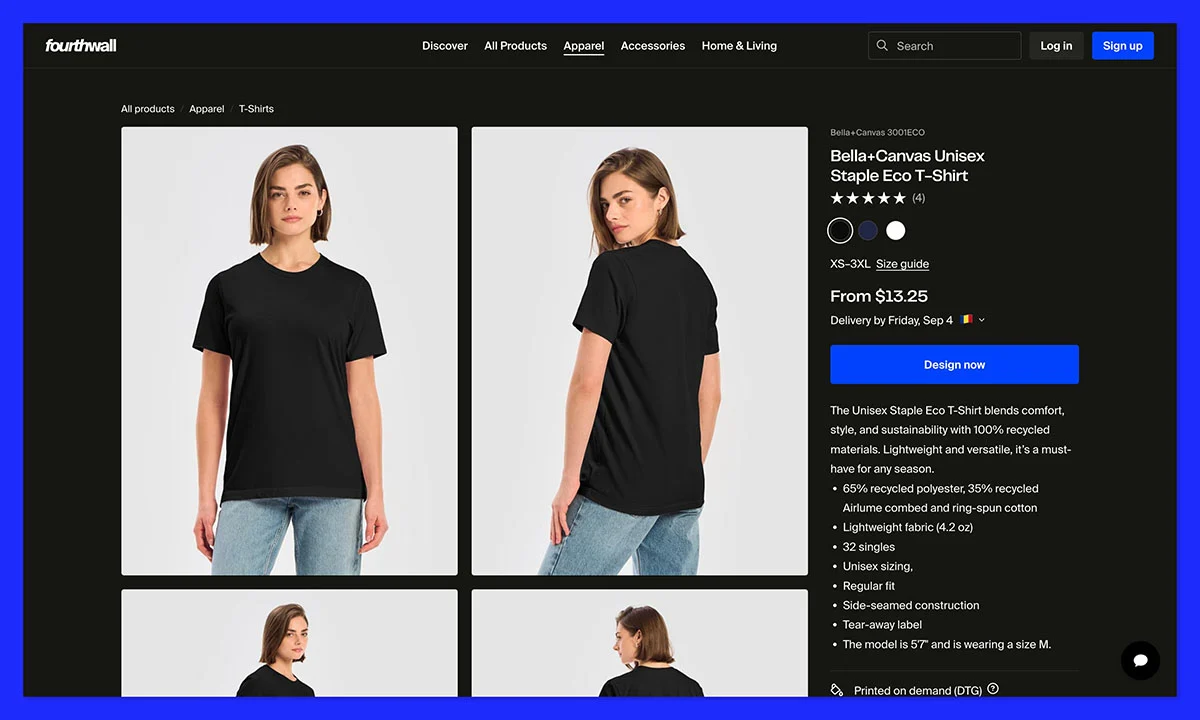
Dropshipping, akin to print-on-demand services, has emerged as a prominent business model for aspiring entrepreneurs seeking to establish an online presence with minimal initial financial outlay. While these models significantly reduce the upfront costs associated with manufacturing and inventory management, they do not entirely eliminate the need for investment to run a business effectively. Many dropshipping platforms tout the ability to start with "almost nothing," yet a closer examination reveals potential expenses for e-commerce platforms, domain names, product samples, marketing, and access to dropshipping catalogs. This guide outlines a strategy to initiate a dropshipping business with a $0 budget, deferring expenses until the first sale is secured.
It is crucial to underscore that while the initial launch can be cost-free, expenses are inevitable in the long term. Transaction fees, potential investments in enhanced website functionality, and more diverse marketing campaigns will eventually require financial commitment. The objective of this approach is to generate initial revenue, enabling reinvestment into business growth.
Step 1: Identifying and Validating a Niche Without Financial Investment
The foundational step in launching a successful dropshipping business is selecting a focused niche. Broadly targeting all consumers is a common pitfall due to intense competition in the dropshipping landscape. A more specialized approach demands less capital for marketing and product development, allowing for a stronger competitive edge. Begin by conceptualizing a product category aligned with a target audience, then refine it into a specific niche. For example, a general "Home and Garden" category can be narrowed down to more specific segments like "kitchenware" or "outdoor furniture." Platforms such as dropXL offer extensive product selections, with over 13,000 items within the Home and Garden category, allowing for deeper exploration into sub-niches like "compact furniture for apartment dwellers." This seemingly narrow focus can be an effective starting point, with the potential for expansion as the business grows.
Validating a chosen niche without incurring costs is paramount. Market research reports from firms like Grand View Research can provide insights into market growth trends. For instance, the outdoor furniture market has demonstrated a compound annual growth rate (CAGR) of approximately 6.4%, indicating a healthy demand. Tools like Google Trends can reveal regional search interest, while analyzing popular listings on marketplaces such as Amazon, engaging in Reddit discussions, or conducting polls on existing social media platforms can gauge consumer interest. Identifying local competitors is also vital at this stage, informing strategies around product differentiation, expedited delivery, or other competitive advantages.
Step 2: Sourcing Profitable Products Through Free Analysis
Once a niche is established, the next phase involves curating an initial product collection. This collection should be kept small, serving as a testing ground to understand consumer price sensitivity and demand. While many dropshipping platforms feature "winning products" or "best seller" lists, relying solely on these can be misleading. These lists often highlight transient trends rather than sustainable profitability.
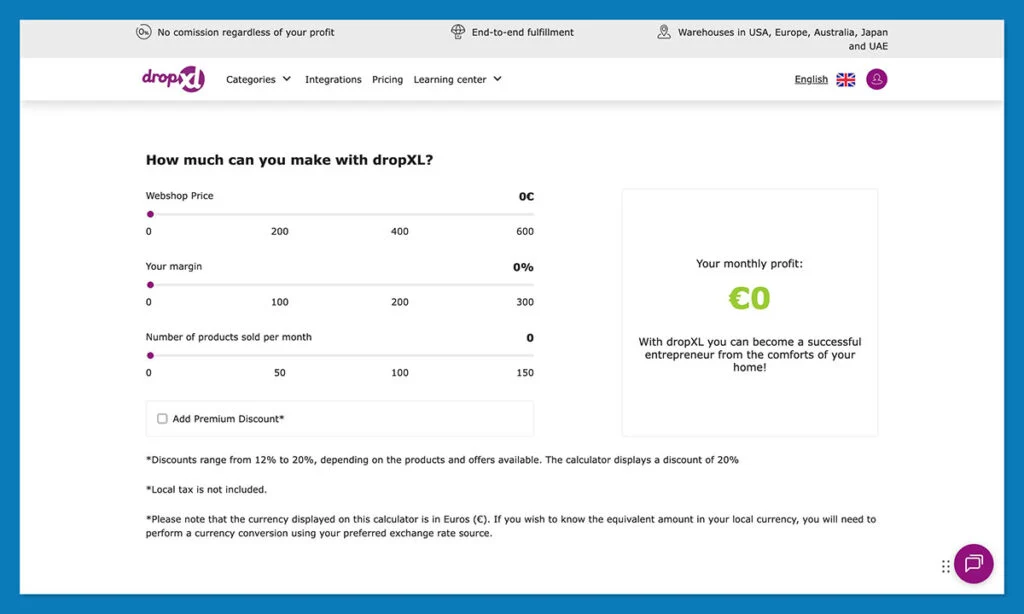
A thorough analysis of product viability requires understanding both its immediate popularity and its long-term customer appeal. Critically, it’s essential to calculate potential profit margins after accounting for base product costs, taxes, and payment processing fees. Platforms like dropXL provide valuable data, including pricing, stock availability, product descriptions, imagery, and estimated shipping details, updated daily. By reviewing five to ten potential products, entrepreneurs can score them based on demand, competition levels, delivery risks, and anticipated profit margins. Offering a range of price points within the niche can also broaden appeal; for example, in the furniture niche, alongside larger items like sofas, offering accessories such as bedding or shelving can cater to diverse budgets. Maintaining a list of products that warrant further investigation, even if not immediately chosen, is a prudent practice.
Step 3: Selecting an E-commerce or Marketplace Platform with Zero Upfront Costs
Establishing an online storefront is a critical juncture, particularly for businesses operating with a $0 budget. Marketplaces like Etsy, eBay, or Amazon can be viable starting points, as they typically allow sellers to list products without upfront platform fees. However, adherence to their specific product guidelines and ensuring compatibility with chosen dropshipping suppliers are essential.
For those intent on building a standalone website, Big Cartel offers a free "Gold" plan, accommodating up to five listings and integrating card and PayPal payments. Shopify, while primarily known for its free trial, currently offers a promotional rate of $1 per month for the first three months, a minimal investment that provides access to a scalable platform with extensive dropshipping and print-on-demand integrations. Other free beginner-friendly options include Ecwid, Square Online, and WordPress with the WooCommerce plugin. The WooCommerce integration is particularly advantageous due to free plugins like dropXL, which automate product imports, margin calculations, order fulfillment, and inventory updates every thirty minutes. Numerous resources detail the best free e-commerce platforms, but the overarching recommendation is to choose a solution that is affordable, easy to implement initially, and offers scalability for future growth. For those able to manage the nominal initial three-month cost, Shopify often presents the best long-term solution.
Step 4: Partnering with a Reliable Dropshipping Supplier
The selection of a dropshipping supplier often overlaps with the product sourcing phase. Key considerations include ensuring the supplier offers the desired products, is geographically proximate to the target customer base for efficient delivery, and demonstrates a consistent track record of reliability. While wholesale prices are a factor, prioritizing them over delivery efficiency and product accuracy can lead to long-term losses due to failed deliveries or misrepresentation of products.
dropXL, particularly relevant for the home and furniture niche, provides access to over 90,000 vidaXL products across 32 countries, supported by a network of more than 4,000 businesses. Registration for a dropXL dropshipping account is free. However, a monthly fee of £30 is applicable to commence selling products. Thoroughly verifying product availability and customer demand on the platform before committing is advisable. On the positive side, dropXL waives commission fees. The monthly subscription grants comprehensive access to product catalogs, data feeds, APIs, educational resources, and support for handling returns.
Step 5: Implementing Cost-Free Promotional Strategies
With products sourced and a supplier secured, the focus shifts to marketing. Numerous effective strategies can generate visibility without immediate advertising expenditure. A robust content strategy, encompassing both the e-commerce website and social media channels, is crucial. Website content should meticulously detail product specifications, delivery timelines, return policies, and expected package counts, preemptively addressing customer queries. Informative articles, such as guides on selecting the appropriate product for a home or comparative reviews of similar items, can also enhance engagement.
Social media platforms offer a direct avenue to showcase products. If product samples can be acquired, creating engaging video content for TikTok, Facebook, Instagram, or YouTube is highly effective. In the absence of samples, direct communication addressing customer concerns about materials or installation can be equally impactful. Engaging in relevant Reddit communities where consumers actively seek product recommendations can also drive traffic. For businesses with their own websites, implementing an email capture mechanism, perhaps by offering an initial discount for newsletter sign-ups, is vital for building a loyal customer base.
Step 6: Leveraging Data and Analytics for Strategic Growth
Upon achieving initial sales, a cautious approach to expansion is recommended, avoiding premature investment in costly website upgrades or advertising campaigns. The immediate priority should be analyzing performance data to identify successful elements and amplify them. Tracking product views, order volumes, and revenue generated after fees provides crucial insights. Investigating the root causes of returns and customer complaints can inform decisions about product refinement or the necessity for clearer pre-purchase information. Understanding customer acquisition channels will also enable more targeted marketing efforts.
Once a clear understanding of what is performing well is established, strategic expansion can commence. This might involve introducing complementary products based on existing sales trends or allocating a small portion of revenue to promote the store, leveraging positive customer reviews and testimonials. It is advisable to delay significant investments in high-cost marketing campaigns and premium e-commerce tiers until a consistent income stream is secured.
Mistakes to Avoid When Operating with a Zero-Budget Approach
Several common pitfalls can derail a dropshipping venture initiated without capital. Foremost among these is the misconception that a $0 budget is sustainable indefinitely. Eventually, operational costs, including supplier payments, transaction fees, website maintenance, and marketing, will necessitate financial outlay.
Another error is attempting to create an expansive product catalog from the outset. This can limit the choice of e-commerce platforms (some free options have listing caps) and create an overwhelming administrative burden. Neglecting delivery logistics is also detrimental; while suppliers handle shipping, proactive tracking, transparent communication regarding delays, and swift resolution of delivery issues are the seller’s responsibility.
Simply copying supplier product descriptions is insufficient. Entrepreneurs must craft unique descriptions that resonate with customer needs and highlight product benefits. Overlooking customer service is a critical mistake, as personalized support can be a significant differentiator. Finally, even with effective products and a well-designed website, consistent marketing efforts are essential for driving traffic and ensuring discoverability.
Initiating Dropshipping with a $0 Budget: A Pathway to Sustainable Growth
While a completely fee-free dropshipping business model is not sustainable in the long term, it is entirely feasible to launch and operate initially without upfront capital. The revenue generated from early sales can then be strategically reinvested to fuel future growth. The most effective strategy involves identifying a specific niche, curating a select product offering from a reputable supplier, and prioritizing cost-effective marketing. dropXL, with its unique product range, particularly in the burgeoning furniture market, coupled with efficient delivery and return management, presents a compelling option for entrepreneurs. By diligently implementing free promotional strategies and making informed decisions about where to allocate initial investments, aspiring e-commerce entrepreneurs can build a solid foundation for a thriving online business. The key lies in leveraging initial successes to inform subsequent growth strategies, gradually expanding operations as revenue streams stabilize and increase.