Customers are no longer passively awaiting surveys to articulate their thoughts; they are actively broadcasting their opinions, preferences, and grievances across a myriad of digital platforms, from the granular discussions in Reddit threads to the ephemeral commentary on TikTok and the intimate exchanges within niche online communities. This continuous stream of unprompted data represents an unparalleled opportunity for brands to glean genuine, unfiltered insights into consumer sentiment, emerging trends, and the broader cultural zeitgeist. Social intelligence tools are the sophisticated mechanisms designed to aggregate, analyze, and interpret these vast digital signals, transforming raw online conversations into actionable strategic intelligence for businesses operating at a global scale.
The Evolution of Digital Insight: From Monitoring to Intelligence

The journey to sophisticated social intelligence has been incremental, evolving from basic social media monitoring to a more nuanced understanding of online discourse. Initially, brands engaged in social media monitoring, a reactive practice focused primarily on tracking mentions of their brand, products, or keywords. This provided a rudimentary view of direct feedback and immediate engagement metrics, largely confined to owned channels and easily identifiable conversations.
As the digital landscape matured, social listening emerged, offering a more proactive and interpretive approach. Social listening tools began to gather, analyze, and interpret online conversations not just about a brand, but also its competitors, industry, and relevant topics. This allowed marketers to identify sentiment, track trends, understand share of voice, and even engage in early crisis management. The focus shifted from merely seeing mentions to understanding the context and implications of those mentions.
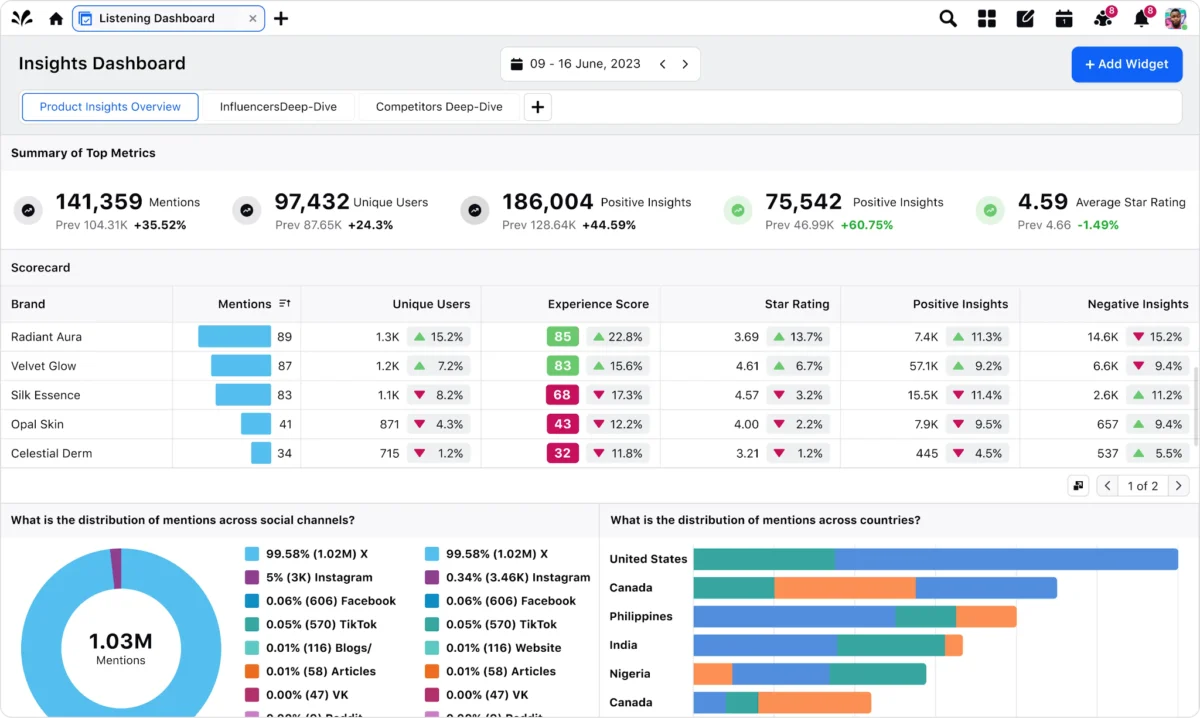
Social intelligence represents the apex of this evolution. It transcends mere data collection and interpretation, elevating insights into strategic foresight. A social intelligence tool helps brands turn online conversations into profound insights about their audience, market, and broader culture. Unlike surveys, which elicit prompted data, social intelligence thrives on unprompted data – the organic venting, joking, sharing of recommendations in forums, and candid reviews filmed for YouTube and TikTok. This provides marketers with access to millions of spontaneous mini-focus groups happening continuously across the social web, offering an authentic pulse of public opinion that is often more reliable and immediate than traditional market research methods.

Distinguishing Key Concepts: Analytics, Listening, and Intelligence
While all three concepts—social media analytics, social listening, and social intelligence—rely on social data, they serve distinct purposes and answer different strategic questions:
- Social Media Analytics: This discipline primarily focuses on performance metrics related to a brand’s owned social media accounts and content. It measures quantifiable outcomes such as likes, shares, reach, impressions, clicks, and follower growth. The primary objective is reporting and content optimization, helping brands understand how their own efforts are performing.
- Social Listening: Moving beyond owned channels, social listening gathers, analyzes, and interprets online conversations across a wider spectrum of platforms. Its focus is on understanding what people are saying about the brand, competitors, and industry. Key data points include mentions, keywords, sentiment, trending topics, and share of voice. It is best suited for brand monitoring, crisis management, and campaign tracking.
- Social Intelligence: This is the most expansive of the three. It takes the interpreted data from social listening and integrates it with other contextual information to inform overarching business strategy. Its focus is strategic insight, encompassing broader market dynamics, consumer behavior, cultural shifts, competitive intelligence, and trend discovery. Social intelligence combines listening data, analytics, trends, and audience/competitive context to drive consumer research, strategic planning, and product innovation.
Dylan Peterkin, a recognized social intelligence expert, highlights this progression, noting that teams typically outgrow basic listening tools when their objectives "move past performance and shift into understanding audiences and culture." He emphasizes, "A basic tool can help you measure what you spent on an idea and how it performed with your existing audience, but there’s no replacement for full-fledged intelligence: being where your target audience is, and finding ways to exist in those spaces naturally through product AND content." In essence, when strategic questions extend beyond campaign performance, the limitations of basic listening become apparent, necessitating the depth and breadth offered by social intelligence.
Decoding the Digital Room: Core Components of Effective Social Intelligence Tools
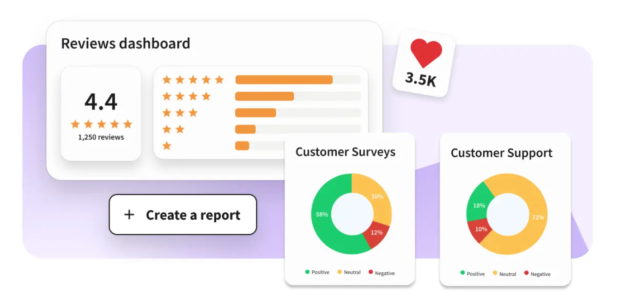
Selecting the right social intelligence platform in 2026 requires careful consideration of several critical features that collectively enable brands to move from raw data to actionable insights. The ideal tool offers broad data coverage, robust noise reduction, sophisticated trend and theme detection, AI-powered analysis, and an intuitive interface accessible to the entire team.
-
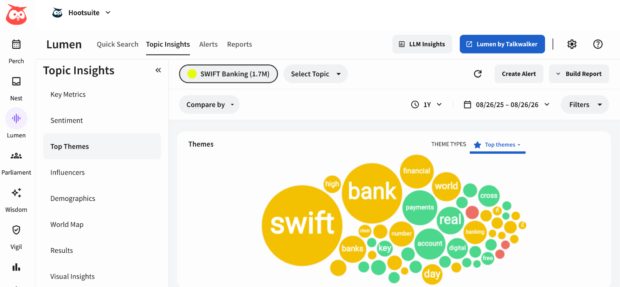
Comprehensive Data Coverage: Before any analysis can begin, a social intelligence tool must effectively "be in the room" where target audiences are conversing. This means extending beyond major social media platforms like X (formerly Twitter), Facebook, and Instagram, to encompass niche forums, Reddit rabbit holes, TikTok comments, YouTube discussions, news sites, blogs, and even review platforms. Peterkin underscores the foundational importance of data coverage: "I need to understand where the gaps are, both for my own goals as an org and for the reputation of the company at the forefront." The inclusion of online review tracking alongside social data, he notes, creates a "powerful storytelling combination that not every tool offers," enabling brands to understand the complete customer journey and uncover pain points and whitespace opportunities both on and off social media. A comprehensive tool ensures a holistic, rather than partial, understanding of public discourse.
-
Advanced Noise Reduction and Data Filtering: The sheer volume of data on social media is both its greatest asset and its biggest challenge. Raw social data is inherently noisy, containing spam, bot activity, irrelevant mentions, duplicate content, and conversations that bear no strategic value. Imagine searching for "Apple" and needing to distinguish discussions about the technology giant from those concerning the fruit. A high-quality social intelligence tool employs sophisticated algorithms, including natural language processing (NLP) and machine learning, to cut through this clutter. It automatically identifies and filters out spam, flags bot accounts, and allows users to exclude irrelevant sources or terms, ensuring that the insights derived are based on meaningful and authentic conversations.
-
Trend and Theme Detection with Contextual Understanding: The most valuable insights rarely reside in individual posts but rather in the patterns that emerge across thousands or even millions of conversations. A robust social intelligence platform excels at identifying these patterns, highlighting recurring topics, themes, and narratives. Peterkin points to conversation clustering as an underappreciated feature, valuable for "revealing what else your audience cares about besides what you went hunting for." He illustrates this with the example of college students discussing textbook costs; while seemingly about textbooks, a deeper cluster analysis might reveal it’s part of a larger conversation about students struggling with basic needs affordability. This ability to zoom out and identify broader, more interesting patterns is crucial for strategic insight.
-
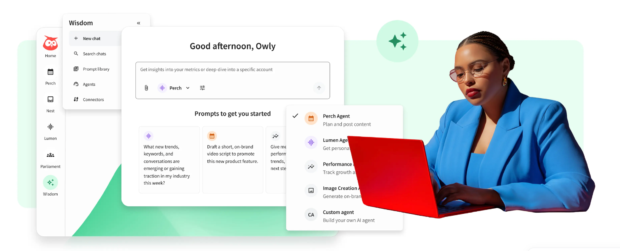
AI-Powered Analysis and Actionable Insights: Marketers are often overwhelmed by metrics without a clear understanding of their meaning or implications. This is where AI, particularly generative AI, plays a transformative role. Newer tools can summarize vast volumes of conversation, explain unusual spikes in activity, and even surface potential drivers behind these changes. For instance, if brand mentions jump from 10,000 to 80,000, merely reporting a 700% increase is insufficient. What truly matters is why: Was it a celebrity endorsement, a viral controversial post, or a flood of bot activity? AI-powered intelligence can differentiate these scenarios and suggest appropriate responses. Critically, the best AI tools, like Hootsuite’s Wisdom, provide citations for their conclusions, allowing users to trace insights back to their source data and verify accuracy. This ensures trust and transparency, moving beyond mere reporting to genuine intelligence.
-
User-Centric Interface and Data Literacy: Even the most sophisticated tools are ineffective if they are not user-friendly. Peterkin’s simple test for usability is whether "I can put this platform in front of someone and they’ll understand what they’re looking at, regardless of whether they can operate or produce it themselves." An intuitive interface, clear visualizations, and digestible reports are paramount. Furthermore, an ideal tool should enhance an organization’s overall social media data literacy, empowering a wider range of team members to understand and utilize insights without constant expert intervention. This fosters a data-driven culture and ensures the investment in social intelligence yields maximum returns.
A Landscape of Innovation: Leading Social Intelligence Platforms in 2026
The market for social intelligence tools is dynamic, with several platforms offering distinct advantages. Here’s a closer look at some of the leading solutions in 2026:
-
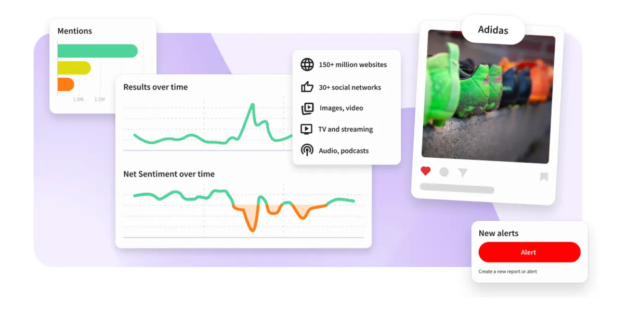
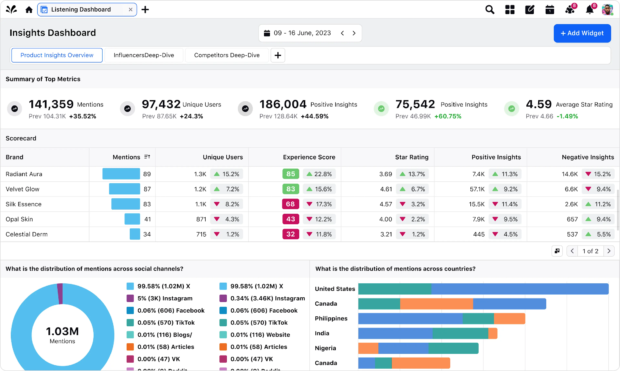
1. Lumen (Hootsuite): Hootsuite’s Lumen stands out for its extensive global coverage, indexing 150 million websites and over 30 social channels, including Reddit, LinkedIn, and emerging platforms like Bluesky. This breadth ensures that enterprise and global teams can access deep social listening across diverse digital ecosystems. Lumen is synergistically paired with Wisdom, Hootsuite’s social-first AI agent, allowing users to ask plain-language questions about their social data and receive cited answers, complete with recommended next steps. Key specs include real-time insights, customizable dashboards, competitive benchmarking, sentiment analysis, and crisis management features, making it ideal for large organizations needing comprehensive, actionable intelligence.
-
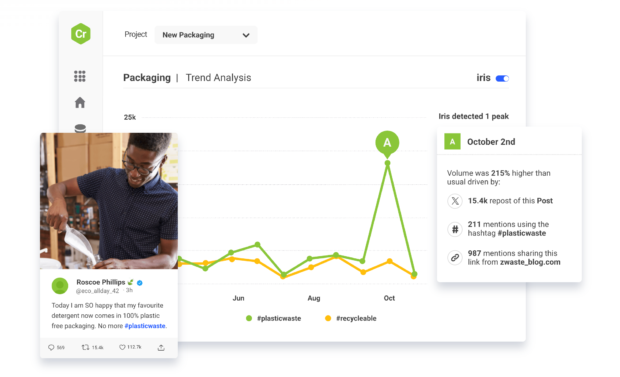
2. Brandwatch: Renowned for its unparalleled scale, Brandwatch has indexed over 1.6 trillion historical conversations since 2010, adding millions daily. This makes it a powerhouse for brands requiring a deep archive of consumer opinion for historical trend analysis and long-term strategic planning. Its Iris AI layer automates heavy lifting, spotting trends, analyzing sentiment with high accuracy, and recognizing images and logos, providing a rich, contextual understanding of brand perception.
-
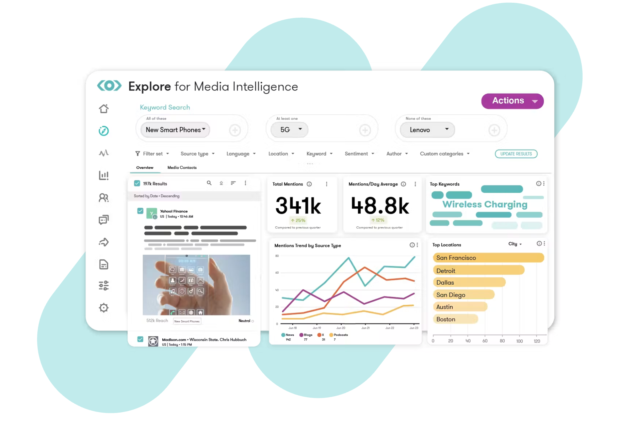
3. Meltwater: With roots in public relations, Meltwater offers a robust media intelligence platform that extends beyond social to encompass news, broadcast, print, and even Large Language Models (LLMs). Its innovative GenAI Lens tracks brand mentions and perception within AI assistants like ChatGPT, Gemini, and Claude, identifying the most cited publishers. This unique capability is invaluable for PR-led teams focused on comprehensive media monitoring and managing brand visibility across emerging AI landscapes.
-
4. Sprinklr: Positioned as a comprehensive customer experience platform, Sprinklr integrates social listening as one of many capabilities within a unified environment. It allows teams to manage customer service, social engagement, and marketing holistically. Sprinklr AI is designed to surface emerging themes, shifting trends, and data anomalies across billions of indexed conversations, providing a single source of truth for customer-centric strategies and channel management.
-
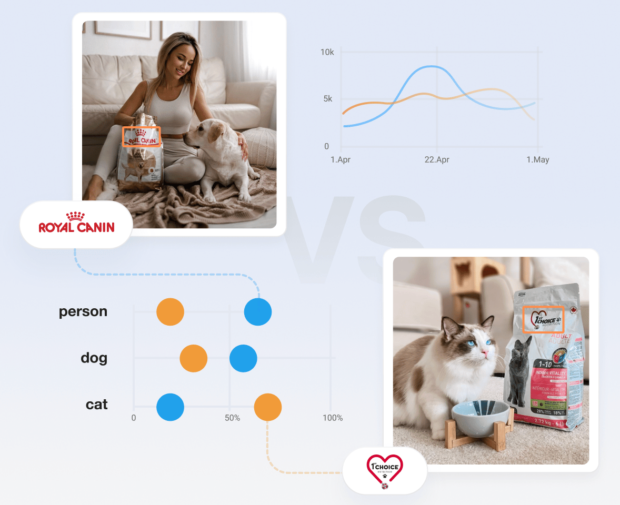
5. YouScan: Built for visual-first brands, YouScan’s core strength lies in its Visual Insights add-on. Beyond keyword and text-based monitoring, it scans over 500,000 online sources to detect logos, objects, and even demographic information within images. This is crucial for brands where visual content plays a significant role in consumer interaction. Its Insights Copilot AI assistant provides real-time answers to questions about social listening data, making visual insights immediately actionable.
-
6. Audiense: An audience intelligence platform, Audiense distinguishes itself by building complete pictures of target audiences. It connects social, behavioral, and intent signals, leveraging a massive database of over 3 billion global consumer profiles and decades of behavioral data. A standout feature is the ability to chat with AI-powered personas built from real audience segments, allowing teams to test messaging, creative direction, or campaign concepts against highly accurate virtual representations of their target consumers. This is invaluable for deep audience profiling and targeted marketing strategies.
-
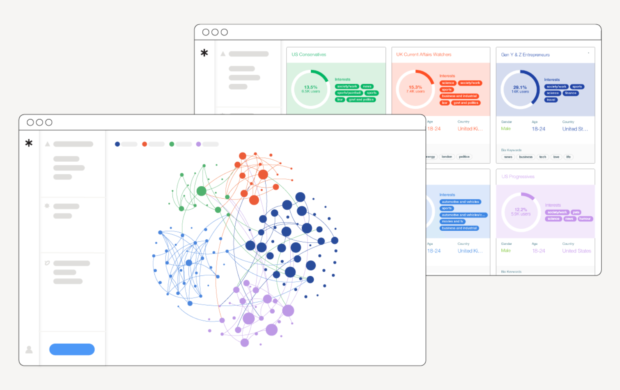
7. Pulsar: Pulsar focuses on audience segmentation, breaking down broad conversations into insights from distinct communities. This allows brands to understand not just what is being said, but who within their audience is saying it and how different segments discuss the same topic. Pulling social and web data from 195 countries, it offers comprehensive sentiment, topic, and emotion analysis across multiple languages, making it ideal for teams needing nuanced understanding of diverse audience communities. Its Narratives AI detects and ranks emerging narratives across vast datasets.
-
8. Quid: A market and consumer intelligence platform, Quid goes beyond typical social listening by integrating signals from social media, broadcast, news, and even patents. Its unique edge is prediction, forecasting shifts in shopper demand to inform decisions on inventory, pricing, and campaign planning. This makes Quid particularly valuable for industries like pharma, retail, and consumer packaged goods, where anticipating market shifts is critical. Its Q Agents offer pre-built workflows to streamline manual analysis.
Navigating the Cost of Insight: Understanding Social Intelligence Tool Pricing
While lighter-weight social listening tools might cost a few hundred dollars per month, sophisticated social intelligence platforms typically operate on custom pricing models. Vendors tailor quotes based on specific organizational needs, considering factors such as the volume of data required, the breadth of data sources (e.g., specific social platforms, review sites, news archives), the number of user seats, and the depth of analytics and AI capabilities. Platforms like Brandwatch, Lumen, and Meltwater, for instance, all offer custom quotes to align with the unique requirements of enterprise-level clients. Investing in these tools requires a clear understanding of the potential return on investment (ROI), which can be realized through improved marketing effectiveness, faster product innovation, enhanced crisis management, and stronger competitive positioning.
Strategic Impact and Business Implications
The insights derived from social intelligence tools have far-reaching implications across various business functions:
- Marketing and Brand Strategy: Social intelligence informs the development of more resonant marketing campaigns, helps craft authentic messaging, optimizes content strategies, and identifies influential voices within target communities. It allows brands to move beyond guesswork, ensuring their efforts align with actual consumer desires and cultural currents.
- Product Development: By monitoring unprompted conversations, brands can identify unmet needs, common pain points, feature requests, and emerging whitespace opportunities directly from customer feedback. This fuels innovation, ensuring product roadmaps are customer-centric and market-driven.
- Public Relations and Crisis Management: Real-time social intelligence enables early detection of negative sentiment shifts or emerging crises, allowing PR teams to respond proactively, manage reputation effectively, and mitigate potential damage before it escalates.
- Competitive Intelligence: Understanding what consumers say about competitors, their products, and their marketing efforts provides invaluable competitive advantage. It helps benchmark performance, identify market share shifts, and uncover competitor strategies.
- Customer Service: Proactive monitoring of customer complaints and feedback across social channels allows for quicker issue resolution and helps identify systemic problems that can be addressed to improve overall customer experience.
Challenges and Ethical Considerations
Despite its immense benefits, the deployment of social intelligence tools is not without challenges and ethical considerations. Data privacy remains a paramount concern, with regulations like GDPR and CCPA shaping how data can be collected, stored, and analyzed. Brands must ensure full compliance and transparency. The potential for bias in AI algorithms and data interpretation also necessitates human oversight and critical analysis to avoid skewed insights. Furthermore, the prevalence of misinformation and disinformation on social platforms means tools must be robust enough to distinguish credible signals from noise, while brands must be mindful of the ethical implications of using data that may originate from manipulated sources. The strategic interpretation of data, therefore, requires not just technological prowess but also human judgment and an unwavering commitment to ethical practices.
The Future of Understanding: Hootsuite’s Integrated Approach with Lumen and Wisdom

In the complex and rapidly evolving digital landscape of 2026, Hootsuite offers a comprehensive solution by combining Lumen for deep listening and market intelligence with Wisdom for transforming those insights into actionable next steps. Lumen helps teams stay ahead of critical moments by providing real-time social intelligence and alerts. It tracks conversations across the vast social web, flags important changes like spikes in mentions or sentiment dips, and enables teams to understand developing situations while there is still time to act.
Complementing this, Wisdom, Hootsuite’s social-first AI agent, helps teams accelerate the journey from insight to content, strategy, and response decisions. Users can ask plain-language questions, such as "What’s shaping perception of us this week?", and receive clear, concise summaries of what is happening, why it matters, and what actions to consider next. This intelligent integration eliminates the need for manual data translation, allowing teams to quickly grasp significant shifts, address critical conversations, and implement informed strategies without delay.
Conclusion
In an era where consumer voices are louder and more fragmented than ever, social intelligence has become an indispensable strategic imperative for brands seeking to thrive. Moving beyond basic metrics, it provides a profound, real-time understanding of audience sentiment, market dynamics, and cultural trends. By leveraging advanced social intelligence tools, businesses can transform vast streams of online data into a powerful compass for marketing, product development, public relations, and overall business strategy. The ability to "read the room" at a very large scale, not just react to it, is the hallmark of forward-thinking organizations in 2026.
Turn social intelligence into action with Hootsuite. Use Lumen to monitor conversations, spot sentiment shifts, and get real-time alerts when trends or risks start to take off. Then ask Wisdom, Hootsuite’s social-first AI agent, to explain what’s happening and what your team should do next. Try Hootsuite free today.