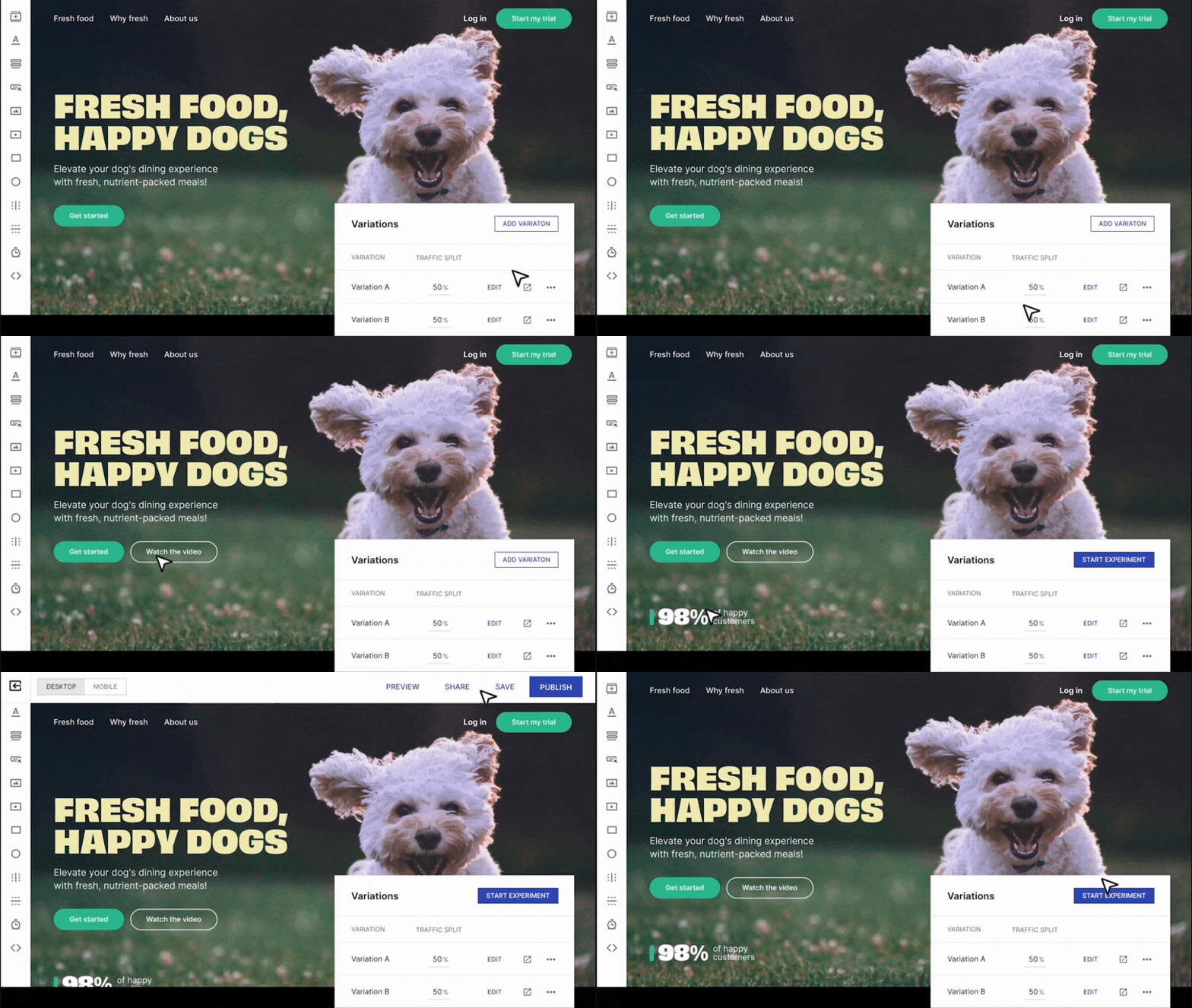
The digital marketing landscape has reached a point of unprecedented saturation, where the cost of acquiring traffic through paid channels continues to climb while consumer attention spans dwindle. For modern enterprises, the landing page serves as the critical bridge between a potential lead’s initial interest and a finalized conversion. However, the architecture of a high-converting landing page is notoriously complex, requiring a precise alignment of ad-to-page relevance, value proposition clarity, and psychological triggers. When conversion rates fail to meet established industry benchmarks, organizations face a pivotal choice: abandon the strategy or employ rigorous scientific methodologies to diagnose and rectify performance gaps. This is where A/B testing, or split testing, has transitioned from an optional tactic to a fundamental pillar of corporate digital strategy.
The Scientific Framework of Conversion Rate Optimization
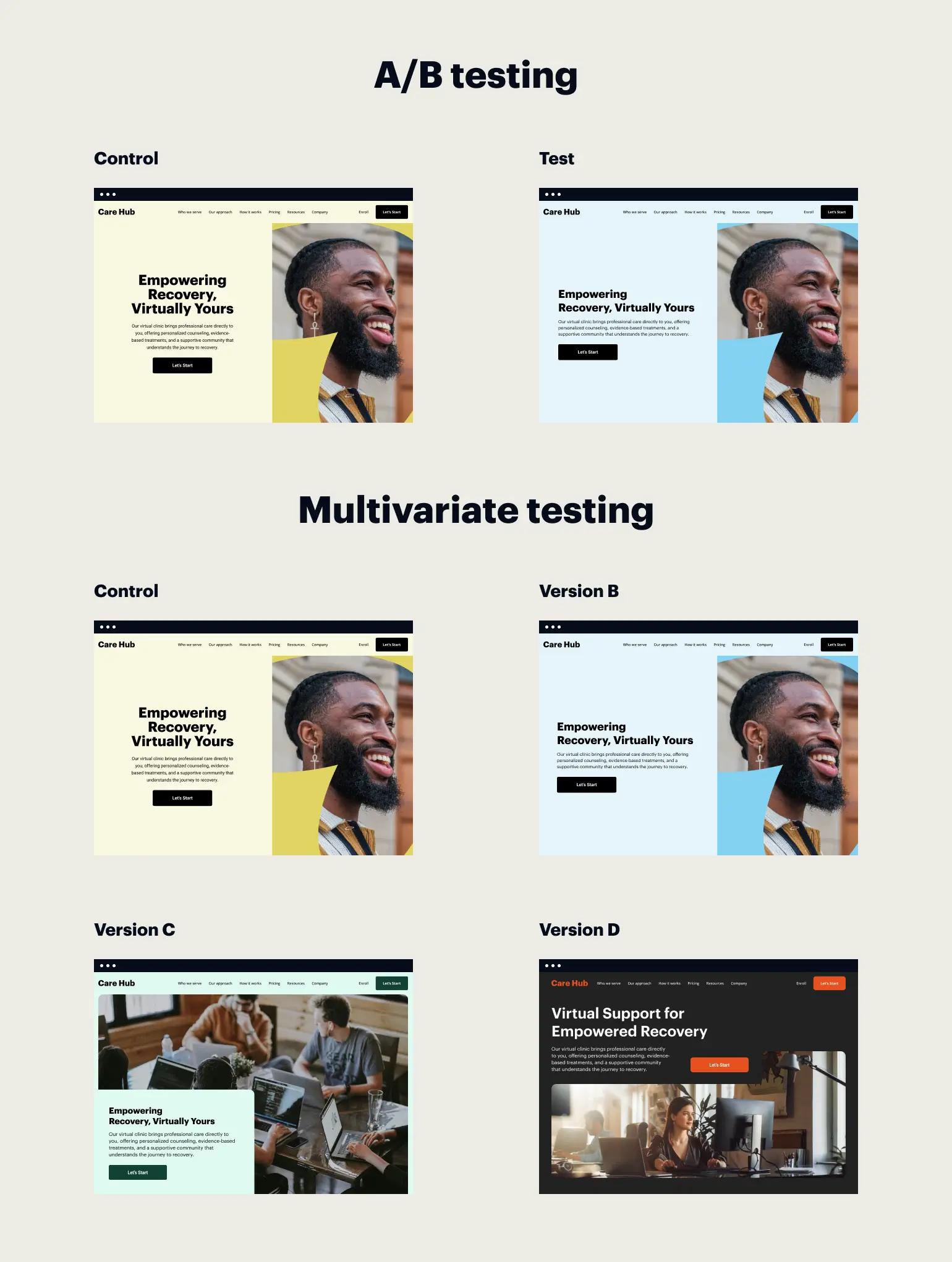
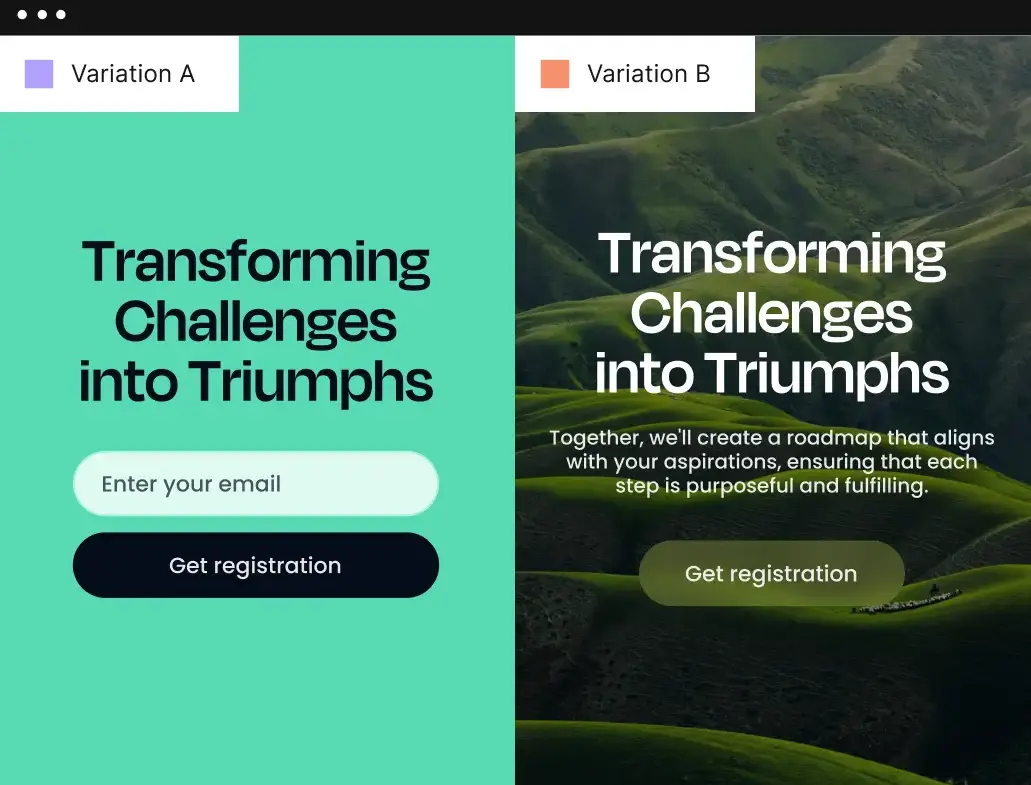
A/B testing is a controlled experiment wherein two or more versions of a webpage are shown to users at random to determine which version performs better according to a specific metric, such as click-through rates or form completions. By isolating variables—ranging from headline copy and call-to-action (CTA) button colors to entire layout structures—marketers can move away from "gut-feeling" decisions toward data-backed certainty.

In a typical A/B testing chronology, a marketing team first identifies a "leak" in the conversion funnel through analytics. They then formulate a hypothesis (e.g., "Changing the CTA from ‘Submit’ to ‘Get My Free Guide’ will increase conversions by 15%"). Following the deployment of the test, traffic is split using a randomization algorithm. The experiment concludes only when statistical significance is achieved, ensuring that the observed results are not the product of random chance or seasonal fluctuations.
Evaluating the Modern Testing Ecosystem
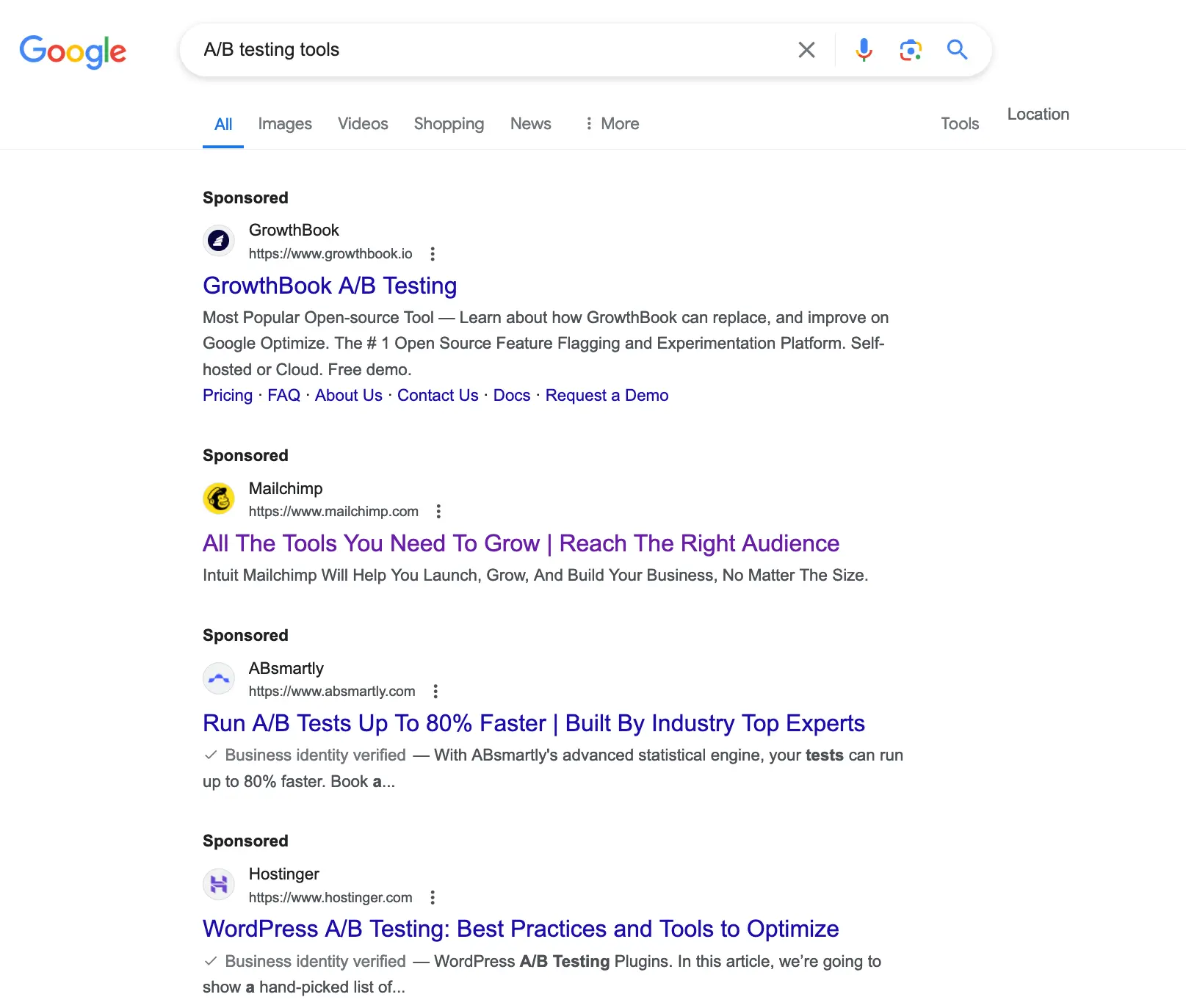
As the demand for optimization has grown, the market for testing tools has expanded into a multi-billion-dollar industry. Selecting the appropriate platform requires a nuanced understanding of several key performance indicators. According to industry analysts, the efficacy of an A/B testing tool is measured by its "flicker" management (the delay before a variation loads), its integration with existing tech stacks (CRMs, analytics suites, and email platforms), and its accessibility for non-technical users.
Modern platforms are increasingly judged on their ability to handle server-side experimentation. Unlike client-side testing, which modifies the page in the user’s browser and can lead to slower load times, server-side testing happens at the root level. This results in a seamless user experience and prevents the "Cumulative Layout Shift" (CLS) issues that can negatively impact search engine optimization (SEO) rankings.
Leading Solutions in the A/B Testing Market
1. Instapage and the Rise of AI-Driven Experiments
Instapage has positioned itself as a leader in the landing page optimization space by integrating building and testing into a single, cohesive workflow. The platform’s shift toward server-side experimentation reflects a broader industry trend toward performance-first testing. One of the standout features of the current Instapage suite is the "AI Experiments" functionality. This moves beyond traditional A/B testing into the realm of dynamic traffic allocation.
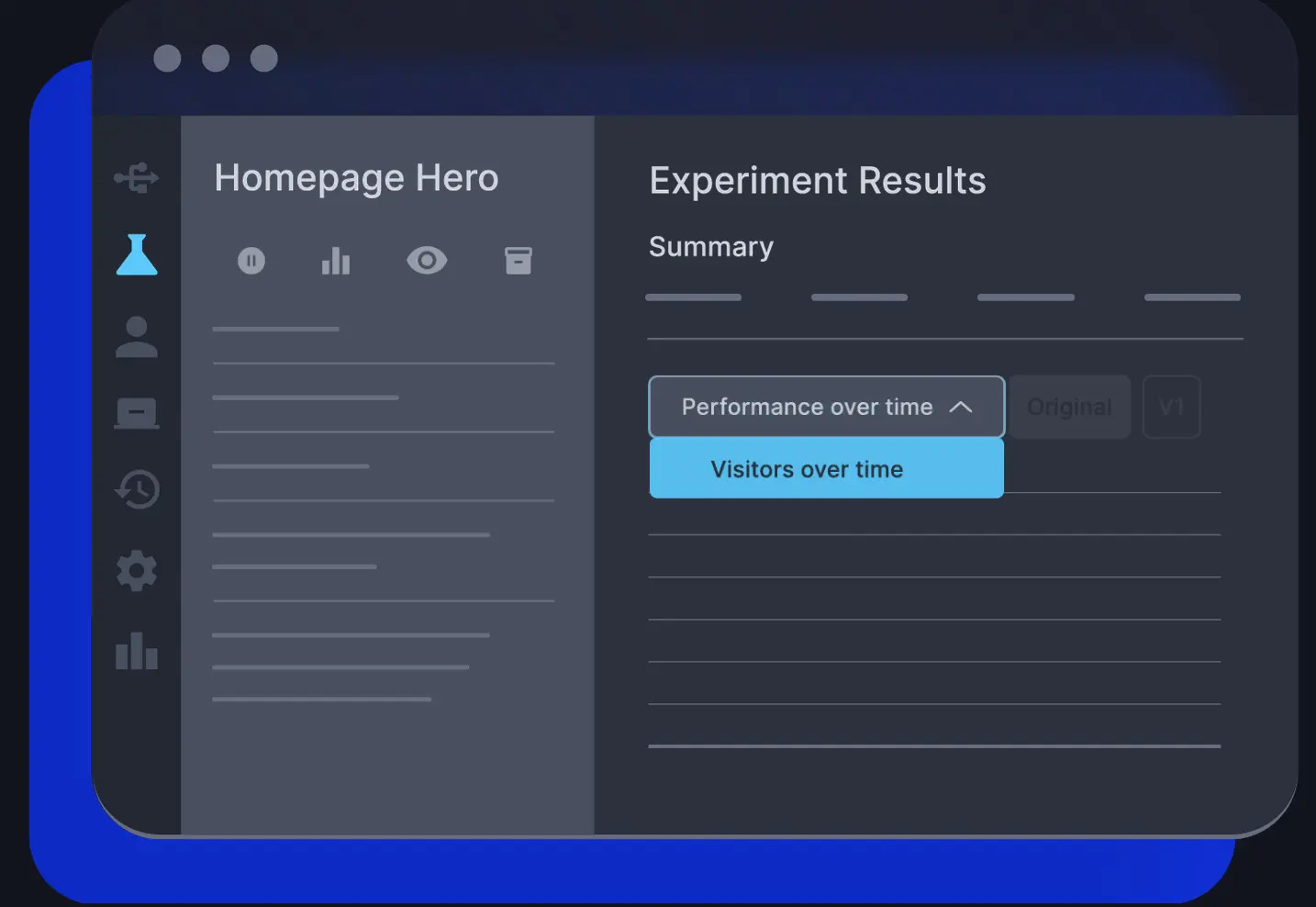
Dynamic traffic allocation uses machine learning to monitor an experiment’s progress in real-time. Rather than waiting weeks for a winner to be declared while potentially losing conversions on a failing variation, the AI automatically directs a higher percentage of traffic to the version that is currently outperforming the others. This "Multi-Armed Bandit" approach minimizes the "regret" or lost opportunity cost inherent in standard testing.
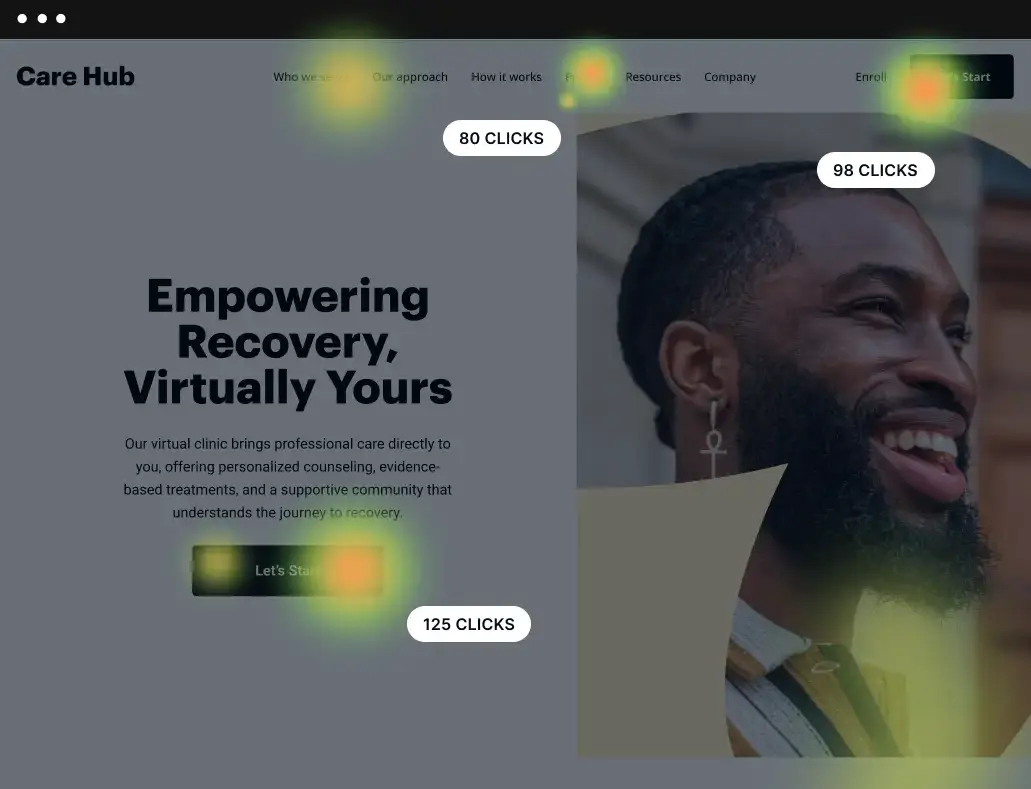
Furthermore, the integration of heatmaps allows marketers to visualize user behavior—tracking mouse movements, scroll depth, and click patterns. This qualitative data provides the "why" behind the "what" of quantitative A/B test results. For example, a heatmap might reveal that users are ignoring a primary CTA because it is placed too far below the "fold" on mobile devices, providing an immediate hypothesis for the next round of testing.
2. VWO: Multi-Metric Funnel Analysis
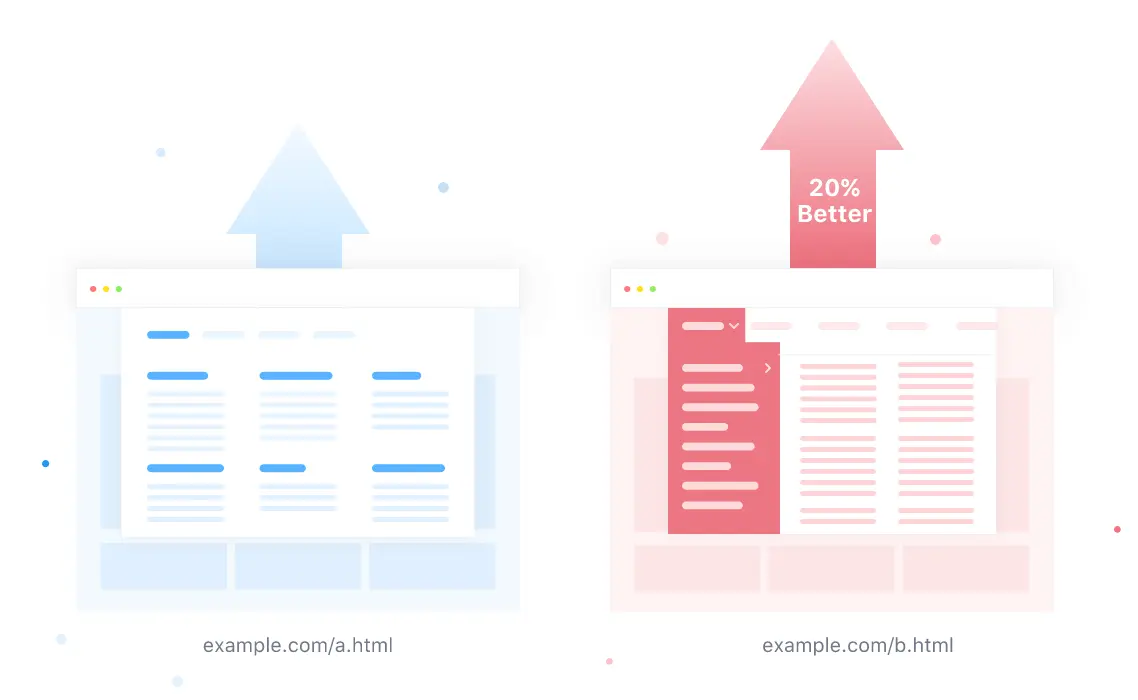
VWO (Visual Website Optimizer) remains a staple for organizations that require deep-funnel insights. VWO’s primary strength lies in its split URL testing capabilities. While standard A/B testing focuses on minor element changes, split URL testing allows marketers to host two entirely different designs on separate URLs. This is particularly useful for radical redesigns or testing entirely different conversion paths.
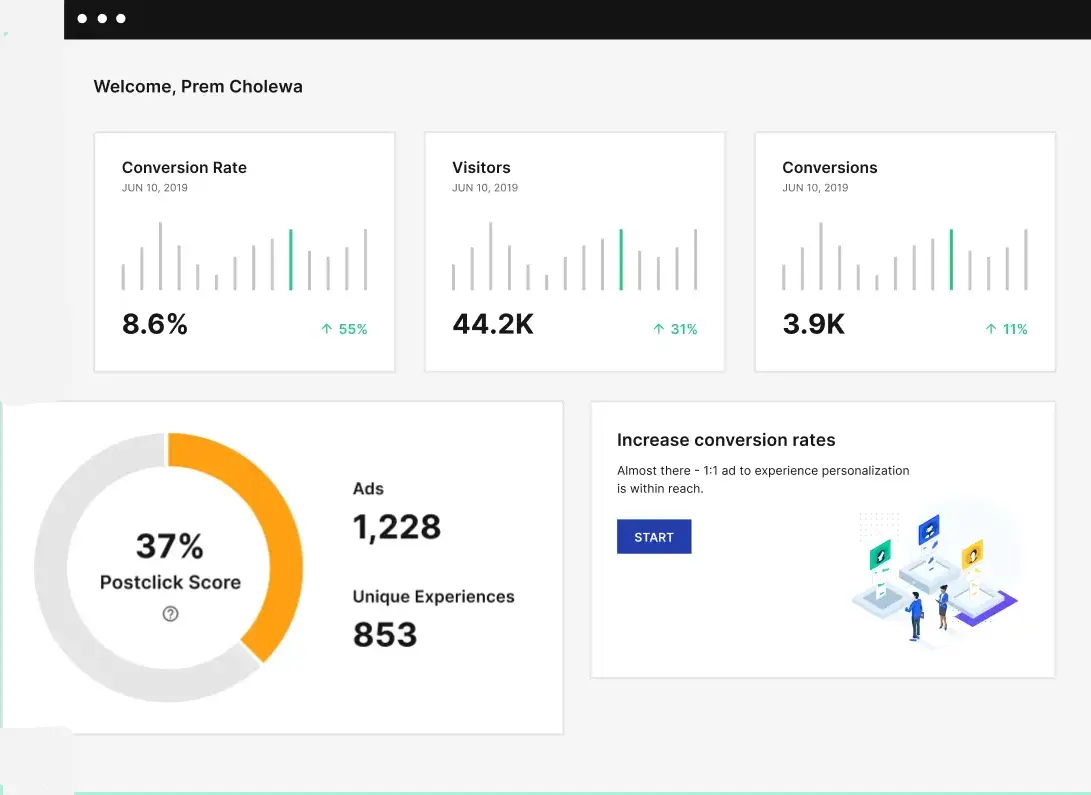
VWO’s statistical engine provides a "probability to be best" metric, which simplifies the decision-making process for stakeholders. By tracking multiple metrics across the entire funnel, VWO ensures that an improvement at the top of the funnel (e.g., more clicks) does not lead to a degradation at the bottom (e.g., lower lead quality).
3. Optimizely: Enterprise-Grade Edge Computing
Optimizely has evolved from a simple testing tool into a comprehensive Digital Experience Platform (DXP). It is frequently the choice for enterprise-level organizations that require high security and low-latency performance. Optimizely’s "Web Experimentation" utilizes the network edge—processing tests at the CDN level—to ensure that variations load as fast as the original page.
The platform is designed to bridge the gap between marketing and engineering. While it offers a visual editor for quick changes, it also provides robust APIs and SDKs for developers to run complex, multi-variate tests across different devices and applications. Their embedded AI capabilities also suggest copy variations based on historical performance data, further reducing the time required for creative development.
4. GrowthBook: The Warehouse-Native Alternative
A significant shift in the data industry has led to the rise of "warehouse-native" tools like GrowthBook. Unlike traditional platforms that silo data within their own servers, GrowthBook integrates directly with an organization’s existing SQL data sources, such as BigQuery, Snowflake, or Redshift.
This approach offers two major advantages: data sovereignty and flexibility. Organizations maintain full control over their user data, which is crucial for compliance with GDPR and CCPA regulations. Additionally, because GrowthBook is open-source, it allows for a level of customization that proprietary tools cannot match. It is an ideal solution for data-heavy companies that want to run unlimited tests without being penalized by "per-visitor" pricing models.
Supporting Data and Industry Case Studies
The financial implications of A/B testing are substantial. A study by Econsultancy indicated that for every $92 spent on acquiring customers, only $1 is spent on converting them. This imbalance represents a massive inefficiency in global advertising spend.
The impact of correcting this imbalance is seen in the case of Verizon’s VDMS team. By utilizing Instapage’s A/B testing features to validate page elements, the team was able to gain first-hand insights into visitor behavior. The result was a reduction in cost-per-conversion of more than 50%. In the context of enterprise-scale advertising budgets, such a reduction translates to millions of dollars in saved capital or reallocated resources for further growth.
Industry benchmarks suggest that a "good" conversion rate for a landing page typically falls between 2% and 5%. However, companies that actively engage in testing and optimization often see rates exceeding 10%. This 2x to 5x increase in efficiency effectively doubles or quintuples the value of every dollar spent on top-of-funnel traffic.
Expert Analysis and Broader Implications
The democratization of these tools means that even small to medium-sized businesses can now conduct experiments that were once the exclusive domain of tech giants like Google or Amazon. However, the "intelligence" of the tool is only as good as the strategy behind it. Analysts suggest that the future of the industry lies in "Hyper-Personalization."
In this next phase, A/B testing will move away from finding the "one best version" for all users and instead focus on finding the "best version for this specific user." By leveraging first-party data and AI, landing pages will dynamically reconfigure themselves in real-time based on the visitor’s geographic location, past purchase history, and referral source.
Furthermore, the rise of privacy-centric browsing (such as the phasing out of third-party cookies) is forcing a transformation in how tests are tracked. Platforms that rely on server-side tracking and first-party data are expected to thrive, while those reliant on older, browser-based tracking methods may face challenges in maintaining data accuracy.
Conclusion: The Imperative of Iteration
The core takeaway for modern marketers is that a landing page is never "finished." It is a living document that must evolve alongside consumer preferences and market conditions. A/B testing provides the necessary feedback loop to ensure this evolution is headed in the right direction.
Whether an organization chooses the all-in-one convenience of Instapage, the funnel depth of VWO, the enterprise power of Optimizely, or the data control of GrowthBook, the goal remains the same: to replace assumptions with evidence. As AI continues to integrate into these platforms, the speed of experimentation will only accelerate, making it possible for brands to optimize their customer journey at the speed of thought. Organizations that fail to adopt these rigorous testing methodologies risk falling behind competitors who are using data to systematically capture market share, one conversion at a time.