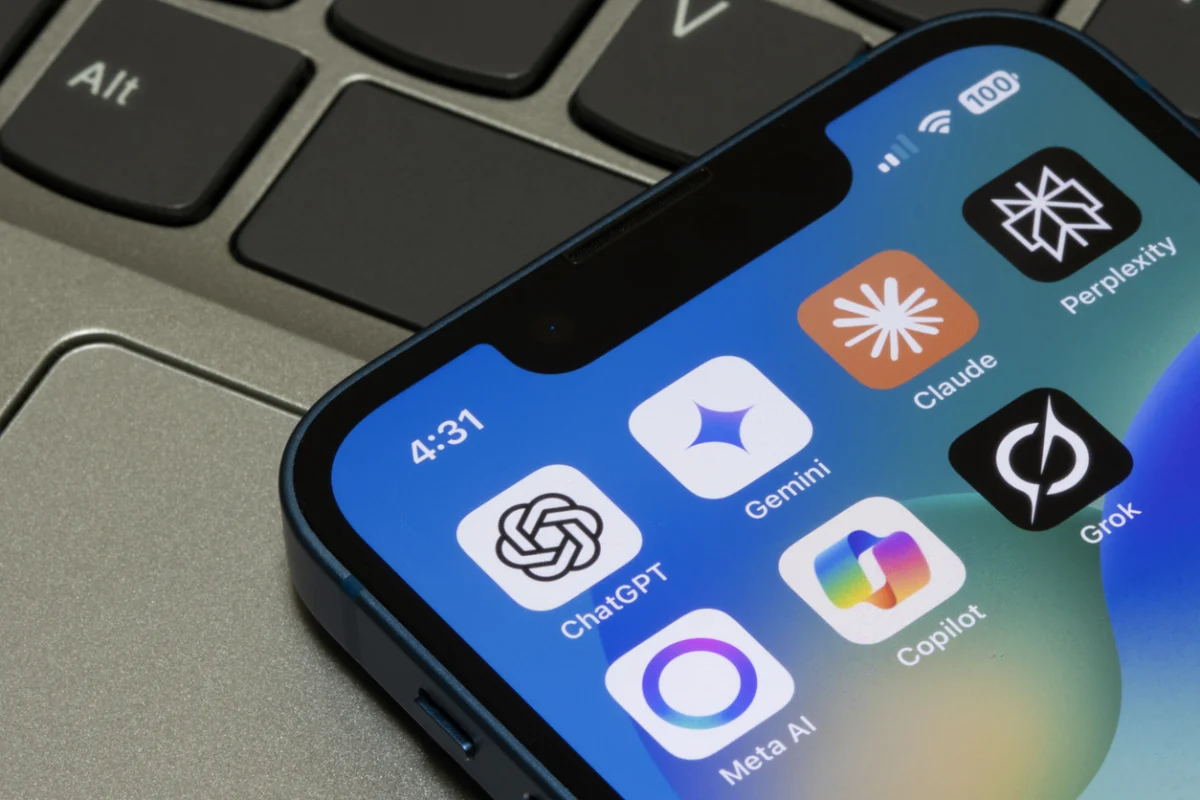
The rapid integration of generative artificial intelligence into the corporate communications landscape has created a paradox for modern leadership: while the ability to produce polished, high-volume content has never been easier, the ability to foster genuine trust has never been more difficult. As tools like ChatGPT, Claude, and Gemini become ubiquitous in executive suites and PR departments, a critical shift is occurring in how messages are received. For communications leaders, the challenge is no longer about speed or linguistic perfection; it is about preserving the "human voice"—the unique, often imperfect, but deeply authentic signature that distinguishes a leader from an algorithm.
According to Mary Olson-Menzel, founder and CEO of MVP Executive Development, and Michelle Powers, a fractional chief of staff, this shift represents a profound leadership issue. In a world where anyone can generate a sophisticated press release or a company-wide memo in seconds, the value of a message that feels "real" has skyrocketed. The professional communications landscape is currently navigating a transition from the era of "content optimization" to an era of "authenticity optimization."
The Rise of the Algorithmic Echo Chamber
To understand the current tension, one must look at the timeline of AI adoption within the corporate sector. Since the public launch of ChatGPT in late 2022, the adoption rate of generative AI in marketing and communications has outpaced almost any other technological shift in history. According to a 2023 report by Gartner, nearly 80% of marketing and communications leaders had already implemented or planned to implement generative AI within their workflows.
However, this efficiency has come at a cost. As more organizations use the same large language models (LLMs) to draft their messaging, a "sea of sameness" has begun to permeate corporate discourse. When every executive uses the same prompts and the same underlying technology, the unique characteristics that define leadership—humor, warmth, directness, and even strategic vulnerability—are often flattened. This phenomenon, often referred to as "algorithmic blandness," risks turning vital organizational communication into background noise.
Data on Trust and the Authenticity Deficit
The shift toward AI-assisted communication coincides with a broader crisis of trust in institutions. The 2024 Edelman Trust Barometer revealed a growing skepticism toward technology and corporate messaging. The report indicated that while 63% of respondents trust "a person like themselves," trust in official corporate spokespeople and CEOs is increasingly dependent on perceived transparency and empathy.
Further data from a 2023 McKinsey study on AI in the workplace suggests that while AI can improve productivity in writing tasks by up to 40%, it often lacks the "contextual intelligence" required for high-stakes leadership. This gap is where the human voice becomes a competitive advantage. Employees and stakeholders are becoming increasingly adept at identifying the "hollow" feeling of AI-generated prose—text that is grammatically perfect and structurally sound but lacks the conviction of a human being standing behind the words.
The Evolution of the Communications Leader’s Role
Historically, communications professionals were tasked with "polishing" the executive voice—removing stutters, refining syntax, and ensuring every word aligned with brand guidelines. In the age of AI, this role is being inverted. The new mandate for the Chief Communications Officer (CCO) and their teams is to protect the raw, human elements of a leader’s message.
The role is expanding from tactical execution to "authenticity coaching." Communications leaders are now responsible for helping executives develop a "leadership signature." This involves moving beyond corporate jargon and into language that reflects genuine belief. Olson-Menzel and Powers argue that the strongest executive communicators are those who can navigate uncertainty with transparency. A human voice says: “I know this change is hard. I know there are questions we can’t answer yet. But I believe this is the right direction, and here is why.” This contrasts sharply with the AI-style corporate boilerplate: “We recognize that this transition may create challenges as we continue to implement our strategic priorities.”
Strategic Vulnerability as a Leadership Tool
In a newsroom-style analysis of modern organizational change, it becomes clear that vulnerability is no longer a liability but a strategic asset. During periods of volatility—such as mergers, layoffs, or pivots in strategy—employees do not look for perfection; they look for presence.
AI is fundamentally incapable of presence. It can simulate empathy by using words associated with it, but it cannot "know" the weight of a decision. When a leader speaks with their own voice, they are offering a form of social proof. They are signaling that they have processed the information, felt the stakes, and are willing to be held accountable. This human accountability is the bedrock of organizational culture.
Chronology of Communication Trends
To contextualize this shift, we can look at the three distinct phases of corporate communication over the last two decades:
- The Era of Controlled Messaging (2000–2010): Characterized by highly filtered, one-way communication. Press releases and town halls were meticulously scripted, and the "corporate mask" was the standard.
- The Era of Digital Engagement (2011–2021): The rise of social media forced leaders to be more responsive and conversational. The focus shifted to "engagement" and "transparency," though still largely managed by large PR teams.
- The Era of Authenticity in the AI Age (2022–Present): With the democratization of high-quality writing via AI, the "polished mask" has become a commodity. The premium has shifted back to the unpolished, the live, and the deeply personal.
Managing the AI-Human Hybrid Workflow
The objective for modern organizations is not to reject AI, but to integrate it without losing the human core. Industry experts suggest a tiered approach to communication that preserves the human voice:
- Ideation and Structuring (AI-Led): Using AI to brainstorm themes, organize data points, and create initial outlines. This saves time on the "blank page" problem.
- Contextualization and Nuance (Human-Led): Infusing the draft with specific organizational context, internal history, and personal anecdotes that an AI would not know.
- The Authenticity Audit (Executive-Led): A final review where the leader asks: "Does this sound like me? Would I say this to an employee over coffee?"
Implications for the Future of Corporate Culture
If organizations allow AI to become the primary voice of leadership, the long-term implication is a degradation of culture. Culture is built on shared stories and emotional resonance. When communication becomes automated, the emotional bond between the leader and the led begins to fray.
Conversely, leaders who lean into their human voice—accepting the risk of being "less than perfect"—will find themselves with a more engaged and loyal workforce. In a marketplace where AI can replicate the "what" and the "how" of a message, the human voice is the only thing that can truly communicate the "why."
Conclusion: The Guardian of the Human Voice
As we move further into an AI-forward world, the value of the communications leader will be measured by their ability to keep the organization human. They must act as the guardians of the leadership signature, ensuring that even as tools evolve, the heart of the message remains grounded in human experience.
The leaders who will thrive in the coming decade are not those who use AI to replace their voice, but those who use AI to handle the mundane, freeing them to speak with more conviction, more clarity, and more humanity than ever before. The human voice is not just a tool for communication; it is the ultimate leadership advantage. In the end, people do not follow algorithms; they follow people who have the courage to speak their truth with a voice that is unmistakably their own.