India has solidified its position as the world’s second-largest hub for A/B testing and experimentation software development, trailing only the United States according to 2026 data from Tracxn. This rapid ascension reflects a broader shift within the Indian digital economy, where Direct-to-Consumer (D2C) brands and Software-as-a-Service (SaaS) companies are moving away from a "growth at all costs" mindset toward a "profitability through optimization" strategy. As margins tighten and customer acquisition costs (CAC) on platforms like Meta and Google continue to climb, the ability to squeeze more value out of existing traffic has become a survival imperative for Indian enterprises.
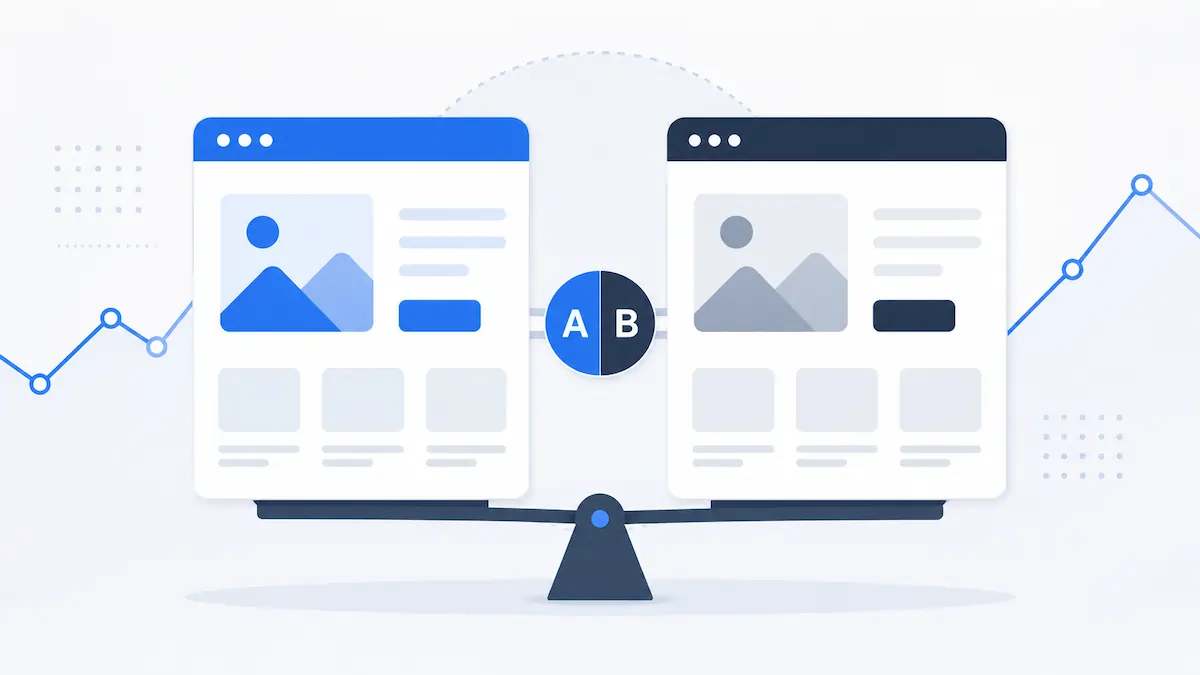
The Indian market is unique due to its mobile-first user base, often operating on inconsistent network speeds, and a highly seasonal shopping calendar dominated by events like Diwali and the Big Billion Days. Consequently, the demand for A/B testing tools that offer low-latency performance and local billing in Indian Rupees (INR) has surged. While global giants like Adobe and Optimizely maintain an enterprise foothold, a robust cohort of Indian-founded platforms—including VWO, Zoho PageSense, CustomFit.ai, and FreshMarketer—now provide world-class alternatives tailored to the specific needs of the subcontinent’s digital ecosystem.
The Evolution of the Indian Experimentation Landscape
The journey of India’s experimentation sector began in earnest in 2010 with the founding of Wingify in New Delhi. Its flagship product, VWO (Visual Website Optimizer), proved that a bootstrapped Indian startup could compete with Silicon Valley incumbents. Since then, the landscape has matured through significant consolidation and investment.

A pivotal moment occurred in January 2025, when Singapore-based Everstone Capital acquired a majority stake in Wingify. This was followed in January 2026 by the high-profile merger of VWO with the Paris-based AB Tasty. This merger created a global powerhouse headquartered in New Delhi, serving over 4,000 customers worldwide under the leadership of CEO Sparsh Gupta. This trajectory highlights a recurring theme: Indian-built tools are no longer just "local alternatives" but are defining the global standard for conversion rate optimization (CRO).
Simultaneously, Chennai has emerged as a secondary hub, led by the prolific output of Zoho Corporation and Freshworks. Zoho PageSense and FreshMarketer have integrated A/B testing into broader marketing suites, making experimentation accessible to small and mid-sized businesses (SMBs) that previously found dedicated tools cost-prohibitive.
Leading Indian-Founded A/B Testing Platforms
1. VWO (Wingify)
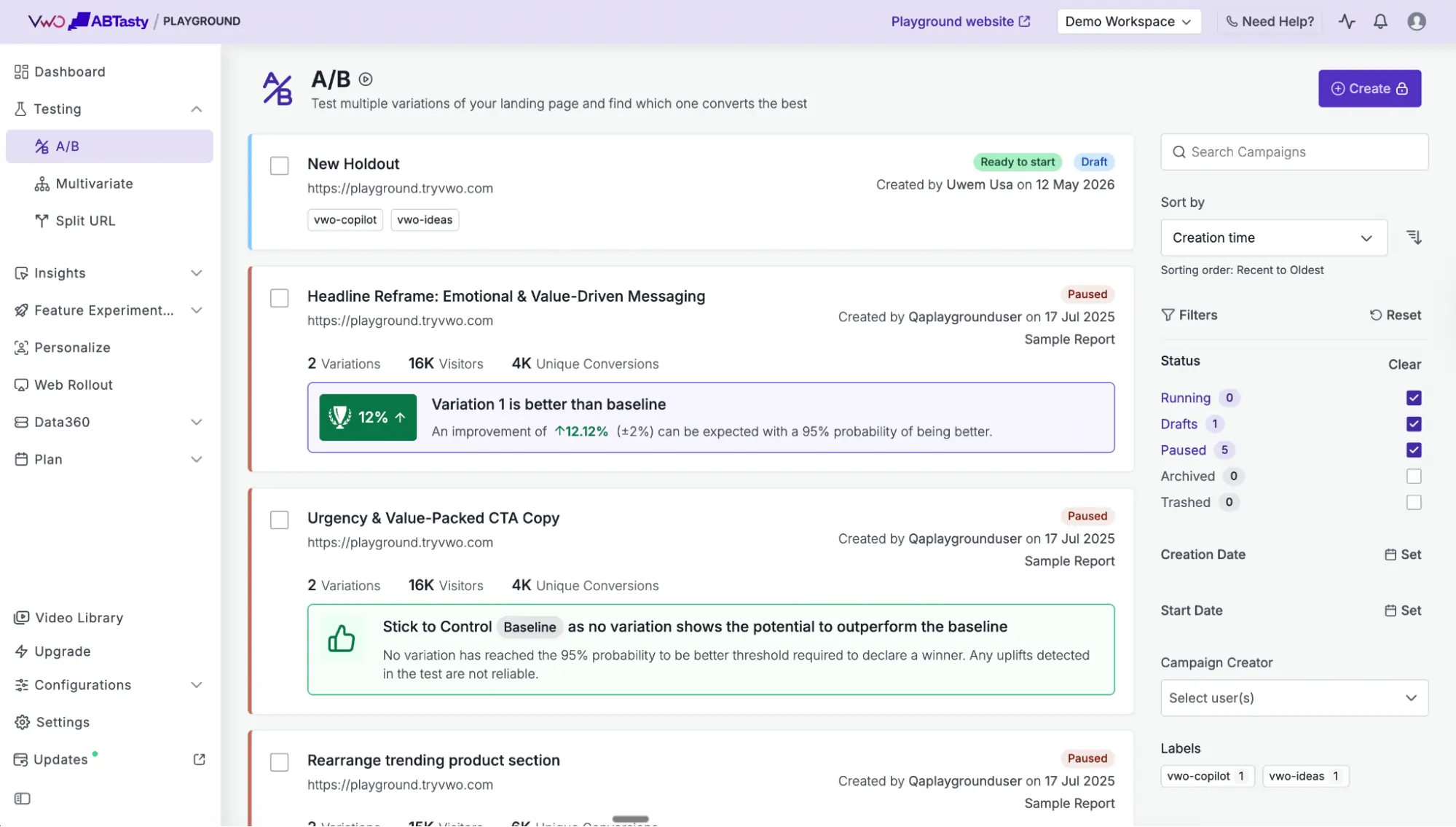
VWO remains the most recognizable name in the Indian CRO space. It offers a "full-stack" experience, encompassing client-side testing via a visual editor, server-side testing for deeper product changes, and behavioral analytics such as heatmaps and session recordings.
Following its merger with AB Tasty, the platform has integrated advanced AI capabilities to automate the generation of test hypotheses. For Indian enterprises, VWO’s primary appeal lies in its sophisticated targeting and its ability to handle massive traffic volumes without compromising site speed. While it has transitioned into a global entity, its roots in New Delhi provide it with a unique understanding of the regional market’s complexities.

2. Zoho PageSense
Part of the expansive Zoho ecosystem, PageSense is designed for teams that require a unified view of the customer journey. It combines A/B testing with funnel analysis and form analytics. The platform is particularly favored by Indian SMBs due to Zoho’s "Made in India" ethos and its transparent INR billing. For businesses already utilizing Zoho CRM or Zoho Books, PageSense offers seamless data integration, allowing teams to track how website experiments impact long-term customer lifetime value.
3. CustomFit.ai
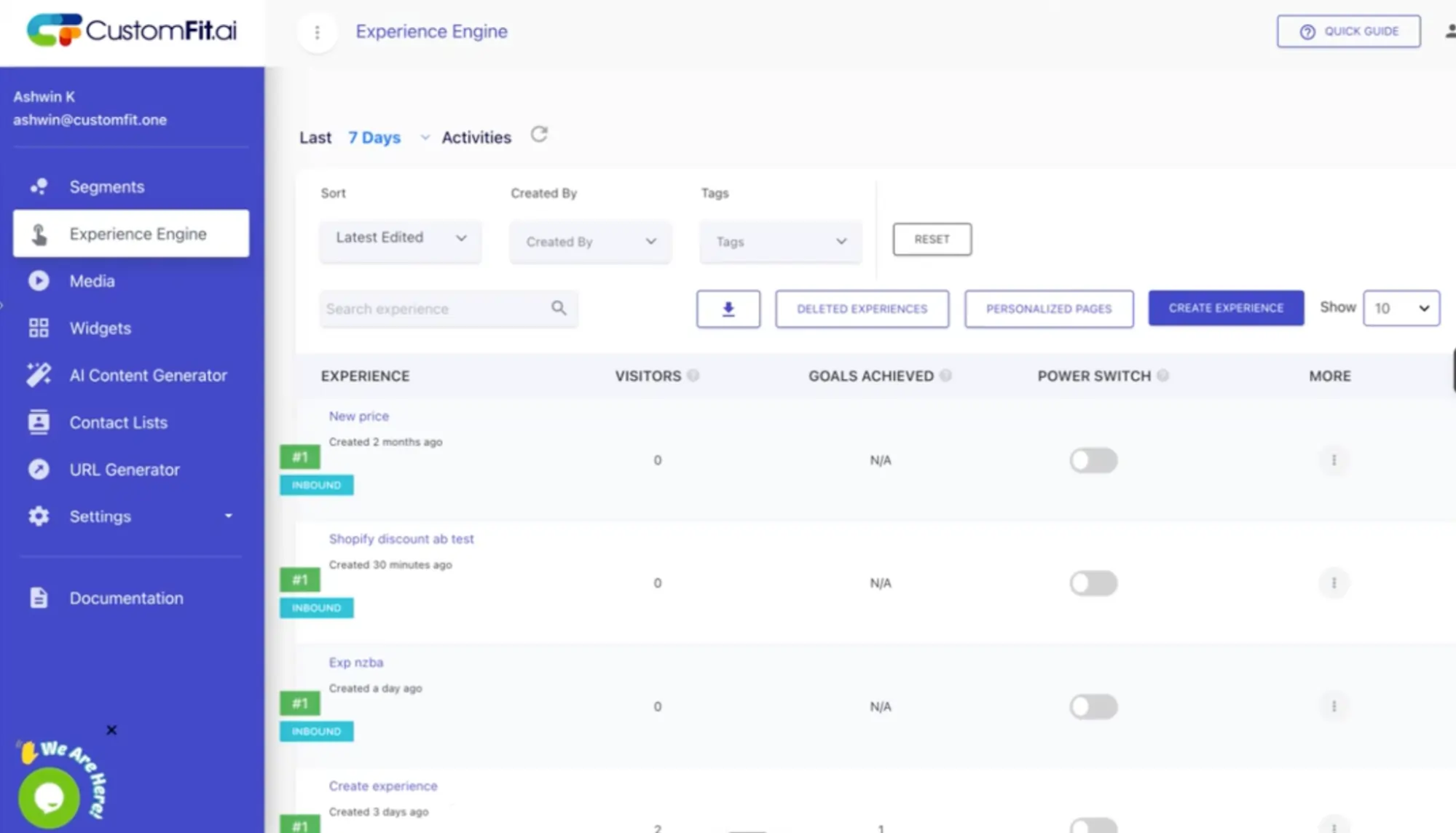
Founded in Bengaluru in 2017, CustomFit.ai focuses on the "no-code" revolution. It targets D2C brands, particularly those on Shopify and WooCommerce, who may not have dedicated engineering resources for every experiment. Its standout feature is its "anti-flicker" technology, which ensures that visitors do not see the original page content before the test variation loads—a critical factor for maintaining trust on mobile devices where rendering delays are common.
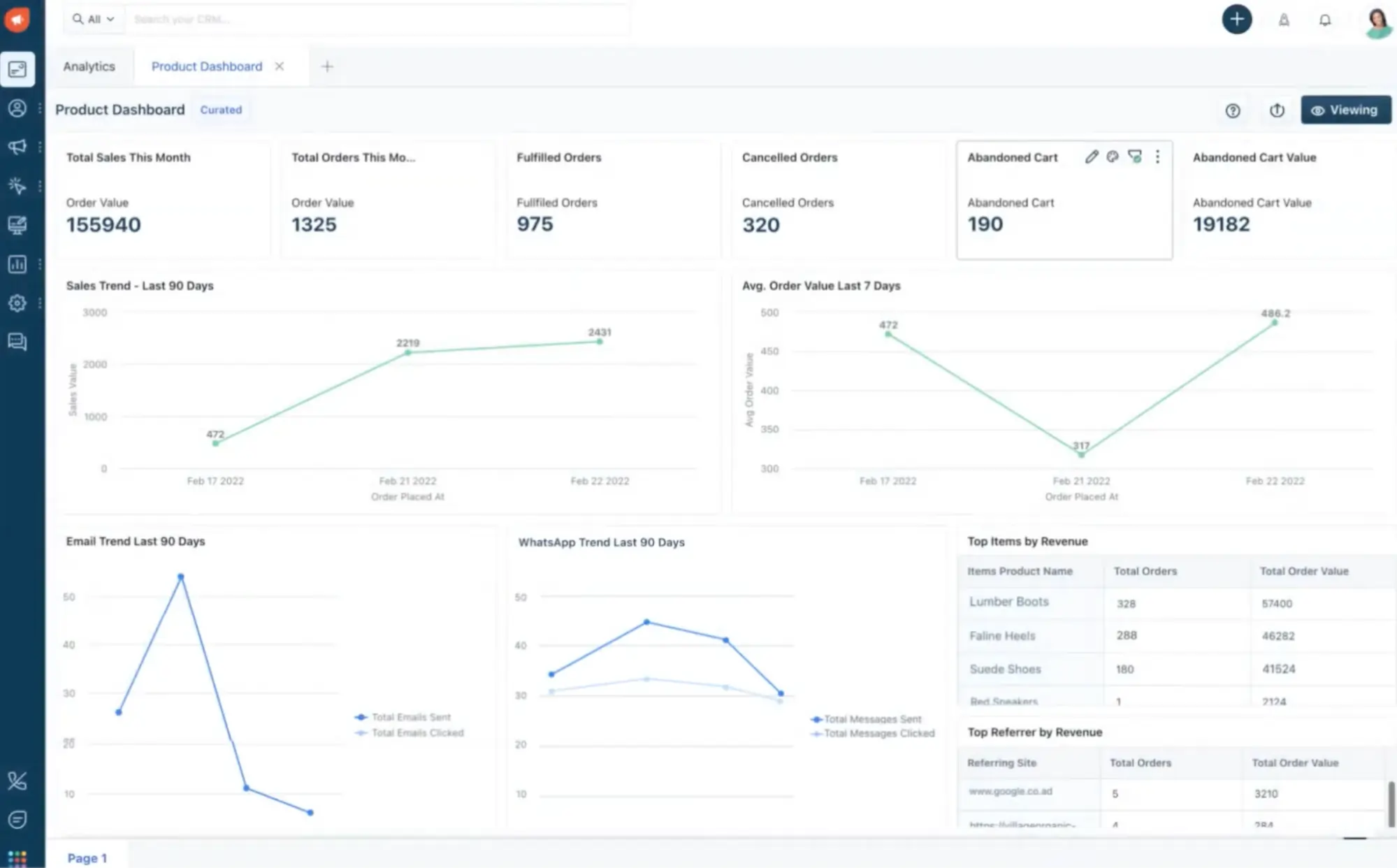
4. FreshMarketer (Freshworks)
FreshMarketer began as Zarget, a Chennai startup acquired by Freshworks in 2017. It positions A/B testing as a component of a larger marketing automation engine. This tool is ideal for growth marketers who want to link their website experiments directly to email and SMS campaigns. By housing CRO and communication tools under one roof, FreshMarketer reduces the "data silos" that often plague mid-market companies.
Global Platforms with Significant Indian Footprints
Despite the strength of local tools, several international platforms remain integral to the Indian market.

- Convert Experiences: Known for its privacy-first approach and flat-rate pricing, Convert has become a favorite for Indian CRO agencies and mid-market SaaS firms. While it bills in USD, it offers region-friendly practices, such as filtering out bot traffic before it consumes the tested-user quota, ensuring that brands only pay for genuine human interactions.
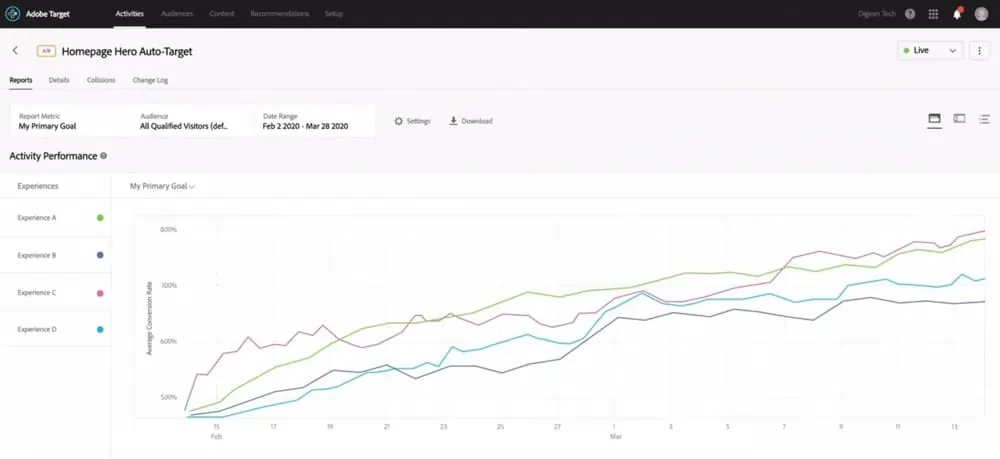
- Adobe Target: Heavily utilized by massive Indian conglomerates like Tata CLiQ, Adobe Target is the gold standard for enterprise-level personalization. It requires a significant investment and a mature data team but offers unparalleled integration with the Adobe Experience Cloud.
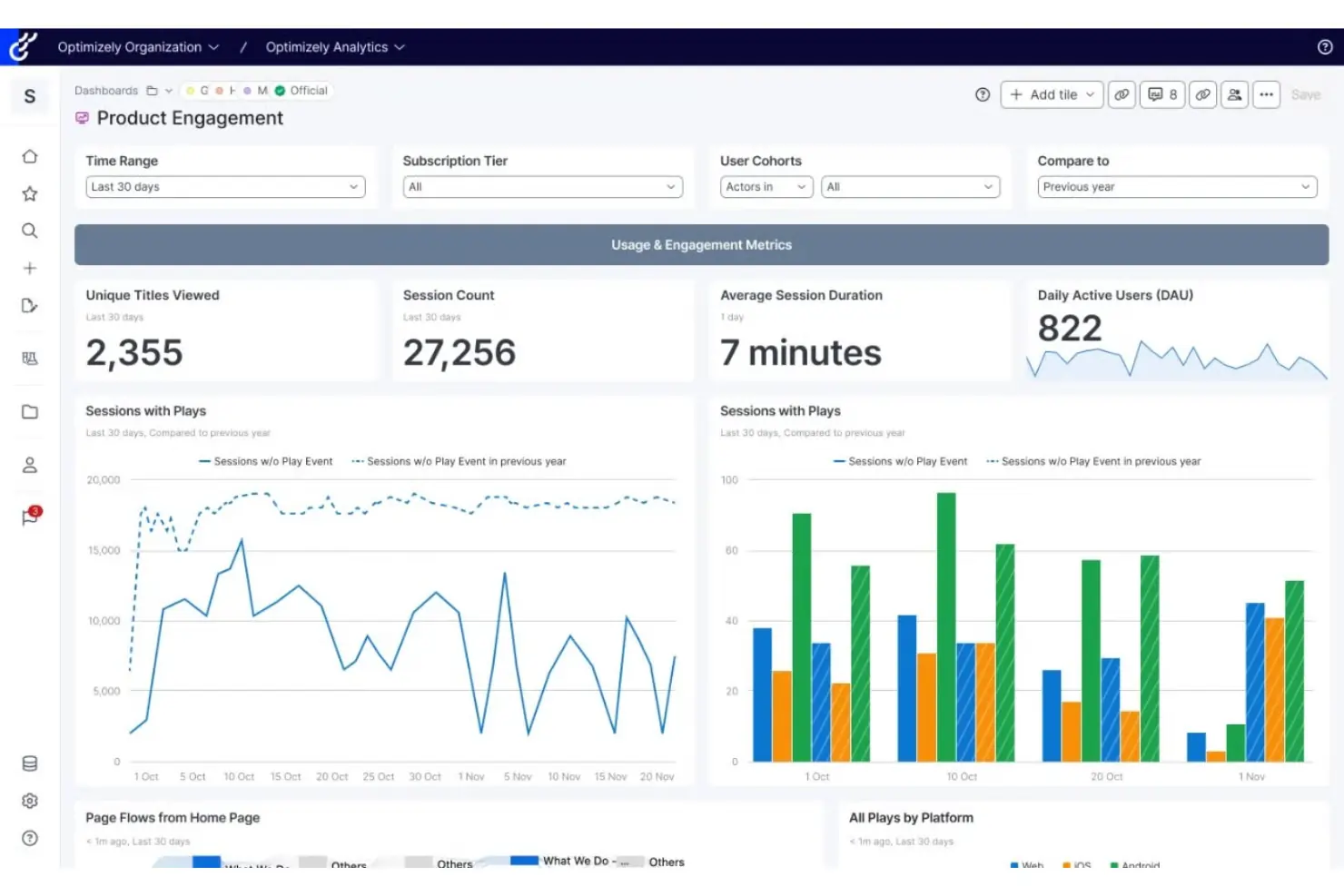
- Amplitude: Primarily a product analytics tool, Amplitude’s experimentation features are used by tech-heavy Indian firms like JioHotstar (formerly Disney+ Hotstar). It is designed for product-led growth, allowing engineers to test new features within an app’s interface rather than just marketing copy on a webpage.
Supporting Data: The Cost of Inefficiency
The financial impact of A/B testing for Indian D2C brands is substantial. Industry experts, including Himanshu Gaur, CRO at OptiPhoenix, suggest that for brands in the ₹50–300 Crore revenue bracket, experimentation acts as a "multiplier."
Data indicates that most Indian D2C traffic is acquired through paid social media. In a market where net margins often hover between 5% and 12%, a 10% lift in conversion rate can effectively double the profit margin on a specific campaign. For example, a recent experiment conducted for the Jaipur-based apparel brand SAADAA involved optimizing trust signals and "sticky" UI elements on mobile product pages. The result was a 14% increase in add-to-cart actions and an 8% lift in completed checkouts, achieved without increasing the advertising budget.

Technical and Economic Considerations for the Indian Buyer
When selecting a tool, Indian teams must navigate two primary hurdles: technical performance on mobile and the "currency anxiety" of USD billing.
The Mobile-First Performance Gap
India’s mobile traffic often encounters "patchy" 4G and 5G connections. Heavy JavaScript snippets from older A/B testing tools can increase page load times by several seconds, leading to high bounce rates. Modern tools like CustomFit.ai and Convert Experiences have prioritized "lightweight" scripts to maintain Core Web Vitals, which is essential for both user experience and Search Engine Optimization (SEO).
The INR Billing Advantage
Predictable pricing is a significant hurdle for Indian CFOs. Many global tools use an "overage" model, where a brand is charged more if they receive more traffic than expected. In the context of Indian e-commerce, a successful viral marketing campaign or a major festival sale could lead to an unexpected and exorbitant tech bill if the tool is billed in USD based on traffic spikes. Platforms like Zoho PageSense and FreshMarketer, which offer fixed INR pricing and GST invoicing, provide a level of financial stability that is highly valued in the domestic market.
Strategic Outlook: In-House vs. Agency Models
As the Indian experimentation market matures, companies are debating whether to build internal CRO teams or outsource to specialized agencies.

The Case for Agencies:
For most early-to-mid-stage D2C brands, agencies like OptiPhoenix provide a faster return on investment. Agencies bring a cross-industry "playbook" and, crucially, their own developers. The most common bottleneck in Indian experimentation is the "dev-lag," where marketing ideas are sidelined by product roadmaps. Agencies bypass this by providing end-to-end execution.
The Case for In-House Teams:
Larger SaaS firms and established D2C players are increasingly bringing experimentation in-house to build "institutional knowledge." However, this requires a dedicated budget to "ring-fence" developers and designers specifically for testing, ensuring they are not pulled away to fix urgent product bugs.
Broader Impact and Future Implications
The proliferation of A/B testing in India signifies a shift toward a more scientific approach to digital business. This is evidenced by the rise of community-driven events, such as the experimentation roundtables held in Jaipur and other Tier-2 cities in 2026. These gatherings suggest that the focus is moving away from simply "buying a tool" toward "building a culture of testing."
As AI continues to integrate with these platforms, the barrier to entry for experimentation will lower further. We can expect to see "self-optimizing" product pages become the norm for Indian e-commerce, where machine learning models automatically adjust layouts based on real-time user behavior. For Indian D2C and SaaS teams, the choice of software in 2026 is no longer just about functionality—it is about finding a partner that understands the unique speed, scale, and economic realities of the Indian internet.