As the calendar pages turn towards the conclusion of another fiscal and operational year, marketing departments globally, and email marketers in particular, are intensely focused on translating the lessons of the past into a blueprint for future triumphs. The aspiration for a highly successful 2026 email marketing strategy is not a product of conjecture but rather the meticulous distillation of actionable data and profound insights gleaned from the preceding year’s performance. This critical analytical process was recently illuminated in a comprehensive Mailjet Email Academy webinar, featuring in-house experts Natalie Lynch, Principal Product Manager, and Julia Murljacic, Senior Email Marketing Manager. Their presentation meticulously unpacked the cyclical methodology required to transform raw 2025 performance data into a robust, impactful, and actionable email strategy for the coming year.
The webinar, a cornerstone event for professionals seeking to refine their digital communication tactics, offered a step-by-step framework designed to guide email marketers and content senders through the essential stages of retrospective performance analysis and proactive strategic planning. This guide synthesizes their key recommendations, providing an expanded perspective on the imperative of data-driven decision-making in an increasingly competitive and privacy-conscious digital landscape.
The Evolving Landscape of Email Marketing: Background and Context
The realm of email marketing has undergone significant transformation in recent years, moving far beyond its rudimentary origins as a tool for mass communication. What was once primarily a broadcast medium has evolved into a sophisticated channel for personalized engagement, customer relationship management, and direct revenue generation. This evolution has been driven by several key factors: technological advancements in Email Service Providers (ESPs), heightened consumer expectations for relevant content, and, crucially, a global shift towards greater data privacy and transparency.
Regulatory frameworks such as the General Data Protection Regulation (GDPR) in Europe, the California Consumer Privacy Act (CCPA) in the United States, and similar legislations worldwide have fundamentally reshaped how marketers collect, store, and utilize user data. These regulations necessitate explicit consent, transparent data practices, and robust security measures, compelling email marketers to adopt more ethical and user-centric approaches. Concurrently, major platform changes, such as Apple’s Mail Privacy Protection (MPP) introduced in 2021, have significantly impacted the reliability of traditional metrics like open rates, forcing a re-evaluation of how campaign performance is measured and interpreted.
In this complex environment, the ability to derive meaningful insights from past campaign data is not merely a best practice; it is an absolute necessity for survival and growth. Without a clear understanding of what resonated with specific audience segments, what calls to action drove conversions, and which content formats generated engagement, marketing efforts risk becoming inefficient, irrelevant, and ultimately, ineffective. The Mailjet webinar provided a timely and essential roadmap for navigating these challenges, grounding future strategy in empirical evidence rather than anecdotal assumptions.
Step #1: A Comprehensive 2025 Year in Review
The foundational step in crafting a forward-looking strategy is a thorough and objective review of past performance. Before any planning for 2026 can commence, marketers must meticulously gather, organize, and evaluate their 2025 campaign data. This initial phase, while seemingly straightforward, can be overwhelming if approached without a structured methodology. The Mailjet experts emphasized the critical importance of a clear and consistent analytical framework to prevent marketers from becoming lost in a deluge of metrics.
The Principle of "Apples to Apples" Comparison
One of the most crucial tenets highlighted by Julia Murljacic was the necessity of comparing "apples to apples" rather than "apples to oranges." This principle dictates that audience segments must be analyzed in isolation. The engagement patterns and conversion behaviors of existing customers, for instance, will inherently differ from those of blog subscribers or early-stage prospects. Lumping these disparate groups together for analysis would yield skewed and ultimately misleading conclusions. By segmenting data and comparing the performance of each audience segment against its own historical trajectory, marketers can establish highly reliable benchmarks that are specific to their unique audience’s behavior. This bespoke benchmarking approach is far more valuable and accurate than relying on generalized industry averages, which often fail to account for specific industry nuances, brand positioning, or target demographics.
Key Metrics for Comprehensive Evaluation
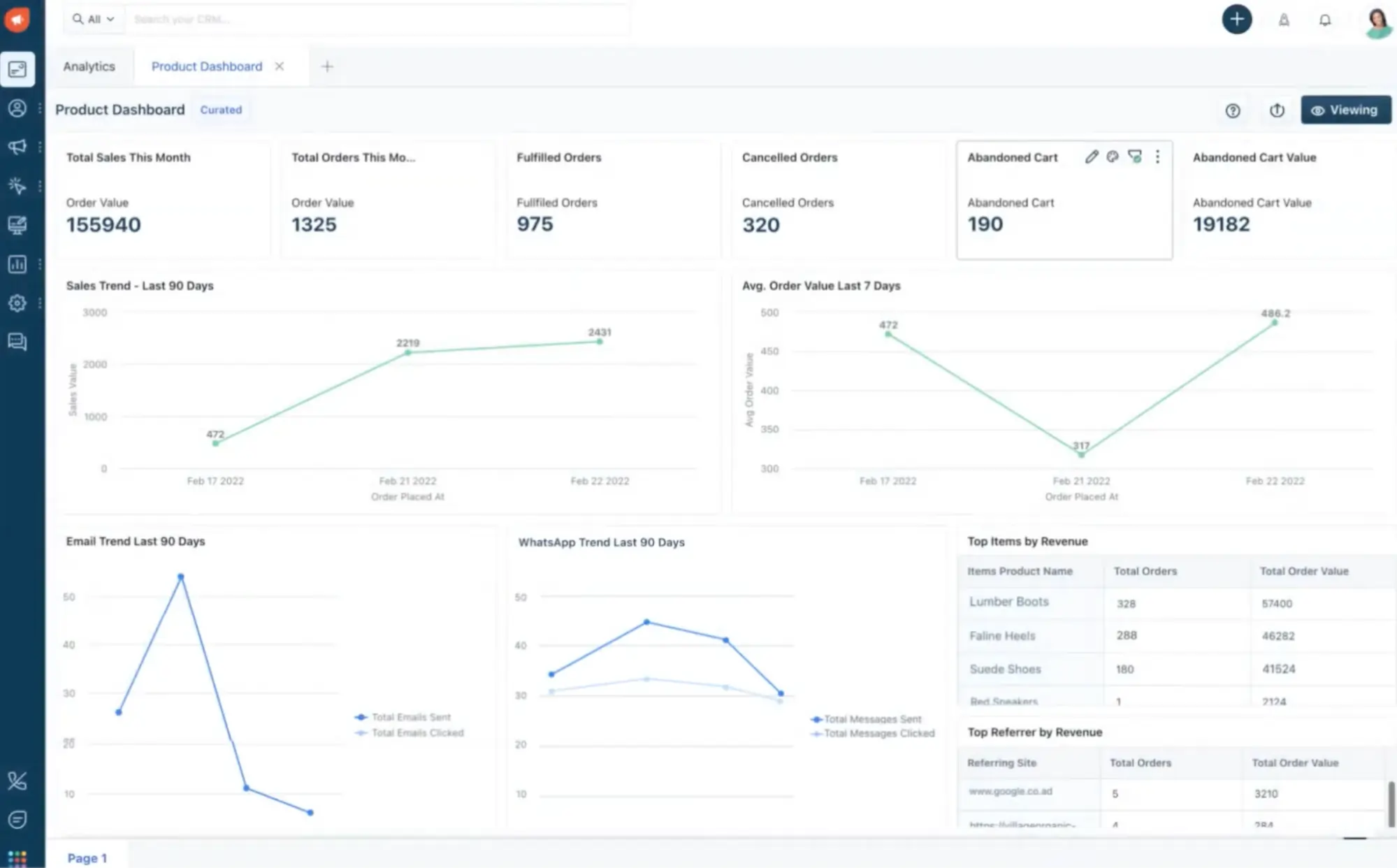
To gain a truly comprehensive understanding of 2025 performance, a wide array of metrics from the Email Service Provider (ESP) must be collected and scrutinized for each distinct audience segment. While the original content implies a list of metrics, a full exploration would include:
- Delivery Rate: This fundamental metric indicates the percentage of emails that successfully reached the recipient’s inbox. A low delivery rate can signal issues with list hygiene, sender reputation, or content flagging spam filters. A healthy rate typically exceeds 95%.
- Open Rate (OR): Traditionally a key indicator, the open rate measures the percentage of recipients who opened an email. However, due to Apple’s Mail Privacy Protection (MPP) and similar privacy enhancements, this metric has become less reliable, as some email clients may pre-fetch emails, artificially inflating open counts. Marketers must exercise caution and consider it alongside other engagement metrics.
- Click-Through Rate (CTR): Arguably a more robust indicator of engagement post-MPP, CTR measures the percentage of recipients who clicked on at least one link within an email. It directly reflects the effectiveness of the email’s content, call-to-action (CTA), and overall relevance to the recipient.
- Click-to-Open Rate (CTOR): This metric provides a deeper insight into the effectiveness of the email’s content itself, calculating the percentage of opened emails that resulted in a click. It filters out the impact of a low open rate (real or artificially inflated) and focuses on the quality of the content for those who actually engaged enough to open.
- Conversion Rate: The ultimate measure of an email campaign’s success, this metric tracks the percentage of recipients who completed a desired action (e.g., making a purchase, downloading a resource, signing up for a service) after clicking through from an email. This is directly tied to business objectives.
- Bounce Rate (Hard vs. Soft): A bounce indicates an email could not be delivered. Hard bounces (permanent failures, e.g., invalid email address) require immediate removal from the list to protect sender reputation. Soft bounces (temporary failures, e.g., full inbox) should be monitored. High bounce rates signal list quality issues.
- Unsubscribe Rate: The percentage of recipients who opted out of receiving further emails. While some churn is inevitable, a consistently high unsubscribe rate can indicate content irrelevance, excessive sending frequency, or a mismatch between subscriber expectations and actual content.
- Spam Complaint Rate: This critical metric tracks the percentage of recipients who marked an email as spam. Even a low rate (e.g., above 0.1%) can severely damage sender reputation and lead to blacklisting, significantly impacting future deliverability.
- List Growth Rate: Measures the rate at which new subscribers are added to the email list, balanced against unsubscribes and bounces. A healthy list growth is essential for sustained marketing reach.
- Revenue per Email (RPE) / Average Order Value (AOV): For e-commerce businesses, these financial metrics directly link email campaigns to revenue generation, providing clear ROI data.
Understanding these metrics in context, especially considering the impact of privacy changes on open rates, allows marketers to form a holistic picture of their 2025 performance. For instance, while industry average open rates might hover around 20-25% for many sectors, and CTRs around 2-4%, these figures are merely starting points. The real value lies in comparing your segments against their own previous performance, identifying trends, anomalies, and areas for improvement.
Step #2: Transforming Data into Actionable Insights
Once the comprehensive data collection and organization are complete, the next crucial phase involves extracting the narratives hidden within the numbers. This is where raw data transcends mere statistics and begins to tell a story of successes, challenges, and opportunities. As Natalie Lynch emphasized, underperforming campaigns are not failures but invaluable tests that provide crucial insights for future optimization.
Marketers must move beyond surface-level observations and delve into a deeper analytical process, asking pointed questions to uncover the underlying reasons for campaign performance:
- Which campaigns achieved their objectives, and why? Was it the subject line, the offer, the visual design, the timing, or the audience segment?
- Which campaigns fell short, and what were the contributing factors? Was the call-to-action unclear? Was the content irrelevant to the segment? Was the email sent at an inopportune time?
- What were the common themes among high-performing emails? Did personalized content consistently outperform generic messages? Did specific product categories or types of offers resonate more strongly?
- What consistent patterns emerged from underperforming campaigns? Were certain subject lines ignored? Did specific content types lead to higher unsubscribe rates?
By systematically dissecting the data through these questions, marketers can transition from raw numbers to definitive conclusions. Examples of such conclusions might include: "Email campaigns with vague value propositions consistently underperform in terms of CTR," or "Our customer segment is most engaged with product update announcements during late summer," or "Promotional emails featuring discounts above 20% generate significantly higher conversion rates among new subscribers." These types of insights form the bedrock upon which effective 2026 strategies will be built.
Step #3: Defining Your 2026 Goals with OKRs and KPIs
The data-driven conclusions derived from the 2025 review serve as the indispensable foundation for establishing ambitious yet realistic goals for 2026. These goals must be inextricably linked to the broader objectives of the company, ensuring that email marketing efforts contribute directly to overarching business success. The Mailjet webinar advocated for the use of Objectives and Key Results (OKRs) in conjunction with Key Performance Indicators (KPIs).
Objectives and Key Results (OKRs)
OKRs provide a framework for defining and tracking objectives and their outcomes. An Objective is a qualitative, aspirational statement of what needs to be achieved (e.g., "Enhance customer loyalty and retention"). Key Results are quantitative, measurable benchmarks that demonstrate progress towards the objective (e.g., "Achieve a 15% increase in repeat purchases from email campaigns by Q4 2026," or "Reduce customer churn rate from email-engaged customers by 10%").
When setting these goals, the emphasis should be on simplicity, actionability, and realism. While aiming for ambitious targets is encouraged, it is crucial to avoid setting unattainable expectations that could demoralize teams and dilute focus. For instance, a 100% click-through rate is an impossible fantasy, but a 4% increase in CTR from a specific segment, based on previous year’s performance and identified optimization opportunities, represents an ambitious yet achievable target. The Key Results defined within the OKR framework then naturally become the Key Performance Indicators (KPIs) that will be tracked throughout 2026 to monitor progress and assess success.
Aligning Email Goals with Business Objectives:
- Business Objective: Increase overall revenue.
- Email Objective: Drive higher revenue through targeted email promotions.
- Key Results/KPIs: Increase email-attributed revenue by 20%; improve average order value from email campaigns by 10%.
- Business Objective: Improve customer lifetime value.
- Email Objective: Foster deeper customer engagement and loyalty.
- Key Results/KPIs: Increase repeat purchase rate by 15%; reduce churn among email-engaged customers by 5%; boost engagement with loyalty program emails by 25%.
- Business Objective: Expand market reach and acquire new leads.
- Email Objective: Grow qualified subscriber list and convert prospects.
- Key Results/KPIs: Increase new subscriber acquisition by 30%; improve lead-to-customer conversion rate from welcome series by 8%.
Step #4: Planning Your Strategy and Leveraging Your Tools
With clear goals established, the final stage involves crafting the actual strategy to achieve them. This is the phase where insights are translated into concrete campaigns, targeted tests, and automated workflows.
Mastering Segmentation for Hyper-Personalization
Email segmentation remains one of the most potent tools in a marketer’s arsenal. The webinar underscored the importance of building specific segments now to prepare for 2026. While the original article didn’t list them, based on best practices, crucial segments include:
- Engaged Subscribers: Those who have consistently opened and clicked emails within a defined period (e.g., last 90 days). These are your most valuable recipients, deserving of exclusive content, early access, and personalized offers.
- Unengaged/Lapsed Subscribers: Those who have not opened or clicked emails for an extended period (e.g., 6-12 months). This segment requires specific re-engagement campaigns to rekindle interest or be removed to maintain list hygiene and sender reputation.
- New Subscribers/Prospects: Individuals who have recently opted in but have not yet converted into customers. They need a well-crafted welcome series that educates them about the brand, builds trust, and guides them towards their first conversion.
- Customers/Purchasers: Subscribers who have made at least one purchase. This segment can be further refined by purchase history, value, and recency, allowing for targeted cross-sell, up-sell, and loyalty-building campaigns.
Advanced segmentation can also include demographic data, geographic location, preferences indicated during sign-up, browsing behavior on the website, and even zero-party data directly provided by the customer. The more granular the segmentation, the more relevant and impactful the email content can be, driving higher engagement and conversion rates.
The Power of Automation: Personalized Journeys at Scale
Once segments are meticulously defined, email automation becomes the engine that delivers personalized experiences at scale. Automation workflows, triggered by specific user actions or predefined time intervals, ensure that the right message reaches the right person at the right time, without constant manual intervention.
Examples of essential automation workflows include:
- Welcome Series: Sent immediately after signup, this series introduces the brand, sets expectations, and guides new subscribers towards their first conversion.
- Abandoned Cart Reminders: Sent to users who added items to their cart but did not complete the purchase, often recovering significant lost revenue.
- Browse Abandonment: Triggered when users view specific products multiple times without adding to cart, offering gentle nudges or related recommendations.
- Post-Purchase Series: Follows up after a purchase, providing order confirmations, shipping updates, product usage tips, and requests for reviews, enhancing customer satisfaction and encouraging repeat business.
- Re-engagement Campaigns: Targeted at unengaged segments, attempting to re-activate dormant subscribers with special offers or valuable content before they are removed from the list.
- Birthday/Anniversary Emails: Personalized messages and offers sent on significant dates, building rapport and loyalty.
These automated sequences act as a "sidekick," continuously nurturing the audience, allowing marketers to dedicate more strategic time to analyzing performance, developing new campaigns, and refining their overall approach.
Strategic Enhancements: Beyond Segmentation and Automation
To truly enrich the 2026 strategy, several other critical components must be considered:
- Content Strategy: Moving beyond mere promotions, a robust content strategy focuses on delivering value. This includes educational content, expert insights, user-generated content, interactive elements (where supported), and dynamic content that adapts based on user data. The goal is to establish the brand as a trusted resource, not just a seller.
- Deliverability Optimization: Even the most perfectly crafted email is useless if it doesn’t reach the inbox. A 2026 strategy must include continuous monitoring of sender reputation, maintaining a clean list (removing hard bounces and inactive subscribers), authenticating emails (SPF, DKIM, DMARC), and adhering to best practices to avoid spam filters.
- Compliance and Privacy: With ever-evolving regulations, staying compliant with GDPR, CCPA, CAN-SPAM, and other privacy laws is paramount. This includes clear opt-in processes, easy unsubscribe options, transparent data usage policies, and robust data security measures.
- Omnichannel Integration: Email marketing should not exist in a vacuum. A holistic 2026 strategy integrates email with other marketing channels – social media, SMS, website personalization, paid ads – to create a seamless and consistent customer experience across all touchpoints.
Pro Tip: Systematic A/B Testing
The Mailjet webinar’s pro tip emphasized the systematic use of A/B testing to answer the questions raised during the data analysis phase. If the data suggests that click-through rates are low, for example, marketers should formulate hypotheses and test specific variables: different CTA copy, varied button placements, contrasting email designs, or alternative subject lines. The crucial caveat, however, is to test only one variable at a time. This scientific approach ensures that any observed changes in performance can be reliably attributed to the specific tested element, leading to clear, actionable conclusions rather than ambiguous results. A/B testing should be an ongoing, iterative process, continuously refining and optimizing campaigns throughout the year.
The Continuous Loop of Optimization and Success
The journey from analyzing 2025 data to formulating a winning 2026 strategy is not a linear path but a continuous, iterative loop. It begins with rigorous performance analysis, moves to drawing insightful conclusions, progresses to setting precise and ambitious goals, and culminates in building a robust strategy to achieve them. This cycle then repeats, with the performance of 2026 campaigns informing the strategy for 2027, fostering a culture of continuous improvement and adaptation.
By rooting every aspect of the marketing plan in concrete data, businesses transcend guesswork and embrace a deliberate, informed, and highly effective marketing practice. The Mailjet Email Academy webinar provided a vital reminder and a practical framework for this essential process. Taking the time during this crucial planning period to delve deeply into analytics, truly listen to the unspoken feedback from the audience through their digital actions, and build a 2026 plan based on empirical evidence is not just an investment in the email channel, but an investment in sustained business growth and stronger customer relationships. For those who missed the live session, the full webinar replay offers an invaluable resource to guide this critical end-of-year strategic planning.