The global tourism industry currently exists in a state of digital duality, where a handful of multi-billion-dollar platforms utilize hyper-advanced testing frameworks while the vast majority of smaller operators remain reliant on traditional, often unreliable, survey data. While industry leaders like Booking.com, Expedia, and Airbnb maintain a culture of constant iteration—with Booking.com alone running over 1,000 concurrent experiments at any given moment—the broader market of independent hotels, tour operators, and regional attractions has historically struggled to adopt rigorous A/B testing. This discrepancy creates a significant competitive disadvantage for smaller players in an era where consumer behavior is shifting rapidly under economic and social pressures.
To understand the necessity of modern experimentation, one must first address the "intention-behavior gap," a psychological phenomenon where what a traveler says in a survey does not align with their actual booking actions. Research published in the 2020 study, "A review of experiments in tourism and hospitality," highlights that the industry has traditionally relied too heavily on correlational data. To find true causal relationships—where an intervention directly results in a specific outcome—tourism researchers are now advocating for natural field experiments. These tests measure real stakeholders in authentic settings, providing a level of external validity that surveys simply cannot match.
The Four Pillars of Tourism Research
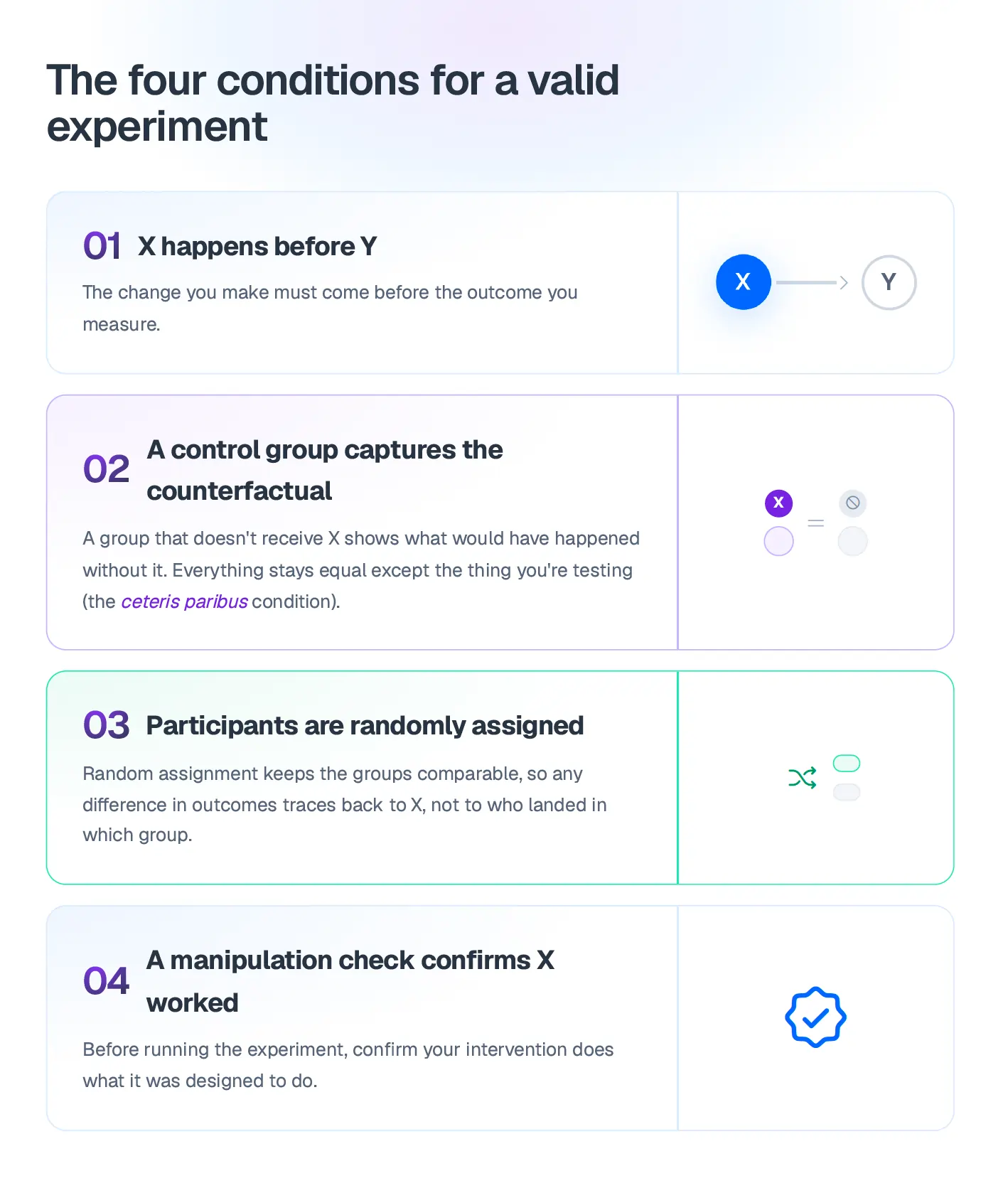
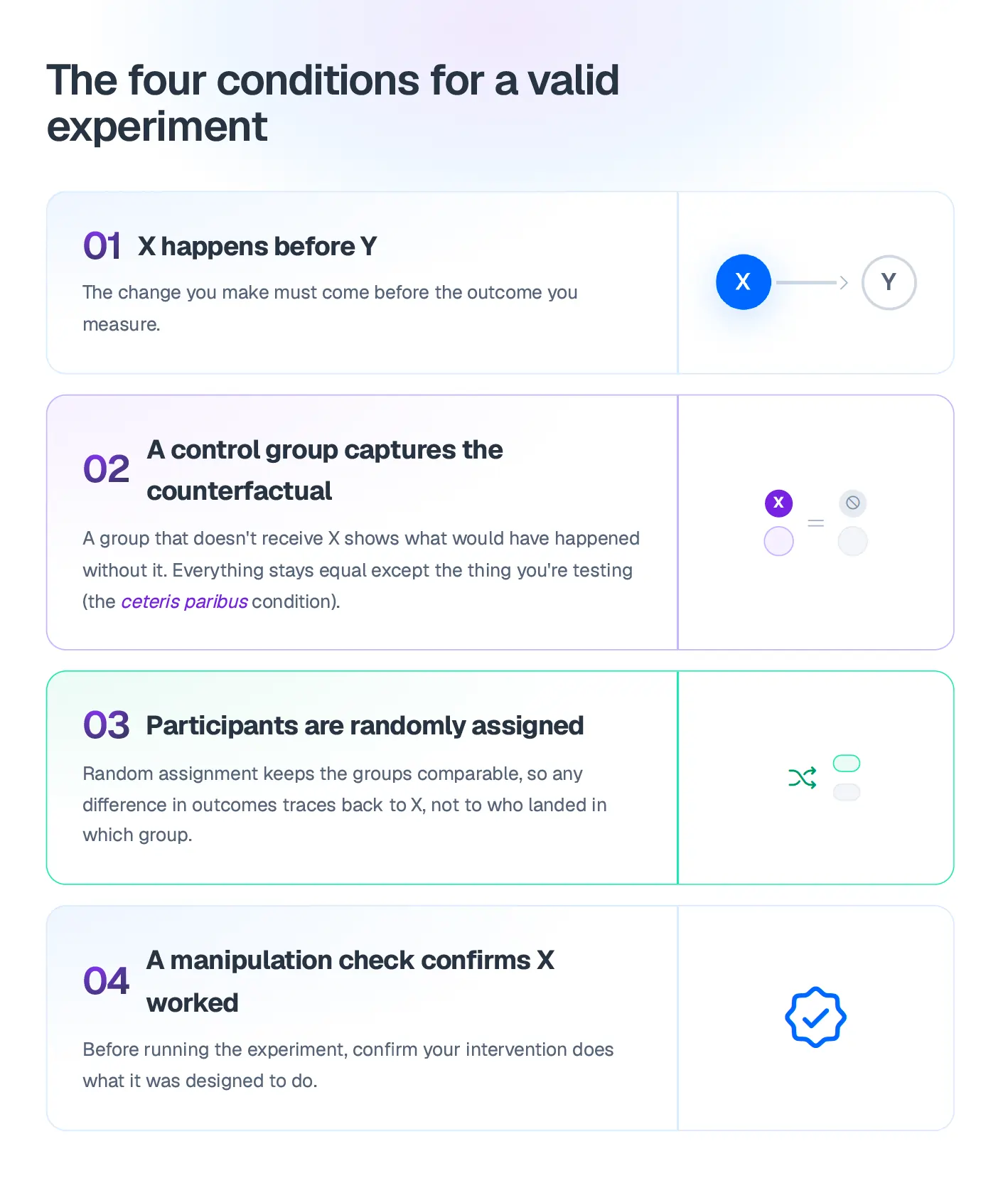
For an experiment to be considered valid within the tourism sector, it must satisfy four specific conditions: the intervention must precede the outcome, there must be a measurable correlation between the two, no other factors should explain the result, and a logical theory must support the connection. Traditionally, these experiments fall into four categories, each balancing control and realism differently.
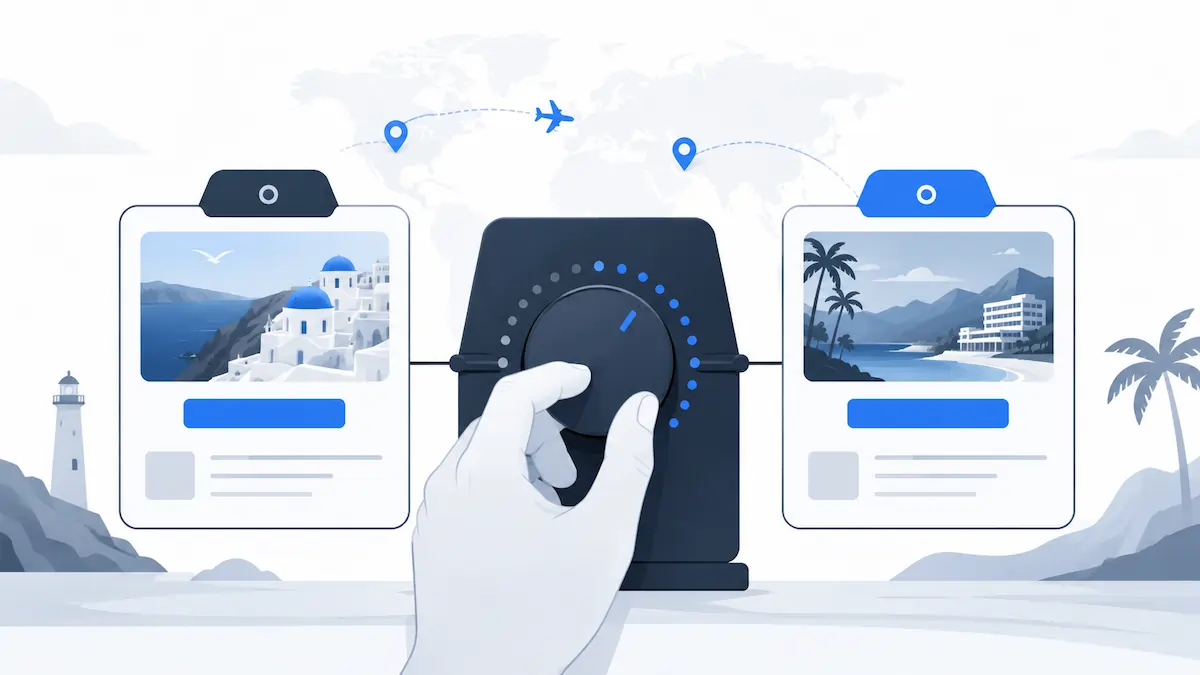
Laboratory experiments offer high control but low realism, often used for testing initial psychological triggers. Quasi-experiments allow for testing in real-world settings but lack the random assignment of a true experiment. Field experiments, such as those conducted within physical hotels or at attractions, offer high realism but are susceptible to "confounding variables" like weather or local events. Finally, online experiments (A/B testing) have become the gold standard for digital platforms, allowing for massive sample sizes and rapid iteration.
Historical data from these experiments have already yielded significant insights. For instance, a 2011 study on hotel towel reuse found that descriptive social norms—telling guests that others are reusing towels—was far more effective than general environmental appeals. Similarly, a 2016 study by Karlsson and Dolnicar revealed a stark intention-behavior gap: while 60% of passengers claimed they prioritized eco-certification when choosing a boat tour, only 14% could actually identify if the boat they chose was certified. This underscores the danger of making business decisions based solely on what customers say they value.
Consumer Behavior and Economic Realities in 2026
The urgency for data-driven experimentation is compounded by the shifting landscape of 2026. Economic pressures have introduced a new layer of complexity to travel planning. According to a 2026 EY-Parthenon survey of 1,500 U.S. consumers, nearly two-thirds of travelers anticipate a recession, leading to increased caution regarding discretionary spending. However, the KPMG "Summer of Experiences" report indicates that while spending may be more calculated, 60% of consumers still plan to travel, albeit for shorter durations and in more cost-effective accommodations.
Demographic shifts are also redefining the "non-negotiable" nature of travel. The 2026 American Express Global Travel Trends Report found that 74% of Millennials and Gen Z view travel as an essential expense, with 64% willing to accept a job with fewer benefits in exchange for greater travel flexibility. These younger cohorts are increasingly prioritizing "experiences over material goods," with 79% seeking hands-on cultural activities such as artisan workshops or local culinary classes.
Furthermore, the "one trip, multiple destinations" trend identified by Klook suggests that the traditional "one-stop" vacation is being replaced by hub-and-spoke travel patterns. Popular cities now serve as entry points for travelers who quickly disperse to smaller, less-frequented nearby locations. Additionally, a surge in "wellness tourism" has seen 37% of Americans cutting back on alcohol, leading to a rise in "dry tripping" where travelers prioritize gyms, yoga studios, and sober social spaces over traditional nightlife.
The Expert Perspective: Why Experimentation Lags
Despite these clear trends, experts suggest that formal experimentation remains rare among local operators. Jono Matla, owner at Impact Conversion, notes that many regional operators in markets like New Zealand have historically relied on trade partners and inbound tour operators. Because these businesses often sell up to 70% of their inventory to partners at a discount to guarantee occupancy, the motivation to optimize their own websites for direct bookings has been low. This reliance, however, leaves them vulnerable to high commission fees and a lack of direct customer data.
In Africa, Olivia Bedford, a hospitality specialist, observes that the sector is only now beginning to bridge the technological divide. She points out that many tour operations are owned by individuals who prioritize the "craft" of the trip over the technical optimization of the booking funnel. For these operators, Conversion Rate Optimization (CRO) is a foreign concept, and the idea of redesigning a website based on data rather than intuition can be a difficult sell.
In contrast, Laura Duhommet, an expert who has worked with Disneyland Paris and Club Med, highlights that billion-dollar entities have dedicated departments for qualitative and quantitative research. At Disneyland Paris, the focus was heavily qualitative, aiming to understand the "dream" and emotional triggers of a visit. At Club Med, the emphasis shifted toward UX analytics. The consensus among experts is clear: while larger companies use experimentation to refine every touchpoint, smaller operators are missing out on significant revenue lifts by failing to optimize for direct conversions.

Bridging the Gap: Voice of Customer and A/B Testing
The most effective strategy for tourism businesses in 2026 involves a synergy between Voice of Customer (VoC) research and A/B testing. VoC acts as a "compass," identifying the direction of customer sentiment and pain points. For example, scraping reviews to find that guests are frustrated by confusing pricing or slow shuttle services provides a hypothesis for improvement.
A/B testing then serves as the "GPS," providing the exact route to higher conversions. By framing A/B testing as a "revenue-recovery mechanism," marketing teams can secure leadership buy-in. A modest 0.3% lift in conversion for a site with 100,000 monthly visitors and a $50 ticket price can result in an additional $180,000 in annual revenue—a compelling argument for any executive.
Strategic Nuances in Tourism Experimentation
Experimentation in tourism differs from standard retail in three critical ways: the role of friction, the balance of aspiration, and the necessity of localization.
First, "friction" is not always a negative in tourism. Ryan Thomas, co-founder of Koalative, found that for a home-exchange platform, a smoother sign-up process actually decreased conversions. Potential users needed the friction of a guided educational process to understand the product’s value before they felt comfortable joining. In high-intent categories, users are often willing to tolerate friction if it builds trust and comprehension.

Second, aspiration and conversion must work in tandem. Tourism sells an intangible experience, meaning the website must make the user "dream" through high-quality visuals and microcopy before they reach the checkout. However, this must be balanced with the offline reality. If the digital promise exceeds the physical experience, the long-term impact on brand reputation and repeat bookings can be devastating.
Third, localization is paramount. Travel is cross-border, but booking behavior is regional. Olivia Bedford notes that UK audiences may respond better to health-and-safety framing for safaris—highlighting malaria-free zones and fenced lodges—while US audiences may respond better to aspirational, adventure-focused copy. Similarly, pricing models (price-per-person versus price-per-night) must be tailored to the cultural expectations of the specific market to avoid alienating potential guests.
Implications for the Future of the Industry
As the tourism industry moves further into 2026, the adoption of experimentation will likely become the primary differentiator between businesses that merely survive and those that thrive. The transition from intuition-based management to data-driven optimization is no longer optional.
For small to mid-sized operators, the path forward involves leveraging accessible tools to conduct low-risk, high-reward tests. By combining the qualitative insights of VoC with the quantitative rigor of A/B testing, these businesses can reduce their dependency on high-commission third-party platforms and build more resilient, direct relationships with their customers. The ultimate goal of experimentation in tourism is to close the gap between what the traveler dreams of and what they eventually book, ensuring that the digital journey is as seamless and rewarding as the physical trip itself.