In the rapidly evolving digital landscape, blogging has transcended its origins as a mere online journal to become a cornerstone of comprehensive digital strategy for businesses, brands, and individuals alike. Far from being a relic of the early internet, a well-executed blog now serves as a powerful engine for audience growth, trust building, and market positioning. However, the advent of sophisticated AI search platforms, which often provide direct answers before users even click through to a website, necessitates a fundamental shift in approach. The goal is no longer just to rank for keywords, but to create content that genuinely stands out, provides unique value, and compels users to engage deeply. This guide explores the multifaceted dimensions of modern blogging, from ideation and creation to optimization, audience development, and monetization, all viewed through the lens of a dynamic, AI-influenced search environment.
A Brief History: From Personal Diaries to Digital Powerhouses
Blogging emerged in the mid-1990s as a format for personal online diaries, known as "weblogs." Early adopters used these platforms to share thoughts, links, and updates, fostering nascent online communities. By the early 2000s, with the rise of user-friendly platforms like Blogger and WordPress, blogging democratized publishing. Businesses quickly recognized the potential of blogs for content marketing, lead generation, and brand building. This era saw an explosion of corporate blogs designed to provide information, establish authority, and engage customers. The focus was largely on keyword density and link building, as early search engine algorithms prioritized these metrics.
However, the landscape began to shift dramatically in the 2010s. Google’s algorithmic updates, such as Panda (2011) and Penguin (2012), penalized low-quality, spammy content and emphasized user experience, content quality, and legitimate link profiles. This pushed bloggers towards creating more valuable, well-researched, and readable articles. The concept of "content is king" solidified, demanding a focus on answering user queries comprehensively and establishing thought leadership. The subsequent introduction of concepts like E-A-T (Expertise, Authoritativeness, Trustworthiness) further reinforced the need for credible, high-quality content produced by verifiable experts.
The AI Overhaul: How Generative Search is Reshaping Content Strategy

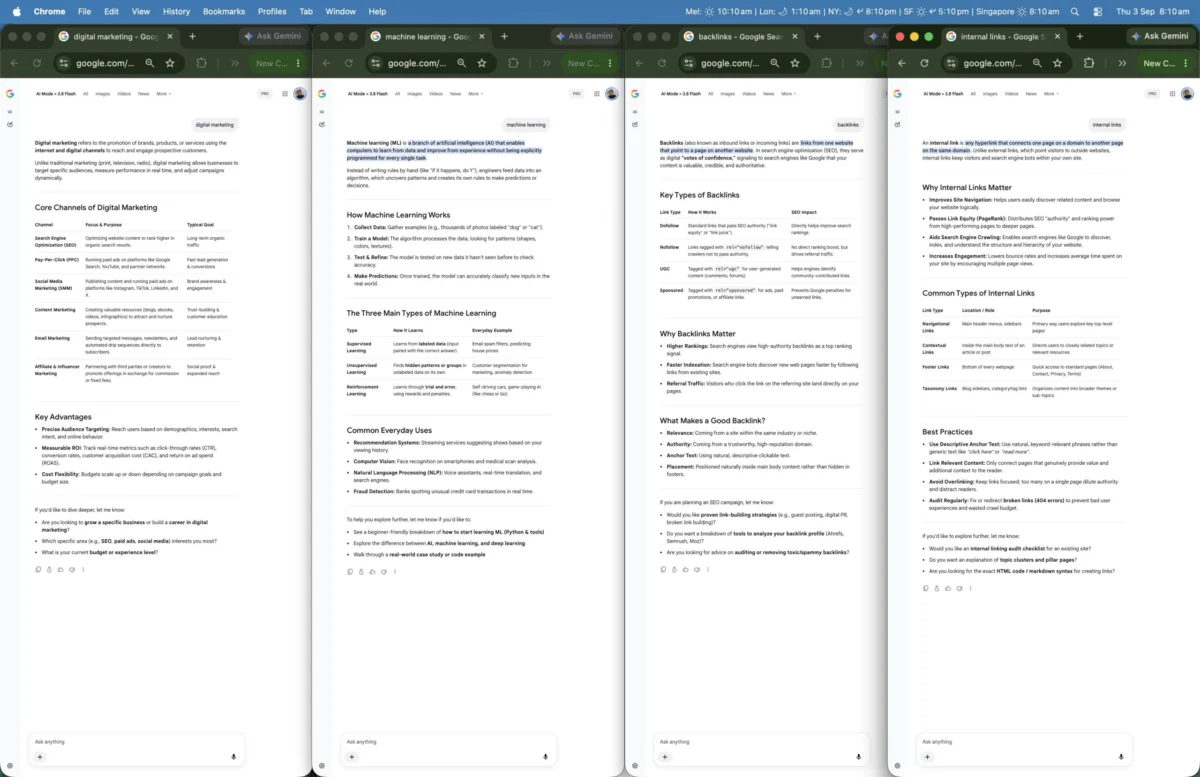
The most significant disruption to blogging strategy in recent years has been the integration of artificial intelligence into search engines. Tools like Google’s AI Overviews (formerly Search Generative Experience or SGE) and similar AI modes from other platforms now synthesize information from various sources to provide direct, concise answers to user queries, often appearing at the very top of search results. This development means that content must not only be discoverable but also exceptionally valuable and distinct to warrant a click or citation within an AI-generated summary.
According to Google’s own guidance, AI search platforms favor blogs that answer questions clearly, thoroughly, and with unique insights. Content that merely rehashes existing information without adding new value, often termed "commodity content," is less likely to be prioritized or even cited by AI overviews. This places a premium on original research, unique perspectives, firsthand experiences, and deeper analyses that AI models cannot easily replicate or synthesize from existing, superficial sources. As Carolyn Shelby, Principal SEO at Yoast, aptly states, "A blog isn’t valuable just because it exists. It becomes valuable when it helps your audience solve problems, understand something better, or see your expertise in action. In today’s search landscape, the goal isn’t simply to publish, or even to publish more. It’s to create content worth being found, cited, and remembered." This sentiment underscores the critical need for content creators to elevate their standards beyond traditional SEO tactics.
Foundational Strategies: Building a Blog for Resilience and Reach
Establishing a robust blog in the current environment requires meticulous planning. The initial steps involve defining a clear niche and conducting thorough keyword research. A well-defined niche ensures focus, attracts a specific audience, and helps establish authority. Market research, including competitive analysis and audience profiling, informs content themes and identifies unmet information needs.
Keyword research remains paramount, but its scope has broadened significantly. Beyond identifying high-volume keywords, content strategists must delve into semantic search, long-tail keywords, and conversational queries that users might pose to AI search tools. This involves understanding the nuances of search intent:
- Informational Intent: Users seeking answers, explanations, or how-to guides. Blogs excel here, offering in-depth articles.
- Navigational Intent: Users looking for a specific website or brand.
- Transactional Intent: Users ready to make a purchase or take a specific action. Product pages typically address this.
- Commercial Investigation Intent: Users researching products or services before a purchase, seeking comparisons, reviews, or detailed information. Blogs can effectively capture this audience.
Aligning content with these intents ensures relevance and improves visibility. For instance, an e-commerce site benefits from informational blog posts that attract users in the early research phase, guiding them towards transactional pages.

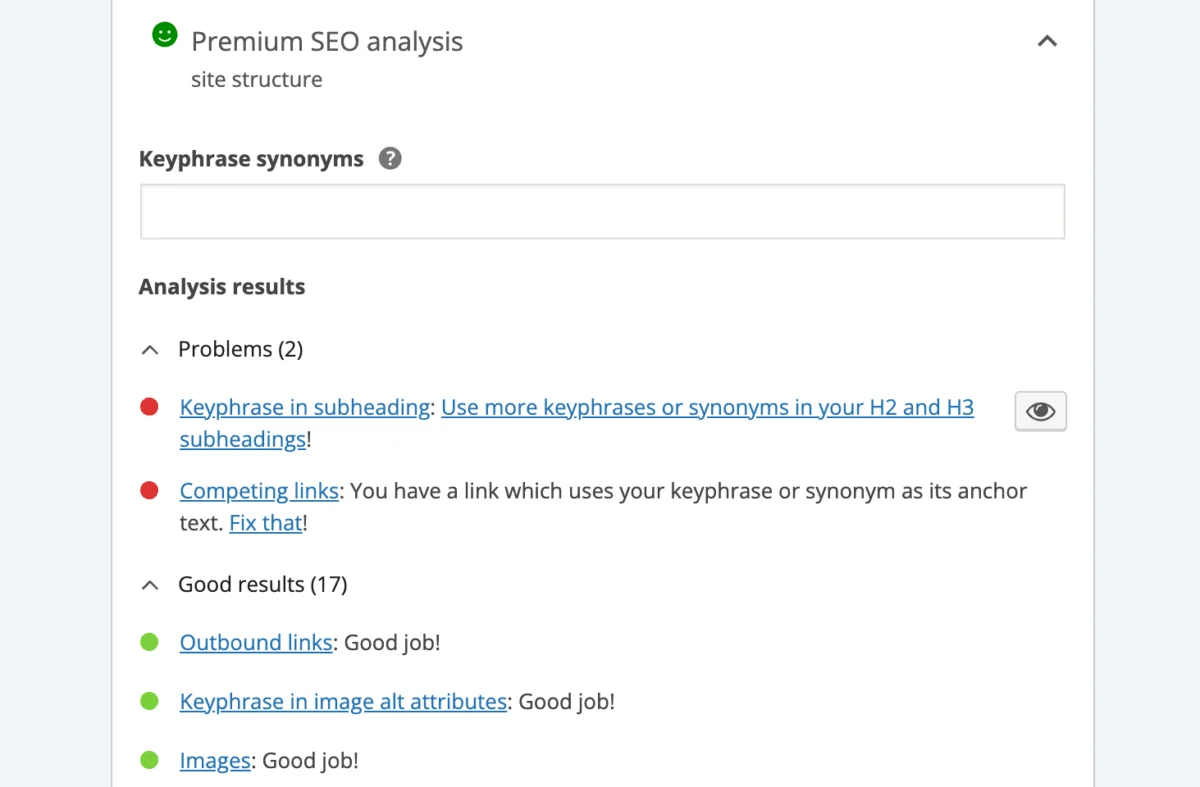
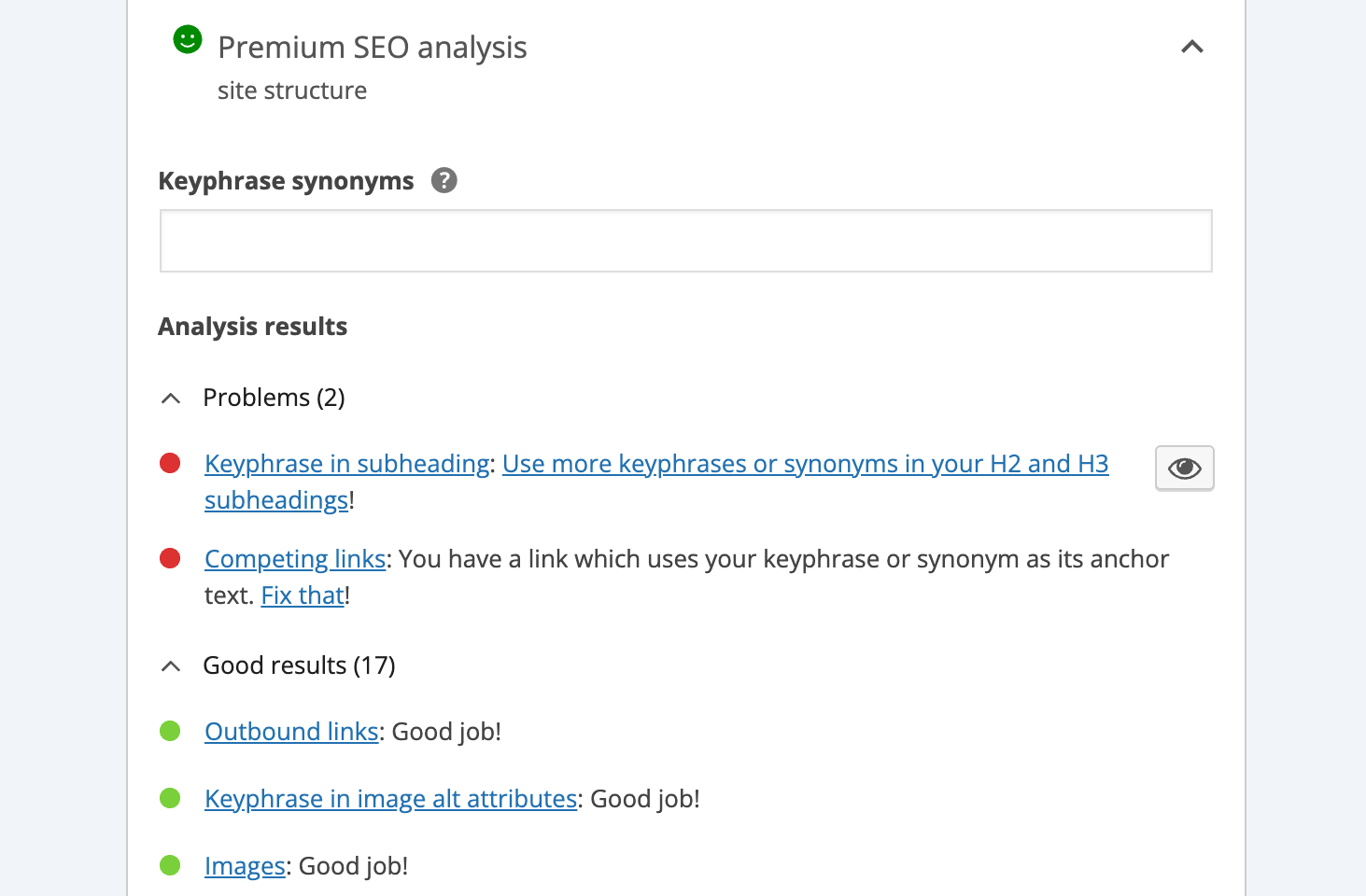
Beyond content themes, a logical and manageable site structure is crucial. This involves mapping out categories, subcategories, and cornerstone content (in-depth, authoritative articles on core topics). A clear internal linking strategy connects related posts, distributes link equity, and helps both users and search engines navigate the content effectively, boosting overall site authority.
Crafting Content That Stands Out: Originality, Authority, and Readability
The demand for high-quality content has never been greater. In an era where AI can generate text rapidly, human-generated content must offer distinct advantages:
- Originality: Each post must provide fresh perspectives, unique data, or novel insights. This could involve original research, case studies, personal anecdotes, expert interviews, or a distinct voice. Google explicitly warns against "commodity content" that merely rehashes existing information, emphasizing that AI-generated summaries will prioritize truly standout content.
- E-E-A-T (Experience, Expertise, Authoritativeness, Trustworthiness): This framework is more critical than ever. Bloggers must demonstrate their real-world experience, deep expertise in their subject, establish themselves as an authoritative voice, and build trust with their audience. This can be achieved through author bios, citations, robust factual accuracy, and transparent methodologies.
- Readability: Regardless of originality, content must be easy to consume. This means clear, concise language, short paragraphs, logical headings and subheadings (H1, H2, H3), and the strategic use of visual aids. Tools like the Flesch-Kincaid readability test can help assess text complexity. Readability not only improves user experience but also aids AI systems in understanding and summarizing content accurately.
Ethical integration of AI tools can augment, rather than replace, human creativity. Platforms like Yoast AI Content Planner can analyze existing content, identify gaps, and generate tailored post ideas with draft frameworks (titles, outlines, keyphrases, meta descriptions). Similarly, Yoast AI Optimize refines writing. These tools streamline the content creation process, allowing human writers to focus on adding the unique value, experience, and critical thinking that AI currently cannot replicate. Regular proofreading by a human is also indispensable, as a fresh pair of eyes catches errors and ensures the message’s clarity and intent are fully conveyed.
Optimizing for Search Engines in an AI-Dominated Landscape
While content quality is paramount, effective search engine optimization (SEO) ensures that this high-quality content reaches its intended audience. Post-publication optimization is not about "gaming the system" but about maximizing visibility through smart adjustments.

- Beyond Keywords: Modern SEO extends to semantic search, where search engines understand the context and relationships between words. Using schema markup (structured data) helps search engines and AI tools better understand the content, such as identifying FAQs, how-to guides, or product reviews, making it more eligible for rich snippets or AI-generated summaries.
- Technical SEO Essentials: Core Web Vitals (loading performance, interactivity, visual stability), mobile-friendliness, and secure connections (HTTPS) remain fundamental ranking factors. A technically sound website provides a better user experience, which search engines reward.
- Internal Linking and Cornerstone Content: A robust internal linking structure not only guides users but also signals to search engines the most important content on a site. Pillar pages or cornerstone content, which are comprehensive guides on core topics, should be heavily linked from related, less extensive articles, establishing topical authority.
- Performance Monitoring: Utilizing tools like Google Analytics and Google Search Console is crucial for tracking traffic, identifying popular content, understanding user behavior, and diagnosing any drops in performance. This data-driven approach informs content strategy and optimization efforts.
Cultivating Community: Engagement and Marketing Beyond Search
Even the most optimized content needs an audience. While search engines drive discovery, true success comes from building and engaging a loyal community.
- The Power of Comments and Interaction: Active comment sections, where authors respond thoughtfully and foster discussions, signal to search engines that a blog is alive and relevant. This interaction builds trust and encourages repeat visits. Addressing both positive and negative feedback professionally is essential for community health.
- Multi-Channel Promotion: Social media platforms are invaluable for extending reach. Beyond traditional platforms like Facebook and X (formerly Twitter), visual platforms like Instagram and TikTok, particularly with short-form video content (Reels, Stories), can drive significant traffic and engagement, especially among younger demographics. Tailoring content for each platform maximizes impact.
- Newsletters: Email marketing remains one of the most effective ways to build a direct relationship with an audience, independent of algorithm changes. Regular newsletters featuring new posts, exclusive insights, or special offers encourage loyalty and repeat traffic.
- Building Brand Trust: Citations and mentions across the web, even without direct links, contribute to a brand’s authority and trustworthiness, which are increasingly important factors for both human users and AI systems.
Monetization Pathways: Turning Content into Revenue
While many blogs prioritize community building or knowledge sharing, monetization remains a significant goal for many content creators. Several effective strategies exist:
- Advertising: Displaying ads through networks like Google AdSense or selling direct ad placements.
- Affiliate Marketing: Earning commissions by recommending products or services from other companies, linking to them, and disclosing affiliate relationships transparently.
- Selling Own Products/Services: Leveraging the blog to promote and sell physical products (e-commerce), digital products (eBooks, online courses, templates), or services (consulting, coaching). A blog can significantly boost product page rankings by attracting organic traffic and building brand trust.
- Subscriptions/Memberships: Offering exclusive content, forums, or early access to premium subscribers.
- Sponsored Content: Partnering with brands to create sponsored posts or reviews, while maintaining editorial integrity and transparency.
Successful monetization often involves diversifying income streams, ensuring resilience against market fluctuations or changes in platform policies.
Sustaining Momentum: Long-Term Maintenance and Growth Challenges
Starting a blog is often less challenging than maintaining its quality and growth over time. Consistency is key; establishing a realistic publishing frequency and adhering to it builds audience expectations and trust.
As a blog expands, new challenges emerge:
- Content Audits and Updates: Regularly reviewing existing content is vital. Evergreen articles need periodic updates to remain fresh and accurate. Underperforming content may require optimization, consolidation, or even pruning (removing or redirecting low-value posts) to maintain site quality and prevent cannibalization.
- Content Planning: Moving from spontaneous posts to a strategic content calendar is essential for growing blogs, especially those with multiple authors. Tools like editorial calendars and Yoast AI Content Planner help map out topics, deadlines, and responsibilities, ensuring consistent quality and alignment with overall goals. Topic clusters organize content logically, boosting SEO and user navigation.
- Managing Content Sprawl and Cannibalization: When numerous articles address similar topics, content cannibalization can occur, where multiple pages compete for the same keywords, confusing search engines and diluting ranking potential. Regular SEO audits are necessary to identify and resolve these issues, often by merging articles, differentiating content, or implementing canonical tags.
- Adapting to Algorithm Changes: The digital landscape is in constant flux. Bloggers must stay informed about search engine updates and adapt their strategies accordingly, prioritizing user value and technical soundness over short-term "hacks."
Conclusion: The Future of Blogging – Value, Authenticity, and Adaptability
Blogging remains an indispensable tool for growing online presence, driving search visibility, and cultivating loyal audiences. However, its efficacy in the age of AI-enhanced search hinges on a commitment to creating genuinely valuable, original, and authoritative content. Strategic keyword research, a deep understanding of search intent, and a meticulous approach to content structure and readability are non-negotiable.
As AI platforms continue to evolve, content creators must lean into their unique human advantages: real-world experience, empathy, creativity, and the ability to tell compelling stories. By focusing on E-E-A-T principles, engaging actively with their communities, and strategically promoting their work across diverse channels, bloggers can build platforms that not only rank high in search results but also deliver enduring value and trust. The future of blogging belongs to those who adapt, innovate, and consistently prioritize authentic connection and profound utility for their readers.