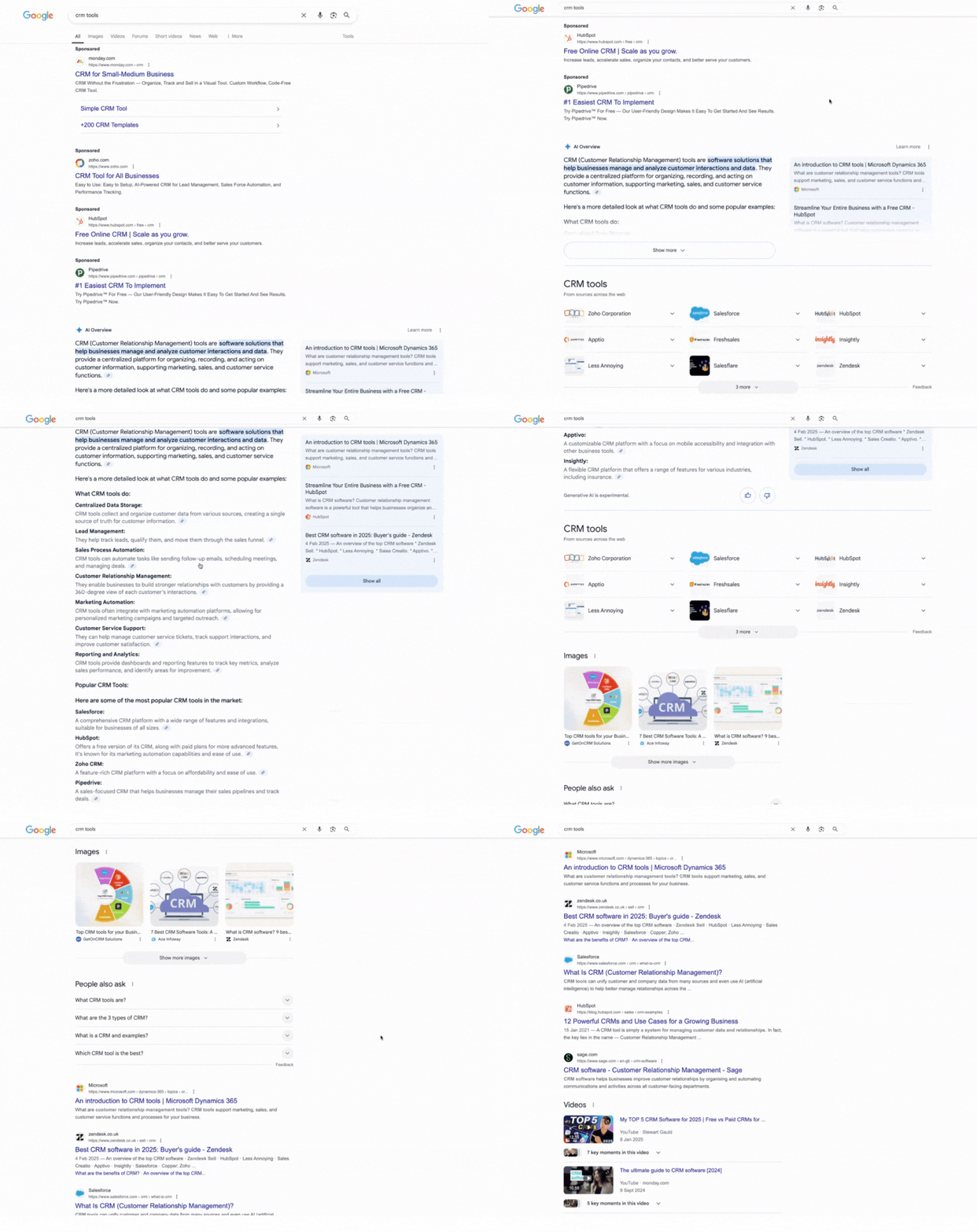
The digital landscape is undergoing a fundamental transformation as large language models and generative AI platforms redefine how information is surfaced, consumed, and verified online. While traditional search engine optimization has dominated the marketing industry for two decades, a new discipline known as AI Search Optimization—alternatively called Generative Engine Optimization or LLM Optimization—is emerging as the primary driver of online visibility. Data from Plausible Analytics indicates a staggering 2,200% increase in referral traffic from AI sources in 2024 alone, signaling a shift where platforms like ChatGPT, Claude, Gemini, and Perplexity are becoming the new gatekeepers of the buyer journey.
![How to Create B2B Content that AI Wants to Cite: Step-by-Step Guide for AI Overviews & GenAI Answers [Based on 15 Latest Studies]](https://www.convert.com/wp-content/uploads/2022/06/uwemedimo-96x96.jpeg)
This evolution is not merely a change in technology but a change in the mechanics of discovery. Unlike traditional search engines that return a list of links based on keyword relevance and backlink profiles, AI search engines synthesize direct answers, summaries, and recommendations. They draw from a combination of massive pre-trained datasets and real-time web searches, effectively "fanning out" a single user query into multiple sub-queries to provide a comprehensive response. Consequently, a brand’s presence is no longer determined by its rank on a single results page, but by its "extractability" and the consistency of its identity across the entire web ecosystem.
![How to Create B2B Content that AI Wants to Cite: Step-by-Step Guide for AI Overviews & GenAI Answers [Based on 15 Latest Studies]](https://www.convert.com/wp-content/uploads/2025/04/What-GenAI-referred-traffic-looks-like-on-Google-Analytics-for-Convert.com_.webp)
The Decline of the Traditional Search Result Page
The impact of AI on traditional organic search has been profound and measurable. For years, the goal of digital marketing was to secure the number-one spot on Google’s search engine results pages. However, the introduction of Google’s AI Overviews and similar features on other platforms has significantly altered the value of these positions. According to a 2026 analysis of 300,000 keywords, the presence of an AI-generated summary correlates with a 58% drop in click-through rates for the top organic result.
![How to Create B2B Content that AI Wants to Cite: Step-by-Step Guide for AI Overviews & GenAI Answers [Based on 15 Latest Studies]](https://www.convert.com/wp-content/uploads/2024/01/Google-search-with-traditional-SEO-ranking-of-web-pages.jpg)
As AI tools provide comprehensive answers directly within their interfaces, "zero-click" searches are becoming the norm for informational queries. This has forced a decoupling of Google rankings from AI citations. Recent data suggests that by early 2026, only 38% of pages cited in Google’s AI Overviews actually ranked in the traditional top ten for the same query. Nearly one-third of cited sources did not even appear in the top 100 organic results. This indicates that AI models prioritize structured, factual, and easily extractable content over the legacy metrics of domain authority and keyword density.
![How to Create B2B Content that AI Wants to Cite: Step-by-Step Guide for AI Overviews & GenAI Answers [Based on 15 Latest Studies]](https://www.convert.com/wp-content/uploads/2025/04/Example-of-ai-search-result-from-Perplexity-and-Microsoft-Copilot.webp)
The B2B Buyer Journey and the Validation Loop
For B2B organizations, the shift toward AI search has modified the traditional marketing funnel into what analysts call a "validation loop." Research conducted by Omniscient Digital and Wynter involving 100 SaaS decision-makers reveals a recurring pattern in modern purchasing behavior. The journey typically begins with a broad search on Google, followed by an in-depth session with a large language model to compare options and structure requirements.
![How to Create B2B Content that AI Wants to Cite: Step-by-Step Guide for AI Overviews & GenAI Answers [Based on 15 Latest Studies]](https://www.convert.com/wp-content/uploads/2024/01/Gemini-describing-how-training-data-informs-AI-search-responses.jpg)
However, because buyers remain skeptical of AI’s potential for "hallucinations" or biased outputs, they move into a validation phase. This involves consulting peer groups, Slack communities, and LinkedIn networks to verify the AI’s recommendations. Only after this peer-to-peer verification do buyers visit vendor websites to confirm technical specifics like pricing, integrations, and security compliance.
![How to Create B2B Content that AI Wants to Cite: Step-by-Step Guide for AI Overviews & GenAI Answers [Based on 15 Latest Studies]](https://www.convert.com/wp-content/uploads/2025/04/GenAI-search-sources-example-on-Perplexity-AI.webp)
The study found that while 85% of buyers trust peer recommendations, only 31% trust the information provided by LLMs. This suggests that the role of AI in the funnel is to facilitate discovery and inclusion in the "consideration set," while human trust signals remain the primary drivers of final conversions.
![How to Create B2B Content that AI Wants to Cite: Step-by-Step Guide for AI Overviews & GenAI Answers [Based on 15 Latest Studies]](https://www.convert.com/wp-content/uploads/2025/04/Google-search-results-from-ranking-algorithm.webp)
Strategic Content Optimization for AI Extraction
To remain visible in this new environment, content creators must adhere to a different set of editorial rules. Academic research, specifically the Princeton GEO paper, has identified four specific writing patterns that measurably increase a brand’s likelihood of being cited by an AI engine.
![How to Create B2B Content that AI Wants to Cite: Step-by-Step Guide for AI Overviews & GenAI Answers [Based on 15 Latest Studies]](https://www.convert.com/wp-content/uploads/2025/04/ChatGPT-AI-search-results-with-sources-or-citations.webp)
First, "extractability" is paramount. AI models are designed for energy efficiency and often skim content for direct answers. Research indicates that the first 40 to 60 words of any section should provide a direct, jargon-free answer to the heading’s question. Nuance and supporting evidence should follow, rather than precede, the core information.
![How to Create B2B Content that AI Wants to Cite: Step-by-Step Guide for AI Overviews & GenAI Answers [Based on 15 Latest Studies]](https://www.convert.com/wp-content/uploads/2024/01/Top-ranking-content-now-sits-further-down-on-the-first-page-of-Google-search-results.gif)
Second, the use of statistics over qualitative descriptions serves as a "citation magnet." Vague claims such as "our software improves efficiency" are difficult for AI to categorize. In contrast, specific data points—such as "our software reduced onboarding time by 28% over a 90-day period"—provide the concrete "entity density" that LLMs require to make factual recommendations.
![How to Create B2B Content that AI Wants to Cite: Step-by-Step Guide for AI Overviews & GenAI Answers [Based on 15 Latest Studies]](https://www.convert.com/wp-content/uploads/2025/04/Decreasing-Breadth-_-Increasing-Trust22-B2B-buyer-funnel--1024x616.webp)
Third, the inclusion of inline citations to credible third-party sources has been shown to improve AI visibility by 30% to 40%. By grounding claims in external data, a brand signals to the AI that its content is verifiable and authoritative. Finally, making every paragraph independently citable ensures that the model can extract information without needing to process large, dense blocks of text that might exceed its context window or processing efficiency.
![How to Create B2B Content that AI Wants to Cite: Step-by-Step Guide for AI Overviews & GenAI Answers [Based on 15 Latest Studies]](https://www.convert.com/wp-content/uploads/2026/04/These-personas-emerge-from-different-psychological-search-drivers.webp)
The Critical Role of Off-Site Authority
A significant portion of a brand’s AI visibility is determined by sources the brand does not own. Analysis of branded query citations shows that AI engines pull approximately 77% of their information from third-party platforms. In the B2B sector, review aggregators like G2, Capterra, and TrustRadius are the primary sources for LLM-generated recommendations.
![How to Create B2B Content that AI Wants to Cite: Step-by-Step Guide for AI Overviews & GenAI Answers [Based on 15 Latest Studies]](https://www.convert.com/wp-content/uploads/2025/04/YouTube-videos-are-an-important-source-of-AI-search-results-882x1024.webp)
Forums such as Reddit also play a disproportionate role in AI training and live-search results. AI models weight community-driven discussions heavily because they represent unfiltered human experience. Consequently, a brand’s AIO strategy must extend beyond its own website to include active community engagement, press mentions in major editorial outlets like Reuters or TechCrunch, and the maintenance of accurate profiles on Wikipedia and Wikidata.
![How to Create B2B Content that AI Wants to Cite: Step-by-Step Guide for AI Overviews & GenAI Answers [Based on 15 Latest Studies]](https://www.convert.com/wp-content/uploads/2025/04/AI-Overview-picked-a-YouTube-video-as-a-top-source.webp)
Platform-Specific Optimization Requirements
A major challenge for modern marketers is that AI engines do not use a unified index. Only 14% of cited domains overlap across the three major platforms: Google AI Overviews, ChatGPT, and Perplexity. Each platform has distinct preferences:
![How to Create B2B Content that AI Wants to Cite: Step-by-Step Guide for AI Overviews & GenAI Answers [Based on 15 Latest Studies]](https://www.convert.com/wp-content/uploads/2025/04/How-ChatGPT-chooses-its-trusted-sources-for-recommending-tools-to-user-queries.webp)
- Google AI Overviews: Heavily prioritizes YouTube content, which has seen its citation share grow by 34% in recent months. It relies on a "fan-out" mechanism that pulls from broad topical clusters.
- ChatGPT: Favors established news organizations, editorial publishers, and Wikipedia. It utilizes recency filters that prioritize content published after the model’s last training cutoff.
- Perplexity: Focuses on niche specialist sites and recently updated technical content, placing less weight on massive aggregator domains.
This fragmentation means that a one-size-fits-all approach to AI search is likely to underperform. Brands must diversify their digital footprint across video, editorial PR, and technical documentation to ensure coverage across all major models.
![How to Create B2B Content that AI Wants to Cite: Step-by-Step Guide for AI Overviews & GenAI Answers [Based on 15 Latest Studies]](https://www.convert.com/wp-content/uploads/2025/04/Example-of-Reddit-as-a-source-in-AI-recommendation-lists.webp)
Measuring Success: Frequency Over Rank
Traditional SEO metrics like "rank" are becoming obsolete in a probabilistic system where two users can type the same prompt and receive different answers. Recent studies by SparkToro indicate that there is less than a 1% chance of an AI engine generating the same brand list twice for identical prompts.
![How to Create B2B Content that AI Wants to Cite: Step-by-Step Guide for AI Overviews & GenAI Answers [Based on 15 Latest Studies]](https://www.convert.com/wp-content/uploads/2024/01/Source-and-channel-attribution-to-ChatGPT-or-other-AI-example-from-SurferSEO.jpg)
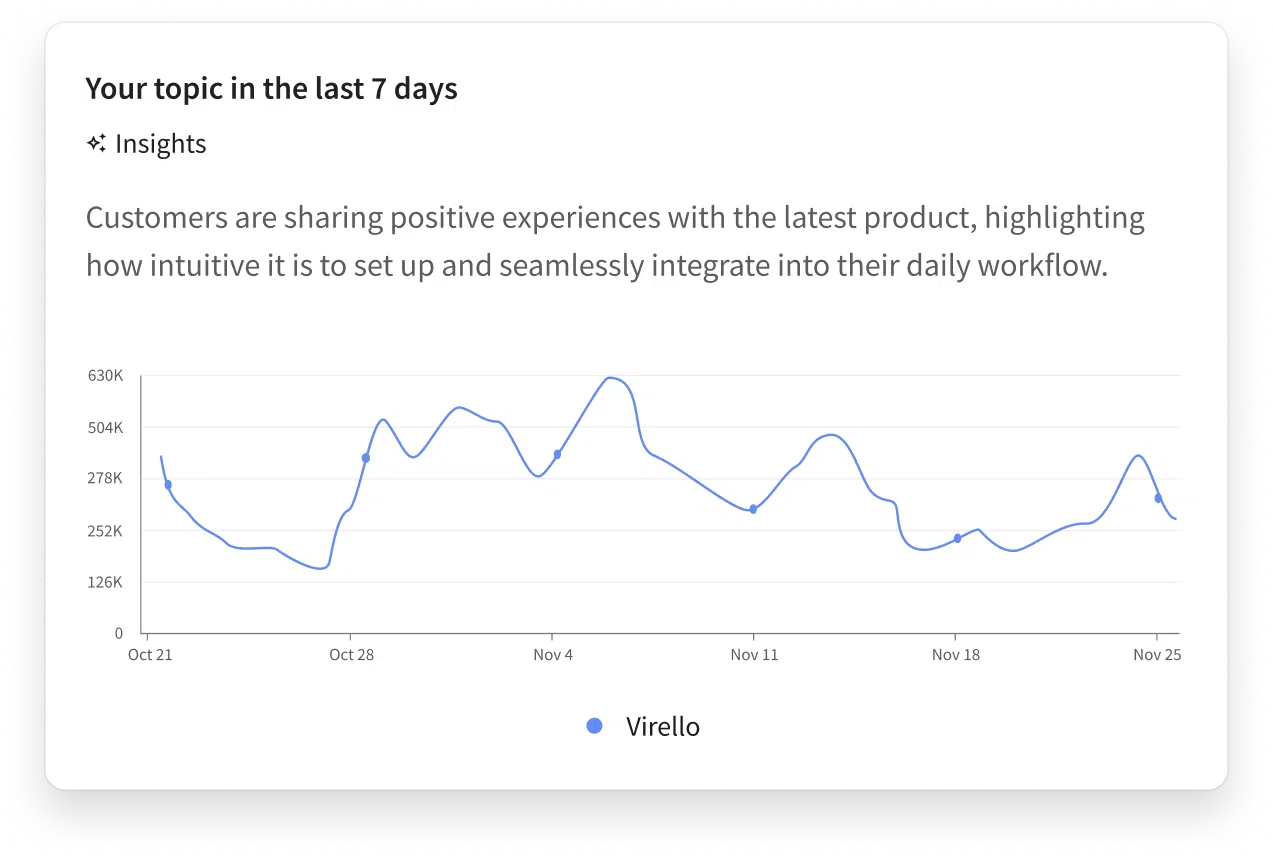
Instead of tracking static rankings, marketers are moving toward "appearance frequency" as their primary KPI. This involves running the same category prompt multiple times (ideally ten or more) across different platforms and measuring the percentage of times a brand is included in the response. A rising frequency indicates a deepening association in the AI’s topic model, while a falling frequency serves as an early warning of brand dilution or increased competition.
![How to Create B2B Content that AI Wants to Cite: Step-by-Step Guide for AI Overviews & GenAI Answers [Based on 15 Latest Studies]](https://www.convert.com/wp-content/uploads/2025/04/AI-Overview-tracked-by-the-SEO-tools.webp)
Technical Foundations and Future-Proofing
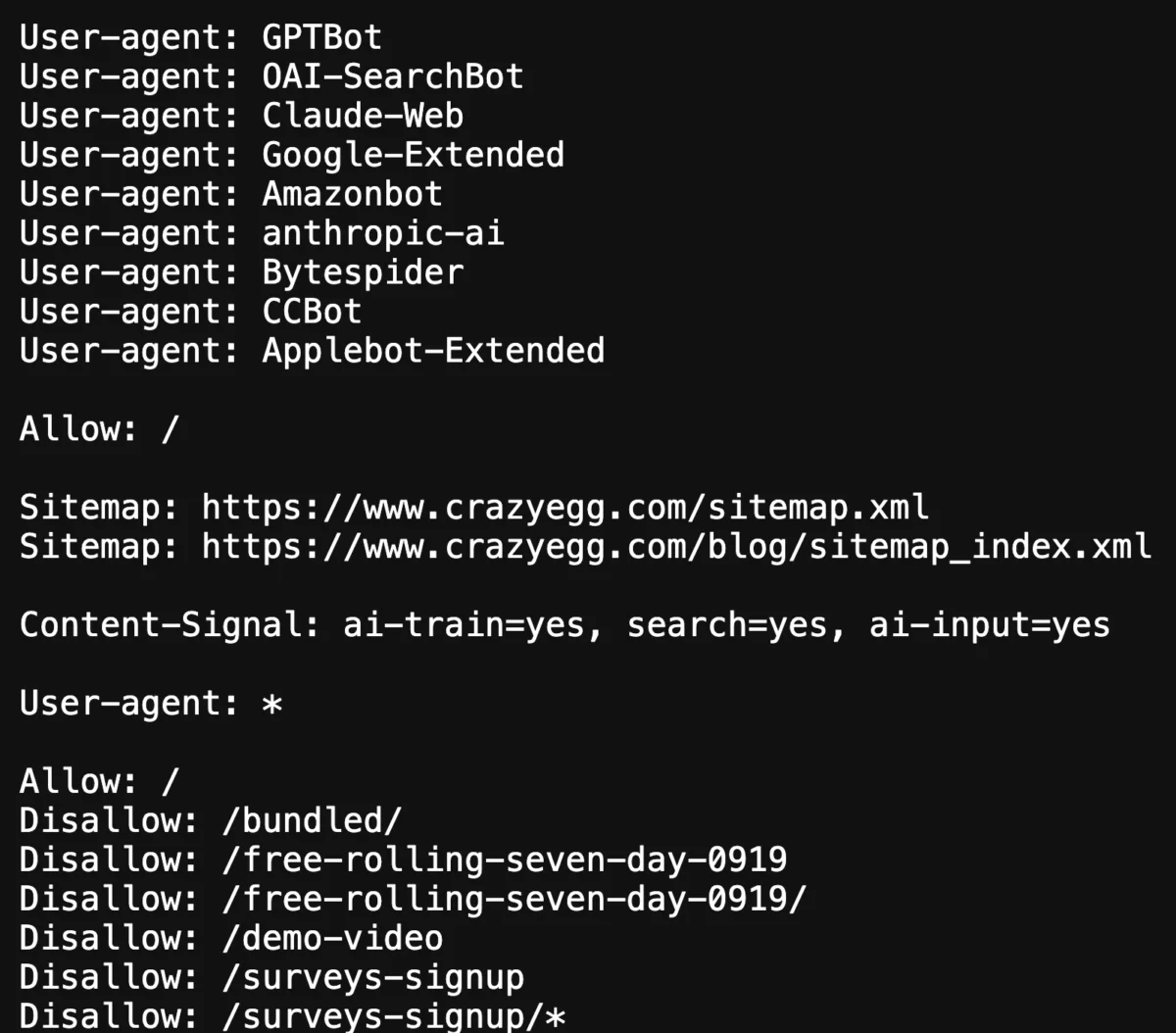
Technical optimization remains the foundation of AI discovery. AI crawlers, such as OpenAI’s GPTBot, must be granted access via robots.txt, and content must be structured using Schema markup (specifically Article, FAQ, and Product schema) to assist models in parsing data accurately. Furthermore, the emergence of Merchant Programs, such as those offered by Perplexity, allows businesses to submit product catalogs directly for AI-powered shopping recommendations, bypassing traditional search results entirely.
![How to Create B2B Content that AI Wants to Cite: Step-by-Step Guide for AI Overviews & GenAI Answers [Based on 15 Latest Studies]](https://www.convert.com/wp-content/uploads/2022/03/Banner-for-Newsletter-Use-in-Hype-Content.jpg)
In conclusion, the rise of AI search optimization does not signal the death of digital marketing, but rather its maturation. Success in 2026 and beyond requires a transition from "speaking to the algorithm" to "providing proof for the model." By focusing on extractable content, off-site authority, and peer-validated trust signals, brands can navigate the decline of the traditional blue link and secure their place in the generative discovery era.