The digital marketing landscape in 2025 has shifted from a focus on raw traffic acquisition to a rigorous discipline of conversion rate optimization (CRO), as rising customer acquisition costs (CAC) force businesses to extract more value from existing web visitors. According to industry data, while the average global conversion rate across all industries hovers around 6.6%, many enterprises continue to suffer from "leaky funnels," where high-cost traffic fails to transition into meaningful business outcomes. Experts argue that a systematic CRO strategy is no longer a luxury but a fundamental requirement for maintaining profitability in a saturated digital marketplace.
The Evolution of Conversion Rate Optimization
Historically, conversion optimization was often treated as a series of aesthetic adjustments—changing button colors, altering headline fonts, or rearranging images based on subjective preferences. However, modern digital strategy has evolved into a data-centric science. A professional CRO strategy is defined as a structured, ongoing process of identifying conversion barriers through quantitative and qualitative research, formulating hypotheses, and validating those changes through rigorous testing.
The financial implications of this shift are substantial. For a business generating $1 million in monthly revenue with a 2% conversion rate, a modest 1% increase in that rate—moving from 2% to 3%—results in a 50% increase in revenue without necessitating a single additional dollar in advertising spend. This compounding effect makes CRO one of the most efficient levers for growth in the current economic climate.
The Chronology of a Successful CRO Implementation
A successful optimization program follows a specific chronological order, moving from foundational goal-setting to iterative experimentation.
Phase 1: Establishing Measurable Objectives
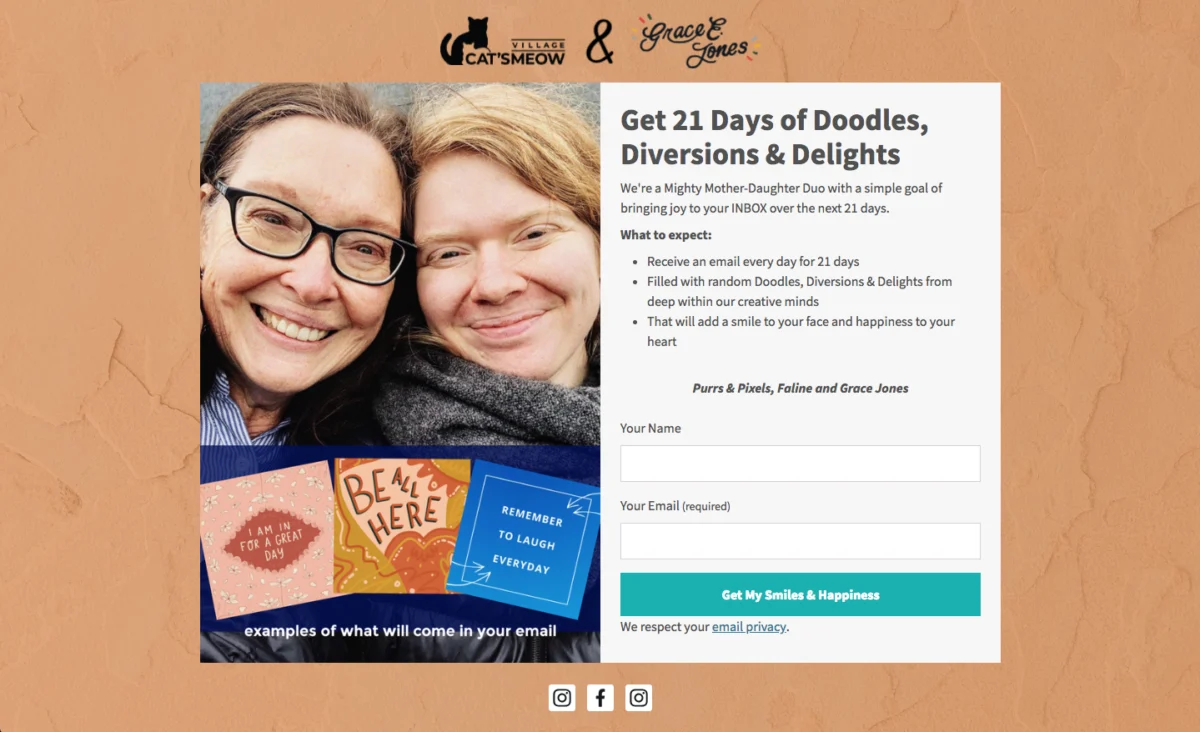
The first step in any CRO roadmap is the definition of conversion actions, categorized into macro and micro conversions. Macro conversions represent primary business goals, such as a completed purchase or a qualified lead submission. Micro conversions are smaller, incremental actions—such as newsletter signups, whitepaper downloads, or video views—that indicate a user is progressing through the sales funnel.
By aligning these goals with the specific stages of the buyer’s journey, marketers can create a map of user intent. A visitor on a top-of-funnel blog post requires a different conversion path than a high-intent visitor on a pricing page. Failure to distinguish between these stages often leads to aggressive sales pitches that alienate early-stage researchers.
Phase 2: Diagnostic Research and Data Analysis
Once goals are established, the strategy moves into the diagnostic phase. This involves a multi-layered approach to data collection:
- Quantitative Analysis: Utilizing platforms like Google Analytics 4 (GA4) to identify high-traffic pages with disproportionately high bounce rates or low conversion rates. Funnel reports are used to pinpoint the exact moment users abandon the site.
- Behavioral Analysis: Implementing heatmaps and session recordings (via tools such as Hotjar or Microsoft Clarity) to observe how users physically interact with a page. This reveals "dead clicks," where users expect a link that doesn’t exist, or "rage clicks," indicating frustration with the interface.
- Qualitative Analysis: Gathering "Voice of the Customer" (VoC) data through on-site surveys, exit-intent polls, and customer support transcripts. This provides the "why" behind the "what" found in the numbers, uncovering emotional or practical barriers to conversion.
Phase 3: Prioritization and Resource Allocation
With a list of potential improvements identified, businesses must prioritize their efforts. Industry leaders often utilize the ICE (Impact, Confidence, Ease) or PIE (Potential, Importance, Ease) frameworks. This prevents teams from wasting resources on low-impact changes. High-intent pages, such as checkout screens, pricing tables, and core service pages, are typically prioritized as they offer the most direct path to revenue.
Addressing Friction in High-Intent Funnels
A critical component of CRO is the removal of friction—any element that causes a user to hesitate or abandon their task. In the context of 2025’s ecommerce and SaaS environments, friction often manifests in complex forms, excessive field requirements, or a lack of trust signals.
On pricing and checkout pages, friction is frequently reduced by implementing "trust builders," such as money-back guarantees, secure payment badges, and social proof in the form of customer testimonials or logos. For B2B companies, streamlining lead generation forms to only the most essential information has been shown to significantly boost completion rates.
Furthermore, product and service pages must be optimized to address the specific pain points of the target audience. Analysis suggests that visitors do not buy features; they buy solutions to problems. Therefore, high-converting pages focus on benefits and outcomes, supported by clear, irresistible calls to action (CTAs).
The Methodology of Scientific Testing
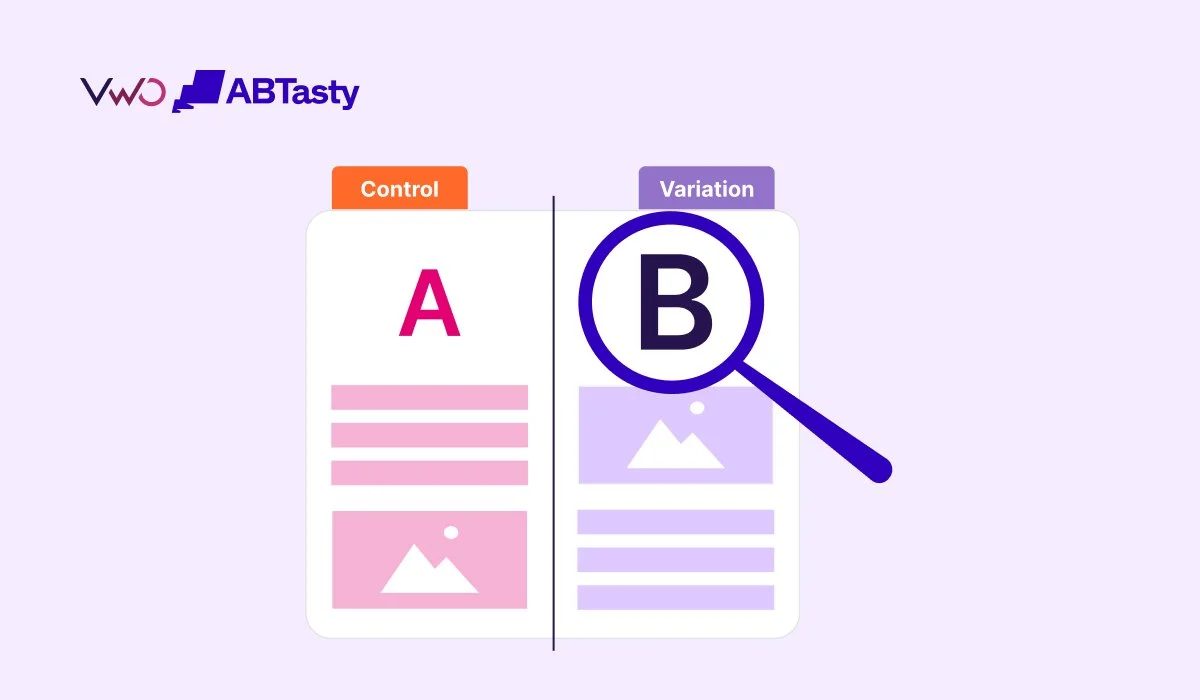
The core of a CRO strategy is the transition from guessing to testing. A/B testing (or split testing) allows a business to run two versions of a page simultaneously to see which performs better based on actual user behavior.
To ensure the integrity of these tests, marketers must adhere to several statistical principles:

- Statistical Significance: Tests must run until there is enough data to be confident that the results are not due to chance. Stopping a test too early is a common pitfall that leads to "false positives."
- Variable Isolation: Testing one element at a time (A/B testing) is generally preferred for smaller sites to identify exactly what caused the change in behavior. Larger sites with high traffic may utilize multivariate testing to analyze how different elements interact.
- Test Duration: Tests should typically run for at least two full business cycles (often 14 to 28 days) to account for fluctuations in traffic patterns across different days of the week.
Building a Culture of Experimentation
The most significant impact of a CRO strategy is realized when it becomes a permanent part of the corporate culture rather than a one-time project. This "culture of experimentation" involves a shift in mindset where every marketing assumption is treated as a hypothesis to be validated.
Organizations that lead in conversion rates typically maintain a shared knowledge base of past tests. This prevents the "recycling" of failed ideas and allows the team to build upon previous wins. This iterative process ensures that the website evolves alongside changing consumer behaviors and competitive pressures.
Industry Benchmarks and Sector-Specific Insights
While the universal average conversion rate is cited at 6.6%, performance varies drastically by sector. According to recent benchmark reports:
- Ecommerce: Product pages typically convert at 1% to 3%. Success here is often driven by mobile optimization and the speed of the checkout process.
- SaaS (Software as a Service): Trial signups often average 3% to 5%. Optimization efforts here focus on reducing the time-to-value for the user.
- Professional Services: Specialized landing pages can achieve rates of 5% to 8% or higher, provided the offer is highly relevant to the traffic source.
These benchmarks serve as a guide, but experts emphasize that the most important metric is a company’s own historical performance. The goal of a CRO strategy is "continuous improvement"—beating the previous month’s conversion rate through incremental gains.
Broader Implications and Future Outlook
The integration of Artificial Intelligence (AI) into CRO tools is the next frontier for the industry. AI-driven platforms are now capable of personalizing web experiences in real-time, showing different versions of a page to different users based on their past behavior or demographic data. This level of "dynamic optimization" represents the pinnacle of current CRO strategy, allowing for a personalized journey for every visitor.
Furthermore, CRO has a profound impact on other marketing channels. A website that converts well makes every dollar spent on Search Engine Optimization (SEO), Pay-Per-Click (PPC) advertising, and social media more effective. It lowers the cost per lead and increases the lifetime value of the customer, providing a significant competitive advantage.
In conclusion, as digital competition intensifies, the ability to convert traffic into revenue is the primary differentiator between market leaders and their competitors. By moving from a "guess-and-check" approach to a systematic, data-driven CRO strategy, businesses can secure sustainable growth and maximize the return on their digital investments. The process requires a combination of technical analytical skills, an understanding of human psychology, and a commitment to constant experimentation. For those willing to invest the effort, the rewards are found in a more efficient, more profitable, and more resilient digital presence.