For decades, enterprise technology brands have strategically invested significant resources to earn coveted spots in Gartner Magic Quadrant and Forrester Wave reports. This analyst recognition has served as a crucial third-party validation, empowering B2B buyers to navigate complex market landscapes and providing buying committees with an independent, credible source for vendor evaluation. However, a recent shift in how B2B decision-makers discover and research solutions is challenging the visibility and impact of this hard-won prestige. The very proof points that B2B brands work tirelessly to achieve are proving to be less influential in the emerging landscape of AI-powered answer engines, potentially representing a missed opportunity in a critical new discovery channel.
The core issue lies in the divergence between traditional analyst relations efforts and the evolving digital journey of B2B buyers. While analyst reports remain a benchmark for category credibility, their direct accessibility and visibility within the rapidly expanding realm of AI search engines are demonstrably limited. This creates a disconnect where the authority of analyst recognition, while still valuable, may not be effectively translating into the spaces where B2B audiences and decision-makers are increasingly seeking information and forming opinions.
The Shifting Sands of B2B Discovery: AI’s Ascendancy
The landscape of B2B technology research has undergone a seismic transformation, with artificial intelligence emerging as a dominant force. A groundbreaking analysis by OtterlyAI, which meticulously reviewed over one million unique URLs cited across prominent AI platforms like ChatGPT, Google AI Overviews, Gemini, and Microsoft Copilot, revealed a significant trend. During a 24-hour period, these AI engines drew upon a vast array of online content. When isolating citations from the primary websites of ten major analyst firms, the findings were stark.
Gartner, a titan in the analyst world, accounted for a commanding 81.7% of all analyst-site citations within this AI snapshot. However, a closer examination revealed that an overwhelming 96% of these Gartner citations pointed to its "Reviews" product and customer comparison pages, with gated research documents – often the cornerstone of detailed vendor evaluation – comprising less than 1%. This indicates that while Gartner’s brand authority is recognized by AI systems, the specific content being surfaced is primarily focused on user-generated reviews and comparative data, rather than the in-depth analytical reports that have historically driven vendor selection.
This phenomenon underscores a critical insight: prestige and AI visibility are distinct, albeit interconnected, systems. In today’s rapidly evolving digital ecosystem, B2B brands need to excel in both to fully harness their influence.
Further bolstering this observation, G2’s recent survey of 1,076 B2B software buyers and decision-makers highlighted the profound impact of AI chatbots on the initial stages of the buying process. The survey found that a significant 51% of respondents now initiate their research with an AI chatbot more frequently than with traditional search engines like Google, a substantial increase from 29% the previous year. G2’s research also identified AI chatbots as the leading influence on buyer shortlists, with a remarkable 69% of buyers reporting that they have selected a different vendor than originally planned due to recommendations received from a chatbot. This powerful datapoint is a clear signal driving many B2B brands to prioritize AI visibility in their marketing strategies.
Complementing these findings, Forrester’s 2026 business buying research, which surveyed nearly 18,000 global business buyers, revealed that an astonishing 94% are now actively using AI during their buying journeys. While AI is revolutionizing discovery, buyers are still engaging in crucial validation steps, seeking input from peers, product experts, analysts, and their professional networks. This dual reliance on AI-driven discovery and human validation necessitates an integrated approach. Forrester’s research also highlighted the complexity of modern B2B purchasing decisions, involving an average of 13 internal stakeholders and nine external participants, emphasizing the need for a multi-faceted influence strategy.
Bridging the Gap: From Analyst Authority to AI Influence
The central question for B2B brands heavily invested in analyst relations becomes: how can the inherent authority of analyst recognition be effectively extended into the digital channels where buyers and AI systems are actively discovering information? While direct claims about inclusion in Gartner Magic Quadrants or Forrester Waves are often governed by strict compliance guidelines, the underlying authority can be effectively channeled through other trusted voices and intermediary platforms.
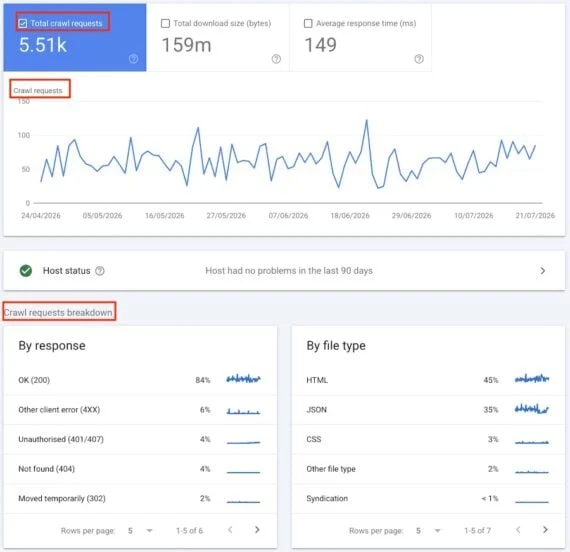
OtterlyAI’s analysis also shed light on the mechanics of AI crawling and content accessibility. It noted that Gartner actively blocks several major AI crawlers, including GPTBot and Google-Extended, from directly accessing its content. Despite these restrictions, Gartner’s dominance in analyst-site citations within AI search results is attributed to existing search indexes, pre-existing indexed information, and third-party citation chains where other websites reference Gartner’s content. This suggests that the authority signals necessary for analyst recognition to surface in AI search can travel through a network of intermediaries.
For instance, the same OtterlyAI study found that only a minuscule 0.7% of Omdia-related citations within its publishing network originated directly from Omdia’s analyst domain. The remaining 99.3% were channeled through affiliated trade publications, with TechTarget being a significant contributor. This illustrates a crucial opportunity for B2B influencer marketing and content integration.
The Magic Quadrant may represent the "prestige asset," but the executive interview, industry expert article, creator video, podcast discussion, customer perspective, or earned media story emerge as the "accessible assets" that drive and amplify conversations around that prestige. The ultimate goal is to transform analyst recognition into a comprehensive trust system, positioning a brand as a credible answer wherever buyers are seeking information.
Building a B2B Influence Ecosystem: A Strategic Imperative
For years, B2B influencer marketing has often been viewed as an "activation layer"—a tactic for amplifying campaign messaging through recognizable individuals. However, the opportunity presented by analyst recognition calls for a more strategic, integrated approach. B2B influencer marketing, executive thought leadership, content marketing, earned media, search engine optimization, and analyst relations can and should converge to drive a unified market narrative. This integrated approach is particularly vital in today’s complex B2B buying committees, where diverse voices hold sway with different stakeholders.
1. Strategic Influencer Identification: Beyond Follower Counts
The process of identifying influential voices should commence long before a search for names begins, by first understanding the dynamics of the buying committee. Key questions to address include: Who needs to understand your analyst recognition? Who influences their thinking? Which roles within the committee are users, recommenders, evaluators, and economic buyers?
Audience size alone can be misleading. An influencer with a massive following of individual practitioners might be ideal for driving adoption and education. Conversely, an expert with a more focused network of relevant VPs, CROs, CIOs, RevOps leaders, or other senior decision-makers may hold greater value when the objective is category credibility and shortlist consideration.
At TopRank Marketing, a leading B2B influencer marketing agency, the evaluation of B2B influencers prioritizes relevance, resonance, and reach, alongside values alignment, brand affinity, and topic/content matching. For analyst-driven programs, role relevance is paramount. This necessitates looking beyond baseline metrics to assess a broader spectrum of characteristics, including subject matter expertise, content quality and engagement, audience demographics and psychographics, professional reputation and credibility, platform presence and activity, and past collaborations and performance.
However, the complexity of this assessment presents a significant challenge. Research from Ascend2, conducted in conjunction with TopRank Marketing, revealed that 48% of B2B marketers struggle with identifying, qualifying, and connecting with ideal influencers, making it the most commonly cited hurdle in their B2B Influencer Marketing Report. The most effective influencer for amplifying analyst recognition is not necessarily the most popular, but rather the individual whose credibility most meaningfully overlaps with the target buyer audience.
2. Diversifying Influence: Assigning Roles to Credible Voices
An effective B2B influence program designed to optimize the visibility of analyst recognition requires a portfolio of credible voices, each fulfilling a distinct purpose yet working in concert. Different individuals bring unique forms of authority to the table:
- Category Interpreters: These experts illuminate market shifts, define category significance, and guide buyers on emerging trends. Their primary role is interpretation and contextualization.
- Practitioner Validators: Drawing on real-world experience, practitioners articulate the practicalities of implementation, potential pitfalls, and critical capabilities when theory meets practice. Their contribution is proof through experience.
- Executive Peers: Former CROs, CIOs, CMOs, and operations leaders can engage audiences that practitioner creators may struggle to reach. They possess a deep understanding of organizational complexity, investment decisions, business risk, and the nuances of achieving consensus within a buying group, offering decision-level relevance.
- Educators and Creators: These experts excel at demystifying complex topics through engaging content formats such as LinkedIn posts, videos, newsletters, and podcasts, making information accessible.
- Industry Media and Publisher Voices: Editors, journalists, and podcasters provide independent market context and generate earned visibility beyond the brand’s direct sphere of influence.
These individuals are not intended to function as unofficial sales representatives for analyst reports. Their true value lies in their insightful perspectives. Instead of simply asking multiple influencers to state, "Brand X was named a Leader," the most impactful activations involve posing meaningful questions for them to explore and react to. Questions such as, "What is fundamentally changing in this market?" or "What are the most critical considerations for buyers navigating this category today?" can transform analyst recognition into a catalyst for valuable market discourse.
3. Integrating External Influence with Executive Thought Leadership
A robust B2B influence program extends beyond siloed campaigns, fostering a synergy between external influencers and internal executive thought leadership. This integration transcends mere tactical alignment; it involves bringing executive and influencer voices together. This can manifest in various formats, including short-form video, video podcasts, LinkedIn Live sessions, and written content.
For instance, an influencer might discuss the implications of a recent market trend, followed by an executive offering strategic insights and how the company’s recognized position addresses these trends. Alternatively, an executive could share their vision for the future of the category, with an influencer providing practical perspectives on adoption and implementation.
The result is a richer, more authoritative narrative than a traditional sponsored post. Each participant contributes a distinct form of credibility. Furthermore, if an influencer’s content performs exceptionally well, licensing and investing in Thought Leader Ads can extend its visibility. These integrated conversations offer significant repurposing potential, yielding a wealth of content including blog posts, social media updates, webinar topics, podcast episodes, video clips, and infographics, all derived from a single, meaningful exchange.
The latest B2B Influencer Marketing Report indicates that 95% of B2B marketers involve influencers in content creation to some degree. Marketers who report high satisfaction with their influencers and those with the most effective programs are more than three times as likely to involve influencers heavily in co-creation. Analyst recognition can create the initial moment, but the subsequent market conversation, fueled by influencers, generates enduring content.
4. Constructing a "Best Answer" Content Ecosystem
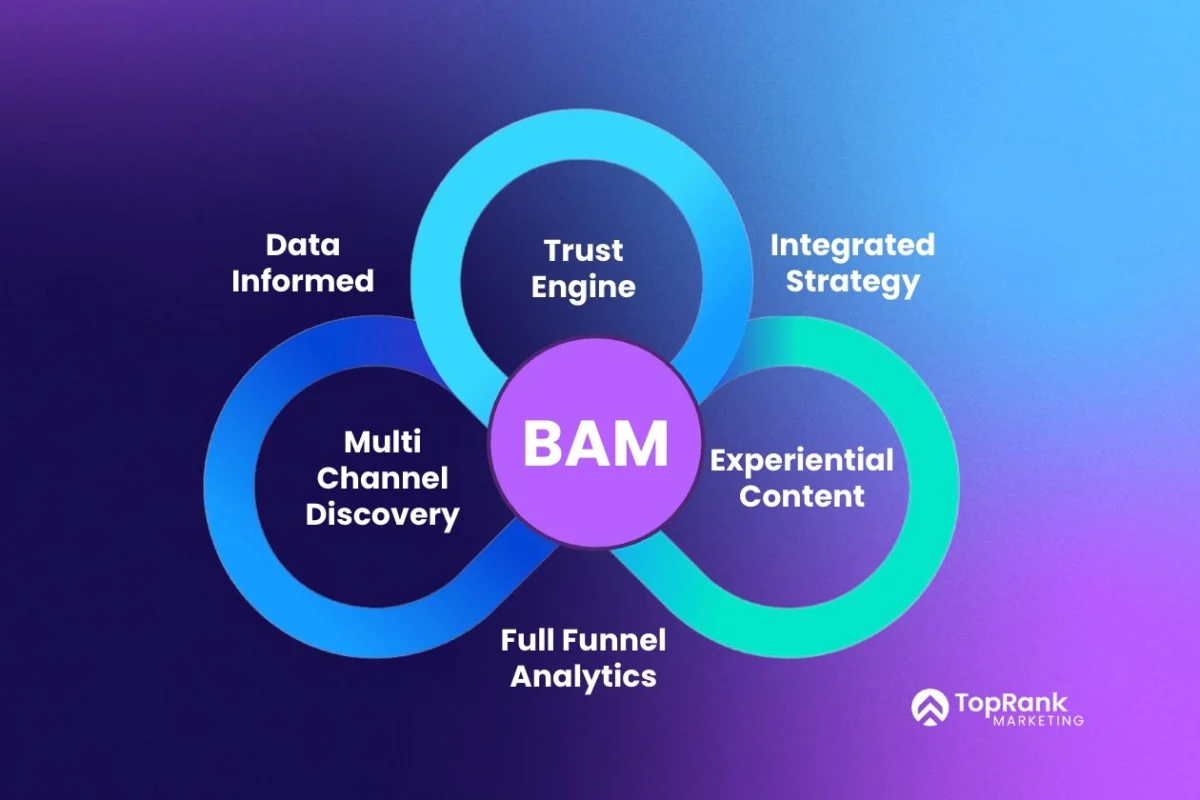
To elevate influencer marketing beyond mere social amplification, understanding the "Best Answer Marketing" (BAM) framework is essential. This approach, developed by TopRank Marketing, is built upon six interconnected pillars: Data Informed, Integrated Strategy, Trust System, Experiential Content, Multi-Channel Discovery, and Unified Analytics. This framework empowers B2B brands to craft credible, useful content experiences that achieve visibility wherever buyers are actively searching.
When applied to analyst recognition, the process unfolds as follows:
- Data Informed: Begin with audience research to identify the questions buyers pose about your category, their comparison points, and concerns surfaced in CRM data, search behavior, sales conversations, and social discussions. Analyst recognition then serves as one signal informing these answers.
- Integrated Strategy: Develop a cohesive narrative that links analyst relations, influencer marketing, executive thought leadership, content marketing, social media, search engine optimization, public relations, paid media, and demand generation. The goal is not for everyone to repeat identical messaging, but for their unique perspectives to contribute to a shared buyer understanding, generating genuine impact.
- Trust System: Building trust is paramount in B2B marketing. This is achieved by layering diverse sources of credibility around the core topic. These sources can include analyst research, customer reviews and testimonials, executive thought leadership, industry expert content, third-party validation (such as earned media), and community discussions. Each credibility signal adds a distinct dimension to the narrative.
- Experiential Content: Credible content only achieves its full potential when it is consumed. This involves transforming insights into formats that audiences are motivated to engage with, including experiential formats like interactive webinars, virtual events, live Q&A sessions, and explainer videos. While a Magic Quadrant announcement might generate short-term attention, the content created around the broader category conversation can deliver sustained value, especially when it offers an engaging experience that audiences are inclined to share.
- Multi-Channel Discovery: Credible content must be discoverable. In today’s fragmented discovery landscape, securing a place in LLM or Google’s AI Overviews requires more than basic SEO tactics. Meaningful discovery necessitates publishing and activating content where buyers actively research and are influenced, including LinkedIn, YouTube, industry publications, newsletters, podcasts, online communities, and AI answer engines.
Recent research indicates that professionals are increasingly using GenAI tools like ChatGPT and Perplexity to discover thought leadership, a trend expected to accelerate. Visibility for B2B brands must now be designed to align with audience behaviors across searching, scrolling, watching, and listening, effectively integrating B2B influencer marketing and AI visibility into a cohesive system.
5. Empowering Creators Within Compliance Frameworks
Analyst recognition also introduces compliance considerations. Gartner and Forrester maintain detailed policies governing the use of their terminology, quotations, and promotional language. These policies permit certain phrases, such as "Named," "Positioned," or "Recognized," while restricting stack-ranking language or claims implying direct endorsement.
Brands should avoid turning influencers into scripted spokespeople. Instead, compliance should be inherently designed into the program. This involves providing creators with approved public source materials that clearly outline permitted analyst-related language, specifying any licensing restrictions for graphics or materials, and establishing an efficient review process for factual claims, including FTC disclosure expectations. Within these guardrails, influencers can leverage their expertise to engage their audiences authentically. The fundamental reason B2B brands engage influencers is to harness their unique expertise and perspective. The brand’s role is to create a framework where accuracy and authentic perspective can coexist harmoniously.
6. Leveraging Earned Media to Expand the Trust Network
Influencers are a vital component of a B2B brand’s credibility ecosystem, but earned media plays a crucial role in extending the narrative through trusted sources. Analyses of links surfaced by AI platforms reveal that earned media constitutes a significant majority of citations, far exceeding paid and advertorial content. Furthermore, user-generated platforms like LinkedIn, Reddit, and YouTube are major sources of AI citations. Within LinkedIn citations, individual members contribute a larger proportion than company pages.
This highlights a shift in the role of owned media, emphasizing that authority is amplified when it appears across a network of credible sources. Citations are paramount for LLMs and AI-powered search, and driving them is a collective endeavor involving public relations, influencer marketing, content marketing, social media, and SEO. These integrated efforts provide buyers with more avenues for discovery and more reasons to trust the information they find, ultimately influencing AI engines to select a brand as the desired answer.
7. Measuring B2B Influence: From Brand Awareness to Demand Generation
A common deficiency in many influencer programs lies in measurement. While impressions and engagement metrics are valuable indicators of reach and interaction, they do not fully capture the business impact. Identifying and reporting results remains a significant challenge for many marketers. Advanced programs are more likely to utilize metrics such as Share of Voice and Marketing Qualified Leads (MQLs)/Sales Qualified Leads (SQLs) for performance evaluation.
For an analyst recognition program, measurement should bifurcate into brand and demand outcomes. Brand and influence signals include tracking brand mentions, sentiment analysis, share of voice, website traffic attributed to influencer campaigns, and engagement rates on influencer content. Demand signals connect these activities to tangible business results such as MQLs and SQLs generated from influencer-driven campaigns, influenced pipeline, closed-won revenue, and customer acquisition cost (CAC) related to influencer activities.
Each B2B influencer should have trackable URLs and campaign identifiers, and their activities should ideally integrate with web analytics, CRM data, and paid media platforms. Crucially, these disparate data points must be synthesized into a unified view. Within the Best Answer Marketing framework, Unified Analytics acts as a feedback loop, connecting visibility, engagement, and conversion data to provide B2B marketers with actionable intelligence on which stories, experts, channels, and experiences are genuinely contributing to business outcomes. This holistic view transforms measurement from a mere campaign report into strategic intelligence for future initiatives.
The Integrated B2B Influence Program: A Case in Point
TopRank Marketing has a proven track record of developing and executing B2B influencer programs for enterprise brands, including collaborations with industry leaders such as Adobe, Dell, SAP, LinkedIn, and Sprinklr. A notable example is Sprinklr’s "Socialverse" program, where TopRank Marketing facilitated a documentary-style masterclass bringing together prominent industry influencers like Jay Baer, Ann Handley, Mari Smith, and Paul Roetzer with internal experts and customers. This initiative integrated influencer content, social media, paid promotion, and an event experience around a unified narrative.
The campaign garnered over 5,000 global event registrations, with organic and paid messages reaching more than 23.4 million people and generating nearly 100,000 engagements. The program exceeded benchmarks for accounts reached and MQLs, contributed to new annual recurring revenue, and received a Content Marketing Award for Best Use of Influencer Marketing. This demonstrates how a Magic Quadrant placement can catalyze an important moment for a B2B brand, with influencer marketing transforming that moment into a dynamic ecosystem of trusted voices, valuable content, executive visibility, and multi-channel discovery that continues to yield results long after publication.
Auditing the Prestige-Visibility Gap: A Call to Action
For B2B brands that have earned analyst recognition, it is imperative to audit the actual reach and impact of that authority. A practical exercise involves identifying 25 to 50 high-intent questions that buyers frequently ask about the category, including prompts related to market trends, competitive landscapes, emerging technologies, and practical implementation challenges.
Running these questions through the AI platforms most frequented by the target audience and meticulously documenting the companies that appear and the sources cited is crucial. These sources should then be classified by type—analyst research, reviews, company content, influencer content, executive content, earned media, communities, and other third-party sources. This comparison will reveal the true visibility of credibility investments against actual reach.
The findings may indicate that a significant asset is not performing to its full potential or meeting visibility expectations. This is not a reason to de-emphasize analyst relations, but rather a compelling rationale to make earned authority work harder and smarter. A Magic Quadrant placement provides prestige; a "Best Answer" influence system translates that prestige into trusted, discoverable visibility wherever buyers are actively seeking solutions.