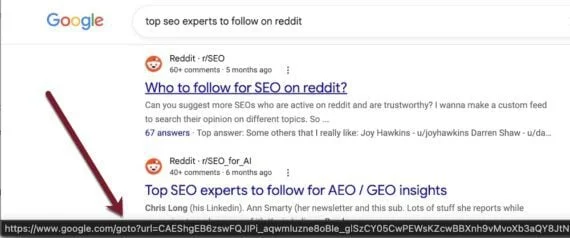
Google has initiated a significant shift in how it presents search results, rolling out a new redirection system that replaces direct URLs with google.com/goto links. This move, designed to curb the relentless surge of bot-initiated search sessions, poses substantial challenges for search engine optimization (SEO) tools, artificial intelligence (AI) platforms, and the very integrity of search data. The change, which began testing in July and is slated for broader deployment to logged-out users within a month, represents Google’s latest effort to regain control over its search ecosystem, which has been increasingly strained by automated agents.
The persistent issue of bot traffic has long plagued Google. Beyond the typical crawlers for website analytics and monitoring, a growing concern stems from rank-tracking tools and, more recently, generative AI platforms. These AI agents, designed to answer user prompts, frequently query Google, creating a substantial volume of artificial search activity. This not only consumes considerable server resources but also can skew search result data and potentially impact the organic visibility of legitimate websites.
Google’s previous attempt to mitigate this problem occurred last year when it disabled the &num=100 URL parameter. This parameter had allowed bots to retrieve up to 100 organic search listings per page, facilitating more efficient crawling. By removing it, Google forced bots to navigate through multiple pages, thereby increasing their resource consumption and making large-scale scraping more cumbersome. However, this measure proved insufficient against the escalating sophistication and volume of automated agents.
The introduction of google.com/goto redirects represents a more direct and impactful intervention. Instead of displaying the actual destination URL of a clicked search result, users (and bots) are now routed through an intermediary google.com/goto link. This redirects users to their intended destination after an additional step, requiring bots to execute a click to reveal the final URL. This fundamental change necessitates significant adjustments from tools and platforms that rely on direct access to URL data from Google’s Search Engine Results Pages (SERPs).
Impact on Rank Tracking Tools and SEO Software
The immediate and most pronounced effect of the google.com/goto redirects is on rank-tracking tools. These platforms are designed to monitor a website’s position in search engine results for specific keywords. Historically, they achieved this by simulating user searches and extracting the URLs from the SERPs. The new redirect mechanism introduces a critical hurdle: the actual destination URL is no longer directly visible. It must be revealed through a click, an action that many automated tracking systems either cannot perform or find significantly more resource-intensive and complex to implement.
Early reports from various SEO communities and forums indicated that many rank-tracking tools experienced disruptions. Some users observed inaccurate ranking data, with certain keywords appearing to have dropped significantly in position, or even disappeared from tracking altogether. This is because the tools, unable to parse the direct URL, might have failed to register the correct destination.

However, major players in the SEO software market appear to be adapting. Ahrefs and Moz, two prominent SEO analytics providers, have publicly stated that they anticipated Google’s move and have already implemented solutions to detect and circumvent the /goto redirects. Their respective engineering teams have reportedly developed methods to resolve the final destination URL, thereby maintaining the accuracy of their ranking reports.
Semrush, another leading SEO platform, has also shown signs of adjustment. While initial reports in early August indicated that Semrush was still encountering and logging the google.com/goto links as rankings, a more recent observation suggests that these instances have significantly diminished. This suggests that Semrush has also found a workaround, likely by implementing similar click-simulation or redirection-resolving technologies.
Despite these adaptations by larger companies, smaller or less technically advanced rank trackers may lag behind. For a period, users of these slower-to-adjust tools might continue to see erratic and inaccurate ranking data. This could lead to confusion and potentially misguided SEO strategies based on flawed performance metrics. The necessity for these tools to invest in updated scraping and parsing technologies highlights the ongoing arms race between search engines and automated data extraction services.
Implications for Google Search Console and Data Integrity
While Google’s official tools like Search Console (specifically its "Performance" report) have thus far appeared unaffected by the direct URL display change, the underlying data collection processes could be subject to indirect impacts. The "Performance" report in Google Search Console provides valuable insights into how a website performs in Google Search, including clicks, impressions, click-through rates (CTR), and average position.
The primary concern here is the potential for bot traffic, especially from AI platforms, to skew these metrics. Even if Search Console isn’t directly parsing /goto links, the sheer volume of AI-driven queries could inflate impression counts and potentially influence the average position for certain queries. If AI agents are performing searches and then using the /goto URLs in their responses, their activity might not be as easily distinguishable from genuine human user behavior.
One potential effect is an artificial increase in impressions for certain queries. If AI platforms are continuously searching for information to answer user prompts, they will generate numerous impressions for the search results they access. While these are not human users, they contribute to the overall impression count in Google’s systems. This could lead to a situation where a website appears to be receiving more visibility than it actually is from human searchers.
Another concern is the potential impact on CTR. If AI agents are simply "viewing" search results without genuine user intent, their presence could dilute the CTR for legitimate users. Conversely, if AI agents are programmed to click on specific types of results, they could artificially inflate CTRs for those results, creating a misleading picture of user engagement.
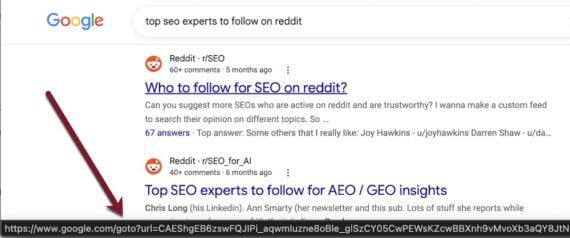
Furthermore, the ability of AI platforms to cite /goto URLs in their responses is a developing area. While these platforms are beginning to acknowledge these redirects, this practice might evolve. If AI platforms stop citing the /goto URLs, or if Google’s systems become more adept at identifying and filtering AI-generated traffic, this could lead to a perceived decline in citation reports. Third-party citation analysis tools might reflect this change, showing a drop in mentions or backlinks attributed to AI-driven search activity.
Google’s legal actions against entities like SerpAPI, a prominent scraper used by ChatGPT, underscore its commitment to protecting its search data from unauthorized access. The lawsuit, filed in December 2025 in U.S. District Court, alleged violations of the Digital Millennium Copyright Act (DMCA). While the initial lawsuit was dismissed, Google has since filed an amended version, signaling its ongoing efforts to combat large-scale scraping. This aggressive stance suggests a long-term strategy to restrict access to raw search result data, aiming to force a more controlled and perhaps monetized interaction with its search index.
Broader Implications for Search-Engine Data and the Future of SEO
The introduction of google.com/goto redirects signifies a broader trend: Google’s increasing efforts to control access to its search result data and to distinguish between human and machine traffic. This is not merely about combating bots; it’s about preserving the integrity of its search ecosystem and potentially influencing how businesses and developers interact with its services.
The implications for the future of SEO are significant. With increased restrictions and potential data obfuscation, SEO professionals may need to rely less on direct URL scraping and more on sophisticated analytics and contextual analysis. The emphasis might shift towards understanding user intent and behavior through indirect signals, rather than solely relying on positional data.
The uncertainty surrounding search-engine data is likely to grow. As Google continues to implement measures to block automated access, the availability of granular data for analysis may diminish. This could lead to a more challenging environment for SEOs, requiring them to adapt their methodologies and tools to navigate a less transparent landscape. The "fuzzier reports" mentioned by some observers suggest a future where data analysis becomes more interpretive and less reliant on direct, easily accessible metrics.
The ongoing legal battles and technical interventions highlight the evolving relationship between search engines, AI developers, and the broader digital economy. Google’s actions are a clear signal that it intends to be the gatekeeper of its own data, pushing back against what it perceives as unauthorized or detrimental exploitation of its search index. This will undoubtedly lead to further innovation in both scraping technologies and search engine countermeasures, creating a dynamic and often challenging environment for those who depend on understanding and optimizing for search engine visibility.
In conclusion, Google’s deployment of google.com/goto redirects is a strategic move to combat the pervasive issue of bot traffic and AI scraping. While major SEO tools are adapting, the change necessitates a re-evaluation of data analysis and SEO strategies. The long-term trend points towards a more controlled and potentially less transparent search data landscape, requiring continuous adaptation and innovation from the SEO community.