The term "target" is a cornerstone of modern marketing, representing the fundamental question of audience identification. Marketers employ a multifaceted approach, considering behavioral, psychographic, demographic, and geographic factors to define their ideal consumer. However, an equally critical dimension often overlooked is generational nuance. This series delves into digital marketing strategies tailored for distinct generational cohorts, beginning with an in-depth examination of Millennials (born 1980-1994), following our previous exploration of Generation Z. Understanding how to connect with these groups requires not only precise targeting but also a nuanced appreciation of their unique life experiences, values, and consumption patterns.
Millennials have emerged as the largest generational cohort, surpassing Baby Boomers in sheer numbers. This demographic shift alone necessitates a strategic re-evaluation of marketing efforts. While often characterized by traits such as digital savviness, a focus on health and wellness, and a burden of student debt, these generalizations, while containing kernels of truth, fail to capture the full spectrum of this diverse group. A deeper dive into the Millennial mindset and consumption behaviors is crucial for any marketer aiming to establish meaningful connections.
The Millennial Mindset: Forged in the Digital Crucible
Unlike Generation Z, who were born into a world where digital technology was already ubiquitous, Millennials experienced the dawn of the digital revolution firsthand. They witnessed and participated in the transformative rise of the internet, the proliferation of social media platforms, and the ascendant influence of tech giants like Google, Amazon, and Apple. Facebook, a platform now synonymous with social connection, was famously founded by a Millennial, underscoring this generation’s intrinsic link to the digital age. This formative experience has endowed them with a high degree of technological fluency and an inherent comfort with digital communication and information consumption.
Furthermore, Millennials are a highly educated generation. Data from the Pew Research Center indicates that Millennials are more likely than previous generations to hold a college degree. However, this educational attainment has often come at a significant financial cost. The escalating prices of higher education and the subsequent rise in housing costs have left many Millennials grappling with substantial student loan debt. This financial pressure has demonstrably influenced their life stage progression. Consequently, major life milestones such as marriage, homeownership, and starting families are often delayed compared to earlier generations, as they prioritize financial stability before embarking on these significant commitments.
Beyond these observable trends, the Millennial psyche is characterized by a strong sense of individualism and a pursuit of personal freedom. This self-oriented approach is not necessarily indicative of self-absorption but rather a prioritization of personal fulfillment and autonomy. Their health consciousness is a significant driving force, evidenced by the growing popularity of plant-based diets, including vegetarianism, veganism, and pescetarianism, and a general embrace of wellness trends. Perhaps one of the most defining values for Millennials is their prioritization of experiences over material possessions. This inclination shapes their purchasing decisions, favoring activities, travel, and personal growth opportunities that create lasting memories and contribute to their personal narrative, rather than accumulating tangible goods.
Millennial Consumption Patterns: A Shift in Priorities
Research by McKinsey & Company has identified distinct clusters of consumption behaviors among Millennials, highlighting their nuanced approach to purchasing decisions. These clusters, while not exhaustive, offer valuable insights into their spending habits and motivations.
- The Value-Conscious Pragmatist: This segment prioritizes affordability and seeks the best value for their money. They are adept at comparison shopping, leveraging online reviews and discount offers to make informed purchases.
- The Quality-Seeking Indulger: Despite financial pressures, this group is willing to invest in premium products that offer superior quality, durability, and perceived long-term benefits, particularly in areas related to health and well-being.
- The Experience-Driven Explorer: For this cluster, spending is directed towards activities and services that offer unique and memorable experiences, such as travel, dining out, and cultural events.
- The Socially Responsible Consumer: This segment is increasingly influenced by a brand’s ethical practices and commitment to sustainability. They are more likely to support companies that align with their values and demonstrate a positive social impact.
A critical observation from these patterns is that despite concerns about their financial future, Millennials are not averse to spending. Instead, their spending is often strategic and driven by a desire for quality, health benefits, and enriching experiences. This indicates that marketing messages that emphasize long-term value, health advantages, and experiential benefits are likely to resonate more effectively.
Strategic Marketing to Millennials: Reaching and Engaging
With a clearer understanding of the Millennial mindset and consumption behaviors, the next crucial step is to develop effective strategies for reaching and engaging this demographic. This involves identifying the most appropriate platforms and crafting messaging that speaks directly to their values and priorities.
Platforms to Reach Millennials
The digital landscape is where Millennials are most accessible. Their high digital literacy and ingrained online habits mean that a robust digital marketing strategy is paramount.
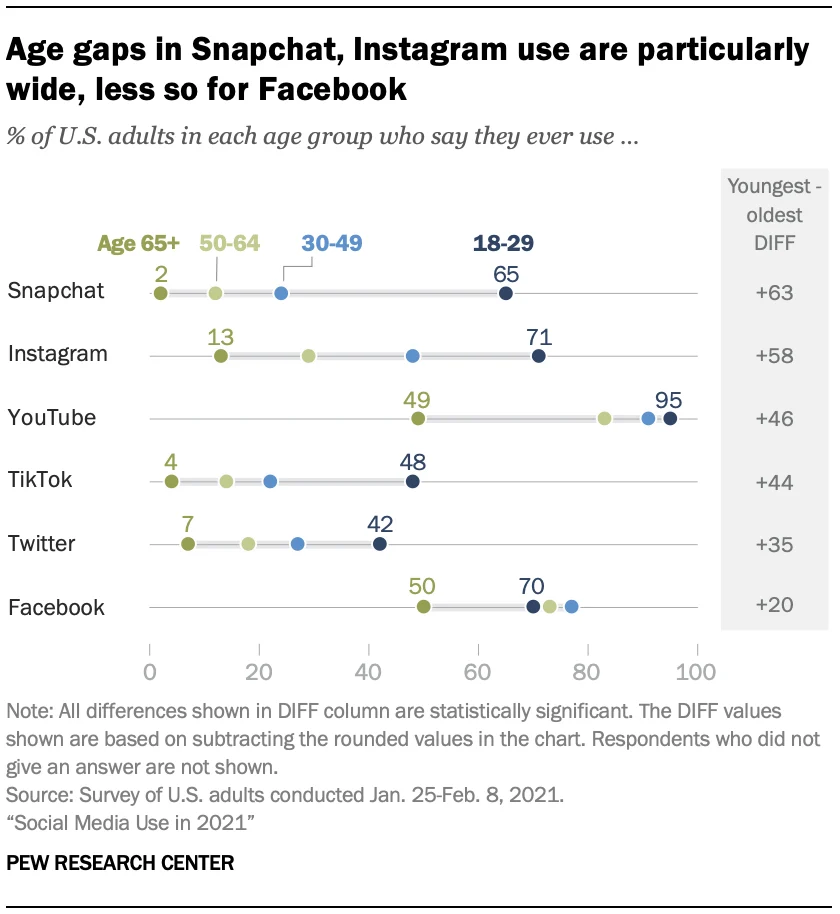
- Social Media: While platforms like TikTok are more dominant with Gen Z, Millennials maintain a strong presence on established social media networks. Facebook remains a significant platform for this cohort, particularly for staying connected with friends and family and discovering brands. Instagram, with its visual emphasis, is also highly popular for lifestyle content, product discovery, and brand engagement. LinkedIn serves as a key platform for professional networking and industry-specific content.
- Video Content Platforms: YouTube continues to be a primary source of information and entertainment for Millennials. They consume a wide range of content, from product reviews and tutorials to vlogs and documentaries. Short-form video content on platforms like Instagram Reels and Facebook Watch also captures their attention.
- Search Engines and E-commerce Sites: As digitally savvy consumers, Millennials rely heavily on search engines like Google to research products and services. Their online shopping habits are well-established, making e-commerce platforms integral to their purchasing journey.
- Email Marketing: Despite the rise of newer communication channels, email remains a highly effective tool for direct communication with Millennials. Personalized email campaigns that offer value, exclusive promotions, and relevant content can foster loyalty and drive conversions.
The accompanying visual representation highlights the age demographics of various social media platforms, illustrating the continued relevance of Facebook and Instagram for the Millennial generation, while also showing the emerging dominance of platforms like TikTok among younger cohorts. This data underscores the importance of platform selection based on the specific segment of Millennials being targeted.
Messaging That Speaks to Millennials
Crafting compelling messages requires an understanding of what motivates and resonates with Millennials. Tailoring your communication to specific Millennial consumer clusters will enhance its impact.
- Authenticity and Transparency: Millennials value genuine interactions. Brands that are transparent about their products, values, and business practices build trust and foster stronger connections. Avoid overly promotional or inauthentic language.
- Value Proposition Beyond Price: While price is a consideration, emphasize the long-term value, quality, and benefits of your product or service. Highlight how it can improve their lives, solve their problems, or contribute to their well-being. For instance, messaging around health and wellness products should focus on tangible benefits and scientific backing.
- Experiential Marketing: Leverage the Millennial preference for experiences. Showcase how your brand can facilitate unique or memorable moments. This could involve highlighting travel opportunities, events, or activities associated with your product. User-generated content and testimonials that depict real-life experiences can be particularly powerful.
- Social Responsibility and Purpose: If your brand has a commitment to social or environmental causes, communicate it clearly and authentically. Millennials are more likely to support brands that demonstrate a positive impact on the world. This could include partnerships with charities, sustainable sourcing practices, or ethical labor policies.
- Personalization and Customization: Millennials appreciate feeling understood and catered to. Personalized marketing messages, product recommendations, and customized offers can significantly improve engagement and conversion rates. This requires leveraging data to understand individual preferences.
- Convenience and Efficiency: Given their busy lives and digital fluency, Millennials value convenience. Streamlined online purchasing processes, easy access to customer support, and efficient delivery options are crucial. Messaging that highlights ease of use and time-saving benefits can be highly effective.
It is imperative to acknowledge that these generational insights serve as a foundational understanding. The diversity within the Millennial cohort, influenced by factors such as industry, geographic location, and individual life circumstances, means that further segmentation and tailored approaches are always necessary. Brands seeking to refine their digital marketing strategies to effectively reach and convert their Millennial audience are encouraged to engage with experienced digital marketing professionals. Collaboration with specialized teams can provide the expertise needed to navigate the complexities of this dynamic market and develop highly effective, data-driven campaigns. The ongoing evolution of consumer behavior and digital platforms necessitates a continuous learning and adaptation process for marketers aiming to thrive in this ever-changing landscape.