The digital marketing industry is undergoing an unprecedented transformation, with a staggering 70% of marketers believing that the sector has evolved more in the past three years than in the preceding five decades. This rapid pace of change, driven by advancements in artificial intelligence, data analytics, personalization demands, and omnichannel customer journeys, necessitates equally dynamic marketing automation platforms. In this rapidly shifting environment, Pardot, a long-standing fixture in the B2B marketing landscape, has seen a growing number of businesses seeking alternatives due to perceived stagnation in development and strategic uncertainties.
The Rapidly Evolving Marketing Landscape and Pardot’s Position
The acceleration of digital transformation has reshaped how businesses engage with their customers. Marketers are now expected to deliver hyper-personalized experiences, leverage sophisticated data insights, and orchestrate complex customer journeys across myriad touchpoints. This shift demands platforms that are not only robust but also agile, continuously updated with the latest technological innovations, and capable of seamless integration across the entire customer relationship management (CRM) ecosystem.

Pardot, originally founded in 2007, quickly established itself as a leading B2B marketing automation solution, known for its email marketing, lead nurturing, and lead scoring capabilities. Its acquisition by Salesforce in 2013 solidified its position, integrating it into one of the world’s largest CRM providers. For years, Pardot served as the go-to platform for B2B companies leveraging Salesforce’s sales capabilities, offering a connected, albeit often complex, solution for managing the marketing-to-sales funnel.
In 2022, Salesforce rebranded Pardot as Marketing Cloud Account Engagement, a strategic move intended to align it more closely with the broader Salesforce Marketing Cloud portfolio. While this rebranding aimed to clarify its position within the Salesforce ecosystem, it also inadvertently fueled speculation among users and industry experts regarding the platform’s long-term future and investment roadmap. For many, the name change did little to address underlying concerns about the platform’s evolving capabilities in a market where competitors were innovating at a blistering pace.
Mounting Concerns Over Pardot’s Future and Functionality
The primary driver behind the exodus from Pardot is a pervasive sentiment among users and consultants that the platform has experienced a significant "lack of development." Tom Ryan, founder of MarCloud, a prominent consultancy that once specialized exclusively in Pardot and now holds Diamond Solutions Partner status with HubSpot, is a vocal proponent of this view. Having been a Pardot consultant since 2016, Ryan observes that the platform’s perceived stagnation makes its eventual discontinuation feel like a matter of "when, not if." This sentiment is rooted in a lack of significant new features, updates, or enhancements that would keep pace with the broader industry’s advancements, particularly in areas like artificial intelligence, advanced analytics, and real-time personalization.

Fears of discontinuation are not unfounded in the tech world, where large corporations often rationalize and consolidate their product portfolios. When a platform is perceived to be receiving minimal investment, users naturally grow concerned about its long-term viability, support, and ability to integrate with emerging technologies. This creates an environment where businesses, wary of future disruption, proactively seek more stable and evolving alternatives. The implicit "clear migration path" that Ryan refers to suggests that Salesforce may be strategically nudging customers towards other solutions within its broader Marketing Cloud suite, rather than investing heavily in Account Engagement’s standalone evolution.
Beyond strategic uncertainties, Pardot users frequently cite persistent operational pain points. Revenue attribution and reporting, in particular, emerge as critical challenges. As Ryan explains, achieving accurate revenue attribution is "incredibly difficult" without deep expertise, often requiring users to "wrestle with the Pardot-Salesforce sync." This complexity stems from the platform’s architecture, which, despite its Salesforce ownership, has historically operated somewhat separately, necessitating intricate data synchronization and mapping between the two systems. This can lead to data discrepancies, delayed insights, and an incomplete view of the customer journey from initial touchpoint to closed deal.
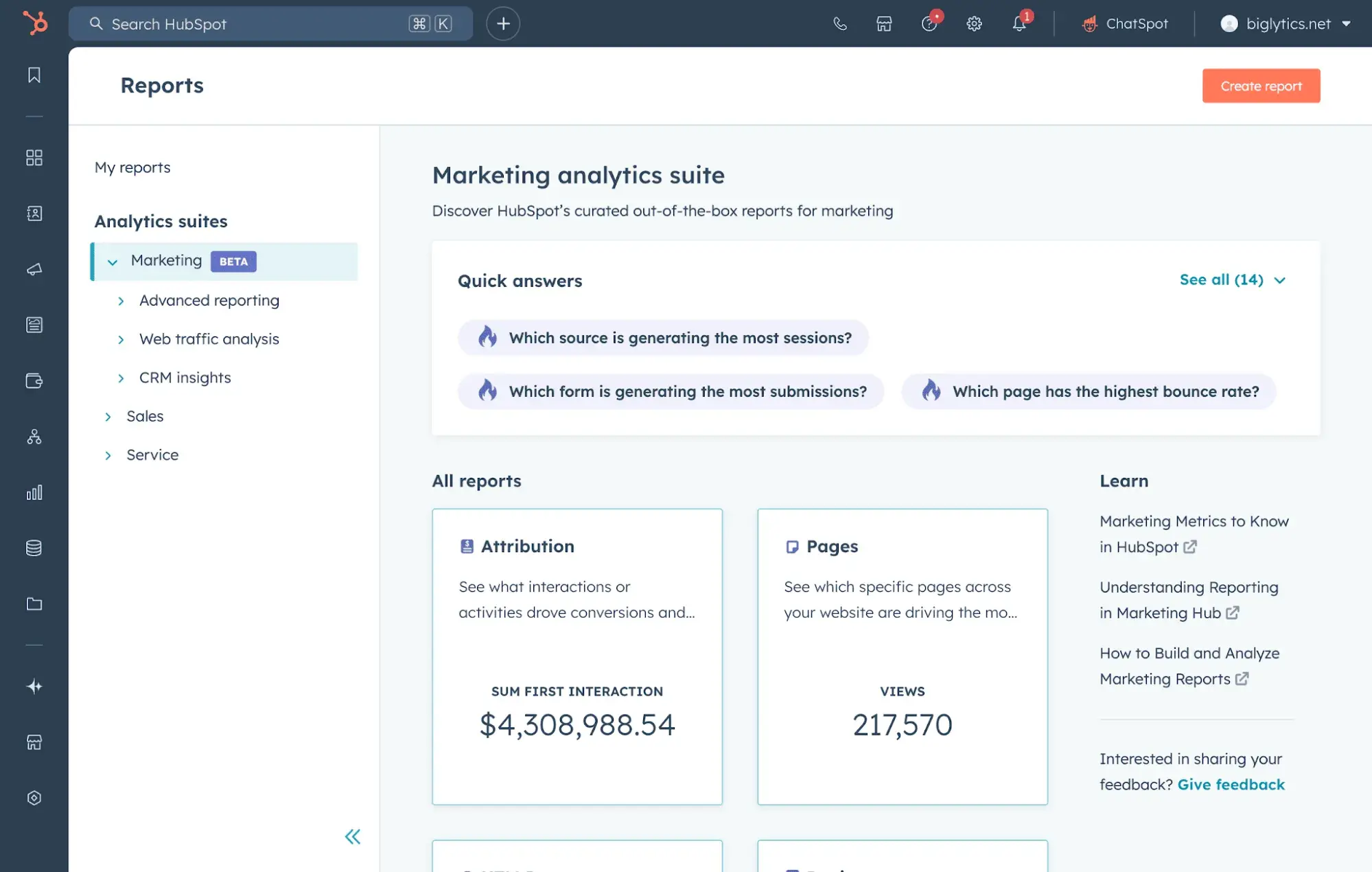
Reporting presents similar hurdles. The platform is often criticized for offering limited flexibility in customizable reports, forcing users to rely on consultant-level knowledge to extract meaningful insights. In an era where data-driven decision-making is paramount, the inability to easily generate bespoke reports tailored to specific business needs is a significant drawback. This lack of clear, actionable reporting hinders marketers’ ability to demonstrate ROI, optimize campaigns, and make informed strategic adjustments.
Furthermore, the issue of data silos, while not always explicitly stated, is an underlying concern. When marketing automation data and CRM data reside in distinct systems that require complex synchronization, it inevitably leads to a fragmented view of the customer. This fragmentation impedes the creation of truly holistic customer profiles, making it challenging to deliver consistent, personalized experiences across marketing, sales, and service touchpoints.
A Comprehensive Look at Leading Pardot Alternatives
The imperative to address these challenges has led many B2B organizations to explore a range of alternative marketing automation platforms. The evaluation process typically centers on CRM integration, automation capabilities, ecosystem integrations, user experience, and pricing.
HubSpot Marketing Automation: The All-in-One Contender
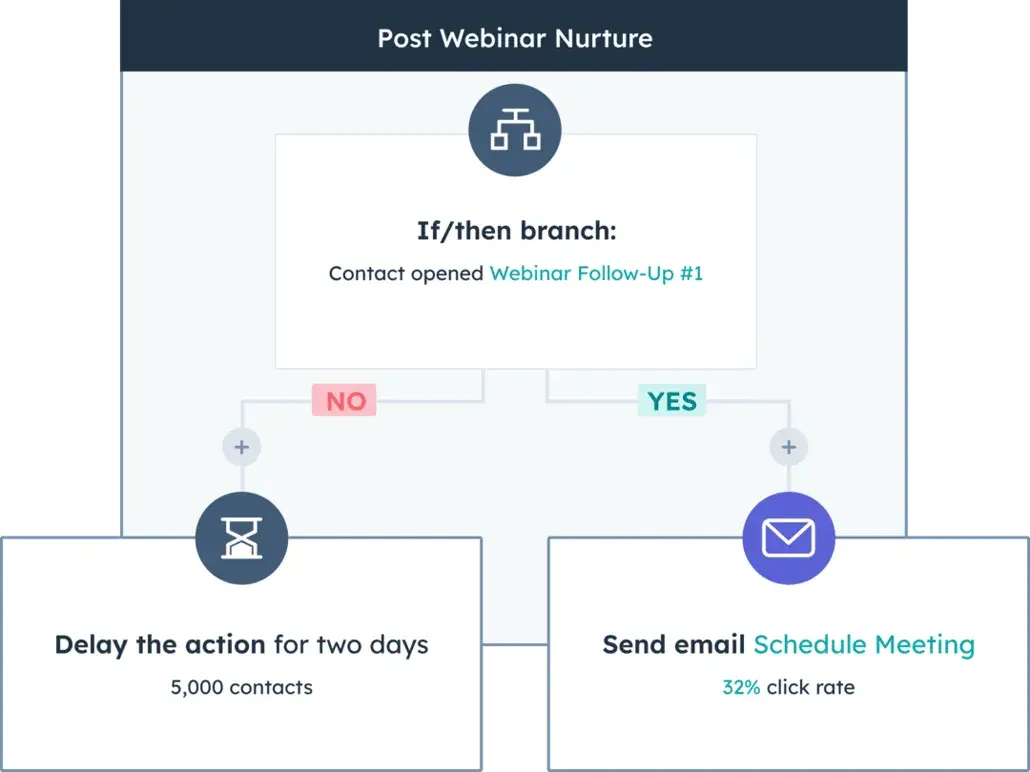
HubSpot Marketing Hub is frequently cited as the most common destination for businesses migrating from Pardot, a testament to its compelling value proposition. Its appeal lies in its "all-in-one" platform approach, designed to consolidate marketing, sales, service, and CRM functionalities under a single, intuitive roof. This unified architecture directly addresses Pardot’s data silo issues, providing a holistic view of customer data within HubSpot’s Smart CRM.
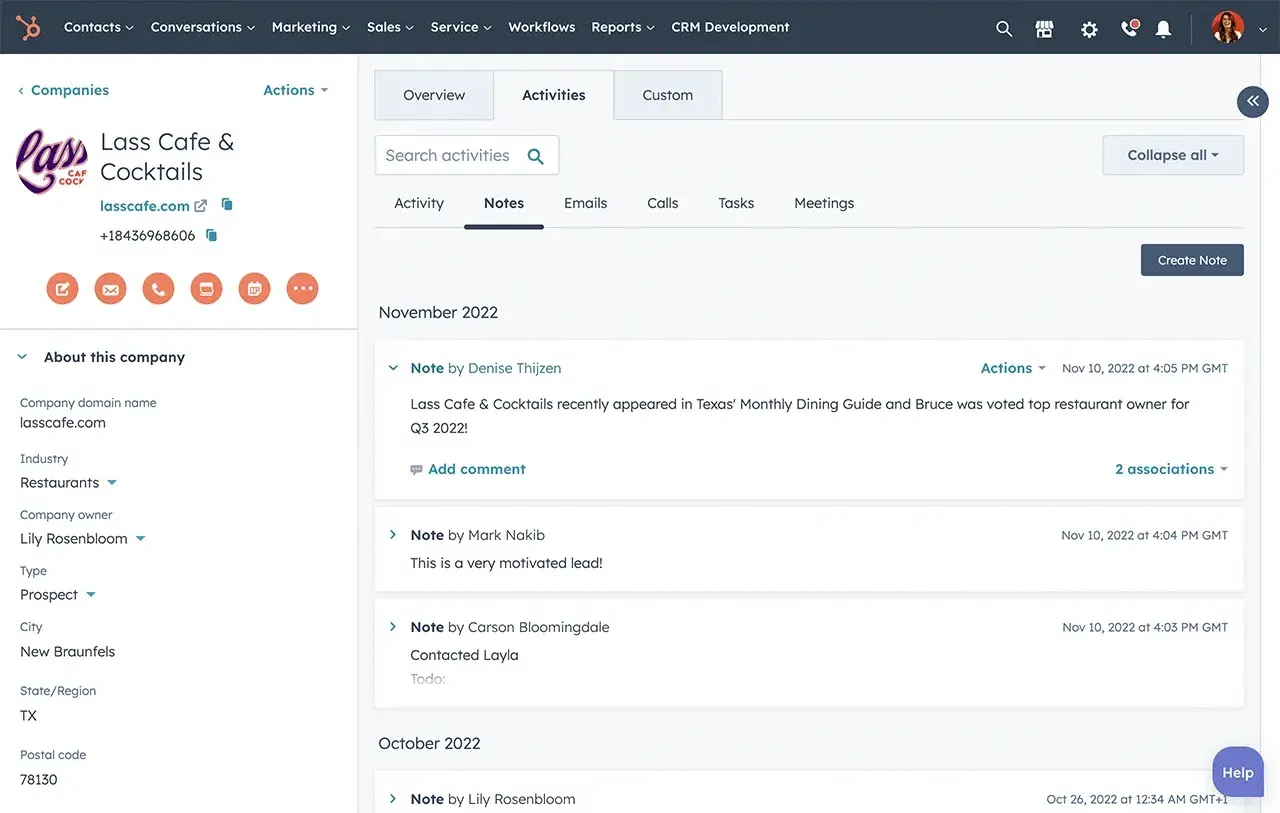
- Seamless CRM Integration and Unified Data: HubSpot’s native CRM is a core differentiator, eliminating the complexities of syncing separate systems. For businesses wishing to retain Salesforce CRM, HubSpot offers a robust native two-way sync, ensuring contact, company, deal, and activity history remain aligned across both platforms. This integration simplifies data management and provides a consistent source of truth for marketing and sales teams.
- User-Friendly Interface and Modern Workflow Capabilities: HubSpot is renowned for its user-friendly, modern interface. It empowers marketers with drag-and-drop editors for emails, landing pages, and complex multi-step nurture workflows, reducing reliance on developers. This intuitive design facilitates rapid iteration and execution of campaigns, crucial for agile marketing teams. Automation can be triggered based on behavior, lifecycle stage, or CRM data, enabling sophisticated and personalized customer journeys.
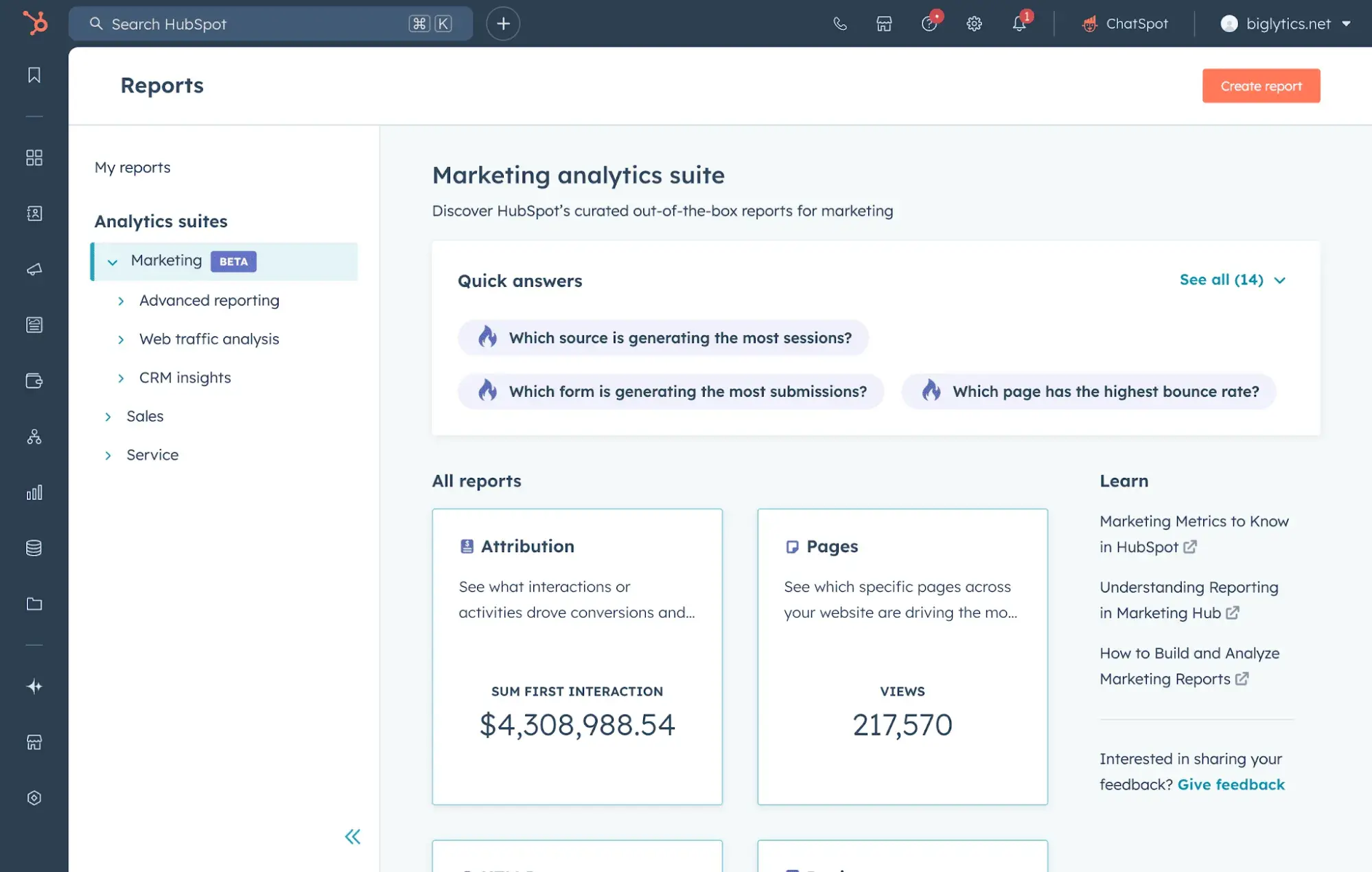
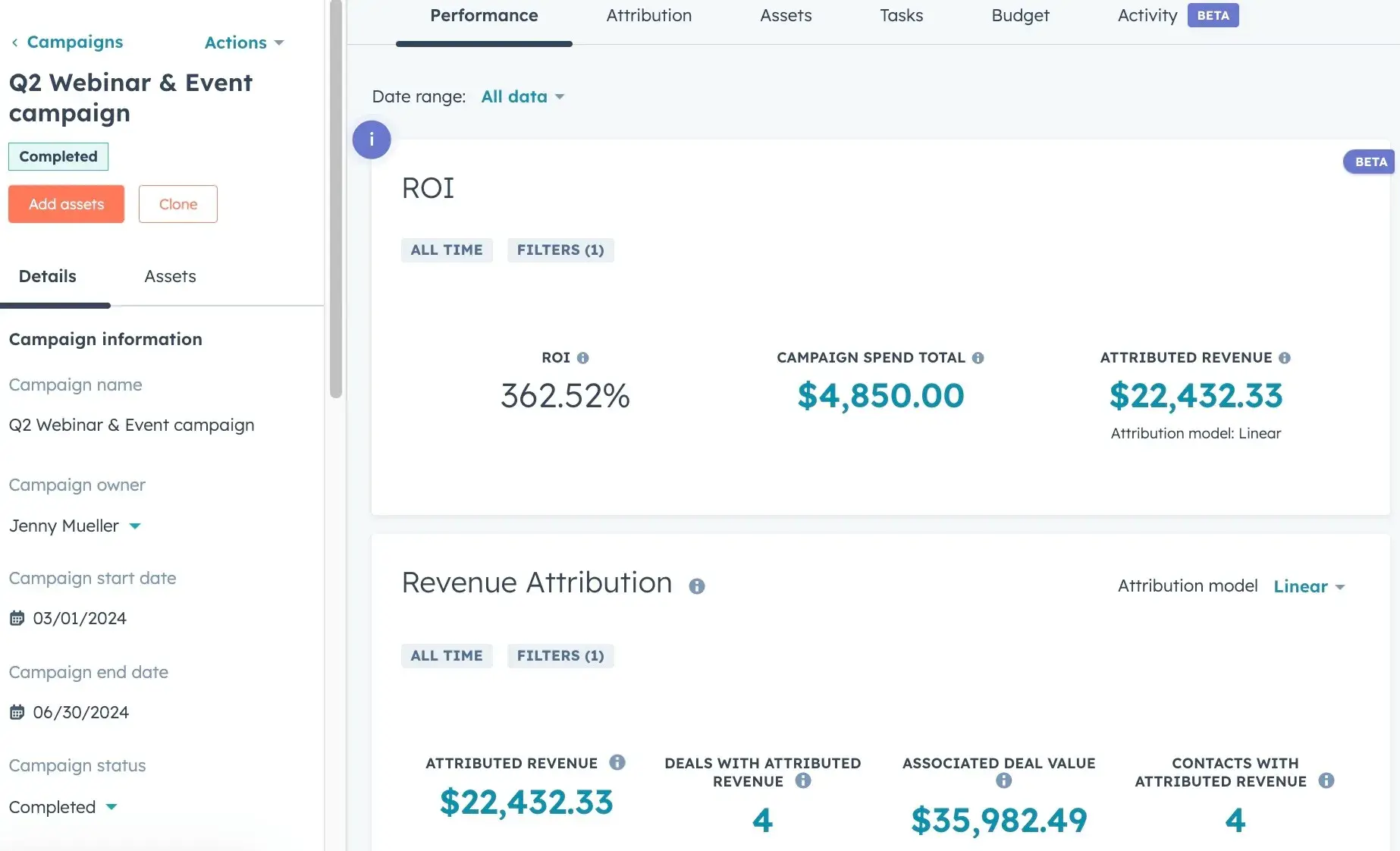
- Comprehensive Analytics and Reporting: HubSpot provides integrated analytics and reporting dashboards that are highly customizable. Marketers can easily track campaign performance, measure ROI, and gain insights into customer behavior without needing consultant-level expertise. The platform’s emphasis on clear, actionable data directly contrasts with the reporting challenges often faced by Pardot users.
- Reviews and Pricing Overview: Users consistently praise HubSpot Marketing Hub for its ease of use, email marketing capabilities, automation, and intuitive design. Common criticisms include a learning curve for advanced features and occasional missing functionalities. HubSpot offers a free plan for up to 2 users, with paid plans starting at $10/month/seat, scaling based on contacts and features.
Salesforce Marketing Cloud Next: The Native Salesforce Path
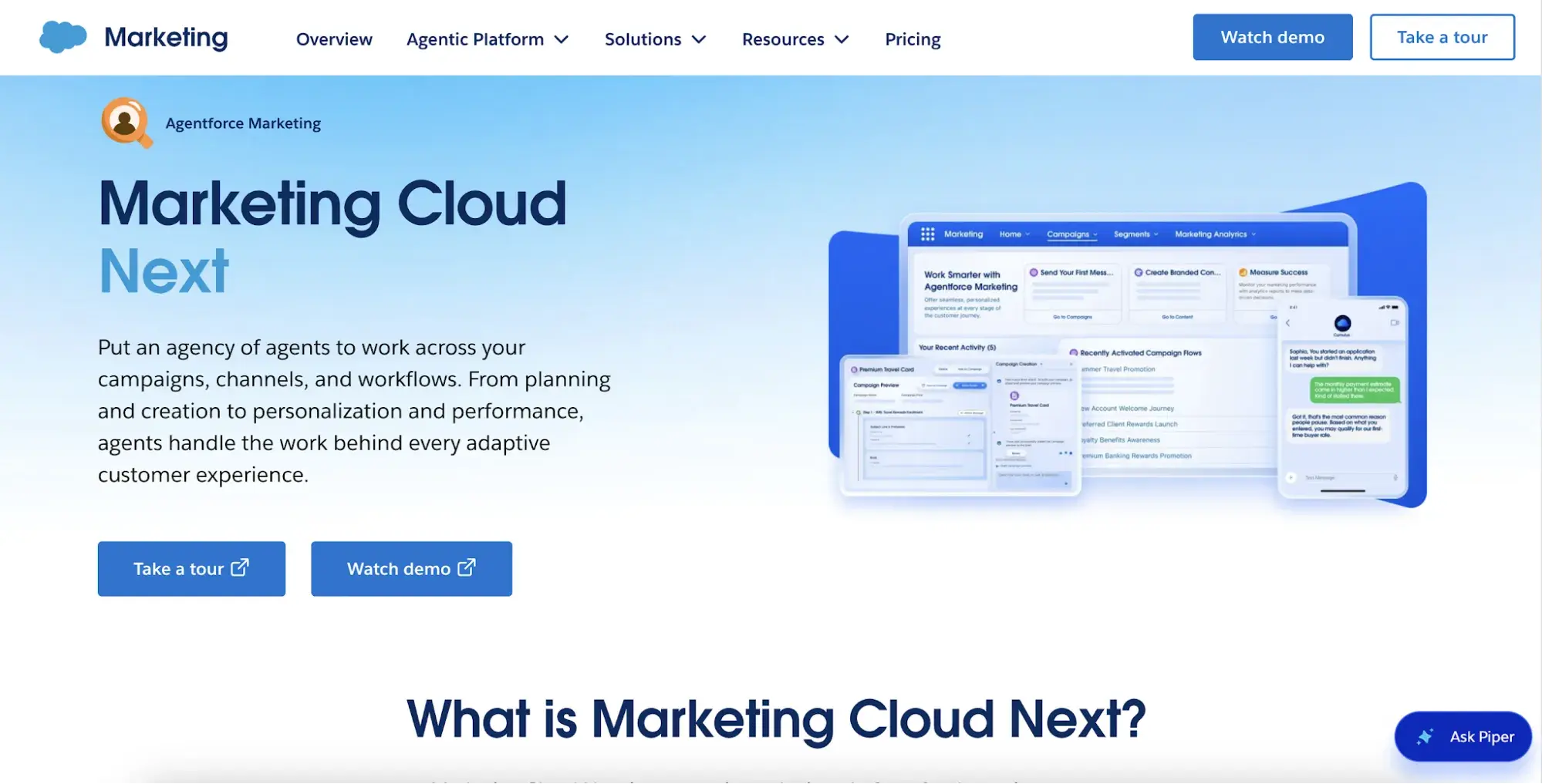
Salesforce Marketing Cloud Next, now part of Agentforce Marketing, represents Salesforce’s strategic direction for advanced marketing automation, often positioned as the natural progression for some Pardot customers. Unlike Pardot, which ran as a connected but separate system, Marketing Cloud Next is built natively on Data Cloud, Salesforce’s real-time hyperscale data engine.
- Leveraging the Data Cloud Ecosystem: Its native integration with Data Cloud means that customer data is unified and accessible in real-time, theoretically eliminating the synchronization challenges prevalent with Pardot. This architecture is designed for organizations deeply embedded in the Salesforce ecosystem, offering a streamlined data flow across various Salesforce products like Sales Cloud and Service Cloud.
- Target Audience and Strategic Fit: Marketing Cloud Next is typically suited for large enterprises with complex marketing needs and significant budgets that are already heavily invested in the broader Salesforce platform. It provides extensive capabilities for multi-channel campaign orchestration, advanced personalization, and AI-driven insights, particularly for those utilizing other Salesforce tools like Data Cloud or Agentforce.
- Challenges and Considerations for Migration: Despite being a Salesforce product, migration from Pardot to Marketing Cloud Next is not a simple "lift and shift." As Tom Ryan points out, it often prompts a "wider tech review" rather than a blind migration. Its vast feature set and inherent complexity mean a steeper learning curve and higher implementation costs compared to other alternatives. Many customers find it an overkill if their primary goal is just to replace Pardot’s B2B automation.
- Reviews and Pricing Overview: User reviews for Agentforce Marketing (including Marketing Cloud Next) are mixed regarding usability, with some highlighting ease of use and others citing complexity and a steep learning curve. The Growth Edition pricing for Marketing Cloud Next starts at $1,500/organization/month, reflecting its enterprise-grade positioning.
Adobe Marketo Engage: Enterprise-Grade Automation
Adobe Marketo Engage is a robust, enterprise-level marketing automation software tailored for large organizations with sophisticated and complex marketing strategies. It’s often considered by businesses that have outgrown the functionalities of platforms like Pardot and require more advanced features.
- Advanced Features for Complex B2B Environments: Marketo excels in areas such as advanced lead nurturing, account-based marketing (ABM), complex segmentation, and highly customizable campaign flows. It offers deep analytics, content personalization capabilities, and an extensive ecosystem of integrations, making it suitable for companies with diverse marketing technology stacks.
- The Trade-off Between Power and Simplicity: While powerful, Marketo is known for its complexity. Users often report that the platform prioritizes a rich feature set over an intuitive user experience, leading to a significant learning curve and requiring dedicated resources for setup, customization, and ongoing management. This makes it ideal for teams with the time, budget, and expertise to fully leverage its extensive capabilities.
- AI-Powered Capabilities and Customization: Marketo integrates AI capabilities, including a "conversational interface" that allows teams to write and test code directly within the platform, reducing reliance on developers for specific customizations. This facilitates sophisticated, data-driven personalization and optimization of marketing efforts.
- Reviews and Pricing Overview: Marketo users generally praise its automation capabilities and depth of features, but frequently mention the learning curve, unintuitive design, and overall complexity as drawbacks. Adobe does not publicly share Marketo’s pricing, requiring businesses to engage in a consultation to obtain an estimate, indicative of its enterprise-tier positioning.
ActiveCampaign: AI-Driven Multi-Channel Engagement
ActiveCampaign is an AI-forward marketing automation platform that combines email marketing, marketing automation, and a lightweight CRM, making it a strong contender for smaller to mid-sized B2B teams seeking simplicity and powerful automation.
- Intelligent Automation and Lightweight CRM: ActiveCampaign’s strength lies in its multi-channel automation, enabling businesses to orchestrate personalized journeys across email, SMS, site messages, and more. Its "active intelligence" feature allows users to prompt the AI using natural language for various tasks, a significant departure from code-heavy platforms. The platform includes a capable, lightweight CRM, offering an option for teams looking to consolidate their marketing and sales data without the full complexity of a standalone CRM.
- Scalability and Pricing Dynamics: ActiveCampaign offers a native two-way Salesforce sync for businesses that prefer to keep their CRM separate. Its pricing starts at $15/month but scales quickly with contact count and feature tiers. This rapid escalation in cost can be a significant consideration for rapidly growing businesses.
- User Experience and Reporting Limitations: Users generally commend ActiveCampaign for its ease of use and robust automation features. However, similar to some other platforms, a common complaint is the learning curve, particularly for new users, and limitations in reporting flexibility, with specific pain points noted regarding the depth and customizability of reports.
- Reviews and Pricing Overview: Users praise ActiveCampaign’s ease of use and automation, while common complaints include the learning curve and weak, limited reporting features. Plans start at $15/month and scale quickly with contact count and feature sets.
Zoho Marketing Automation: A Budget-Friendly Integrated Solution
Zoho Marketing Automation is a budget-friendly alternative that integrates natively within the broader Zoho ecosystem, making it an attractive option for small to mid-sized businesses looking for an all-in-one suite.
- Native Zoho Ecosystem Integration: Zoho Marketing Automation syncs natively with Zoho’s own CRM and across various marketing channels. This integration provides a cohesive experience for businesses already using other Zoho products, such as Zoho CRM, Zoho Desk, or Zoho Analytics.
- Cost-Effectiveness for Smaller Businesses: The platform leverages customer data to score leads, generate campaigns, and personalize outreach, offering a comprehensive set of features at a competitive price point. It’s less robust than enterprise-grade solutions but provides essential marketing automation capabilities for businesses with straightforward data needs and a conservative budget.
- Functionality and Customer Service Considerations: While praised for its marketing automation solutions, Zoho users occasionally report issues with customer service and the depth of its reporting features. It may not offer the same level of advanced customization or deep analytics as more expensive alternatives, but it provides solid foundational capabilities.
- Reviews and Pricing Overview: Users praise Zoho’s marketing automation features but report issues with customer service and reporting. Plans start at $19/month for 1,000 contacts, offering a cost-effective entry point for integrated marketing automation.
Strategic Evaluation Criteria for B2B Teams
Choosing the right Pardot alternative goes beyond comparing feature lists; it requires a strategic assessment of a business’s current needs, future growth projections, and overall technological ecosystem.
- CRM Integration: The Cornerstone of Modern Marketing: This remains the paramount criterion. A seamless, native, and ideally two-way integration with a CRM system is crucial for creating a unified customer view, preventing data silos, and enabling efficient alignment between marketing and sales. The goal is to ensure that every customer interaction, regardless of touchpoint, contributes to a single, comprehensive customer record.
- Scalability and Future-Proofing: Businesses must consider how a platform can grow with them. This involves assessing not only the ability to handle increased contact volumes and user seats but also the platform’s commitment to continuous development, its adaptability to emerging technologies (like new AI applications), and its capacity for complex campaign orchestration as marketing strategies evolve.
- AI Capabilities and Personalization Potential: Modern marketing thrives on personalization. Evaluating a platform’s AI and machine learning capabilities for tasks like predictive lead scoring, content recommendations, dynamic segmentation, and intelligent automation is increasingly vital. These features empower marketers to deliver highly relevant and timely experiences at scale.
- Total Cost of Ownership and Support Ecosystem: Beyond the subscription fee, the total cost of ownership includes implementation, onboarding, training, potential consultant fees, ongoing maintenance, and integration costs. Additionally, the quality of customer support, access to a robust knowledge base, and the presence of an active user community or partner ecosystem are critical for long-term success.
- Compliance and Data Governance: With evolving data privacy regulations (e.g., GDPR, CCPA), a platform’s capabilities for managing consent, ensuring data security, and supporting compliance requirements are non-negotiable. Businesses need assurance that their chosen solution facilitates ethical and legal data handling practices.
Navigating the Migration: Best Practices for Minimal Risk
Migrating from one marketing automation platform to another, especially one as deeply integrated as Pardot, is a complex undertaking that requires meticulous planning and execution to minimize risks.
- The Critical Role of Data Mapping and Workflow Translation: Underestimating the "translation factor" is a common pitfall. Data mapping involves systematically identifying and documenting how data fields in the old system correspond to those in the new one, along with any necessary data transformations. For example, campaign attribution modeling often differs significantly across platforms. A "Salesforce campaign" is a distinct object from a "HubSpot campaign," requiring careful consideration of how existing campaign hierarchies and attribution logic will be recreated or adapted in the new environment. Similarly, lead scoring models and complex automation sequences (like Pardot’s Engagement Studios) cannot be directly ported and must be meticulously rebuilt to ensure continuity of operations.
- Phased Rollouts and Rigorous Quality Assurance: A "big bang" migration, where everything is switched over simultaneously, carries inherent risks. A phased rollout, beginning with critical functionalities and gradually expanding, allows teams to identify and resolve issues in a controlled manner. Rigorous quality assurance (QA) testing at each stage is paramount to ensure data integrity, workflow accuracy, and seamless integration with other systems. This includes testing email deliverability, form submissions, lead routing, and reporting accuracy.
- Strategic Prioritization: Data, Integrations, and Operations: Tom Ryan advises organizing migration priorities into three key buckets:
- Data: Ensuring all necessary historical and current data is accurately migrated and mapped. This includes contact records, activity histories, custom fields, and segmentation criteria.
- Integrations: Re-establishing or configuring integrations with other critical business systems, such as CRM, ERP, webinar platforms, and analytics tools.
- Ongoing Operations: Ensuring that all critical marketing processes, from email campaigns and landing pages to lead nurturing and sales handoffs, are fully functional in the new platform. This often involves training users and updating internal documentation.
- Expert Guidance and Partnership in Migration: Given the complexities, partnering with a specialized consultancy or solutions partner can significantly de-risk the migration process. These experts bring invaluable experience in data migration, workflow translation, and platform-specific best practices, helping businesses avoid common pitfalls and accelerate the transition. While a fast Pardot migration can take as little as one month with expert assistance, a typical migration generally takes 2-3 months.
Key Considerations and Frequently Asked Questions
- Is Pardot part of Salesforce? Yes, Pardot is an integral part of Salesforce. It was rebranded as Marketing Cloud Account Engagement in 2022 to align it with the broader Salesforce Marketing Cloud product suite. It is also sometimes referred to as Salesforce Account Engagement.
- How long does a typical Pardot migration take? While highly efficient migrations, often managed by specialized partners, can be completed in as little as one month, the typical duration for a comprehensive Pardot migration, as observed by experts like Tom Ryan, ranges from 2 to 3 months. This timeframe accounts for planning, data mapping, workflow rebuilding, testing, and user training.
- Will we lose our lead scoring and ABM models if we switch? Yes, both lead scoring and account-based marketing (ABM) models will need to be rebuilt in the new platform. Pardot’s out-of-the-box scoring model doesn’t directly transfer to other systems due to architectural differences. However, historical scores and grades can often be retained for segmentation purposes. Migrating presents an excellent opportunity to refine and improve these models based on learnings from the Pardot experience. Similarly, complex ABM automations and Engagement Studios will require reconstruction, with careful tracking of prospect journeys to ensure a seamless continuation in the new system.
- Can we keep Salesforce for sales but switch off Pardot? Absolutely. Pardot is typically billed as a distinct line item within Salesforce contracts. Businesses can choose to discontinue their Pardot subscription while retaining other Salesforce products like Sales Cloud or Service Cloud, and then integrate a new marketing automation platform with their existing Salesforce CRM.
- What’s the best way to budget for the first year on a new platform? When budgeting, consider not just the platform’s list price at your current size but also anticipated growth in contacts and user seats, as tier jumps often lead to the fastest cost escalation. Crucially, factor in additional costs such as mandatory onboarding or implementation fees (common in year one for many platforms), data cleansing services, training for your team, and potential consultancy fees for migration and advanced configuration. A holistic view of the total cost of ownership is essential.
Conclusion: Empowering Marketing with Modern Tools
In an era defined by rapid technological advancement and evolving customer expectations, a business’s marketing effectiveness is intrinsically linked to the sophistication and agility of its tools. When existing automation platforms fall behind the curve, investing in a modern, adaptable solution becomes not just an upgrade but a strategic imperative. The range of Pardot alternatives available today offers diverse capabilities to meet the specific needs of different B2B teams, from the all-in-one power of HubSpot to the enterprise robustness of Marketo, the AI-driven simplicity of ActiveCampaign, the native Salesforce depth of Marketing Cloud Next, or the budget-friendly integration of Zoho.
Making the switch from Pardot, while complex, presents a significant opportunity to streamline operations, enhance personalization, gain deeper insights, and ultimately drive superior marketing performance. With careful planning, strategic evaluation, and expert guidance, businesses can confidently navigate this transition and empower their marketing teams with tools powerful enough to handle advanced customization at scale and agile enough to thrive in the dynamic digital landscape.