Social media monitoring, the systematic process of tracking and analyzing what individuals say about a brand across digital platforms, has become an indispensable component of modern corporate strategy. This encompasses not only direct mentions and interactions on a brand’s owned accounts but critically, untagged conversations occurring across the wider social web, including comments, replies, reviews, video captions, forum threads, and news coverage. The sheer volume and velocity of these conversations, spanning networks like Instagram, TikTok, LinkedIn, X, Facebook, YouTube, Reddit, and emerging platforms such as Bluesky, far exceed the capacity for manual oversight, making advanced monitoring tools essential for converting diffuse public sentiment into concrete business actions.
The Evolving Landscape of Digital Communication

The proliferation of social media over the past two decades has fundamentally reshaped how consumers interact with brands and how brands, in turn, manage their public image. What began as a nascent form of online networking has matured into a global forum where product satisfaction, customer service experiences, and brand values are openly discussed, debated, and disseminated in real-time. This shift created both unprecedented opportunities for direct engagement and significant challenges related to reputation management and crisis mitigation. Early attempts at monitoring were often rudimentary, involving manual searches for keywords and laborious aggregation of mentions. However, as the digital ecosystem grew more complex and the potential impact of social conversations intensified, the need for sophisticated, automated solutions became paramount. The imperative to understand audience sentiment, respond swiftly to issues, and identify emerging trends has driven continuous innovation in the field, culminating in the advanced, AI-driven monitoring capabilities available today.
Defining Social Media Monitoring: Beyond the Basics
At its core, social media monitoring is a proactive and reactive process designed to capture and categorize every relevant mention of a brand, its products, competitors, or industry keywords. Its scope is vast, extending to virtually every corner of the internet where public discourse unfolds. This includes not just the major social networks but also niche forums, blogs, review sites, and news aggregators. The objective is to gather a comprehensive picture of brand perception, identify key influencers, and pinpoint specific conversations that warrant attention or action. The data collected through monitoring serves multiple functions, from informing immediate customer service responses to feeding into broader strategic analyses.

-
Monitoring vs. Listening: A Strategic Duality
While often used interchangeably, social media monitoring and social listening serve distinct yet complementary purposes. Monitoring is primarily reactive, focusing on individual mentions and real-time conversations. Its timeframe is immediate—hour-to-hour, day-to-day—and its primary use cases include customer response, crisis detection, and engagement. For example, a monitoring system would flag a specific customer complaint on X (formerly Twitter) that requires an immediate reply from a care team.Social listening, by contrast, is proactive and analytical. It involves taking a step back to analyze aggregated patterns across these individual conversations over longer timeframes—weeks, months, or quarters. Listening seeks to uncover deeper insights into sentiment trends, emerging topics, market shifts, and overarching brand perception. The output might be a sentiment trend line showing a sustained shift in public perception towards a new product launch, providing crucial data for product development or marketing strategy. Both are essential: monitoring addresses the immediate, while listening informs the long-term.
Strategic Imperatives: Why Brands Prioritize Social Monitoring

The benefits of a robust social media monitoring strategy extend far beyond simple awareness, impacting multiple facets of a business’s operations and strategic planning.
-
Proactive Crisis Mitigation and Reputation Management
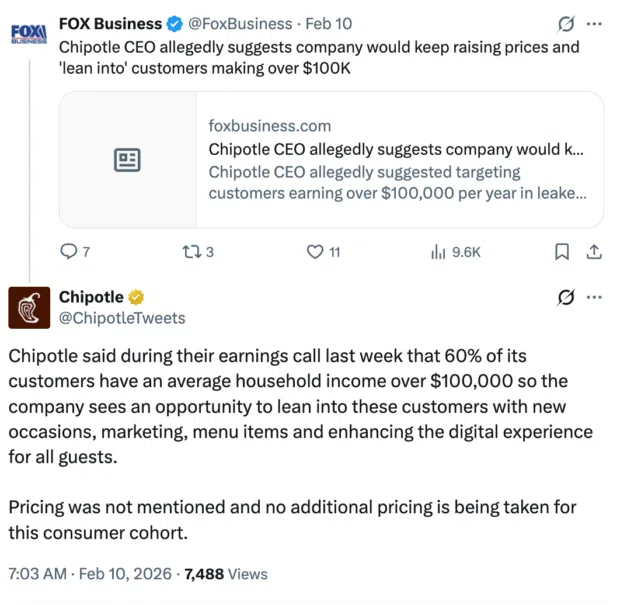
One of the most critical functions of social media monitoring is its ability to detect and manage potential crises before they escalate. By establishing a baseline of normal mention volume and sentiment, brands can quickly identify anomalies—sudden spikes in negative comments or a rapidly spreading customer complaint. For instance, a controversial statement from a company executive or an unforeseen product malfunction can quickly ignite a social media firestorm. Real-time alerts, triggered when mention volume or sentiment deviates significantly from the norm, provide crucial early warnings. This window of opportunity is often the decisive factor between a contained issue and a full-blown public relations crisis that could significantly damage brand equity and market value. The cost of a damaged reputation can be substantial, with some reports estimating that a negative perception can reduce market capitalization by up to 30%. Prompt, informed responses, as exemplified by brands like Chipotle in addressing sensitive public statements, demonstrate the power of monitoring in safeguarding corporate reputation. Furthermore, monitoring can also identify positive viral moments, allowing brands to amplify favorable content and build goodwill. -
Informing Marketing Campaigns and Product Development
Social media monitoring provides invaluable real-time feedback on marketing campaigns, enabling immediate adjustments to optimize performance. Beyond campaigns, it unearths critical insights into audience needs, common questions, pain points, and even new product ideas or desired improvements. By tracking conversations about their brand and industry, companies can identify emerging trends, popular hashtags, and cultural memes that resonate with their target audience, informing future content strategies. The engagement strategies of brands like Starbucks, actively responding to customer feedback and ideas on platforms like X, illustrate how monitoring fosters a dynamic relationship with consumers, driving innovation and loyalty. This direct line to consumer sentiment helps bridge the gap between product teams and market demand, leading to more relevant and successful offerings.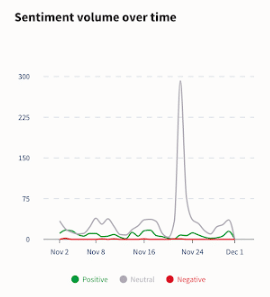
-
Gaining a Competitive Edge
Monitoring extends beyond a brand’s own ecosystem to encompass competitors and the broader industry. This "competitive intelligence" offers a panoramic view of the market landscape, allowing brands to benchmark their performance, identify competitor strategies, and capitalize on market gaps. By observing what works and what fails for rivals—from successful campaigns to public missteps—companies can refine their own approaches, avoid pitfalls, and identify opportunities for differentiation. Early signals about competitor product launches, customer service issues, or shifts in market perception can provide a crucial strategic advantage, enabling agile responses and informed decision-ahead decisions. -
Deepening Audience Understanding and Engagement
While direct tags demand swift responses, the true power of monitoring lies in uncovering untagged mentions. These conversations reveal a more authentic, unfiltered view of how people perceive a brand, especially from those who might not engage directly through official channels. Platforms like Reddit, where users often share candid opinions, can be goldmines for understanding nuanced sentiment. Monitoring tools provide a comprehensive view of who is discussing the brand and what they are saying, allowing for targeted engagement. This ability to join conversations where the brand isn’t directly addressed presents significant opportunities to convert frustrated customers into loyal advocates, delight existing fans, and demonstrate genuine attentiveness, ultimately fostering deeper relationships and enhanced customer loyalty.
The AI Revolution in Social Intelligence
Artificial intelligence has fundamentally transformed social media monitoring, shifting it from a labor-intensive, often reactive task to a continuous, proactive intelligence system. AI algorithms now autonomously process vast quantities of data, generate summaries, identify anomalies, and detect thematic clusters, empowering human teams to focus on strategic decision-making and action rather than manual data sifting.
-
AI-Powered Sentiment and Intent Analysis
Early sentiment analysis tools were often rudimentary, classifying mentions as simply positive, negative, or neutral. This simplistic approach frequently failed to capture nuance, misinterpreting sarcasm or subtle frustration. Modern AI-powered models, however, are trained on extensive datasets and leverage natural language processing (NLP) to understand context, tone, and even irony. This allows for a far more accurate assessment of sentiment, distinguishing genuine praise from sarcastic critiques. Furthermore, intent detection adds another crucial layer, categorizing messages based on their underlying purpose—e.g., a purchase inquiry, a technical support request, a product complaint, or general commentary. This intelligent filtering ensures that urgent, actionable messages are prioritized for customer care teams, significantly improving response efficiency and customer satisfaction. The ability of these models to operate across multiple languages also provides a consistent global standard for multinational brands. -
Automated Crisis Alerts and Trend Prediction
AI excels at identifying patterns and deviations from the norm. By learning a brand’s typical mention volume, sentiment range, and engagement patterns, AI systems can instantly flag significant shifts the moment they occur. This automated crisis detection provides an indispensable early warning system, allowing teams to intervene before a minor issue spirals into a major incident. The speed of response is paramount in the digital age, where social issues can amplify exponentially within hours. Beyond crisis detection, AI also plays a vital role in trend discovery. It tracks hashtag momentum, identifies emerging topics, and detects subtle shifts in how consumers describe products or categories—often before these trends become apparent through traditional analytics. Predictive models take this a step further, estimating the likely trajectory of a conversation, helping brands decide where to allocate resources and attention, rather than chasing every ephemeral spike.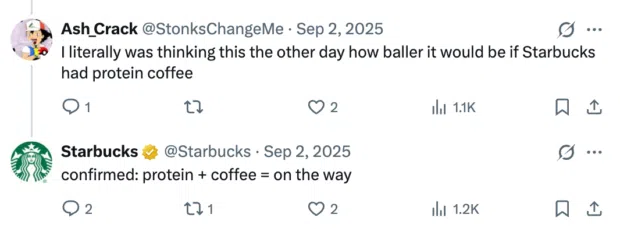
Crafting an Effective Monitoring Strategy: A Step-by-Step Approach
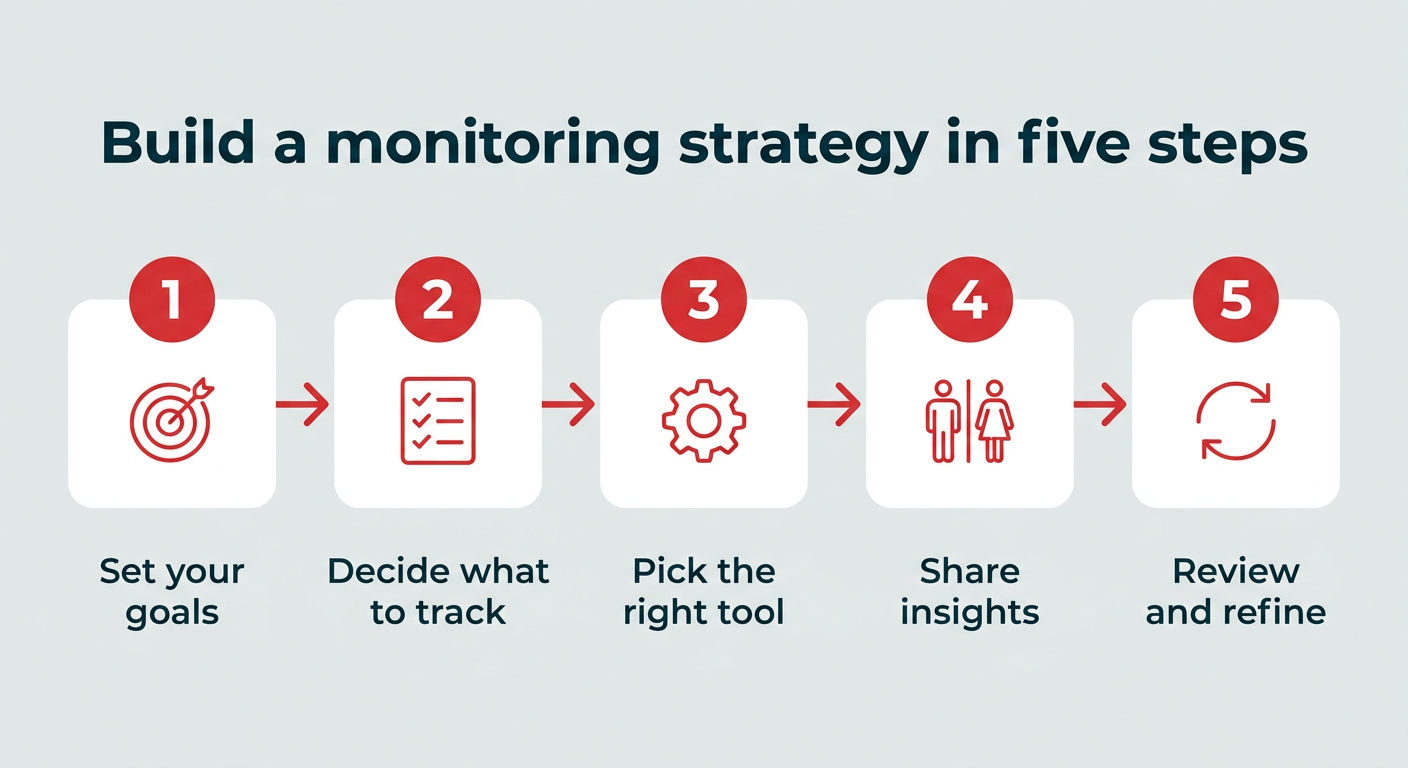
A successful social media monitoring program is built on deliberate planning and continuous refinement, rather than ad-hoc reactions.
-
Setting Clear Objectives and Metrics: The foundational step is to define precise goals for monitoring efforts. This involves articulating specific questions that monitoring should answer. Common objectives include enhancing brand reputation, improving customer service response times, identifying product development opportunities, or benchmarking against competitors. Crucially, these goals should be linked to tangible business outcomes, such as reducing support ticket volume, increasing customer retention, or boosting campaign ROI, making the value of monitoring clear to stakeholders.
-
Deciding What to Track: Once goals are established, the next step is to meticulously identify the keywords, phrases, and hashtags to monitor. This list typically includes brand names (including common misspellings), product names, competitor names, relevant industry keywords, branded campaign hashtags, and even key personnel mentions. It is advisable to start with a focused list and gradually expand, distinguishing between useful signals and noise. For international brands, incorporating multiple language variations is essential.
-
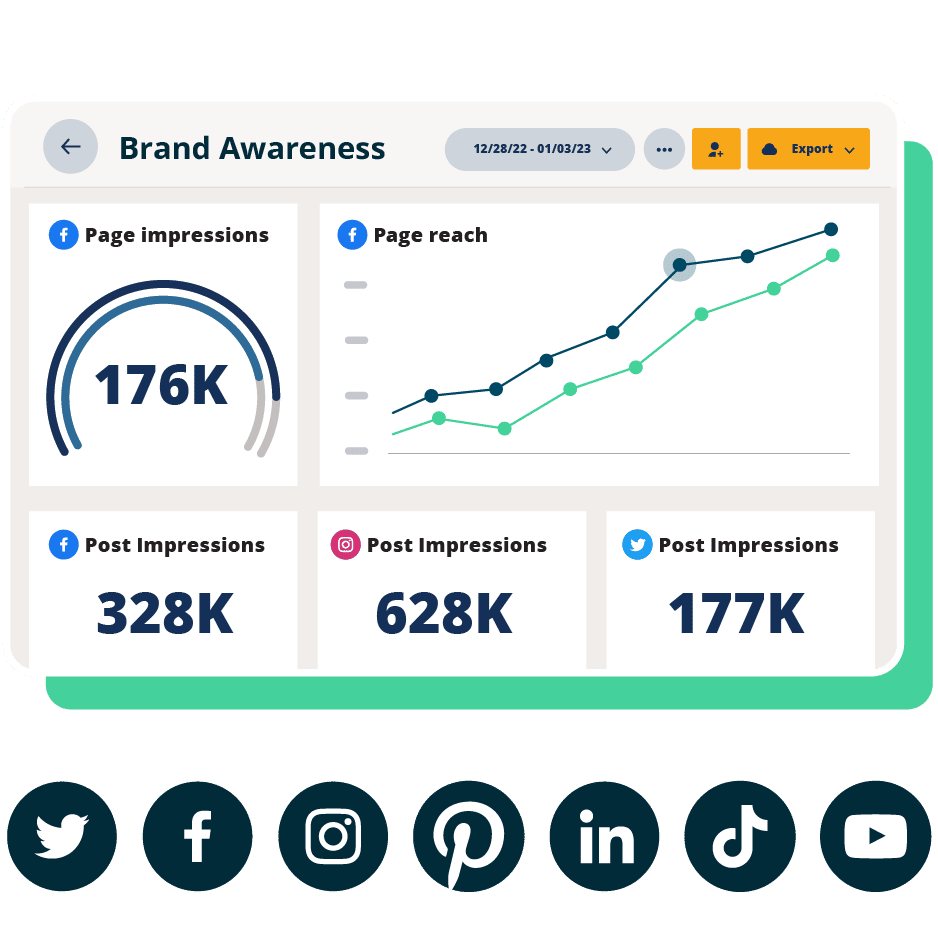
Selecting the Right Tools for the Task: While manual monitoring is possible for very small operations, most organizations quickly outgrow this labor-intensive approach. Social media monitoring tools automate data collection, sentiment analysis, and trend identification, consolidating insights into a single dashboard. These tools range from native platform analytics (limited functionality) to all-in-one social management platforms like Hootsuite, and specialized enterprise listening suites. The choice depends on the scale of operations, the number of brands and markets managed, and the depth of insights required. Integrated platforms offer the advantage of connecting monitoring with publishing, engagement, and analytics workflows.
-
Fostering Cross-Functional Collaboration: The true value of social media monitoring is unlocked when insights are shared across the organization. The social media team, positioned at the forefront of digital conversations, can act as an intelligence hub. Critical information should flow to customer service teams for rapid response, to PR and communications for reputation management, to marketing for campaign optimization, to product development for feature enhancements, and to sales for lead identification. A recurring digest summarizing key themes, risks, and opportunities can facilitate this vital cross-functional exchange.
-
Setting a Review Cadence and Continuous Refinement: A monitoring strategy is not static. Regular review is essential to maintain its effectiveness. Daily checks are necessary for urgent alerts and immediate responses. Weekly reviews can focus on emerging trends and campaign performance. Monthly or quarterly reviews should assess strategic alignment, audit keyword lists, and refine search parameters. Brands, products, competitors, and platforms evolve rapidly, necessitating continuous adjustments to monitoring setups to ensure ongoing relevance and accuracy.
Measuring Success: Quantifying the Return on Investment
Demonstrating the return on investment (ROI) for social media monitoring requires connecting monitoring activities to concrete business outcomes. Framing these metrics in a language that resonates with leadership is crucial.
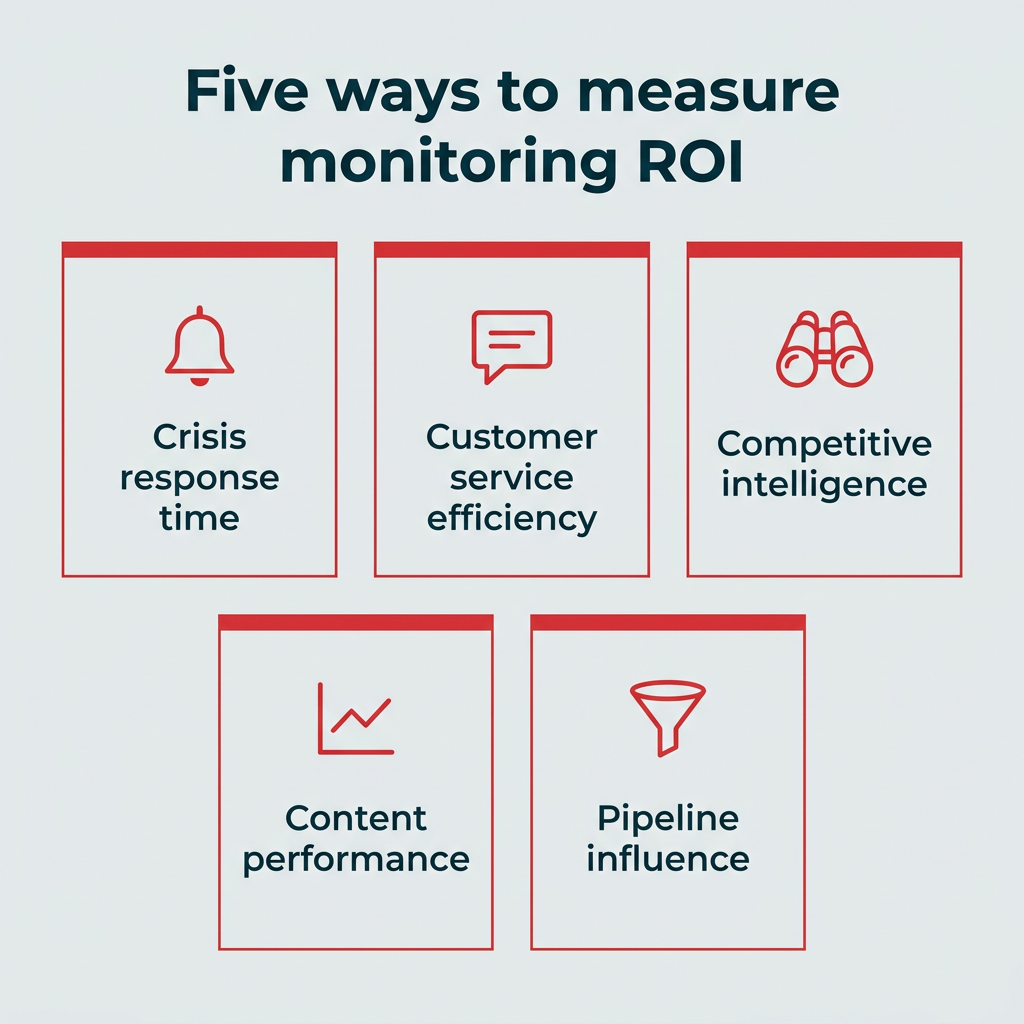
- Crisis Response Time & Mitigation: Quantify the reduction in time taken to detect and respond to potential crises. Track the number of potential crises averted or contained due to early detection, translating this into estimated savings from reputation damage or lost sales.
- Customer Service Efficiency: Measure improvements in customer satisfaction (CSAT) scores, faster resolution times, and a reduction in support ticket volume achieved by resolving issues directly on social media.
- Competitive Intelligence: Track the number of actionable competitive insights gained, such as identifying a competitor’s successful campaign or a market gap, and link these to new strategic initiatives or market share gains.
- Content Performance & Optimization: Demonstrate how monitoring insights led to more engaging content, higher campaign ROI, or better targeting, by correlating monitoring data with engagement rates, conversions, or brand mentions.
- Pipeline Influence: For B2B companies, track how monitoring helps identify potential leads, influences purchase decisions by addressing concerns, or contributes to lead nurturing through proactive engagement.
Focusing on a select, consistently reported set of these metrics will prove far more persuasive than an overwhelming dashboard that lacks clear business context.
The Future Outlook and Emerging Challenges
The landscape of social media monitoring is in constant flux, driven by technological advancements and evolving user behaviors. The continued integration of AI and machine learning promises even more sophisticated sentiment analysis, hyper-personalized trend detection, and predictive capabilities that anticipate shifts in public opinion. The rise of new platforms and the fragmentation of online communities will necessitate monitoring tools with ever-broader coverage. However, challenges persist, notably concerning data privacy, the ethical implications of surveillance, and the proliferation of misinformation and deepfakes, which complicate sentiment analysis and crisis management. The legal landscape around employee social media monitoring also remains complex, varying significantly by jurisdiction and requiring careful navigation. Brands must continually adapt their strategies, balancing the immense benefits of social intelligence with responsible and ethical data practices.

In conclusion, social media monitoring has transcended its origins as a basic tracking function to become a sophisticated, AI-powered strategic asset. By enabling brands to understand their audience, mitigate risks, optimize marketing, and gain competitive insights in real-time, it empowers data-driven decision-making across the enterprise. Its continuous evolution solidifies its position as an indispensable tool for navigating the complexities of the digital age, transforming every untagged mention into a potential pathway for growth and resilience.