

The term "target" is undeniably a cornerstone of modern marketing strategy. Defining precisely who a brand aims to communicate with is paramount to developing effective campaigns. This involves a multi-faceted approach, considering behavioral patterns, psychographic profiles, demographic data, and geographic location. However, a critical, often overlooked, dimension of successful targeting is understanding how to engage with different generational cohorts. This series aims to demystify digital marketing strategies tailored to specific age groups, beginning with Generation Z (born 1995-2010), followed by Millennials (1980-1994), Generation X (1960-1979), and Baby Boomers (1940-1959). The objective is to equip marketers with the insights needed to ensure their messages resonate with the right audiences on the most appropriate platforms.
This inaugural installment delves into the nuances of marketing to the youngest demographic poised to enter the workforce: Generation Z. Often characterized by rapid technological adoption and a unique worldview shaped by significant global events, Gen Z presents both challenges and immense opportunities for brands. Understanding their mindset, consumption habits, and preferred communication channels is essential for any organization seeking to establish a meaningful connection.
The Gen Z Mindset: A Product of Digital Immersion and Global Uncertainty
Generation Z, often referred to as digital natives, has experienced the world through a screen from their earliest memories. Unlike previous generations who adapted to technological advancements, Gen Z has grown up with smartphones, ubiquitous internet access, and the constant flow of information. This inherent digital fluency shapes their perception of the world and their interaction with brands.
Their formative years have been marked by significant global events that have profoundly influenced their outlook. The aftermath of 9/11, the economic fallout of the Great Recession which impacted their parents’ financial stability, and the ongoing disruptions caused by the COVID-19 pandemic have instilled a sense of pragmatism and realism. This has led to a generation that is often characterized as highly adaptable, open-minded, and grounded in practicality.
This unique upbringing has cultivated a distinct set of consumer behaviors and expectations. Gen Z is known for its exceptional digital literacy, with a preference for mobile-first experiences. They are also increasingly conscious consumers, prioritizing ethical sourcing, sustainability, and corporate social responsibility. Studies consistently show Gen Z as a highly engaged demographic when it comes to social and environmental issues, often aligning their purchasing decisions with brands that demonstrate a commitment to these values.

Furthermore, Gen Z possesses a discerning eye for authenticity and a low tolerance for intrusive or disingenuous advertising. Having been exposed to a constant barrage of marketing messages across numerous platforms, they have developed a sophisticated ability to filter out what they perceive as irrelevant or inauthentic. Their attention spans, while often cited as short, are better understood as highly selective. They will dedicate their focus to content that is genuinely engaging, informative, or entertaining, while quickly dismissing anything that fails to capture their interest. This necessitates a shift in marketing approaches, moving away from traditional interruptive tactics towards more integrated and value-driven content.
A key characteristic of Gen Z is their appreciation for uniqueness and individuality. While they may share common traits as a generation, they highly value personal expression and seek out brands that allow them to showcase their distinct identities. This presents an opportunity for brands to foster a sense of community and belonging, encouraging self-expression through their products and marketing efforts.
Gen Z Consumption Patterns: Data-Driven Insights
Research from various reputable sources provides critical insights into the consumption habits of Generation Z. A study by McKinsey & Company, for instance, highlighted several key trends that marketers should be aware of:
- Preference for Value and Quality: Despite their digital upbringing, Gen Z is not solely driven by low prices. They are often willing to invest in products that offer long-term value and superior quality. This means that while affordability is a consideration, the perceived durability and utility of a product play a significant role in their decision-making process.
- Influence of Social Media and Influencers: Social media platforms are not just channels for entertainment for Gen Z; they are primary sources of product discovery and research. Recommendations from peers and trusted influencers hold significant weight. This underscores the importance of influencer marketing and leveraging user-generated content to build credibility.
- Desire for Experiential Purchases: Beyond tangible goods, Gen Z places a high value on experiences. This can range from attending concerts and festivals to participating in online communities and engaging with interactive brand content. Brands that can offer unique and memorable experiences, whether online or offline, are likely to capture their attention and loyalty.
- Ethical and Sustainable Purchasing: As mentioned earlier, Gen Z is a generation that cares deeply about social and environmental issues. They actively seek out brands that align with their values, prioritizing sustainability, ethical labor practices, and diversity and inclusion. A brand’s stance on these issues can be a decisive factor in a Gen Z consumer’s choice.
- Digital-First Shopping Journeys: Gen Z expects a seamless and intuitive digital shopping experience. This includes easy navigation on websites and apps, secure payment options, and efficient delivery services. They are also comfortable with emerging technologies like augmented reality (AR) for product visualization and virtual try-ons.
Marketing to Gen Z: Strategic Approaches for Digital Engagement
Translating these insights into effective digital marketing strategies requires a nuanced understanding of where and how to connect with this demographic.
Platforms to Reach Gen Z
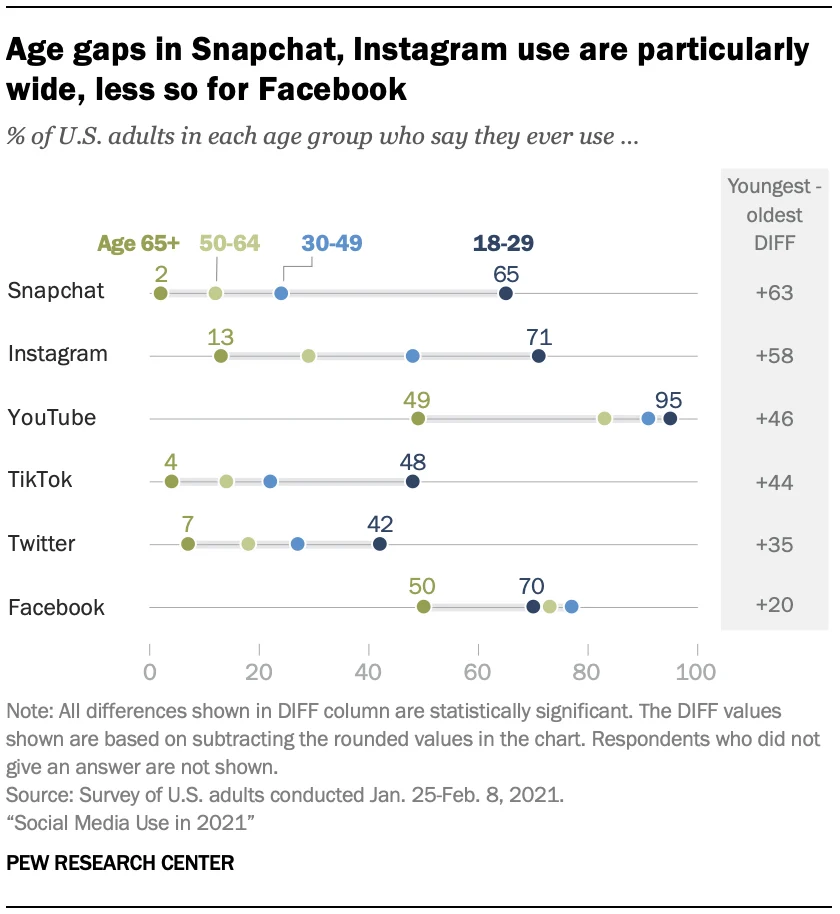
Gen Z’s digital footprint is vast and varied, with a strong presence on platforms that prioritize visual content, short-form video, and interactive engagement.

- TikTok: This is arguably the epicenter of Gen Z’s digital universe. Its algorithm-driven feed, emphasis on trends, and creative tools make it an ideal platform for brands to showcase their personality, engage with user-generated content, and participate in viral challenges. Short, attention-grabbing videos are key here, with an emphasis on authenticity and entertainment value.
- Instagram: While its popularity among younger demographics has seen some shifts, Instagram remains a vital platform for Gen Z, particularly for its Stories and Reels features, which mirror TikTok’s short-form video format. Visual storytelling, aesthetically pleasing content, and influencer collaborations are highly effective on this platform.
- YouTube: This platform continues to be a go-to for in-depth content, tutorials, product reviews, and entertainment. Gen Z utilizes YouTube for research, learning, and discovering new interests. Brands can leverage longer-form content, educational videos, and partnerships with YouTubers to reach this audience.
- Snapchat: Known for its ephemeral content and augmented reality filters, Snapchat offers a more intimate and playful way to connect with Gen Z. Brands can utilize its advertising features, lenses, and filters to create interactive and engaging experiences.
- Discord: This communication platform, initially popular among gamers, has expanded significantly and is now a hub for various online communities. Gen Z uses Discord to connect with like-minded individuals, discuss shared interests, and even interact with brands directly through dedicated servers. Building a community on Discord can foster strong brand loyalty.
- Twitch: For brands targeting Gen Z with an interest in gaming, esports, and live streaming, Twitch is an indispensable platform. Live engagement, influencer partnerships, and interactive chat features are crucial for success here.
Messaging That Speaks to Gen Z
Crafting compelling messages that resonate with Gen Z requires an understanding of their values, communication style, and skepticism towards traditional advertising.
- Authenticity and Transparency: Gen Z can detect insincerity from a mile away. Brands must be genuine in their messaging and transparent about their practices, values, and even their shortcomings. Avoid overly polished or corporate jargon; instead, embrace a more human and relatable tone.
- Value-Driven Content: Instead of pushing products, focus on providing value. This can be in the form of educational content, entertaining videos, helpful tips, or inspiring stories. Show how your brand solves problems or contributes positively to the world.
- Social Responsibility and Purpose: Gen Z wants to support brands that stand for something. Clearly communicate your brand’s commitment to social and environmental causes. Showcase your efforts in areas like sustainability, diversity, equity, and inclusion. This can be integrated into your storytelling and product development.
- Interactive and Engaging Experiences: Gen Z is not a passive audience. They want to participate. Encourage user-generated content, run contests and challenges, ask questions, and foster conversations. Utilize interactive features like polls, Q&As, and quizzes within your content.
- Humor and Relatability: While often characterized as serious, Gen Z also appreciates humor. However, this humor tends to be self-aware, often dark, and highly referential to internet culture. Brands that can tap into this with wit and intelligence can forge a strong connection. Ensure that any humor used is appropriate and does not alienate other audience segments.
- Concise and Visually Appealing: Given their preference for mobile-first consumption, messages need to be concise and visually impactful. Use high-quality images and videos, clear calls to action, and easily digestible information. Short-form video content is particularly effective.
- Embrace Trends (with caution): Gen Z is at the forefront of emerging trends, especially on platforms like TikTok. Participating in relevant trends can increase visibility, but it’s crucial to do so authentically and not force a brand into a trend that doesn’t align with its core identity.
Broader Implications and Future Outlook
The insights into marketing to Gen Z are not merely tactical adjustments; they represent a fundamental shift in how brands must approach consumer engagement in the digital age. As Gen Z’s purchasing power continues to grow, their influence on market trends and brand accountability will only intensify.
For businesses, this means a continuous need to adapt and innovate. The strategies that are effective today may need to evolve as Gen Z matures and new technologies emerge. The emphasis on authenticity, transparency, and purpose is likely to become even more pronounced, pushing brands to move beyond superficial marketing and towards genuine ethical practices and community building.
The rise of Gen Z as a dominant consumer force also signals a demand for greater personalization and bespoke experiences. As AI and data analytics become more sophisticated, brands will have the opportunity to create highly tailored interactions that cater to individual preferences and values. However, this must be balanced with a commitment to data privacy and ethical data usage.
Ultimately, marketing to Generation Z is not about adopting a set of rigid rules but about fostering a deeper understanding of their worldview and adapting communication strategies accordingly. It requires a commitment to building authentic relationships, providing genuine value, and demonstrating a clear sense of purpose. By embracing these principles, brands can not only capture the attention of this influential demographic but also cultivate lasting loyalty and drive meaningful engagement in the evolving digital landscape.
For organizations seeking to refine their digital marketing strategies and effectively connect with the Gen Z audience, seeking expert guidance is a prudent step. Engaging with experienced digital marketing professionals can provide tailored solutions and actionable insights to navigate this dynamic market.









