

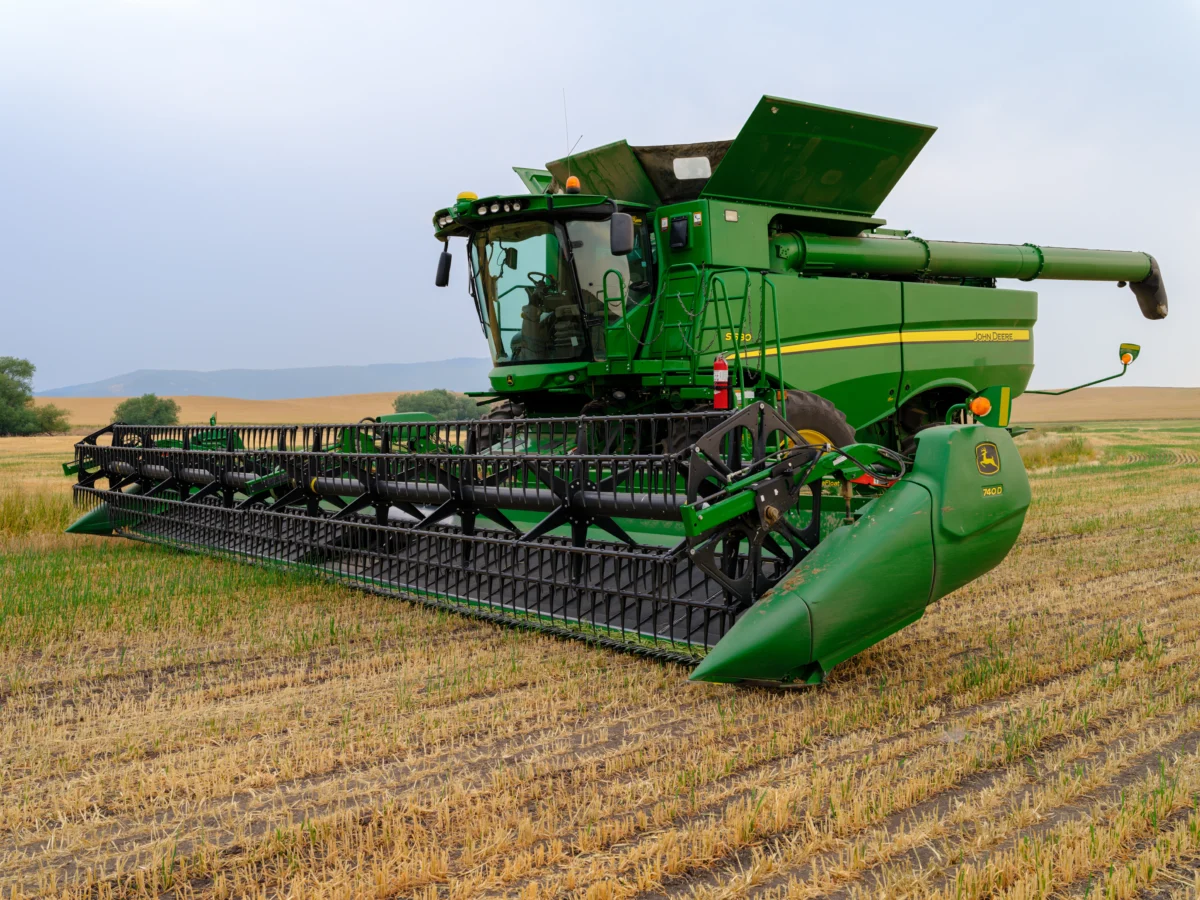
Deere & Company reported a notable increase in net sales and revenue for its fiscal third quarter of 2026, a period characterized by ongoing inflationary headwinds and a robust expansion of its digital technology offerings. The agricultural and construction equipment giant navigated a complex economic landscape, demonstrating resilience and a strategic focus on innovation to drive performance. This growth, despite challenges such as fluctuating oil prices and tariff-related expenses impacting supply chains, underscores the company’s commitment to adapting and thriving in a dynamic market.
The fiscal Q3 2026 saw Deere & Company’s net sales and revenue ascend to approximately $12.61 billion, marking a 5% uplift from the $12.02 billion recorded in the corresponding quarter of the previous year. This positive trajectory extended to the year-to-date figures, with net sales and revenue climbing to an impressive $35.59 billion, a 7% increase from $33.29 billion in the same period of the prior year. These figures reflect not only the company’s operational strength but also the growing adoption and impact of its advanced technologies within the agricultural sector.
Navigating a Dynamic Inflationary Environment
Christopher Seibert, Director of Investor Relations at Deere & Company, provided insights into the economic conditions influencing the company’s operations. He characterized the inflationary environment as "dynamic," citing the volatility of oil prices and their ripple effects across the global economy. "You think about oil prices, how they move and what that means," Seibert explained. "And also from a tariff perspective, suppliers experiencing tariffs too, they pass that on to us and negotiate with us around these. So still, I would call it a dynamic inflationary environment, but we are kind of committed to cover that."
This statement highlights the multi-faceted nature of the inflationary pressures faced by Deere. Fluctuations in energy costs directly impact the manufacturing and transportation of heavy equipment, as well as the operational costs for farmers who rely on fuel for their machinery. Furthermore, Seibert’s reference to tariffs underscores the complexities of global trade and supply chain management. When suppliers face increased costs due to tariffs, these expenses are often absorbed or passed on to manufacturers like Deere, necessitating careful negotiation and strategic sourcing to mitigate the impact on pricing and profitability.
The company’s ability to not only absorb these pressures but also achieve revenue growth speaks to several key factors, including strong demand for its products, effective pricing strategies, and the increasing value proposition of its technological solutions.
The Digital Ecosystem: A Cornerstone of Growth
A significant driver behind Deere’s sustained performance is its aggressive push into digital technology and the John Deere Operations Center. Deanna Kovar, President of Deere’s Worldwide Ag & Turf Division, Production and Precision Ag and Americas and Australia, emphasized the pivotal role of this digital ecosystem in enhancing customer value and driving sales.
"I would also highlight the continued growth of our digital ecosystem and the increasingly important role the John Deere Operations Center plays in helping customers turn data into better decisions," Kovar stated. This sentiment underscores a strategic shift from simply selling equipment to providing comprehensive solutions that empower farmers with actionable intelligence.
The John Deere Operations Center serves as a central hub for farmers to manage their operations, track equipment performance, and analyze field data. Kovar revealed impressive adoption rates, with the company now boasting over 520 million "engaged" acres, representing land where data is actively collected and utilized through Deere’s digital platforms. This is complemented by more than 1.2 million connected machines, indicating a substantial installed base of digitally enabled equipment.
The growth of "highly engaged" acres, which have seen double-digit year-over-year increases to over 190 million acres, signifies a deepening commitment from farmers to leverage data for operational improvements. This engagement translates directly into tangible benefits for growers. The Operations Center transforms the "growing stream of operational data into actionable insights that help growers better understand performance across their operations." This analytical capability allows farmers to identify inefficiencies, optimize resource allocation, and make more informed decisions regarding planting, fertilization, and harvesting.
AI-Enabled Capabilities and Enhanced Farm Profitability
Looking ahead, Deere is poised to further enhance the value delivered through its digital platforms by integrating Artificial Intelligence (AI). Kovar announced plans to "build on that foundation with AI-enabled capabilities designed to unlock even more value from the data within operations center." This integration of AI is expected to unlock advanced predictive analytics, personalized recommendations, and automated decision-making tools, further optimizing farm management and boosting profitability.
The widespread adoption of these digital tools is evident in the user engagement figures. Deere now counts over 450,000 unique active monthly digital users engaging with its suite of tools. This high level of engagement underscores the perceived value and practical utility of Deere’s digital offerings in the daily operations of modern farmers.
Kovar articulated the direct link between these technologies and farm profitability, especially in a climate where "farm profitability remains under pressure." She pointed out that key input costs for farmers, including "seed, fertilizer and crop protection products, represent roughly 70% of our farmers’ operating costs." Consequently, "technologies that help optimize those investments play an increasingly critical role." By enabling more precise application of these costly inputs, Deere’s technologies can lead to significant cost savings.
The deployment of these technologies as an integrated system, Kovar explained, can result in "double-digit savings in variable operating costs" and generate "meaningful yield improvement for farmers." This holistic approach, combining precision equipment with intelligent data management, creates a powerful synergy that directly impacts the bottom line for agricultural producers.
Financial Performance and Outlook
The financial results for fiscal Q3 2026 reflect the success of Deere’s strategic initiatives. The increase in net sales and revenue, as detailed earlier, highlights the company’s ability to translate technological innovation and market demand into financial gains.
Brent Norwood, Chief Financial Officer, expressed optimism about the company’s future prospects. "Whether through technology adoption, expansion of our digital ecosystem with solutions like Tenna or growth of our equipment portfolio, we see a strong runway ahead," Norwood stated. The mention of "Tenna" likely refers to a specific digital solution or acquisition that bolsters Deere’s ecosystem, further solidifying its position in the market.
Deere also reported receiving $110 million in incremental tariff refunds in its fiscal Q3. For the full fiscal year 2026, the company anticipates a total of $382 million in IEEPA (Import-Export Bank Act) tariff refunds. The company’s outlook for the remainder of the fiscal year assumes no further refund activity.
However, the company continues to anticipate tariff-related expenses. Seibert elaborated on this, stating, "Looking beyond refunds, following the changes to the Section 122, 232 and 301 tariff policies, we now expect direct tariff expense of approximately $1.1 billion for the fiscal year, excluding IEEPA refunds." This figure underscores the significant ongoing impact of trade policies on Deere’s cost structure, necessitating continuous adaptation and cost management strategies.
Broader Industry Context and Implications
Deere’s performance and strategic direction offer a window into the broader trends shaping the agriculture and construction industries. The increasing sophistication of farming operations, driven by the need for greater efficiency and sustainability, is creating a fertile ground for technological adoption. Farmers are no longer just consumers of machinery; they are increasingly becoming data-driven managers who rely on integrated technology solutions to optimize their businesses.
The company’s success in growing its digital ecosystem and user base suggests that the industry is moving towards a more connected and intelligent future. The ability of Deere’s Operations Center to translate raw data into actionable insights is a testament to the power of data analytics and AI in transforming traditional industries.
The persistent challenges posed by inflation and tariffs, however, serve as a reminder of the external economic factors that can influence even the most resilient companies. Deere’s proactive approach to managing these challenges, through strategic pricing, supply chain optimization, and the development of high-value technology solutions, is crucial for maintaining its competitive edge.
The substantial tariff expenses anticipated by Deere also highlight the ongoing debate surrounding global trade policies and their impact on manufacturing and agriculture. Companies operating on a global scale must remain agile and adaptable to navigate these complex geopolitical and economic landscapes.
Looking Ahead: A Vision for Integrated Solutions
Deere & Company’s fiscal Q3 2026 results paint a picture of a company that is not only weathering economic storms but is actively shaping the future of its industries. The strategic emphasis on digital transformation, coupled with a deep understanding of customer needs and market dynamics, positions Deere for continued growth. The integration of AI into its operations center promises to further enhance the value proposition for farmers, helping them to achieve greater efficiency, profitability, and sustainability. As the agricultural sector continues to evolve, Deere’s commitment to providing integrated, technology-driven solutions will likely remain a key differentiator and a driver of its long-term success. The company’s ability to balance the demands of a dynamic inflationary environment with its ambitious digital agenda will be a critical factor in its ongoing journey.








